
 Image 1 of 25
 Image 2 of 25
 Image 3 of 25
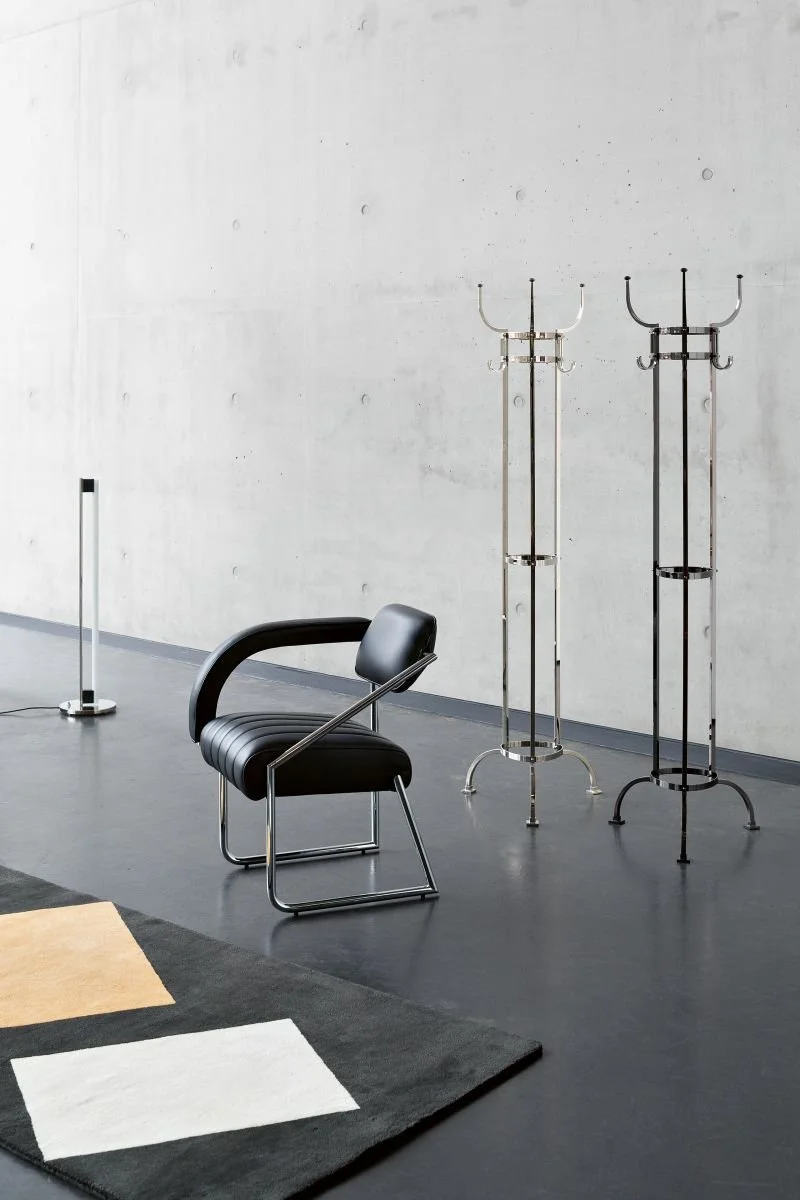 Image 4 of 25
 Image 5 of 25
 Image 6 of 25
 Image 7 of 25
 Image 8 of 25
 Image 9 of 25
 Image 10 of 25
 Image 11 of 25
 Image 12 of 25
 Image 13 of 25
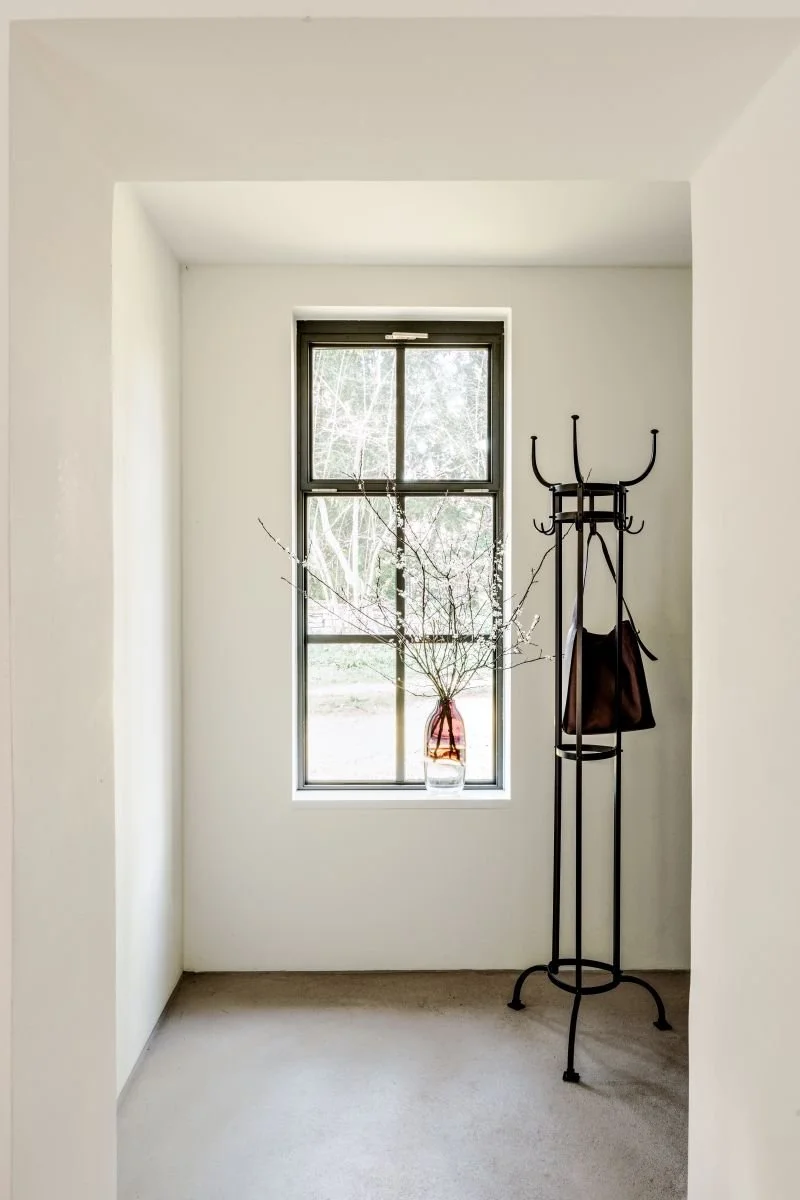 Image 14 of 25
 Image 15 of 25
 Image 16 of 25
 Image 17 of 25
 Image 18 of 25
 Image 19 of 25
 Image 20 of 25
 Image 21 of 25
 Image 22 of 25
 Image 23 of 25
 Image 24 of 25
 Image 25 of 25
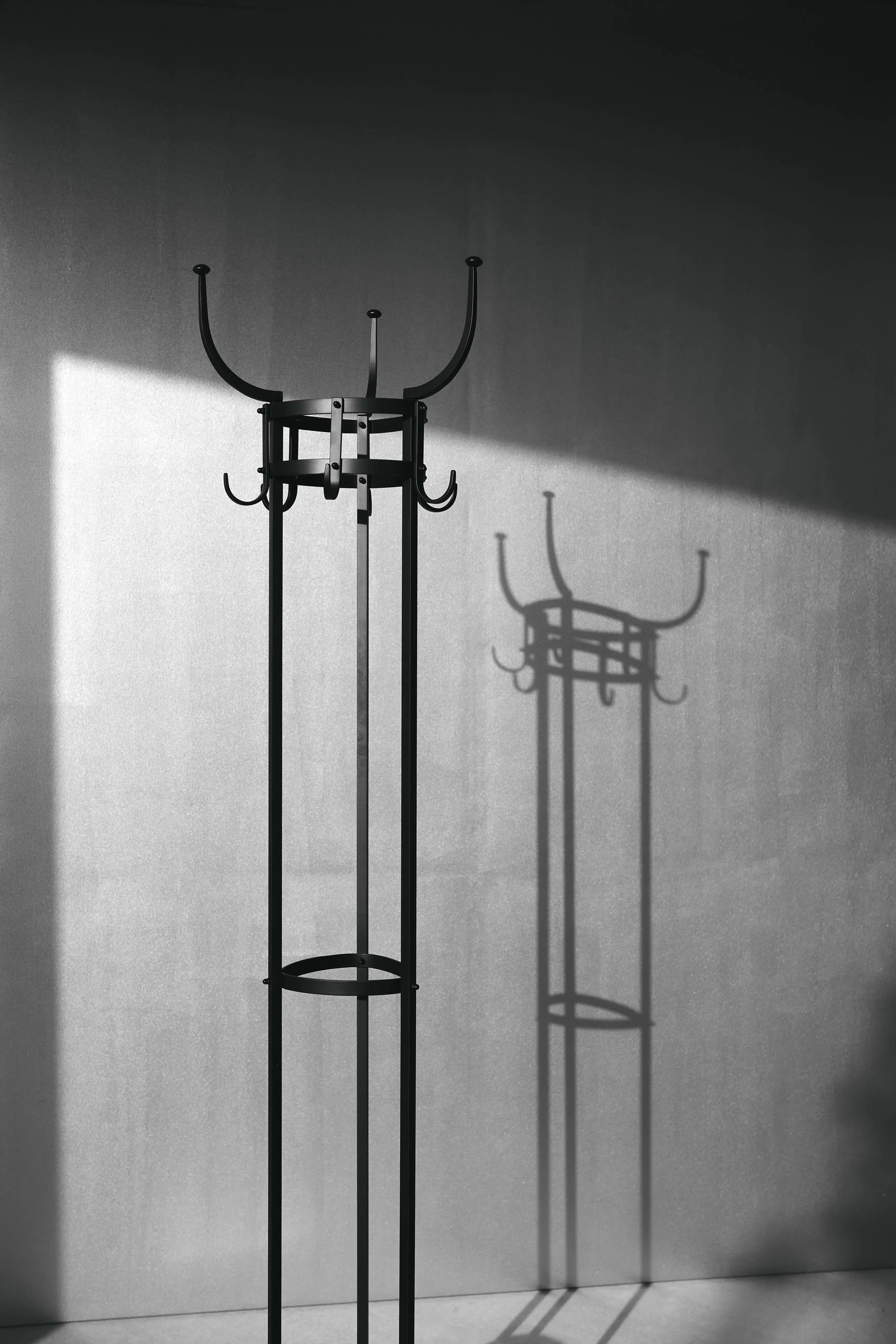
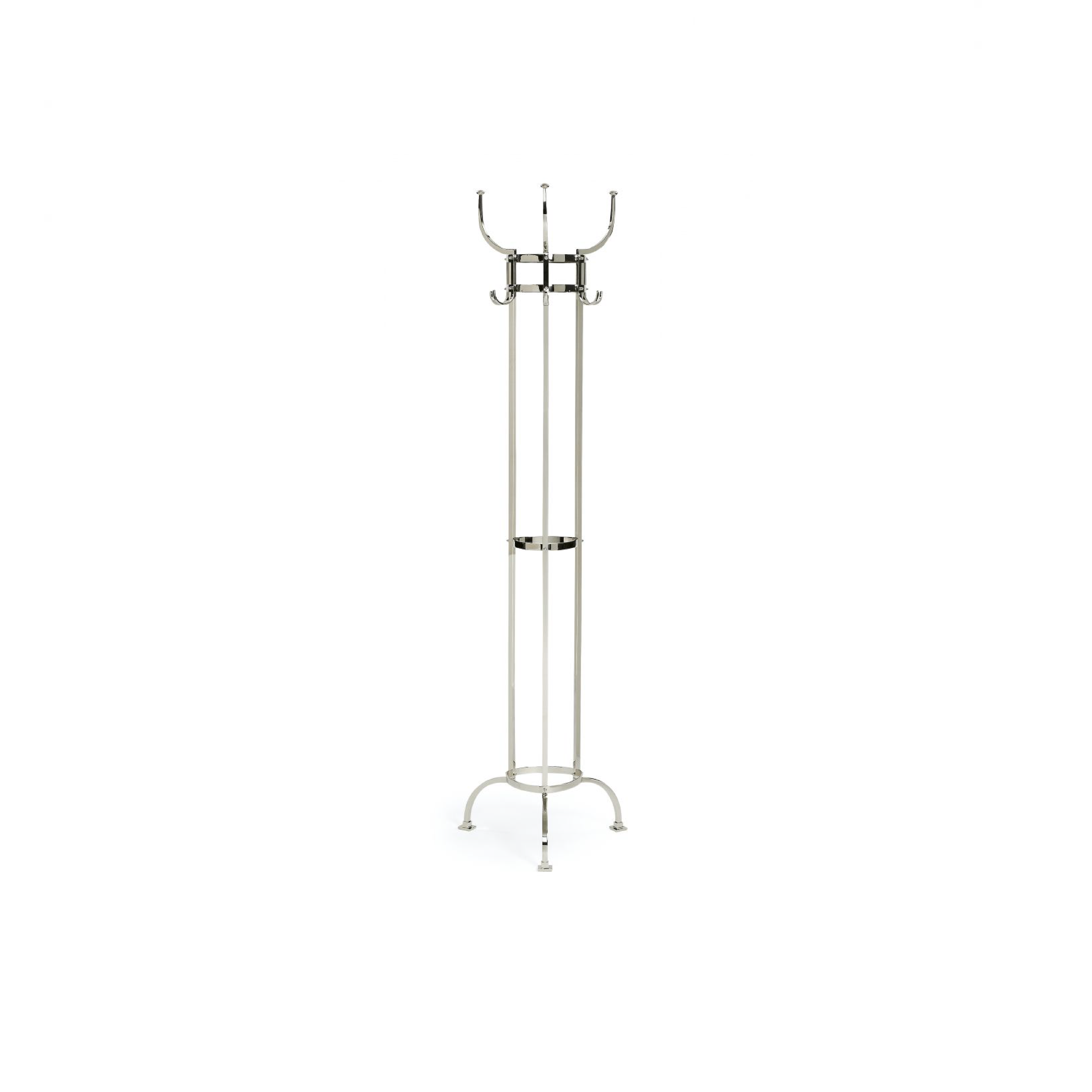
Nymphenburg Coat Stand
UNDISPUTED CLASSIC OF MODERNISM
It is a sign of a most mature culture when articles of everyday use also come to catch the aesthetic eye. Otto Blümel‘s coat stand Nymphenburg is an archetypal classic of its genre: one can imagine it in a Paris bistro as well as in a villa in Salzburg. A design classic that stands the test of time, because Nymphenburg is already over 110 years old. With its nickel-plated finish or powder-coated in black, it now perfectly fits in with any stylish ambience.
Coat stand. Brass, powder-coated in black or nickel-plated.
Dimensions
Diameter 49cm (19 5/16”) H. 180cm (70 7/8”)


DESIGNEr
OTTO BLÜMEL
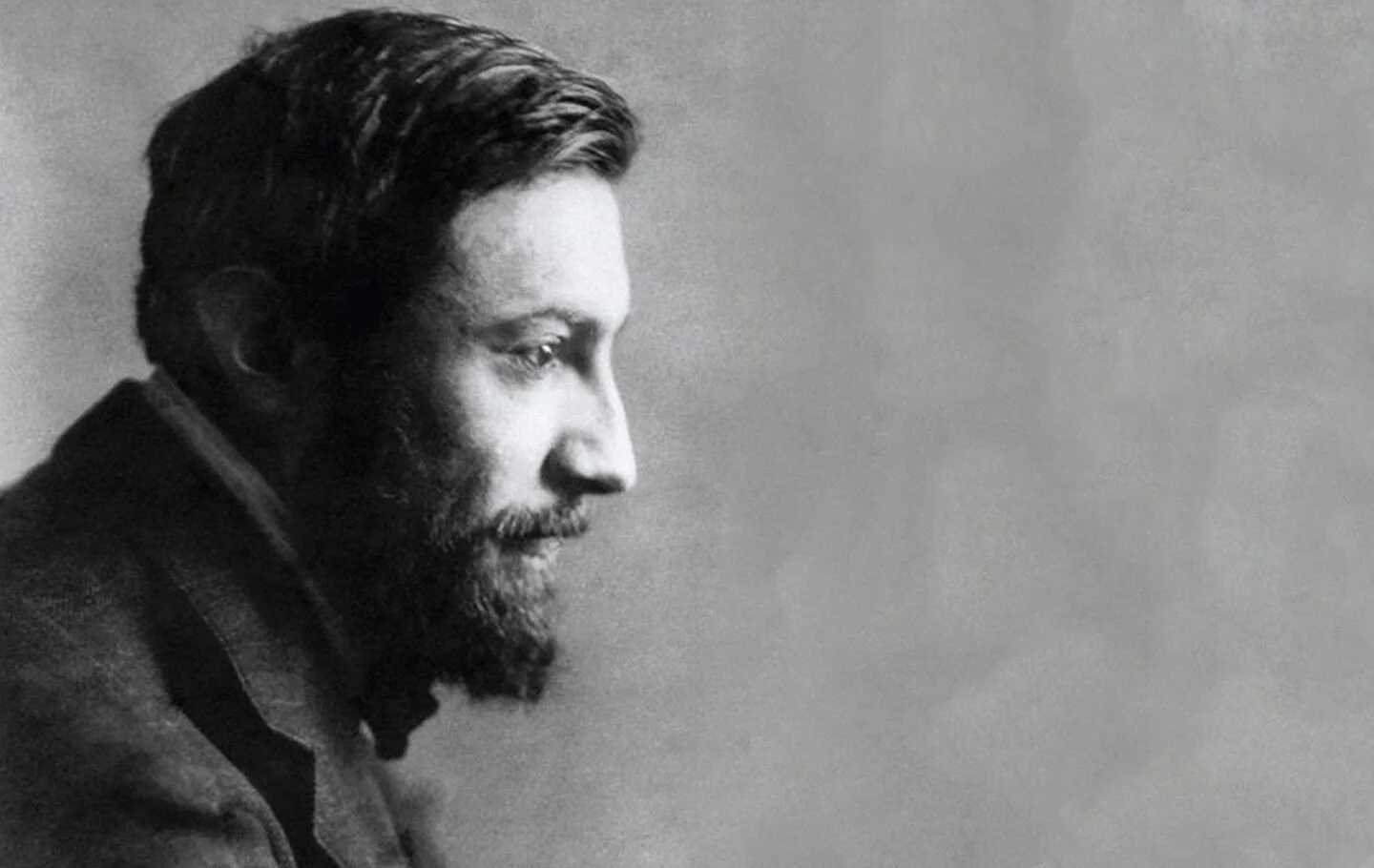
Otto Blümel
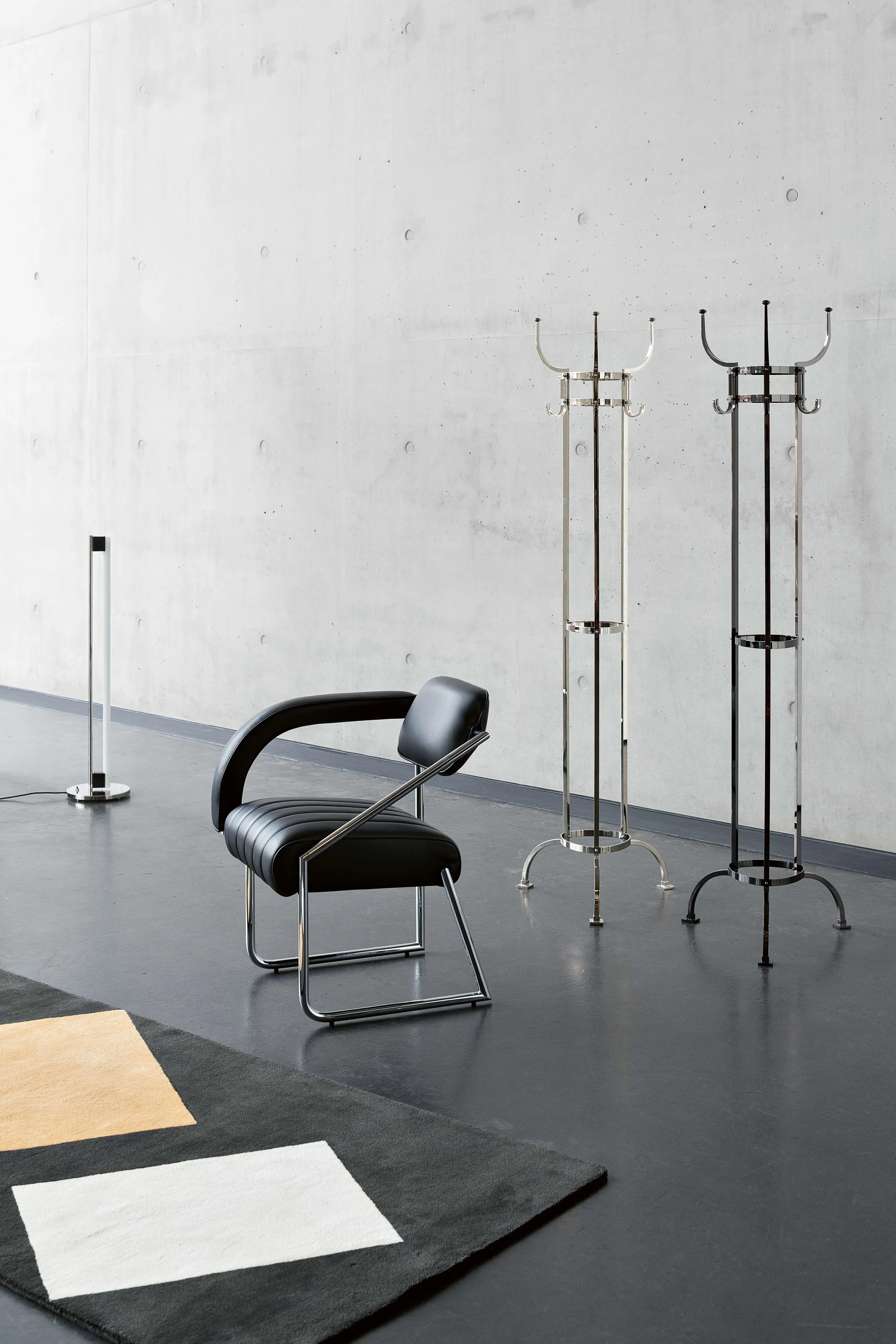
Nymphenburg Coat Stand
Born in Augsburg, Otto Blümel studied architecture at the Technical University of Munich and then took up painting. From 1907 to 1914 he was director of the design department at the United Workshops for Art in Craftsmanship in Munich, a pioneering force in the interior design and decoration of the era. The focus was on craftsmanship, redesigning the everyday living environment, and making functionality visible. It was during this period that he produced furniture designs that are still prized today. His most famous piece is one of them: the Nymphenburg coat rack from 1908. In 1909, Blümel met the writer Hermann Hesse and, in the following years, designed several book covers for him. Otto Blümel was owner of the “Verdienstkreuz am Bande der Bundesrepublik Deutschland” cross of merit.
MANUFACTURER
CLASSICON
Good furniture is like a good friend: somebody we like to have around and who accompanies us through life, wherever it may take us. We have been producing this kind of furniture since 1990. At the time, ClassiCon emerged from the traditional Vereinigte Werkstätten in Munich.
The licenses for the designs by famous designers of classic modernism, including Eileen Gray, Eckart Muthesius and Otto Blümel, formed the cornerstone for today’s collection. Soon, furniture by contemporary designers such as Sebastian Herkner, Neri & Hu, Konstantin Grcic and Jader Almeida followed. From the beginning, ClassiCon intentionally created a suspenseful relationship between classics and contemporary design. Owner Oliver Holy has had a lasting impact on the family-run company with his passion for design, architecture and art for almost 20 years now. Since mid-2024, he and CEO Timotheus Günak have been jointly managing ClassiCon.
Design, function and quality at the highest level plus a good amount of emotion – this is our vision: furniture design that convinces and accompanies people through their lives, something reliable and beautiful that is used and appreciated and, in the best case, passed down.
How much spirit of departure does a piece of furniture contain? At ClassiCon, you will only find innovative furniture that expresses the courage to depart from familiar ground. Some of the pieces carry big names, and each can look back on a proud design history, sometimes over several decades or even an entire century. Others, however, are only at the beginning of writing their own big stories.
We consider it our task to accompany and enable a multitude of such stories – now and in the future. For this purpose, we are continuously expanding our partner network and engage in intensive dialogs with international designers, often young and unknown.
Local craft businesses that bring design ideas to life through their skills and expertise play an equally important role for us. Through our production methods, we aim to bring this craftsmanship and wealth of experience to light and secure it for the future.
Designs from the ClassiCon collection can be found in museum collections around the world. Rare and precious originals by Eileen Gray, for example, are owned by the Victoria and Albert Museum in London, the National Museum of Ireland and the Museum of Modern Art in New York. In the meantime, designs by our contemporary designers have found a place in collections: classics of the future are exhibited or archived in various contexts. They represent formal innovation, originality and quality. With each selection, we are delighted about the success of the designers and the confirmation of our work.
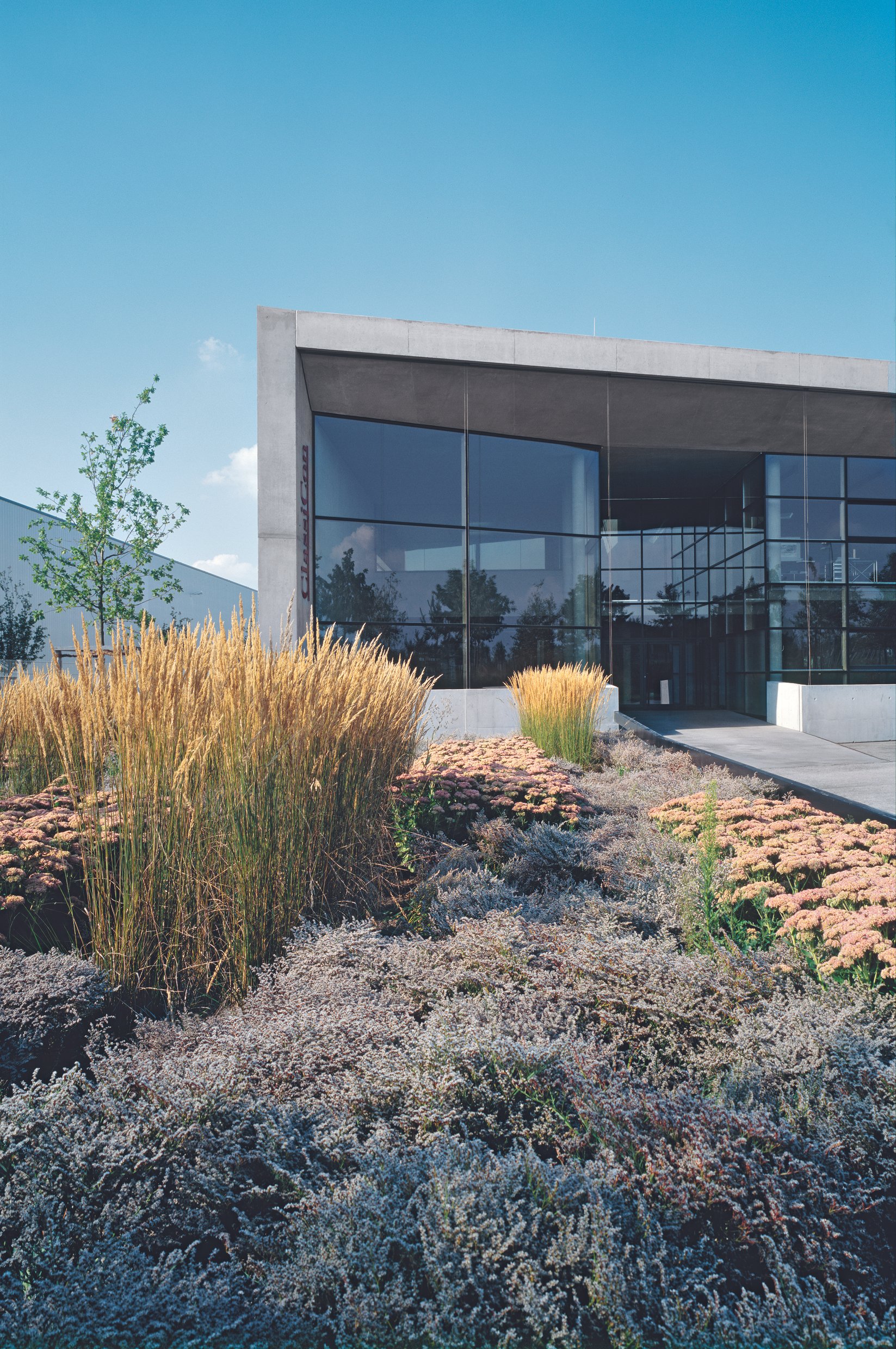
Classicon Headquarters