
 Image 1 of 20
 Image 2 of 20
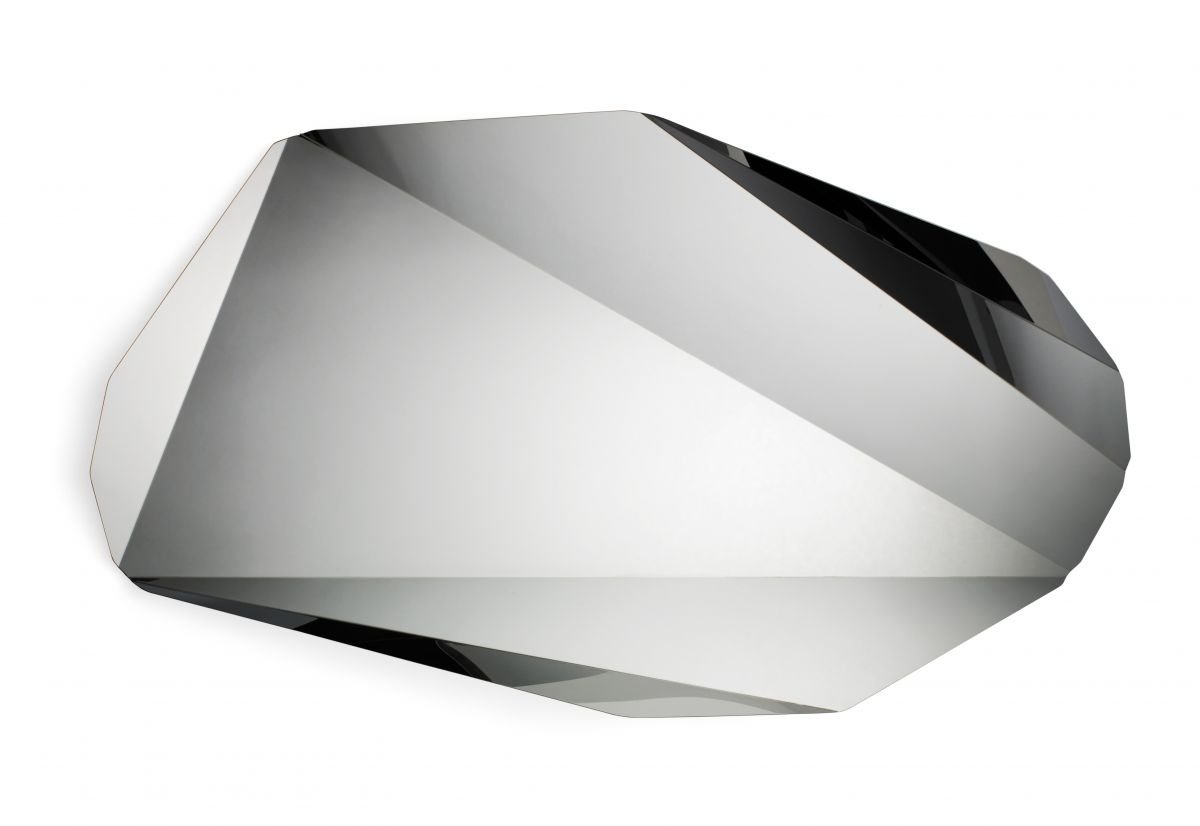 Image 3 of 20
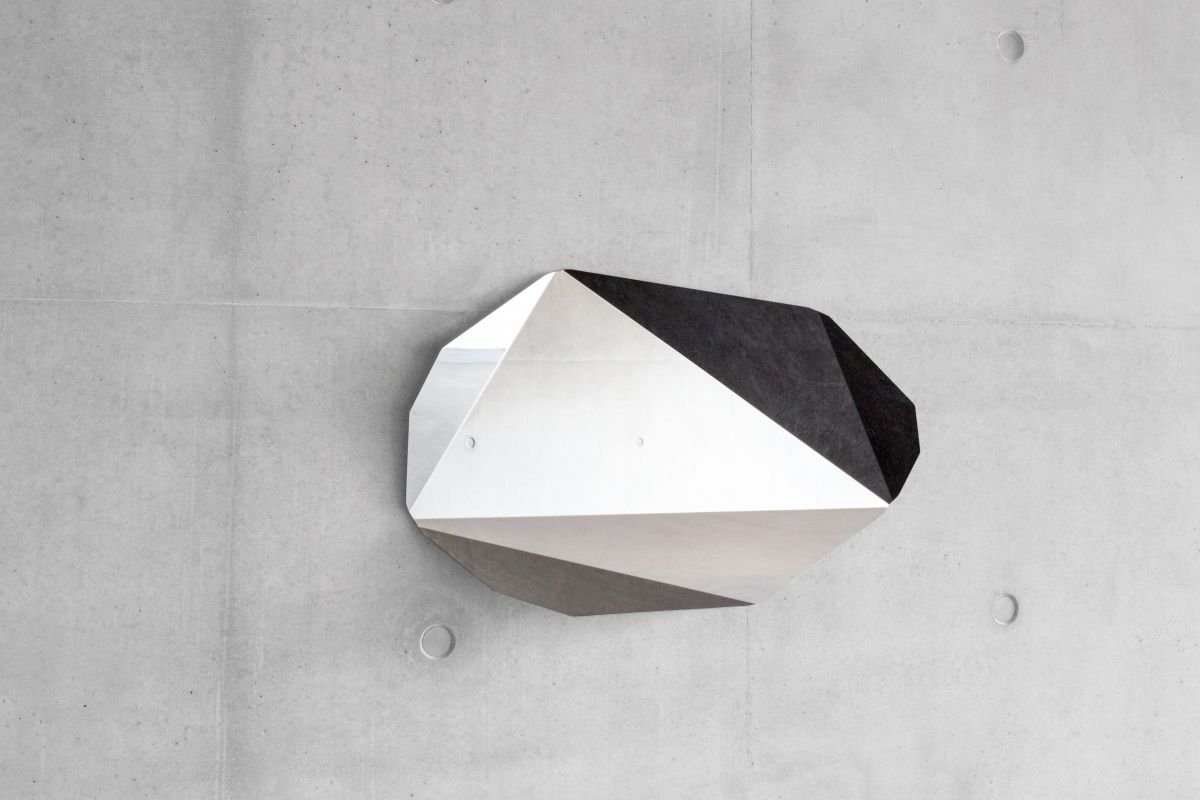 Image 4 of 20
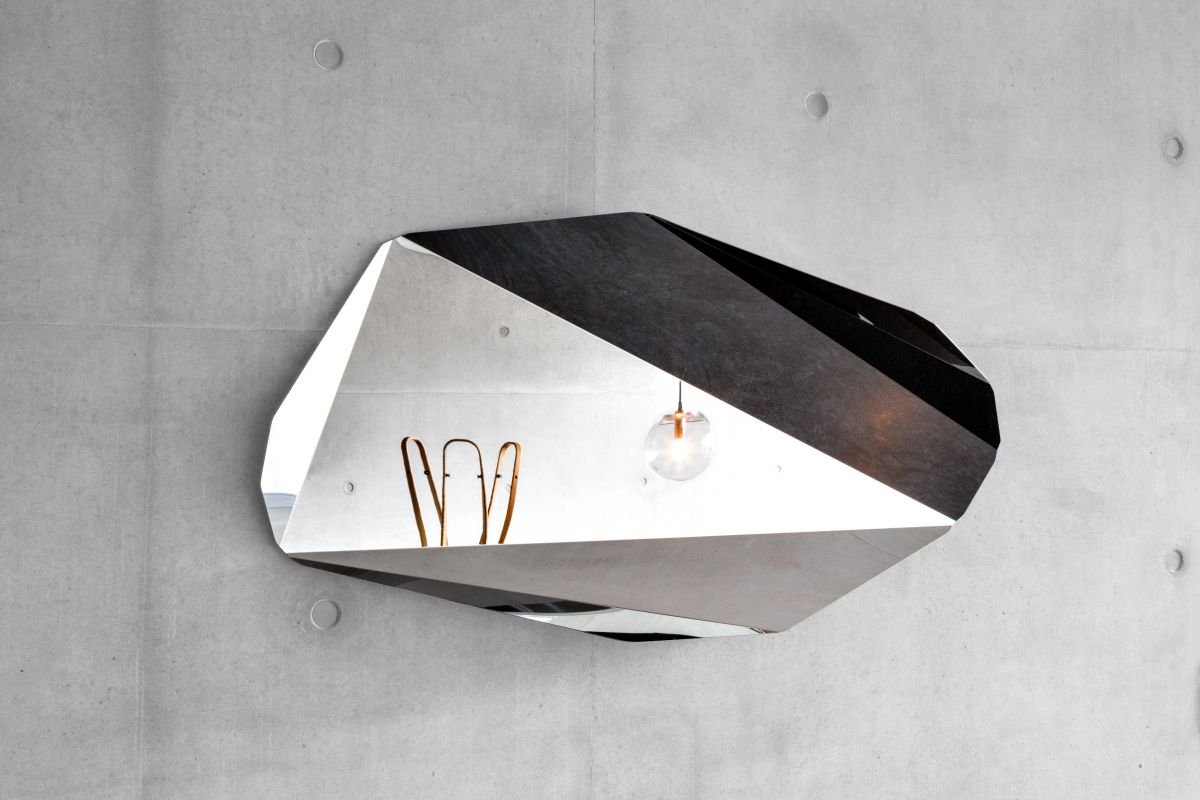 Image 5 of 20
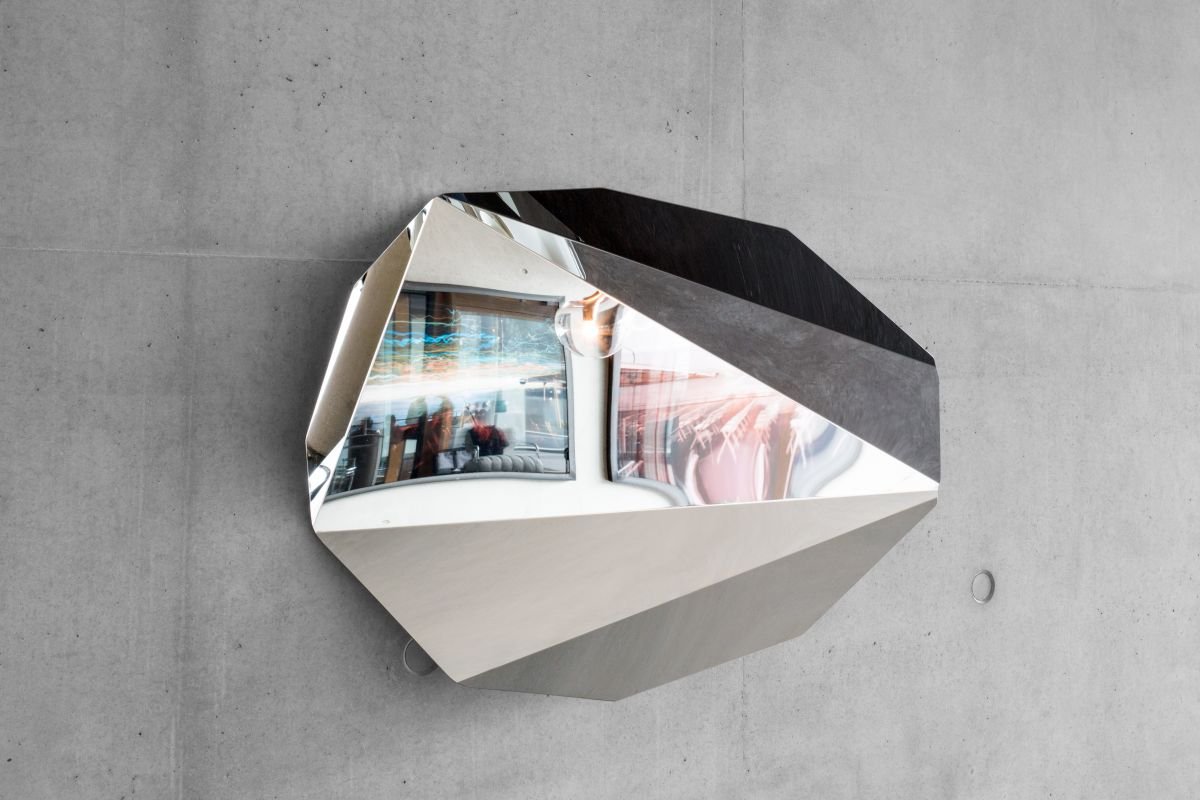 Image 6 of 20
 Image 7 of 20
 Image 8 of 20
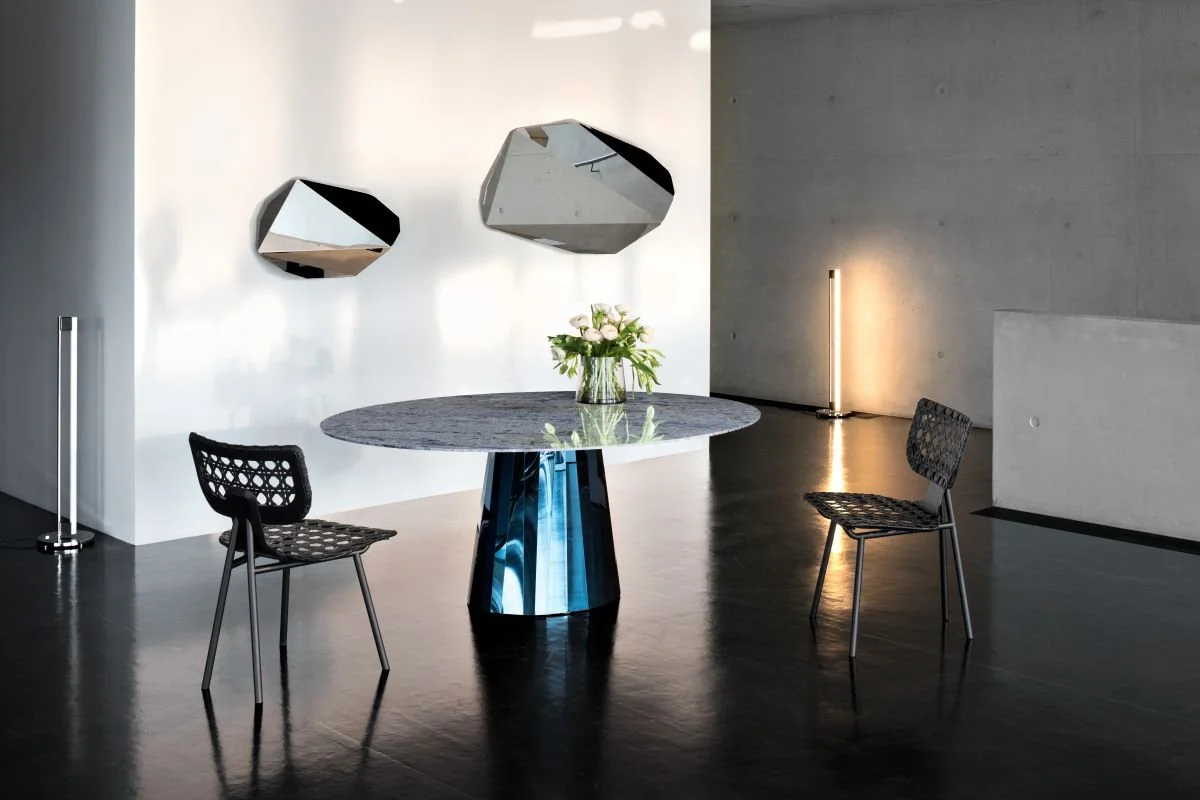 Image 9 of 20
 Image 10 of 20
 Image 11 of 20
 Image 12 of 20
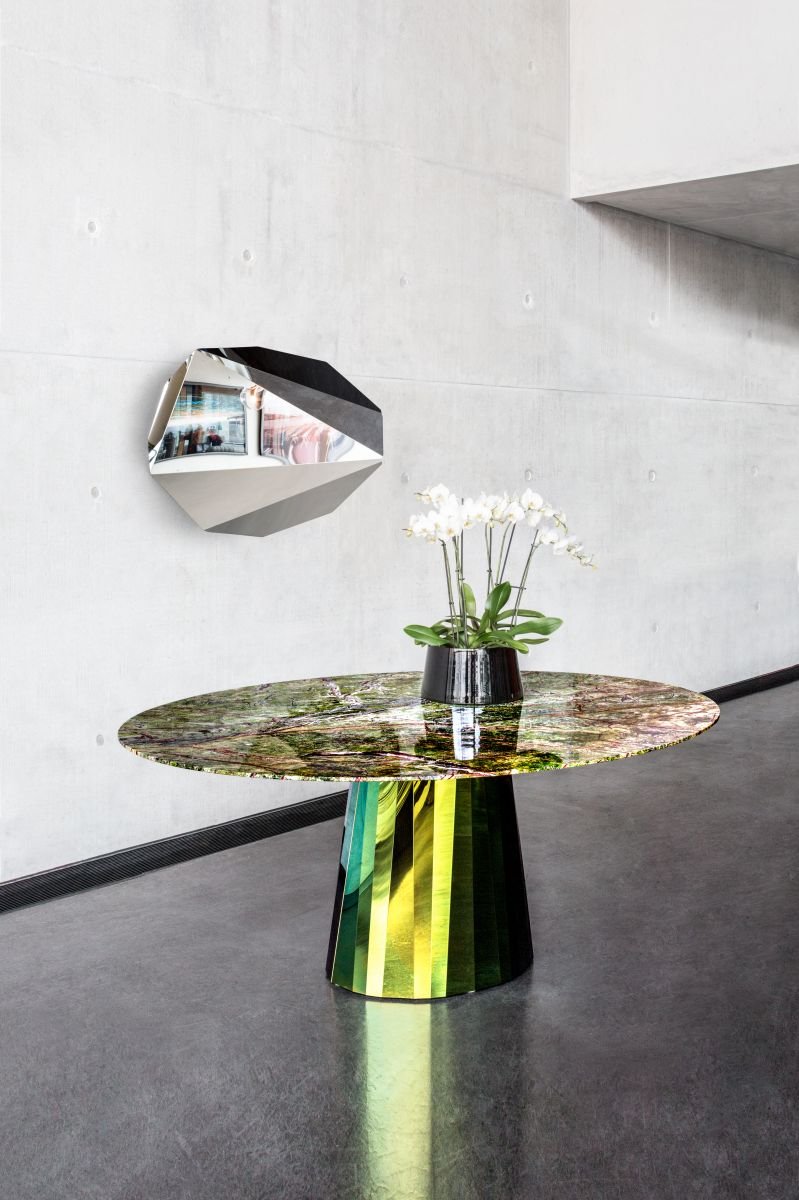 Image 13 of 20
 Image 14 of 20
 Image 15 of 20
 Image 16 of 20
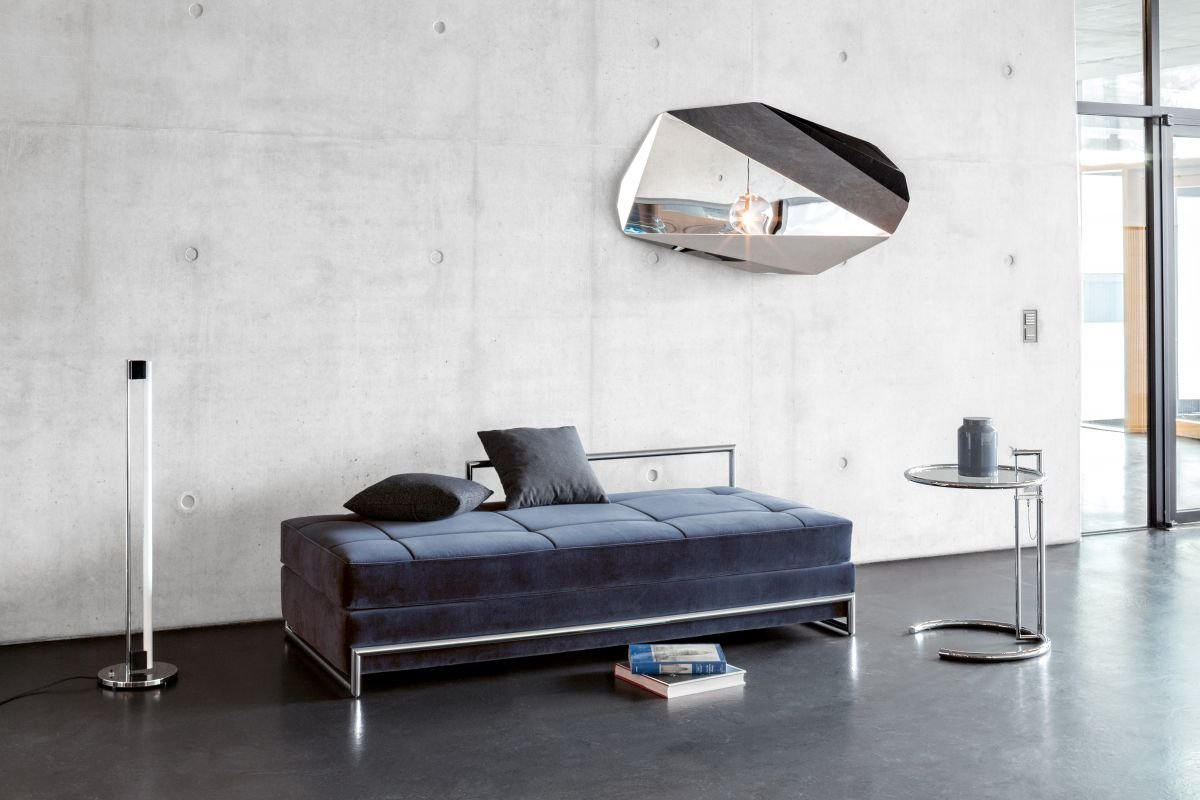 Image 17 of 20
 Image 18 of 20
 Image 19 of 20
 Image 20 of 20
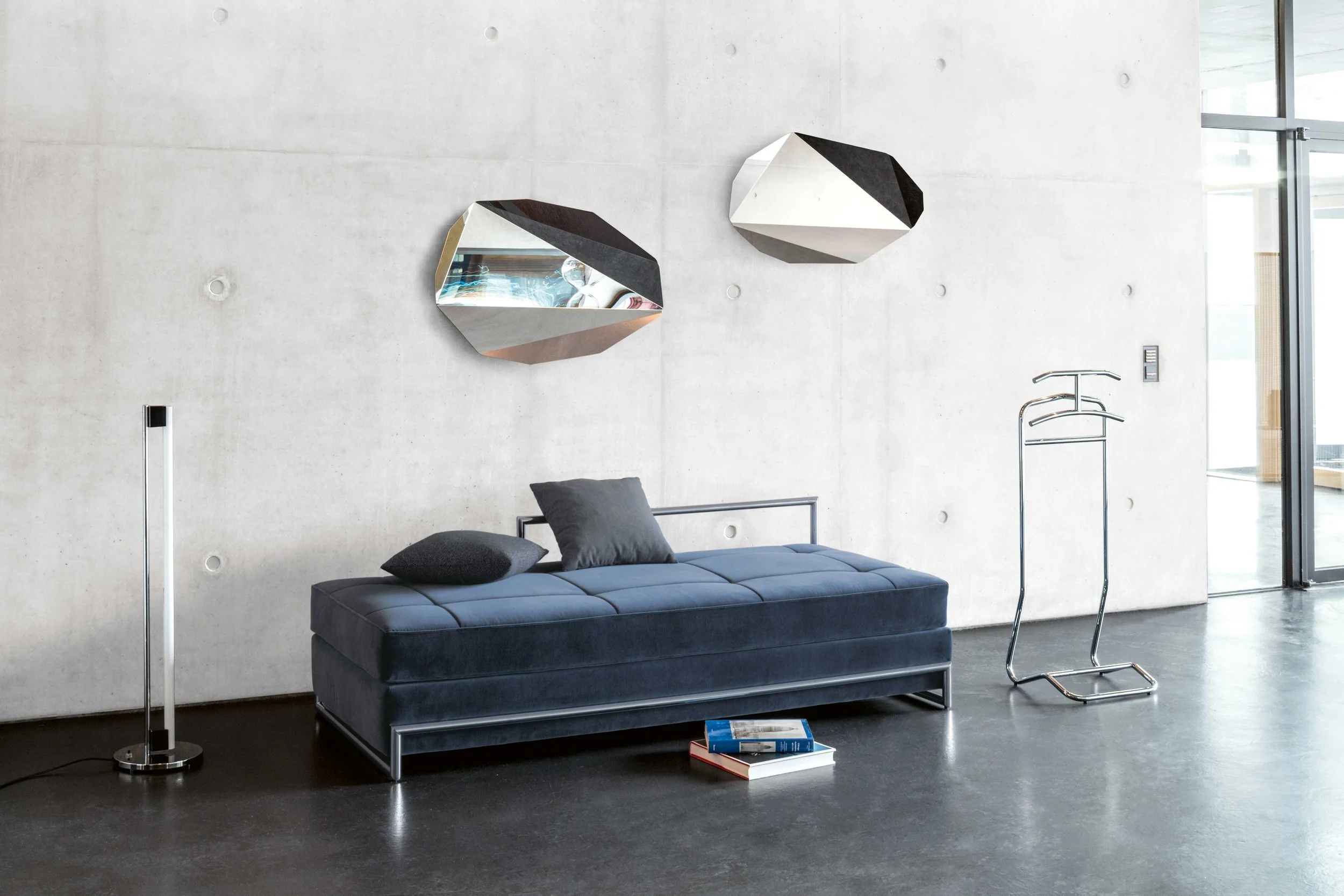
Piega Mirror
CONVEX OR CONCAVE?
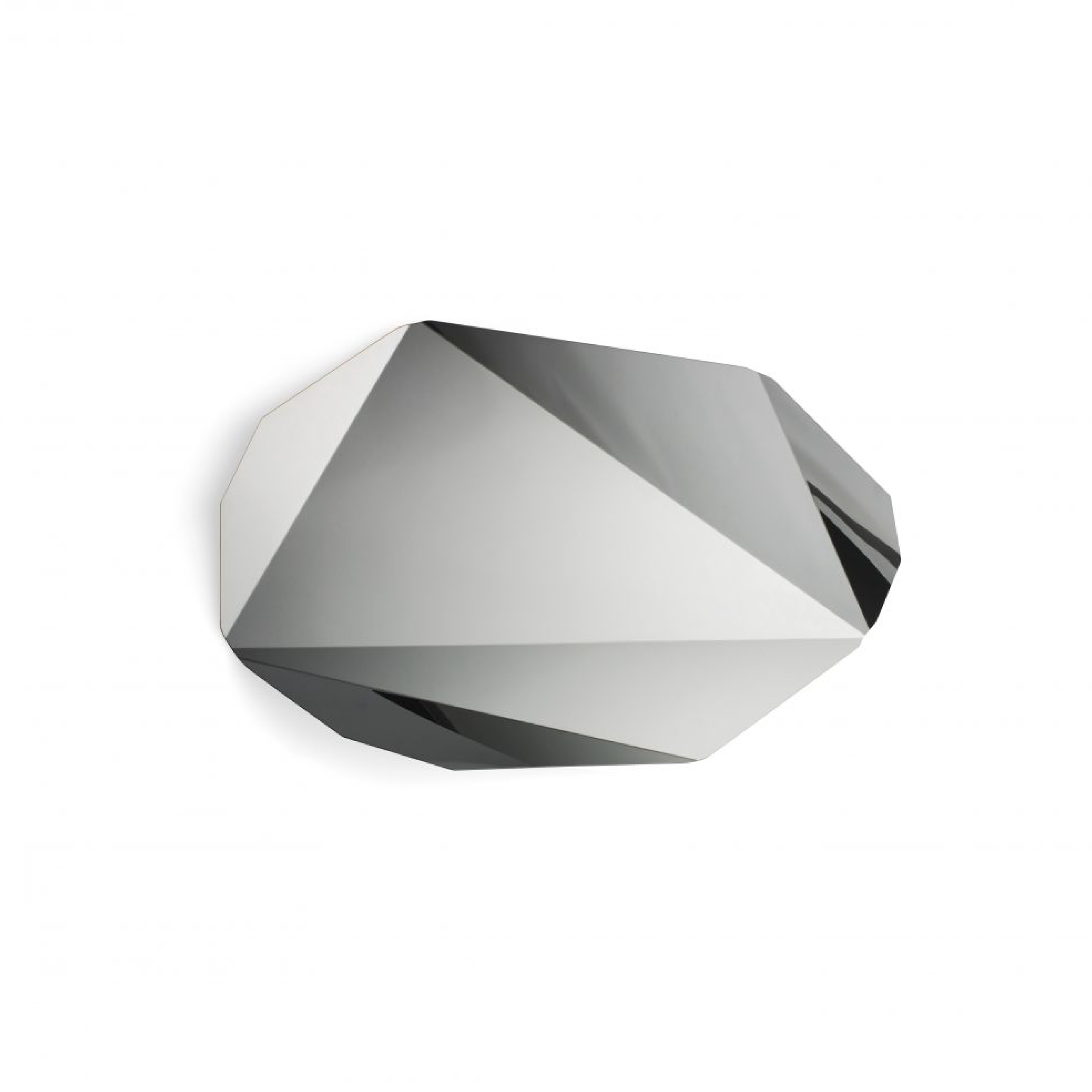
With Piega, French designer Victoria Wilmotte brings an object of unusual crystalline elegance and astonishing geometry to living environments. The mirror-polished stainless steel makes the surface of the object look like transparent mirrored surfaces. The bends and folds that gave Piega its name create a fascinating play with the refraction of light and color reflections in any room. With its three-dimensional structure, Piega thus becomes a vivid object.
Decorative design object. High-gloss polished stainless steel. For horizontal or vertical use.
Dimensions
S - W. 80cm (31 1/2”) D. 10cm (3 15/16”) H. 48cm (18 57/64”)
M - W. 100cm (39 3/8”) D. 12cm (4 3/4”) H. 62cm (24 3/8”)
L - W. 145cm (57 1/16”) D. 15cm (5 29/32”) H. 75 (29 17/32”)

DESIGNEr
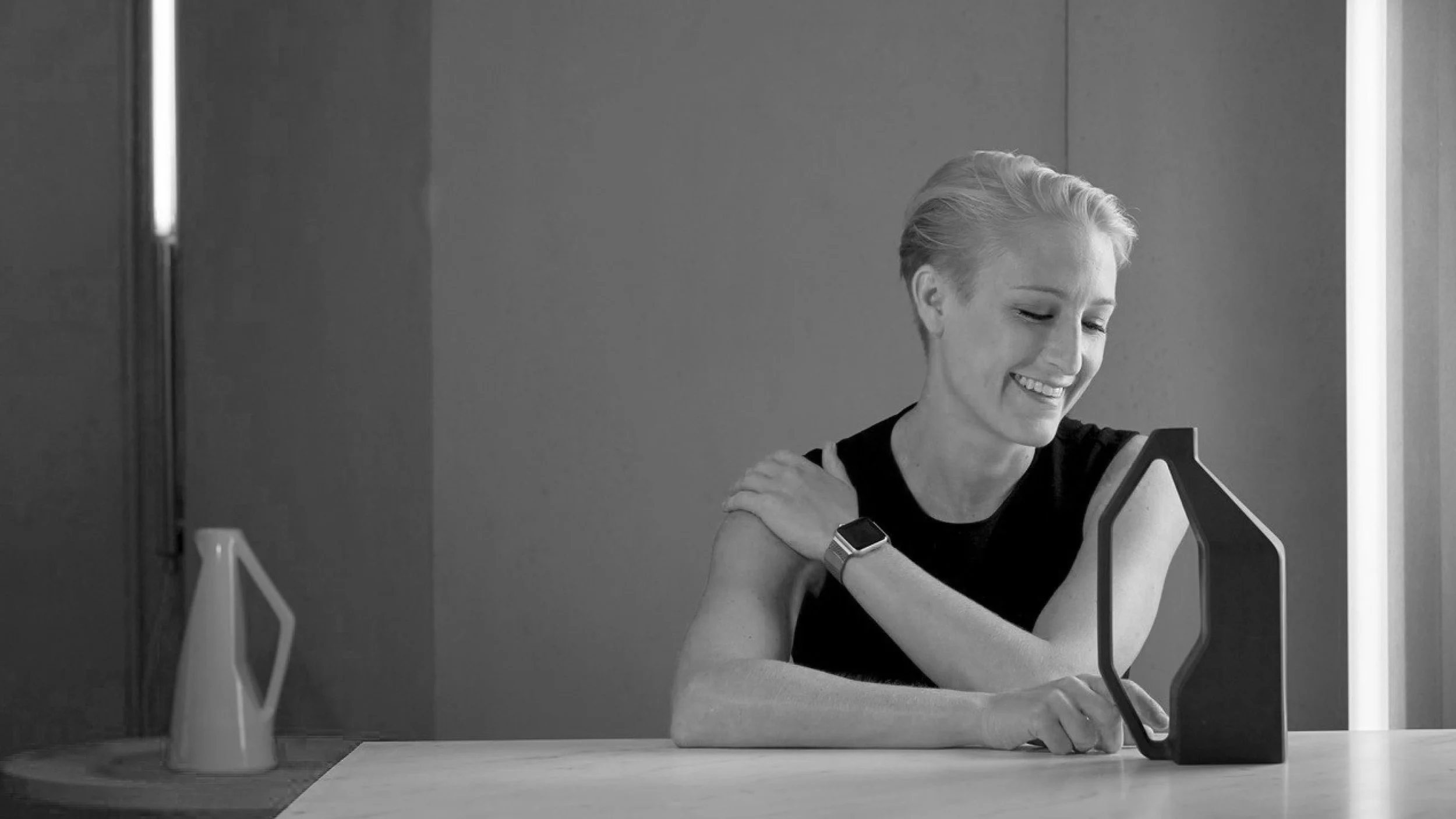
Victoria Wilmotte
Victoria Wilmotte
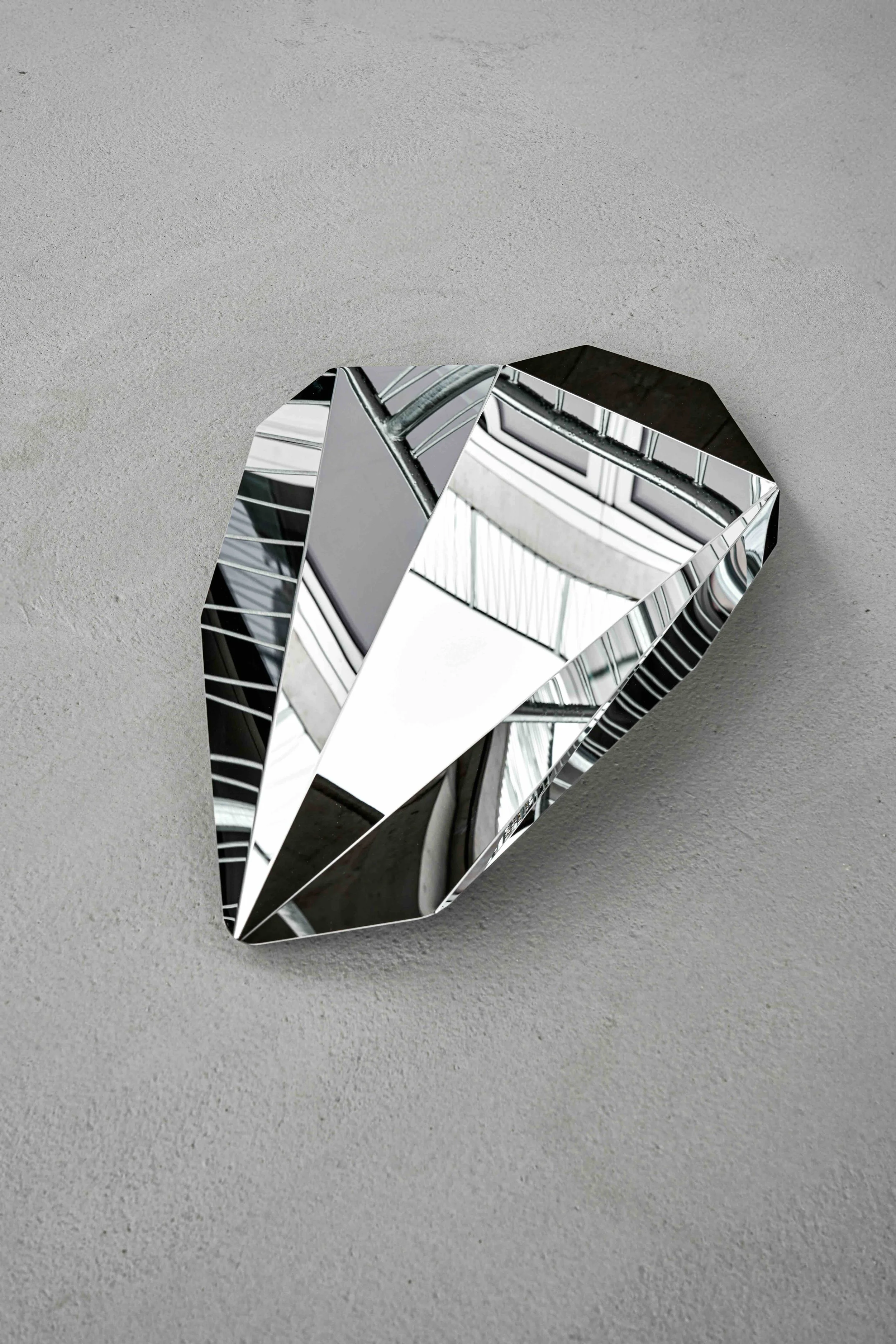
Piega Mirror
Victoria Wilmotte was born 1985 in Paris, where she studied interior design. She later earned her master’s degree in product design at the Royal College of Art in London. After graduating, she returned to her home town of Paris in 2008 and opened her first design studio, where she created designs for the Tools Gallery in Paris and works for her first solo show in 2009 in the Brussels Gallery Pierre Bergé et Associés.
Wilmotte’s special design process can be compared to that of a sculptor: she weights volumes and empty spaces, removes the material until she finds a perfect angle or ideal curve, and polishes the surfaces to the point when they precisely achieve the structure, haptics and light refraction she seeks.
MANUFACTURER
CLASSICON
Good furniture is like a good friend: somebody we like to have around and who accompanies us through life, wherever it may take us. We have been producing this kind of furniture since 1990. At the time, ClassiCon emerged from the traditional Vereinigte Werkstätten in Munich.
The licenses for the designs by famous designers of classic modernism, including Eileen Gray, Eckart Muthesius and Otto Blümel, formed the cornerstone for today’s collection. Soon, furniture by contemporary designers such as Sebastian Herkner, Neri & Hu, Konstantin Grcic and Jader Almeida followed. From the beginning, ClassiCon intentionally created a suspenseful relationship between classics and contemporary design. Owner Oliver Holy has had a lasting impact on the family-run company with his passion for design, architecture and art for almost 20 years now. Since mid-2024, he and CEO Timotheus Günak have been jointly managing ClassiCon.
Design, function and quality at the highest level plus a good amount of emotion – this is our vision: furniture design that convinces and accompanies people through their lives, something reliable and beautiful that is used and appreciated and, in the best case, passed down.
How much spirit of departure does a piece of furniture contain? At ClassiCon, you will only find innovative furniture that expresses the courage to depart from familiar ground. Some of the pieces carry big names, and each can look back on a proud design history, sometimes over several decades or even an entire century. Others, however, are only at the beginning of writing their own big stories.
We consider it our task to accompany and enable a multitude of such stories – now and in the future. For this purpose, we are continuously expanding our partner network and engage in intensive dialogs with international designers, often young and unknown.
Local craft businesses that bring design ideas to life through their skills and expertise play an equally important role for us. Through our production methods, we aim to bring this craftsmanship and wealth of experience to light and secure it for the future.
Designs from the ClassiCon collection can be found in museum collections around the world. Rare and precious originals by Eileen Gray, for example, are owned by the Victoria and Albert Museum in London, the National Museum of Ireland and the Museum of Modern Art in New York. In the meantime, designs by our contemporary designers have found a place in collections: classics of the future are exhibited or archived in various contexts. They represent formal innovation, originality and quality. With each selection, we are delighted about the success of the designers and the confirmation of our work.
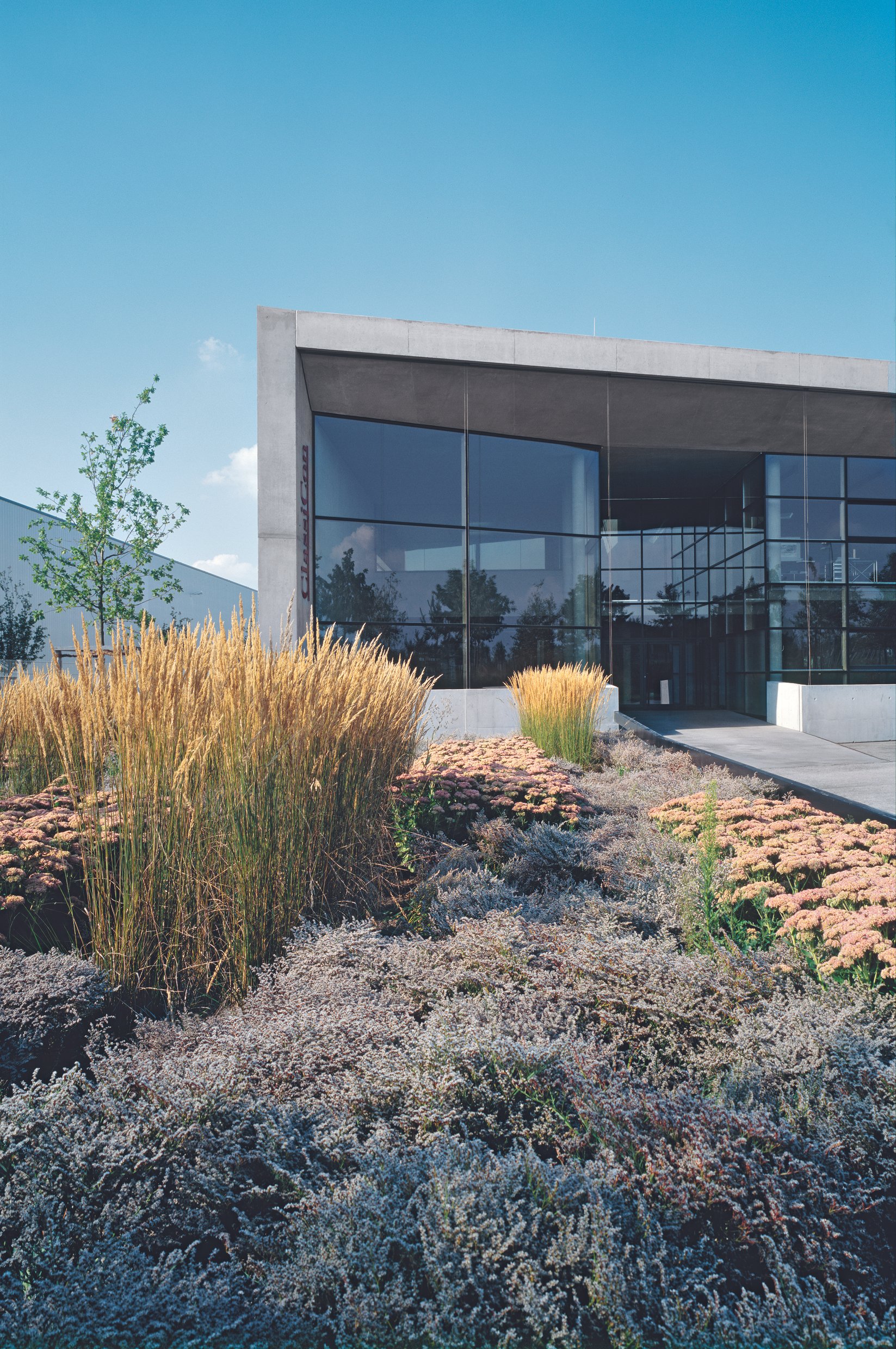
Classicon Headquarters