
 Image 1 of 20
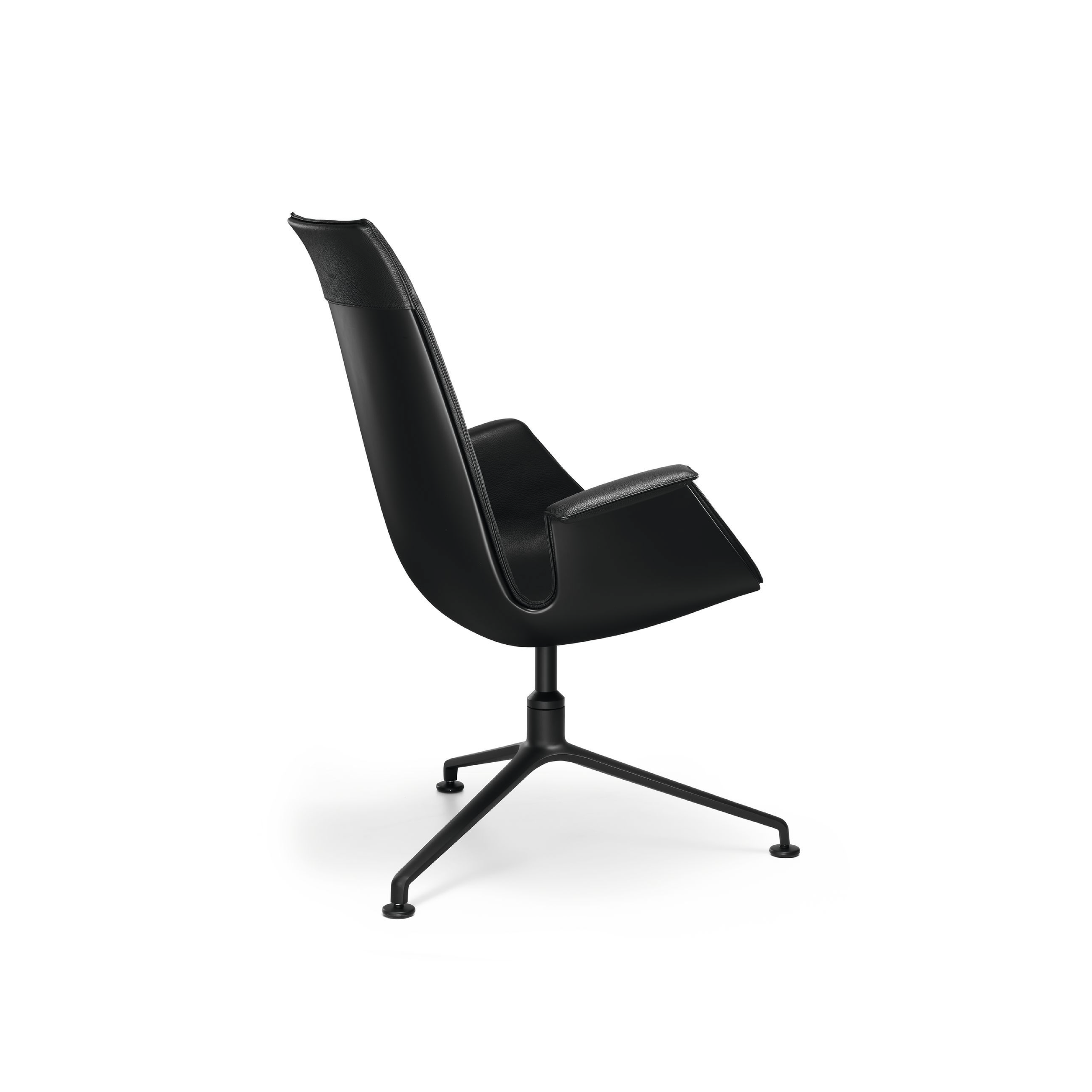 Image 2 of 20
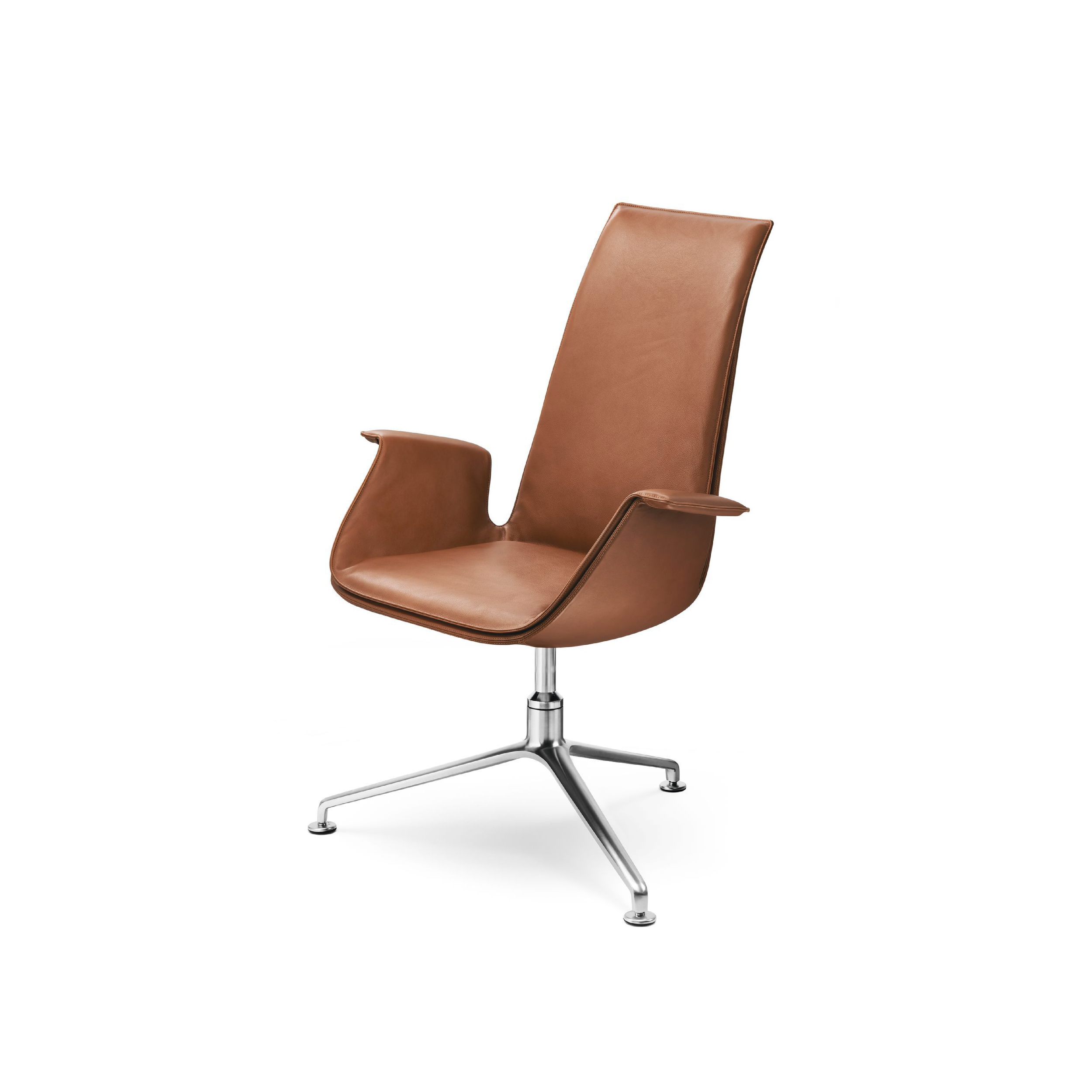 Image 3 of 20
 Image 4 of 20
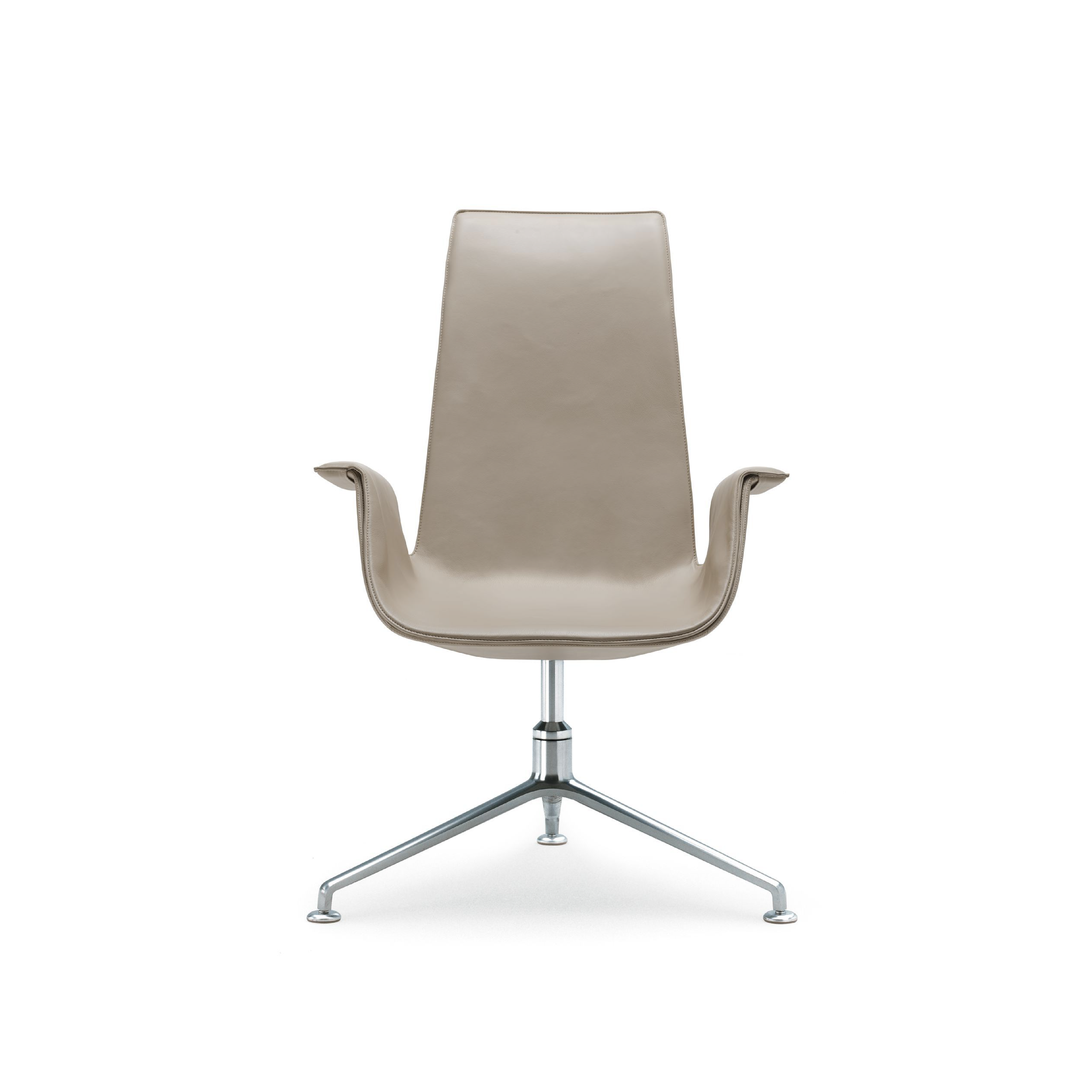 Image 5 of 20
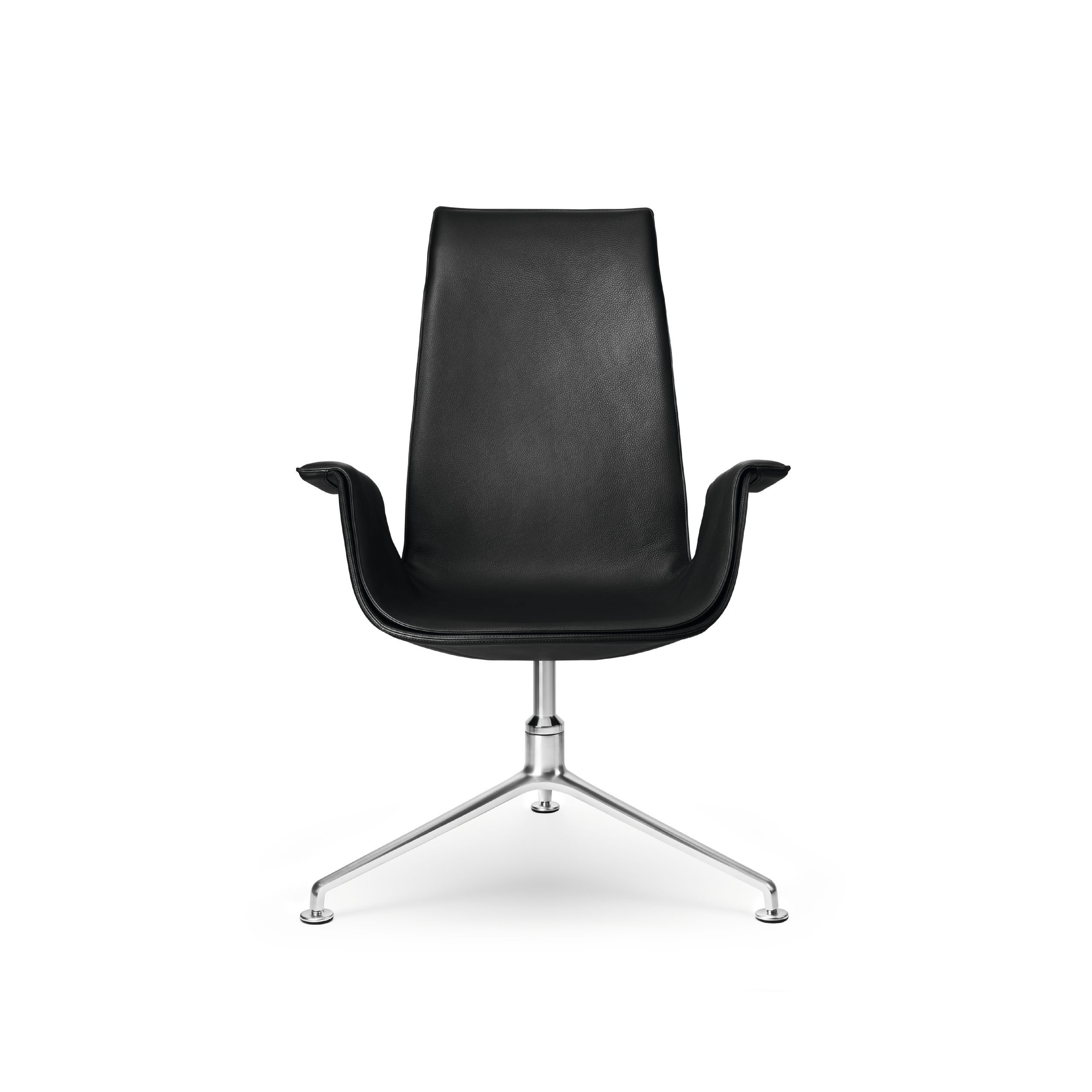 Image 6 of 20
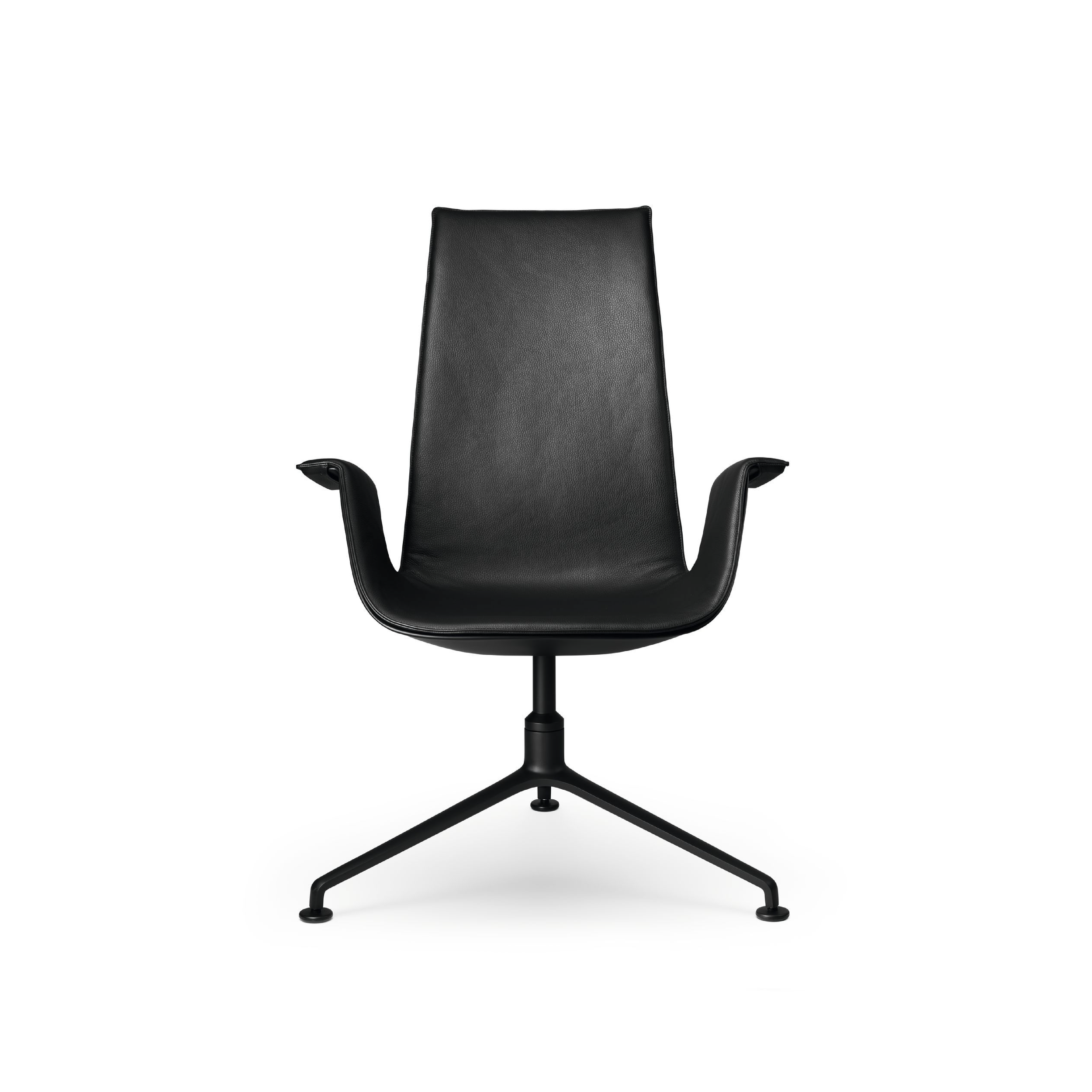 Image 7 of 20
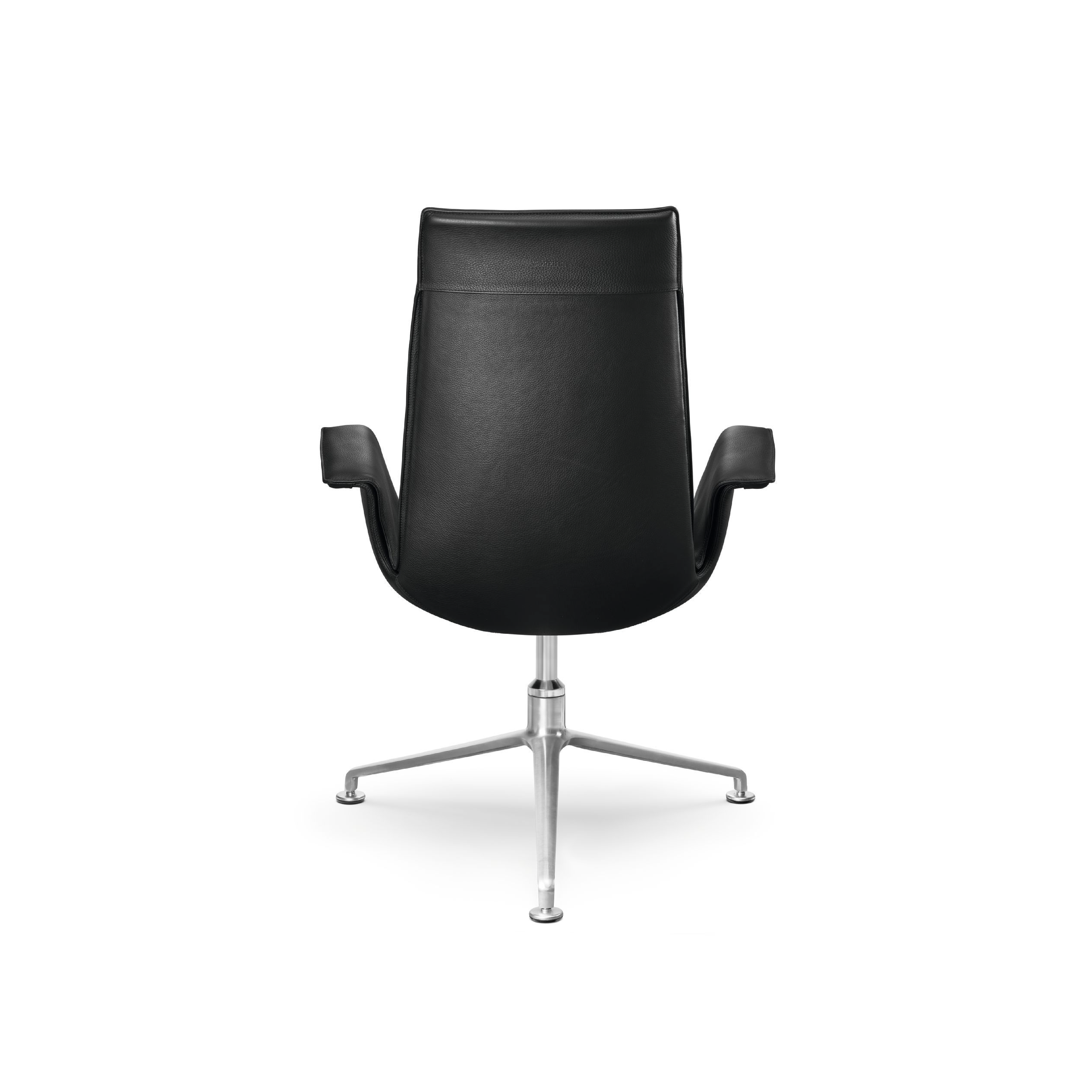 Image 8 of 20
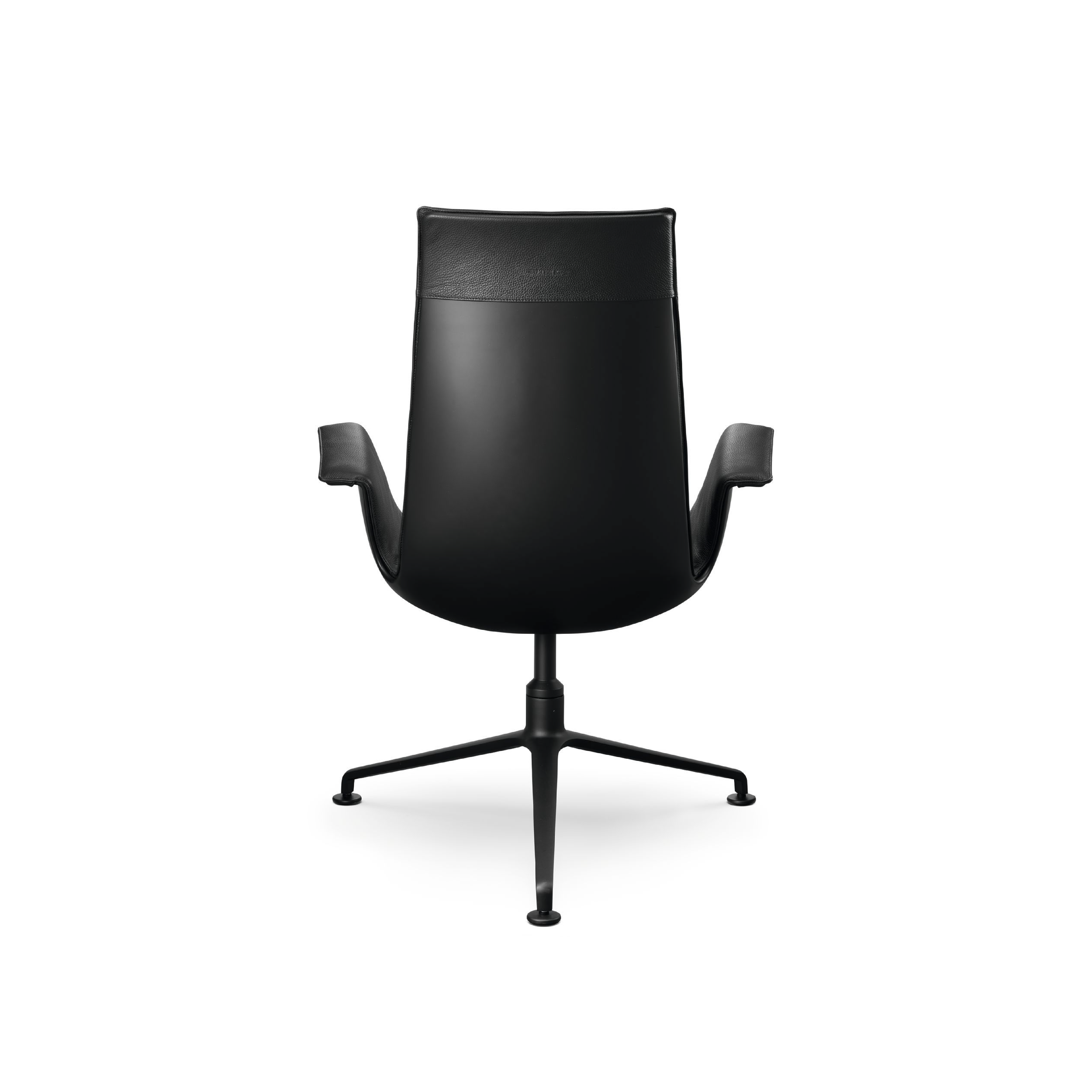 Image 9 of 20
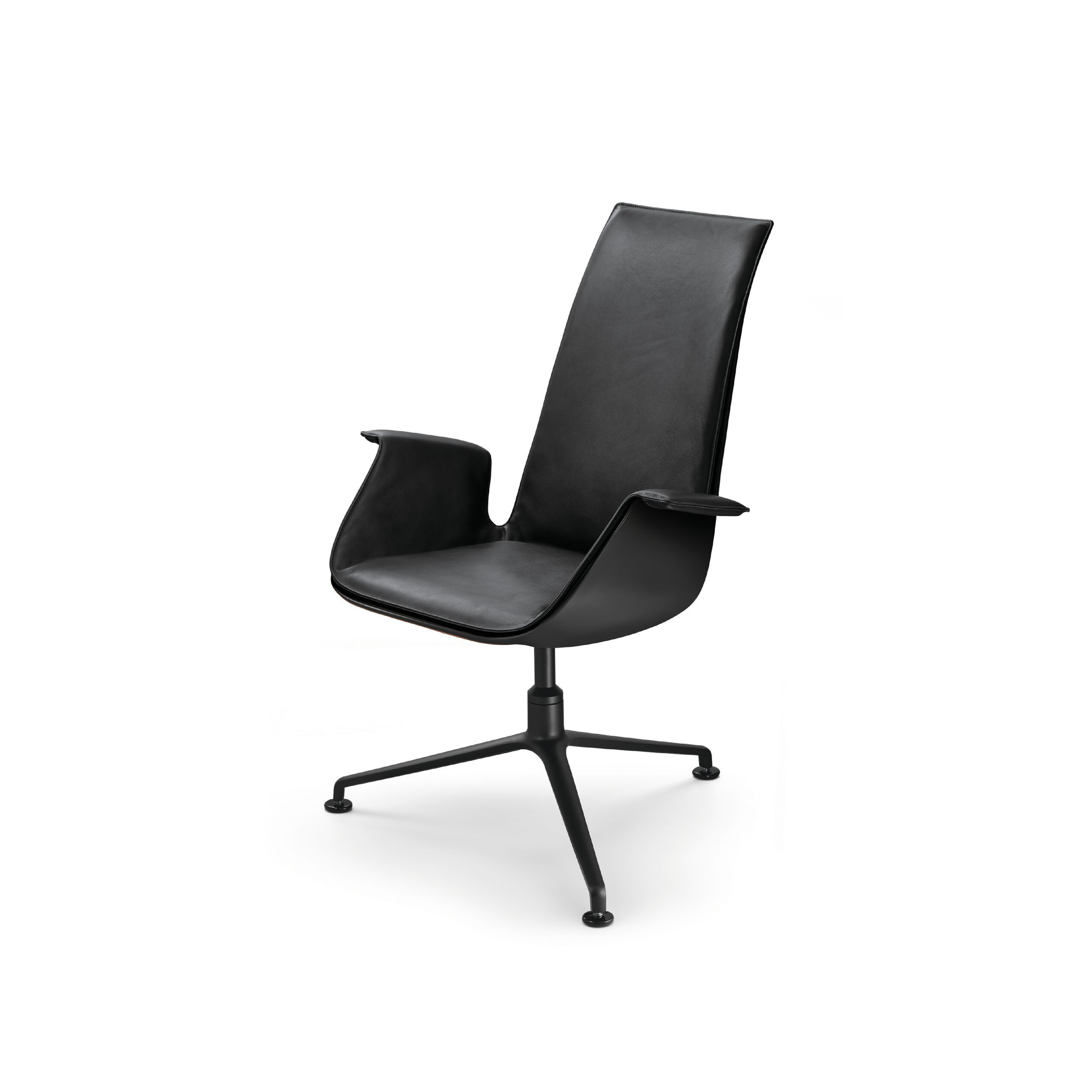 Image 10 of 20
 Image 11 of 20
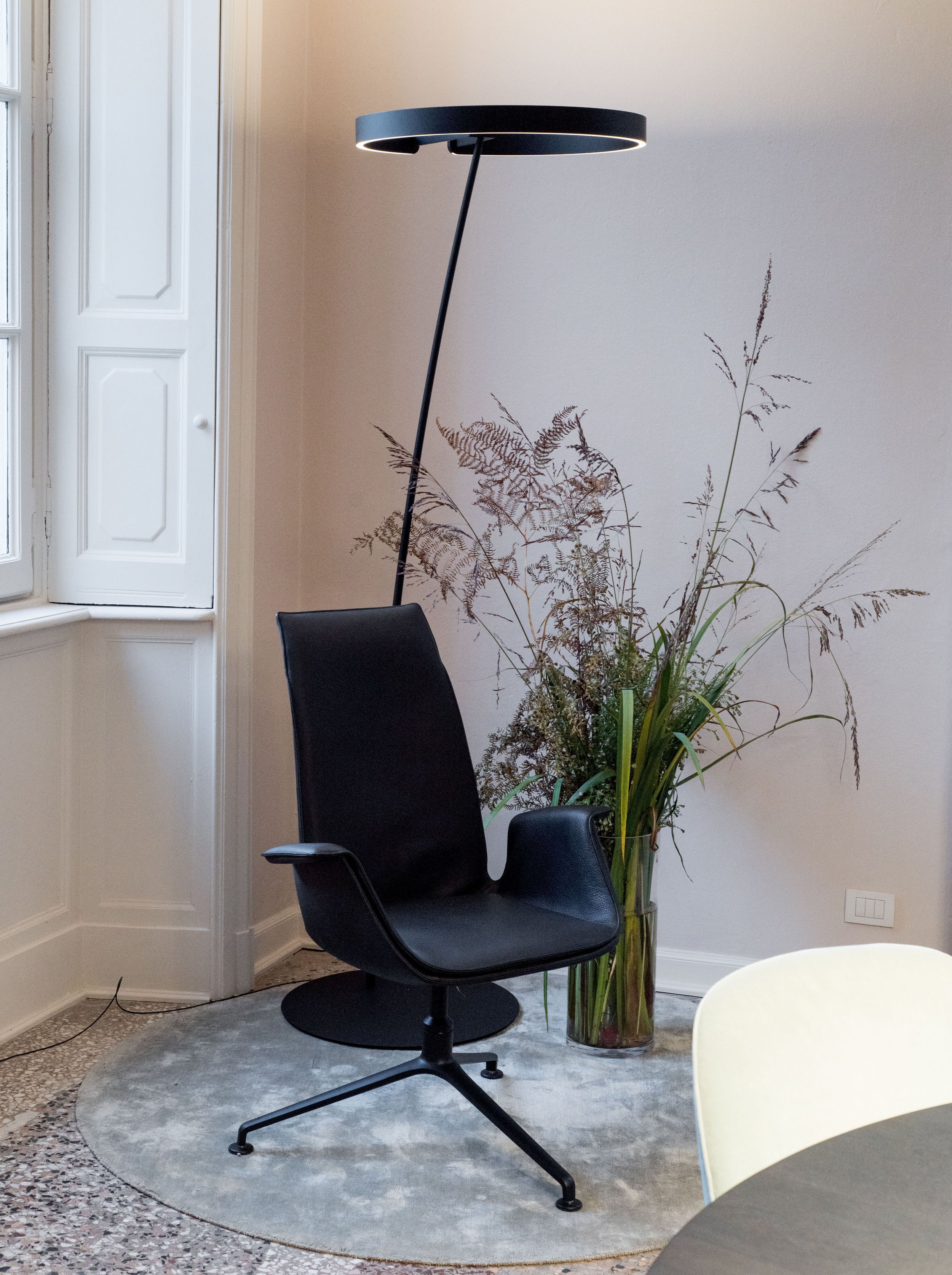 Image 12 of 20
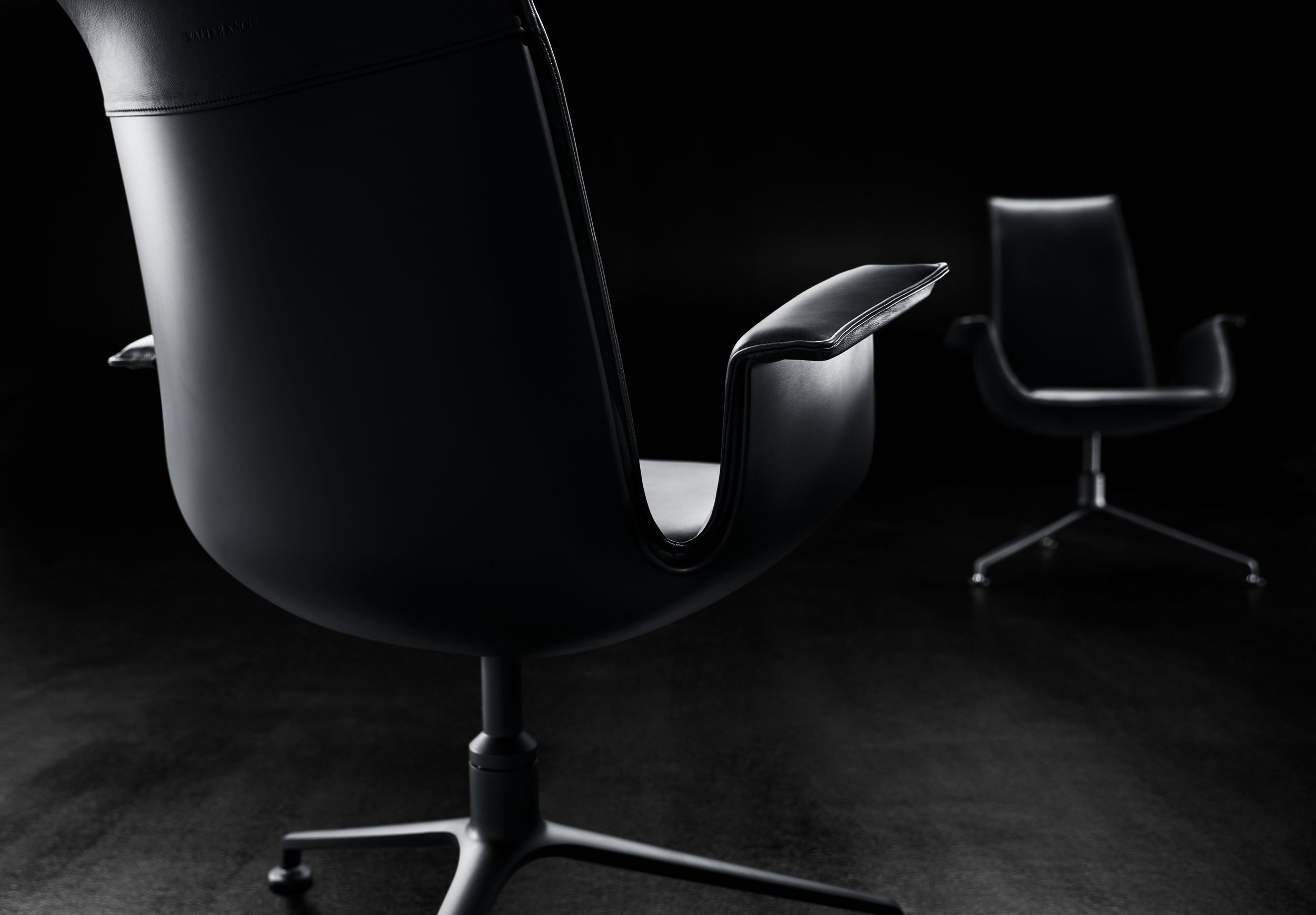 Image 13 of 20
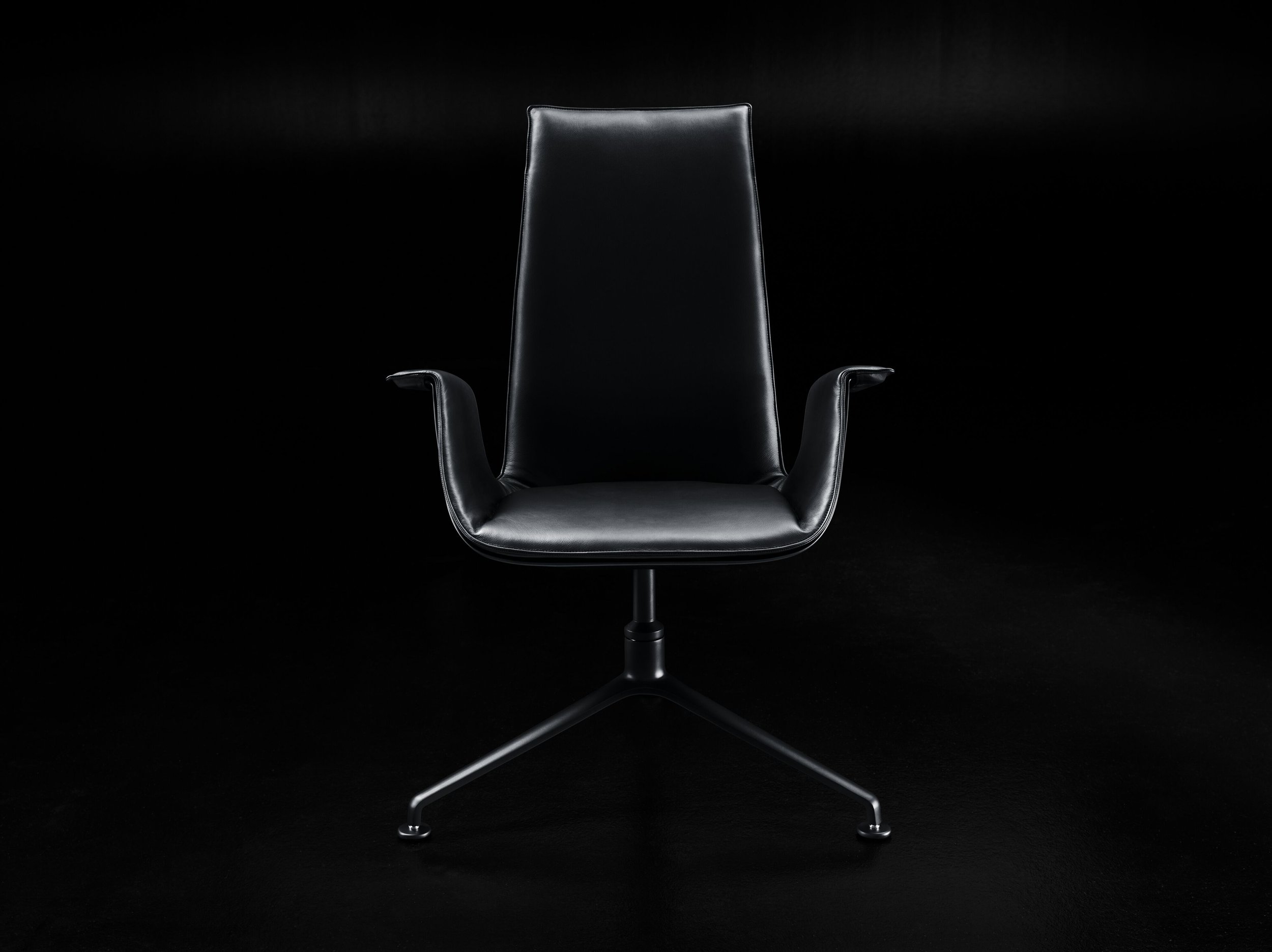 Image 14 of 20
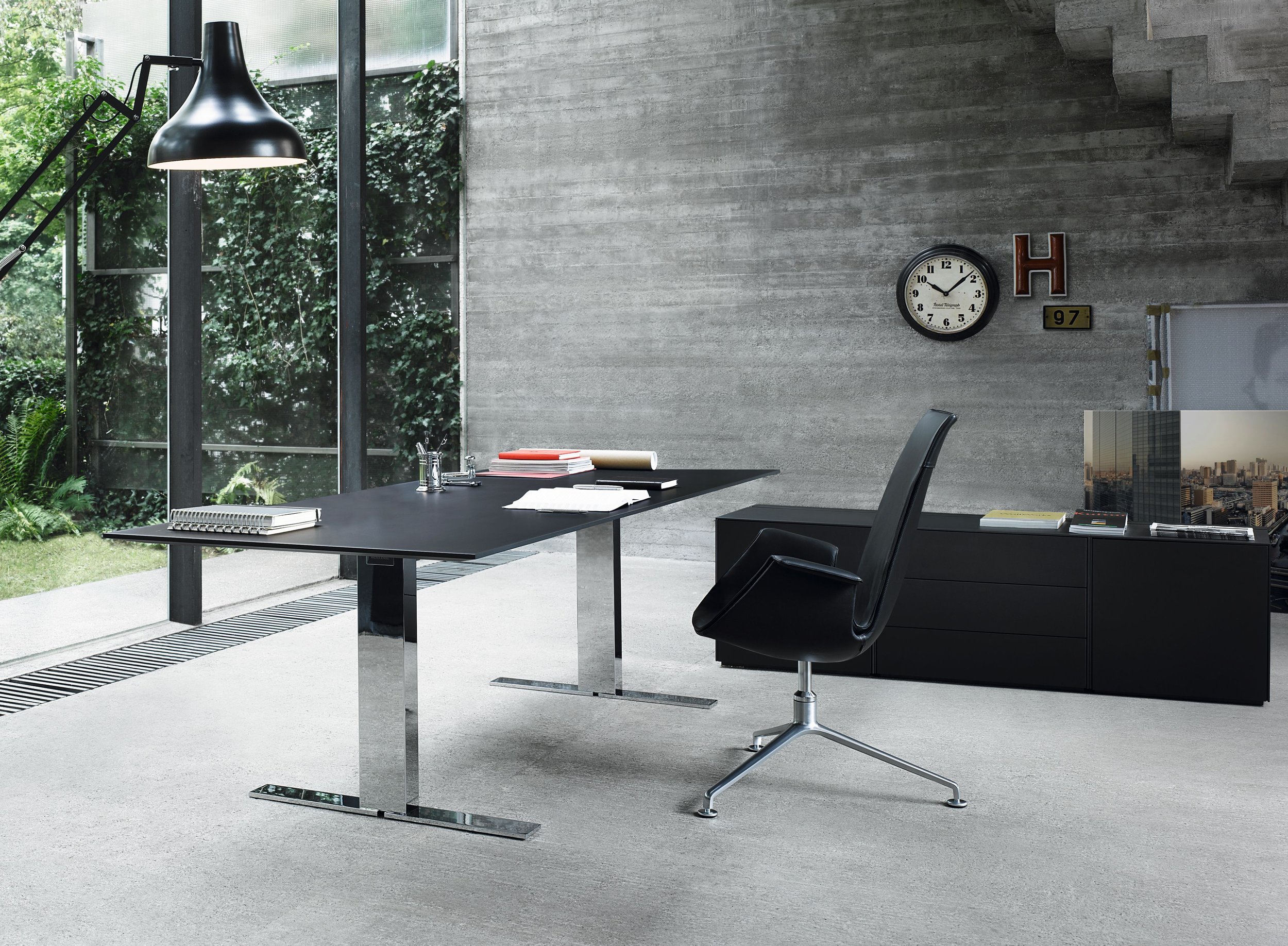 Image 15 of 20
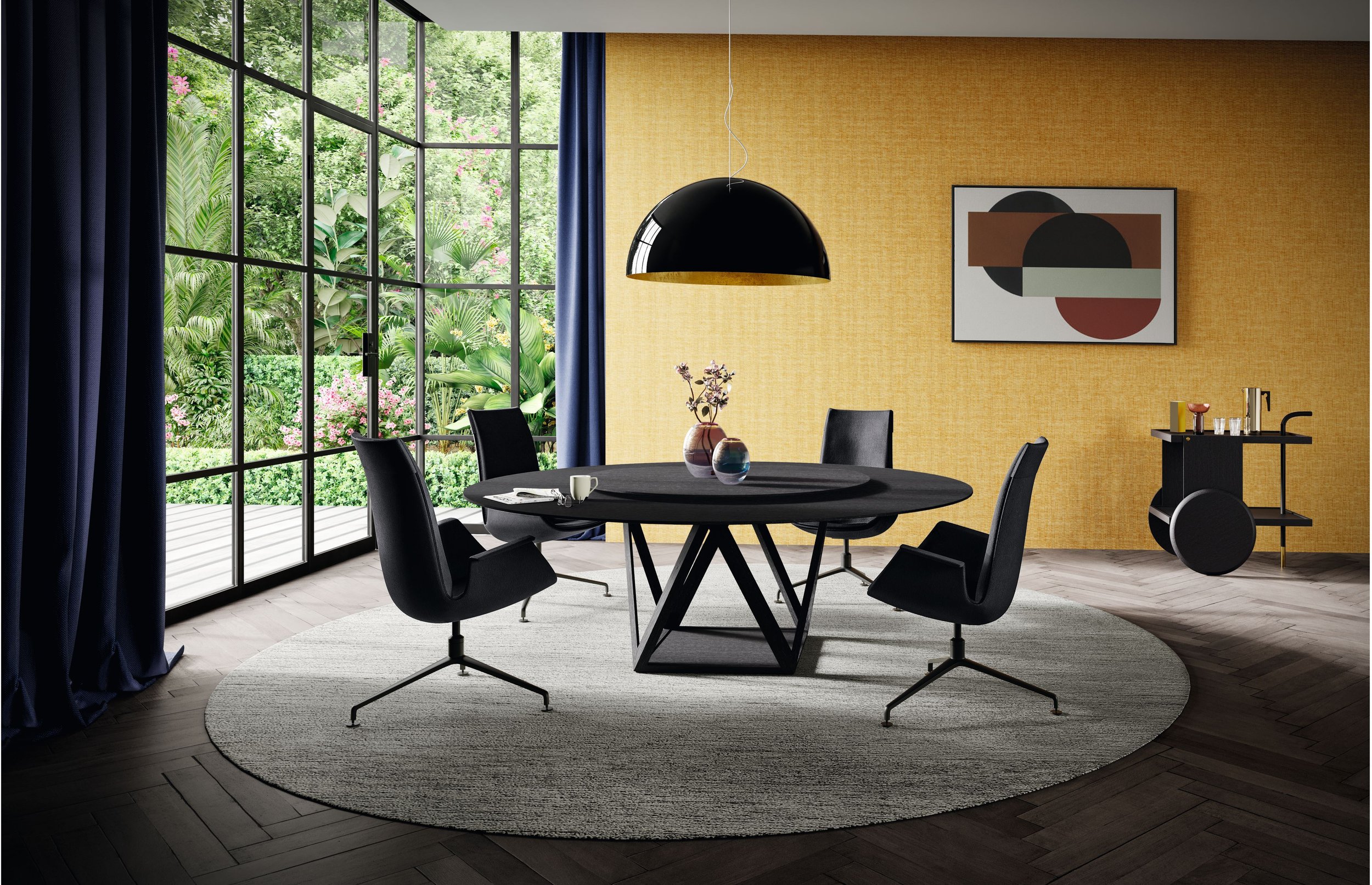 Image 16 of 20
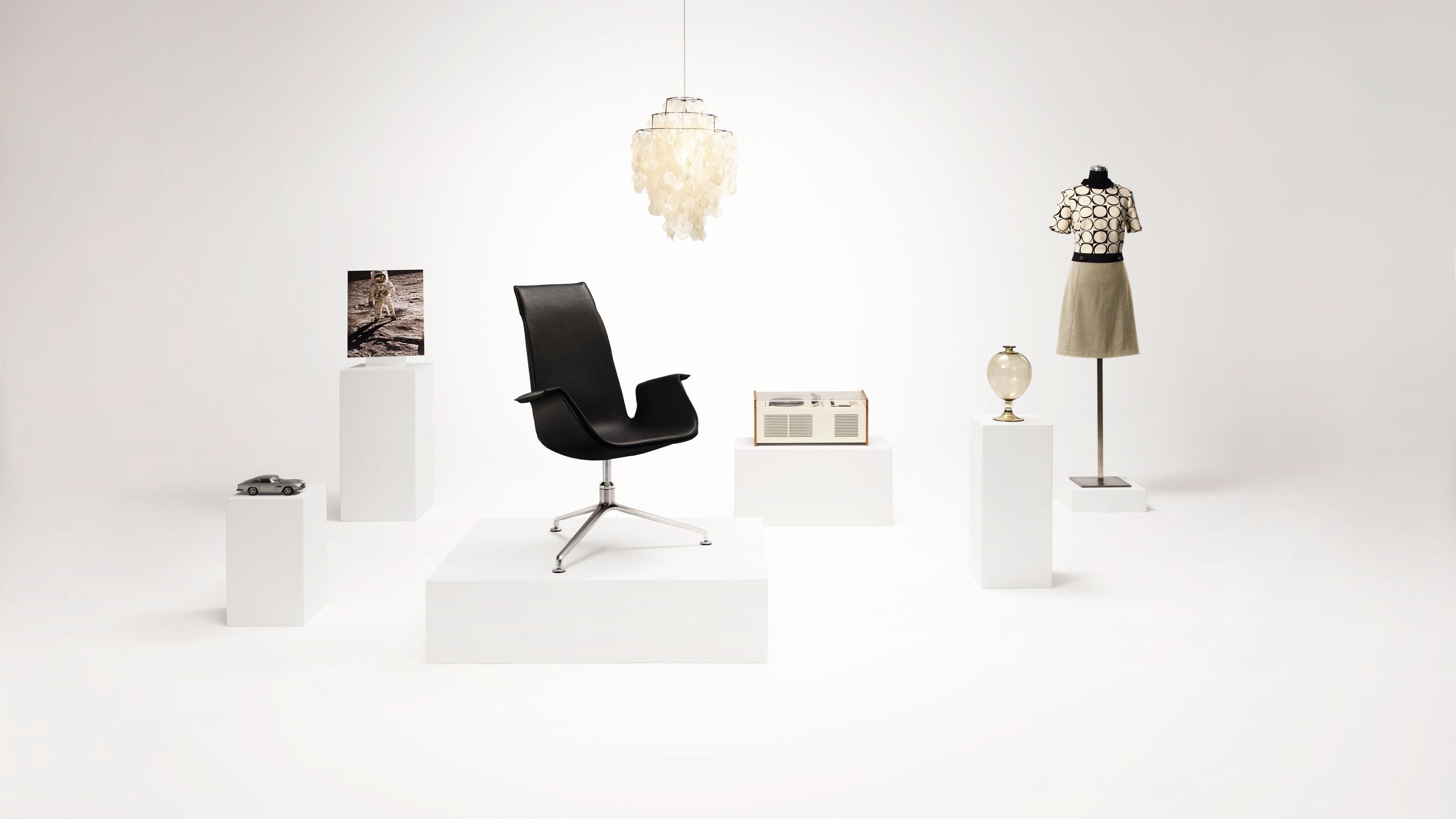 Image 17 of 20
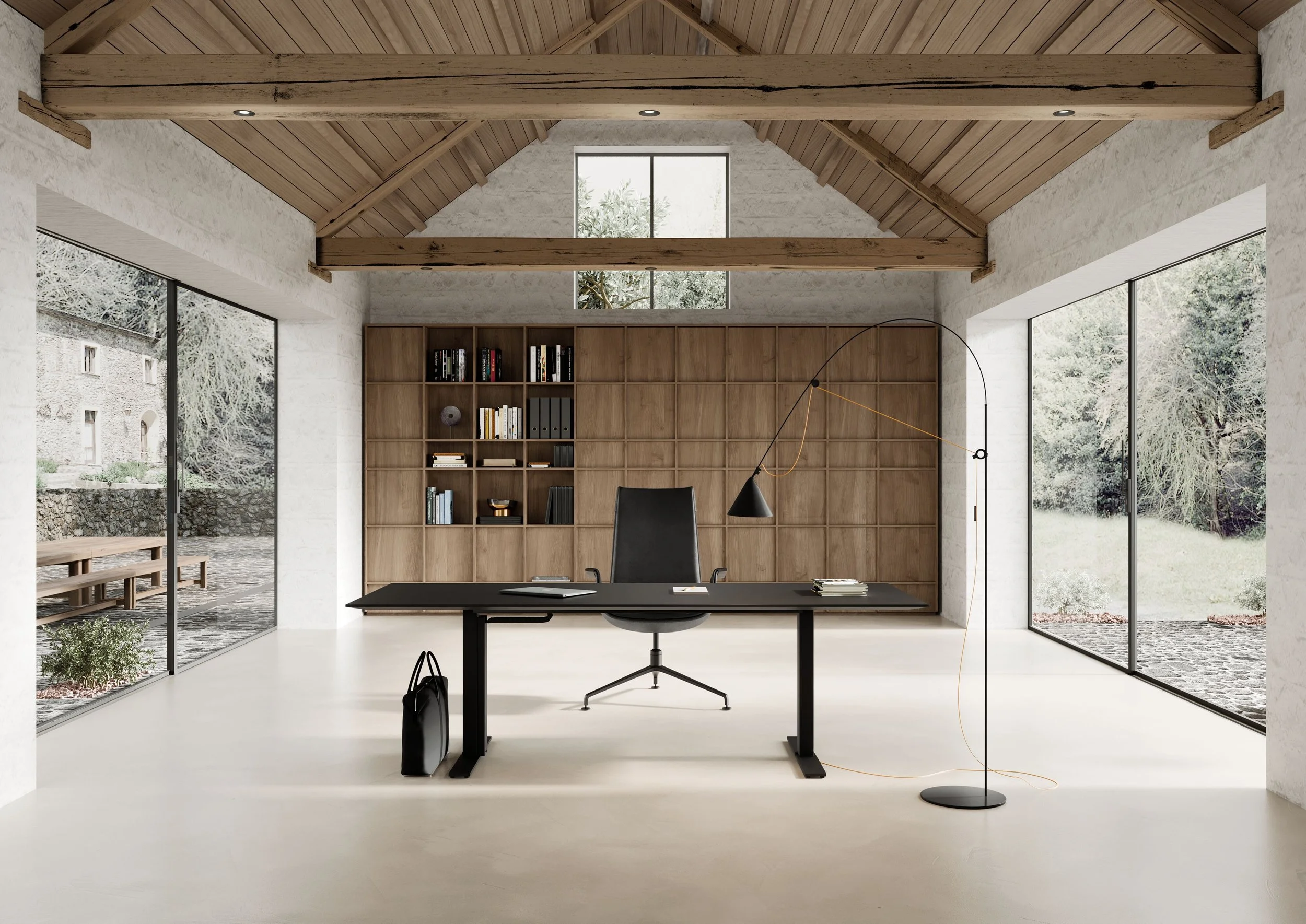 Image 18 of 20
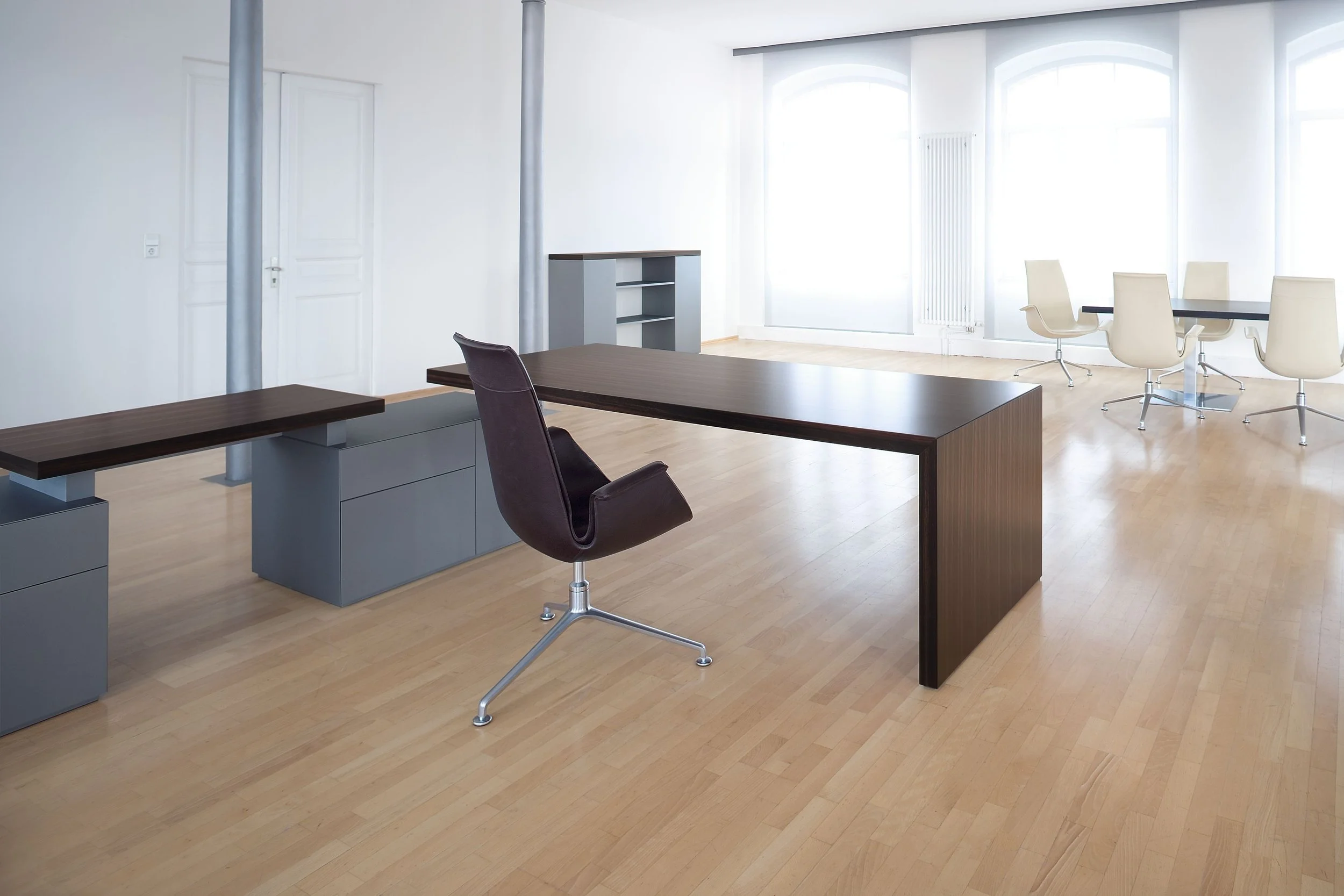 Image 19 of 20
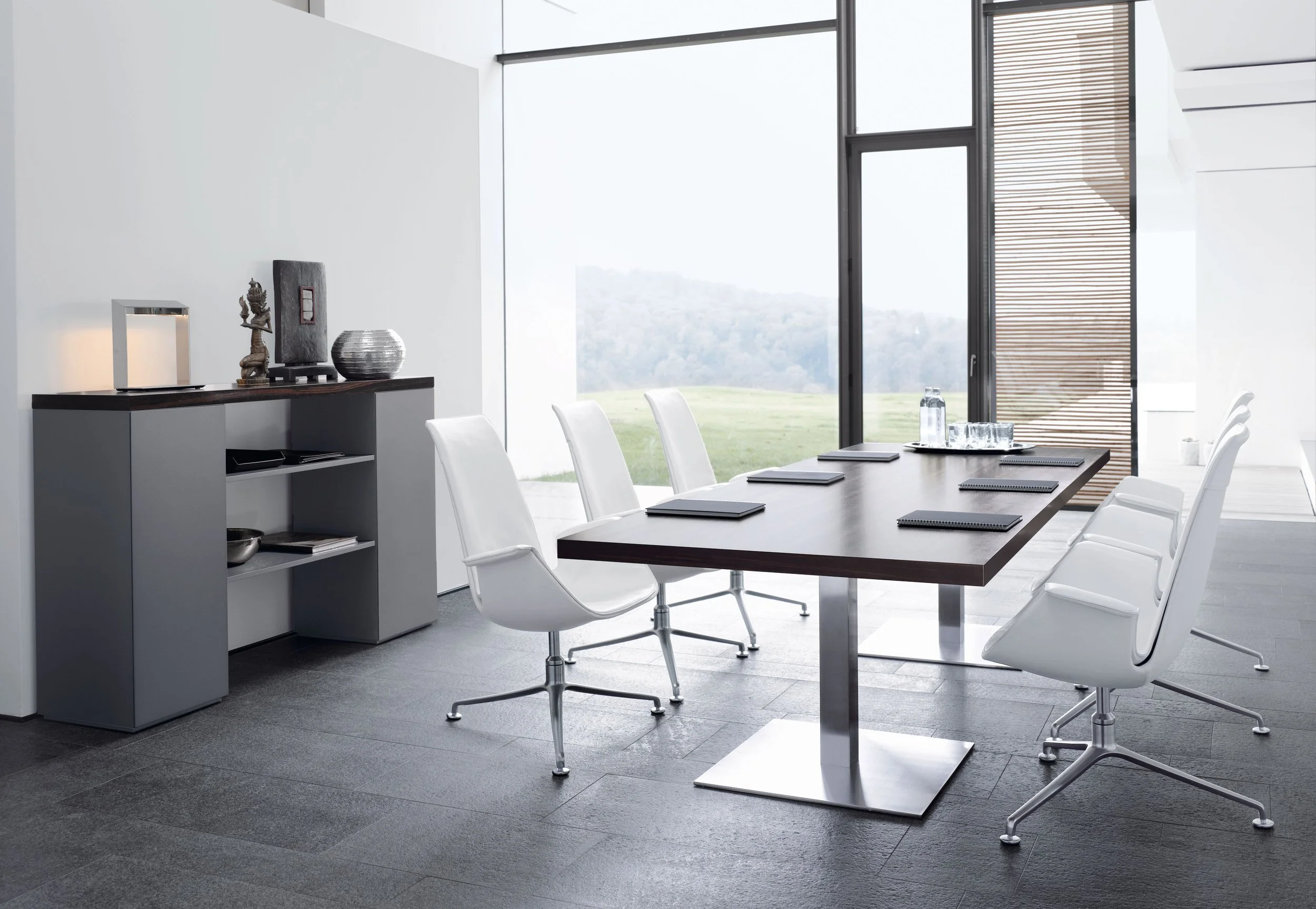 Image 20 of 20
FK Chair
RADIATES A TIMELESS POWER
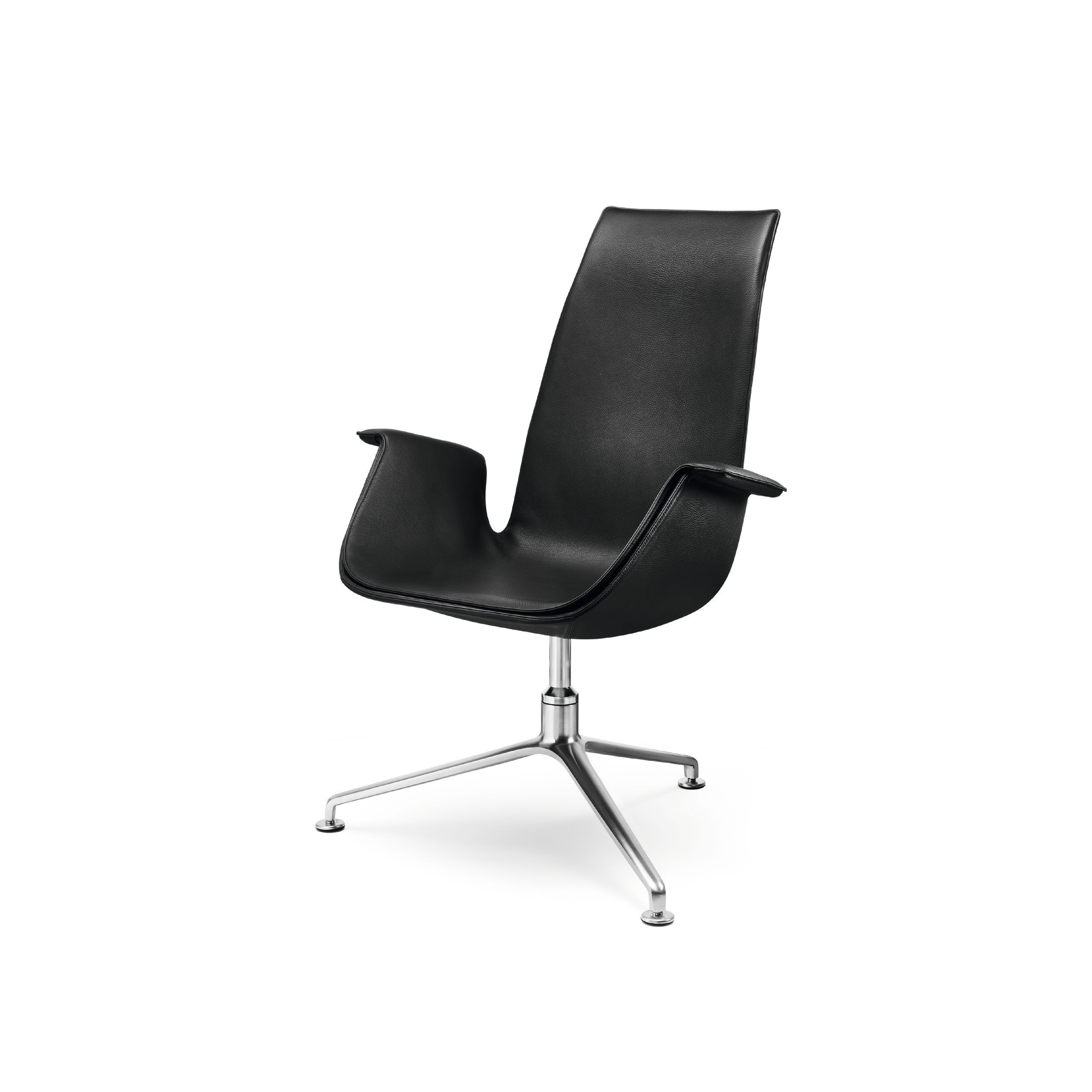
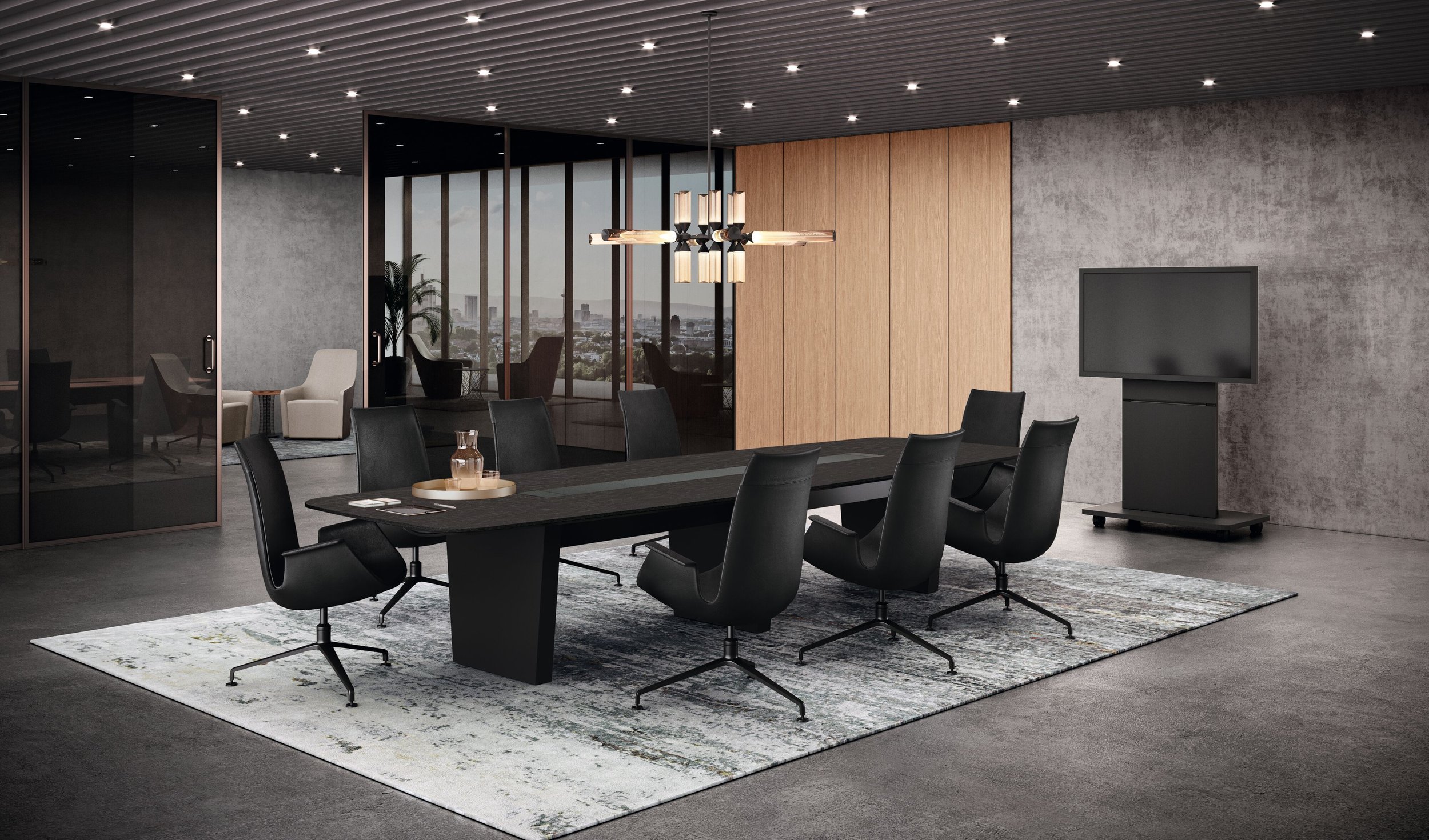
A signpost of minimalism: emblematic of a new design language, this shell chair became a symbol of modern design. The FK signaled an evolution of modernism. Every point of the FK is defined – to this day, it represents timelessly relevant design throughout the world.
The original FK design: clear contours, perfect lines – volume and lightness on a triple star base. The FK, developed by Fabricius and Kastholm, stands for timeless yet modern design. In the 1960s this shell chair pointed the way to a new stylistic idiom and became emblematic of modern design. In 1969 it was honored as the first recipient of the Federal Award for Good Form.
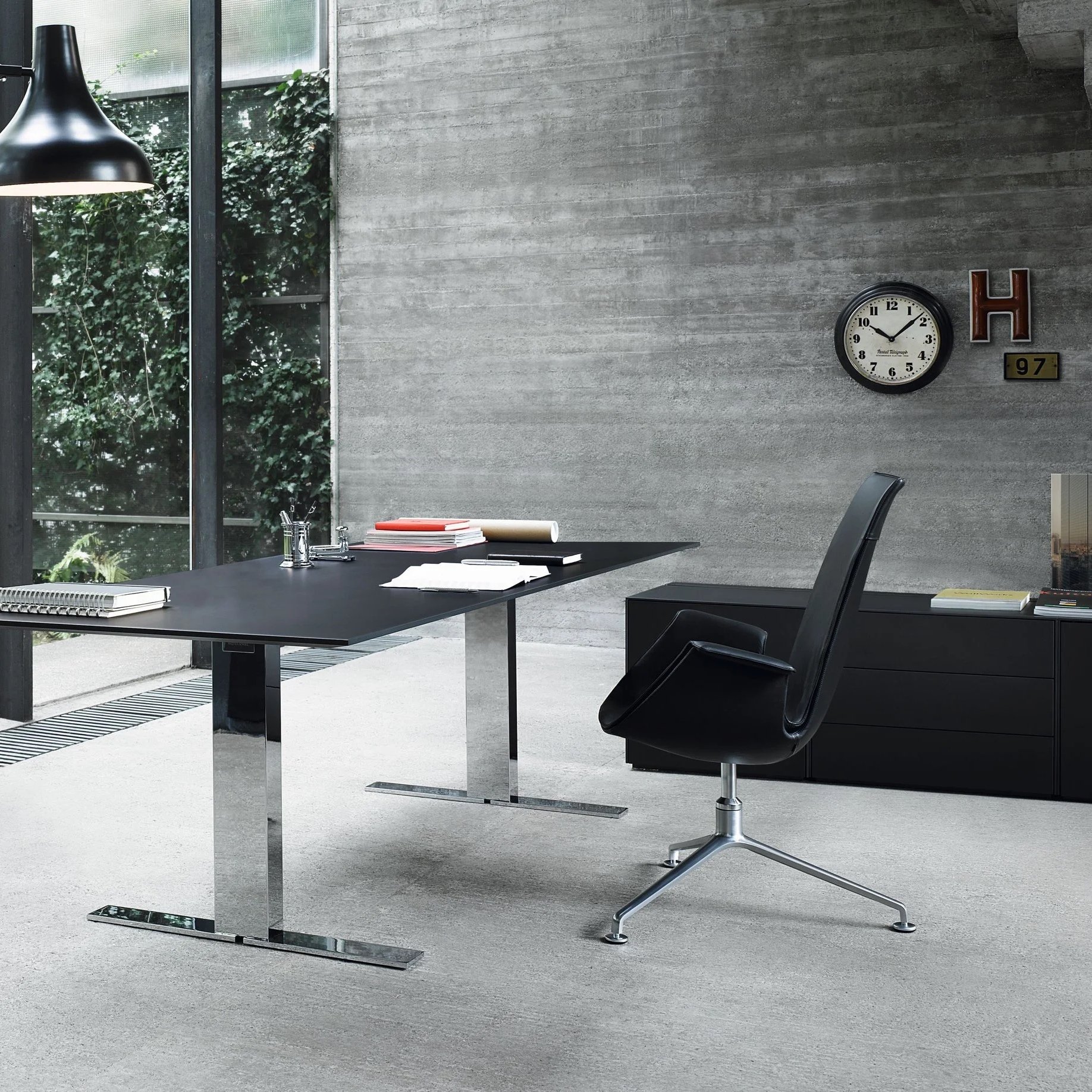
Bucket chair. Fully upholstered in leather. High-back with two arms. 3-star swivel base with glides.
Dimensions
W. 70cm (27 1/2") D. 72cm (28 1/4") H. 104 (41 26 1/2"))
MATERIALS
Leather




BASE

-
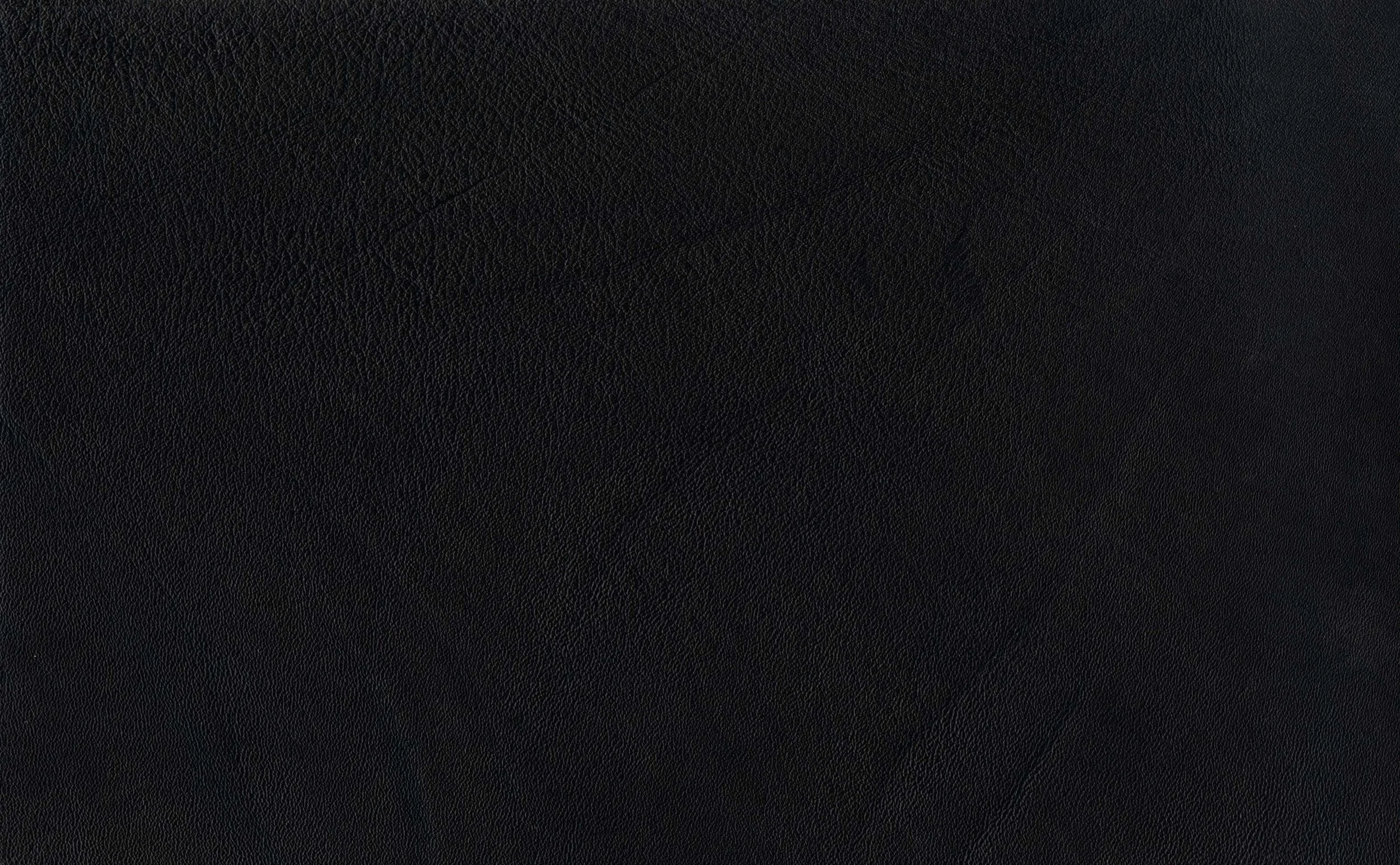
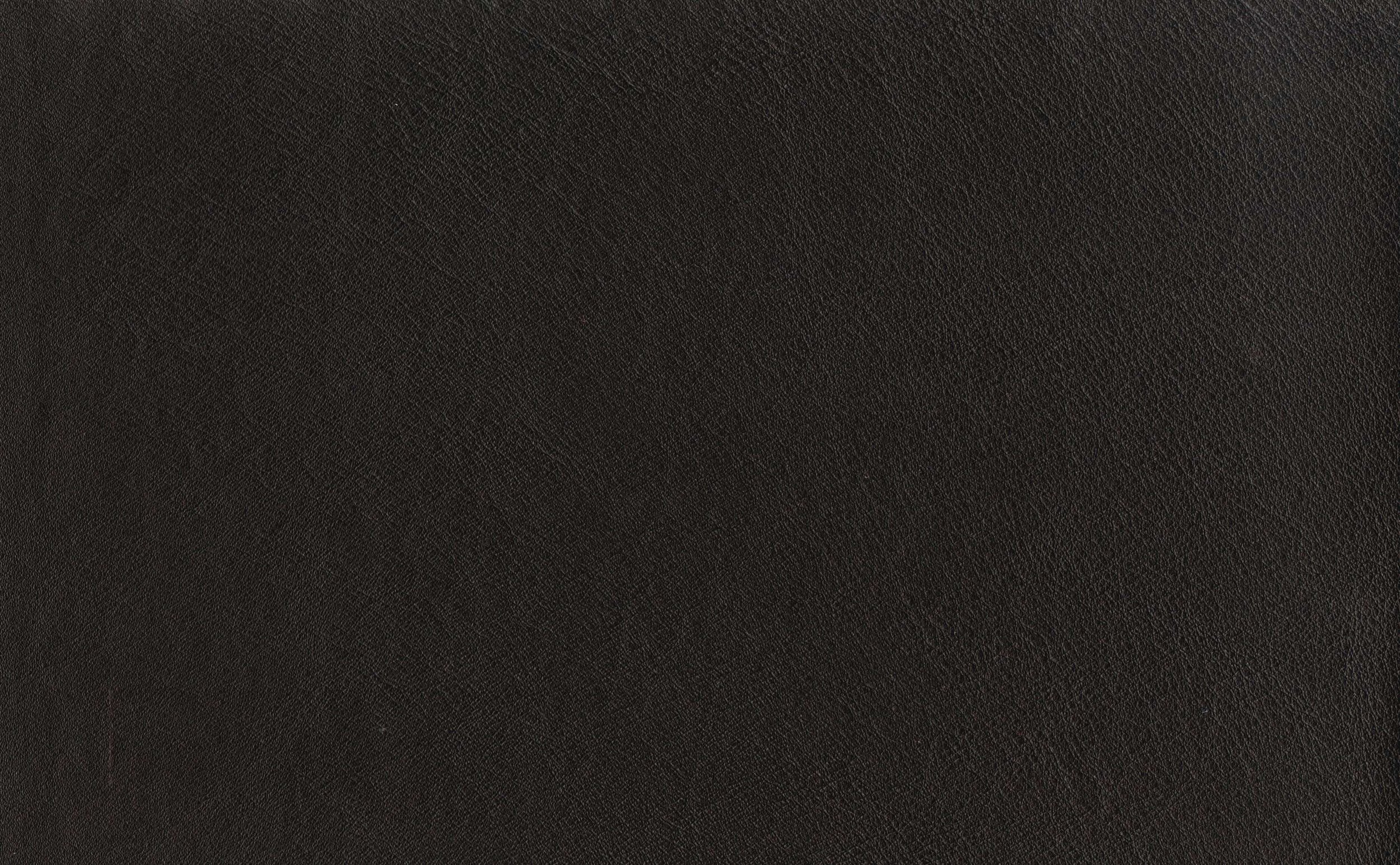
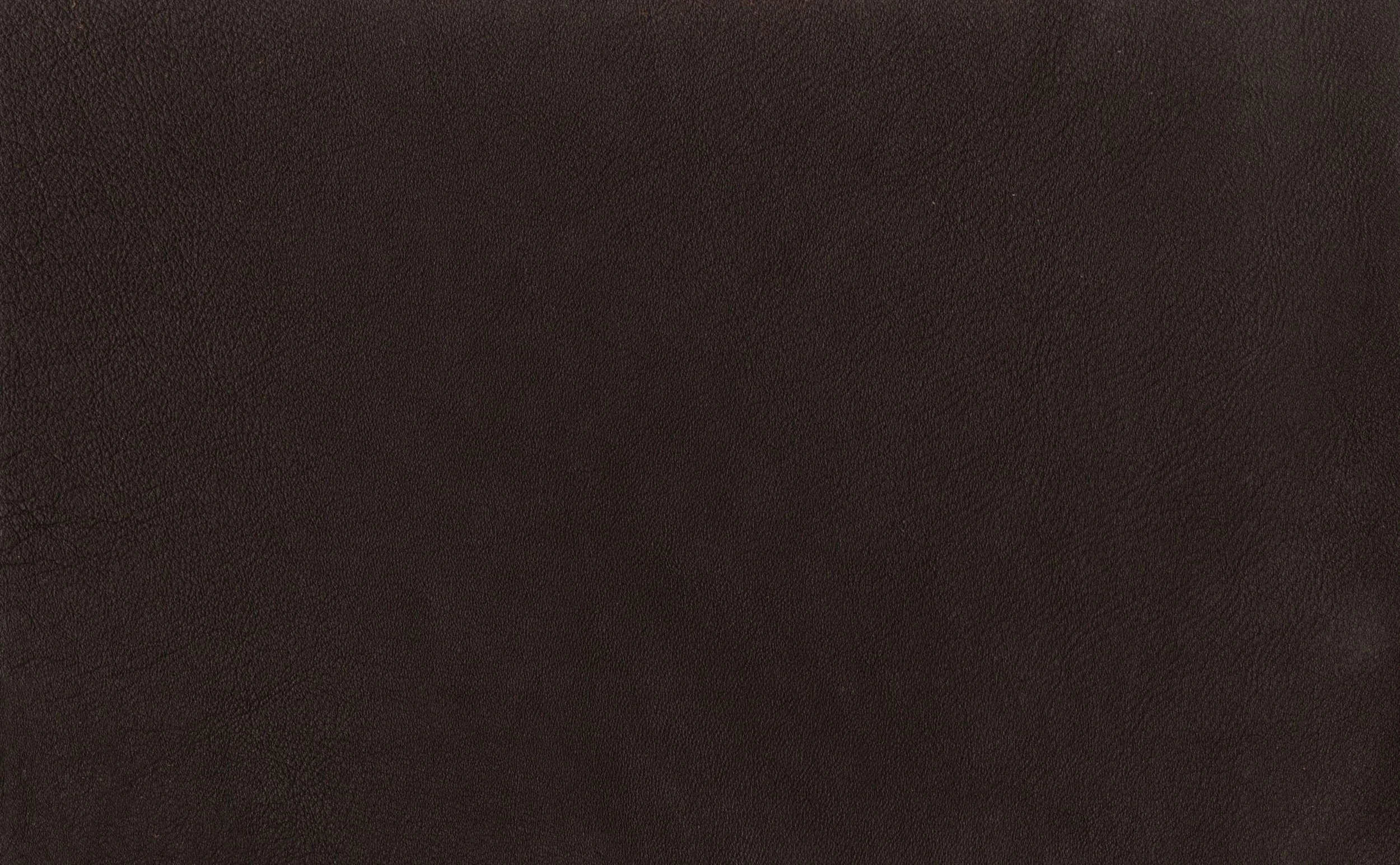
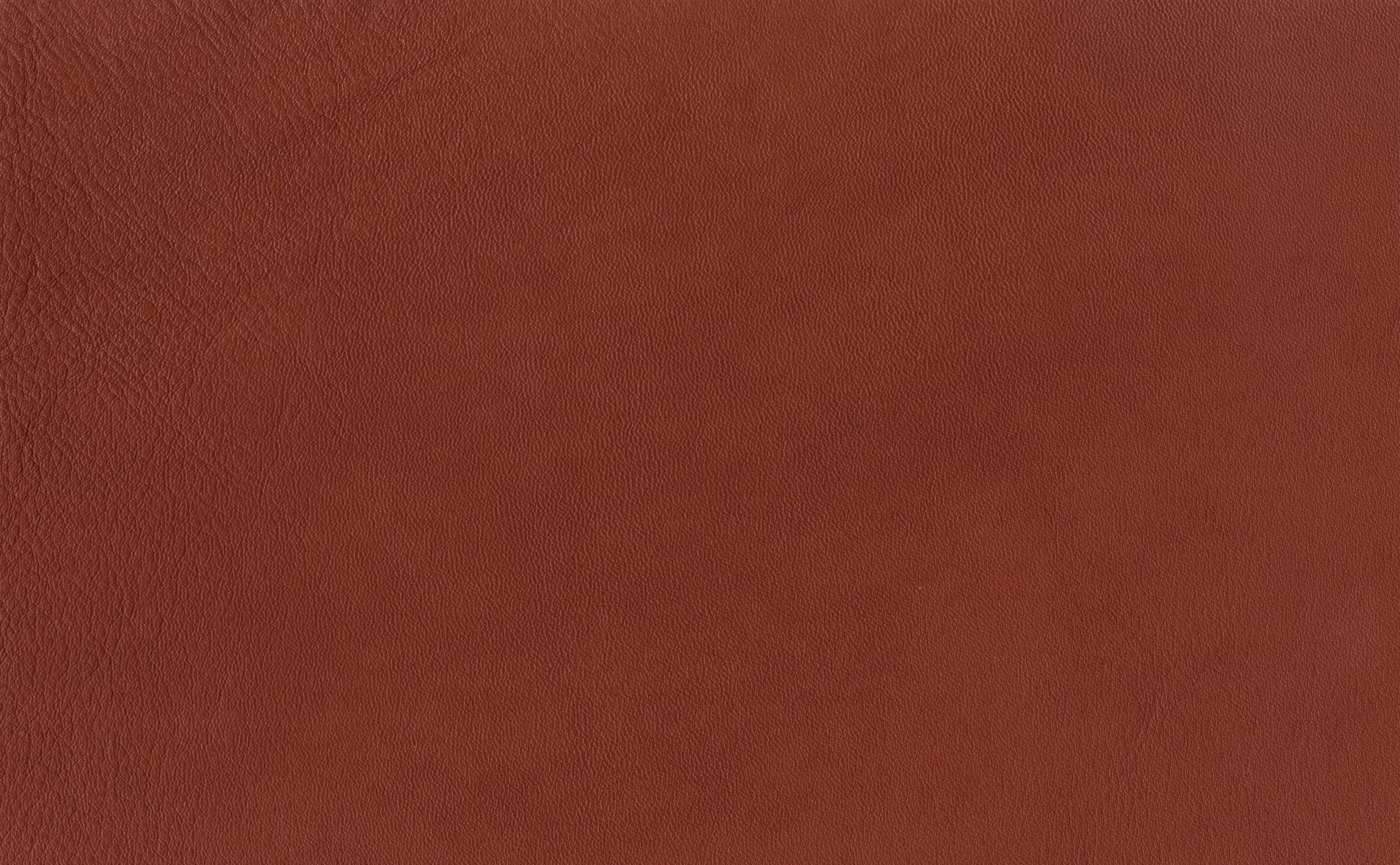
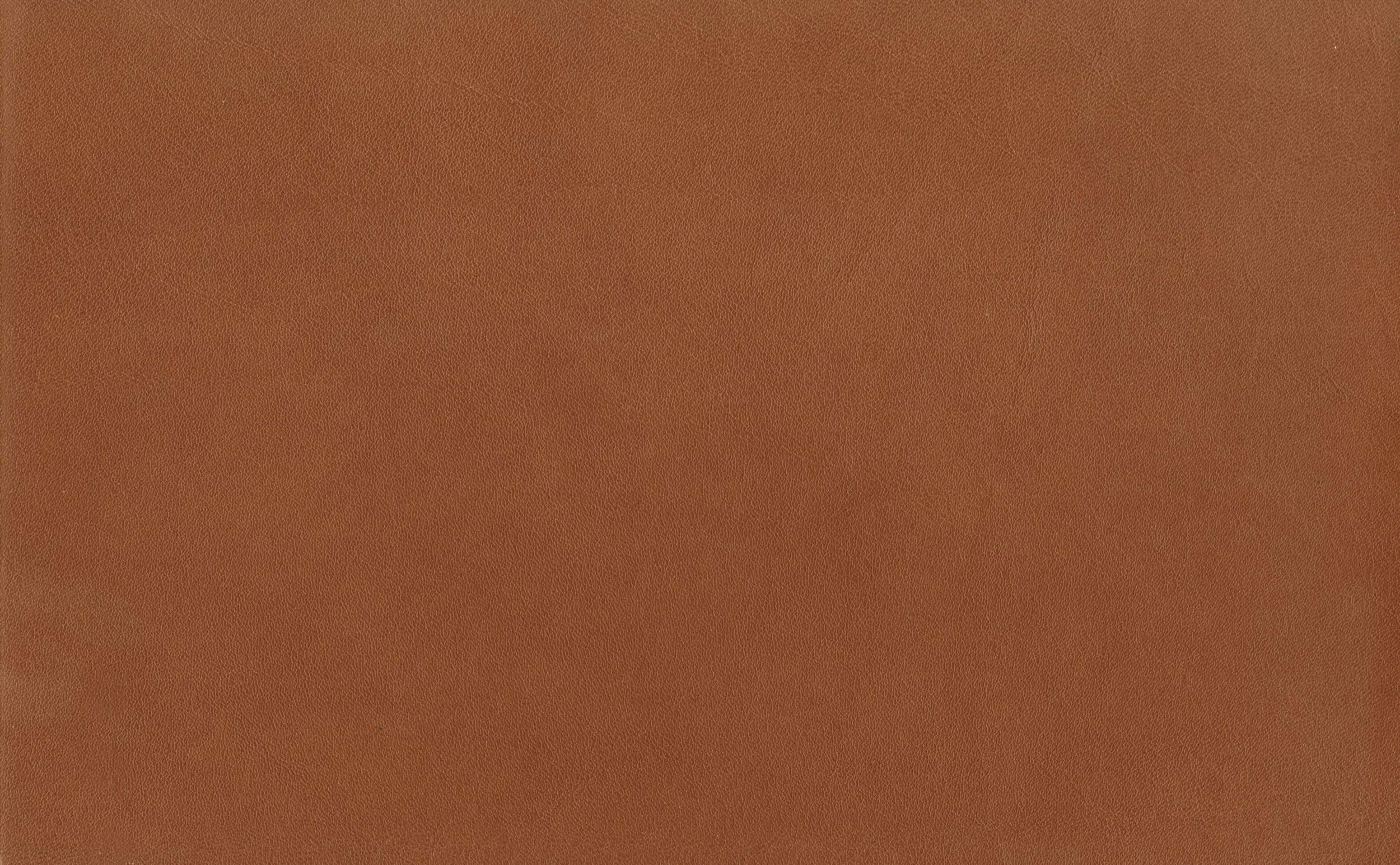
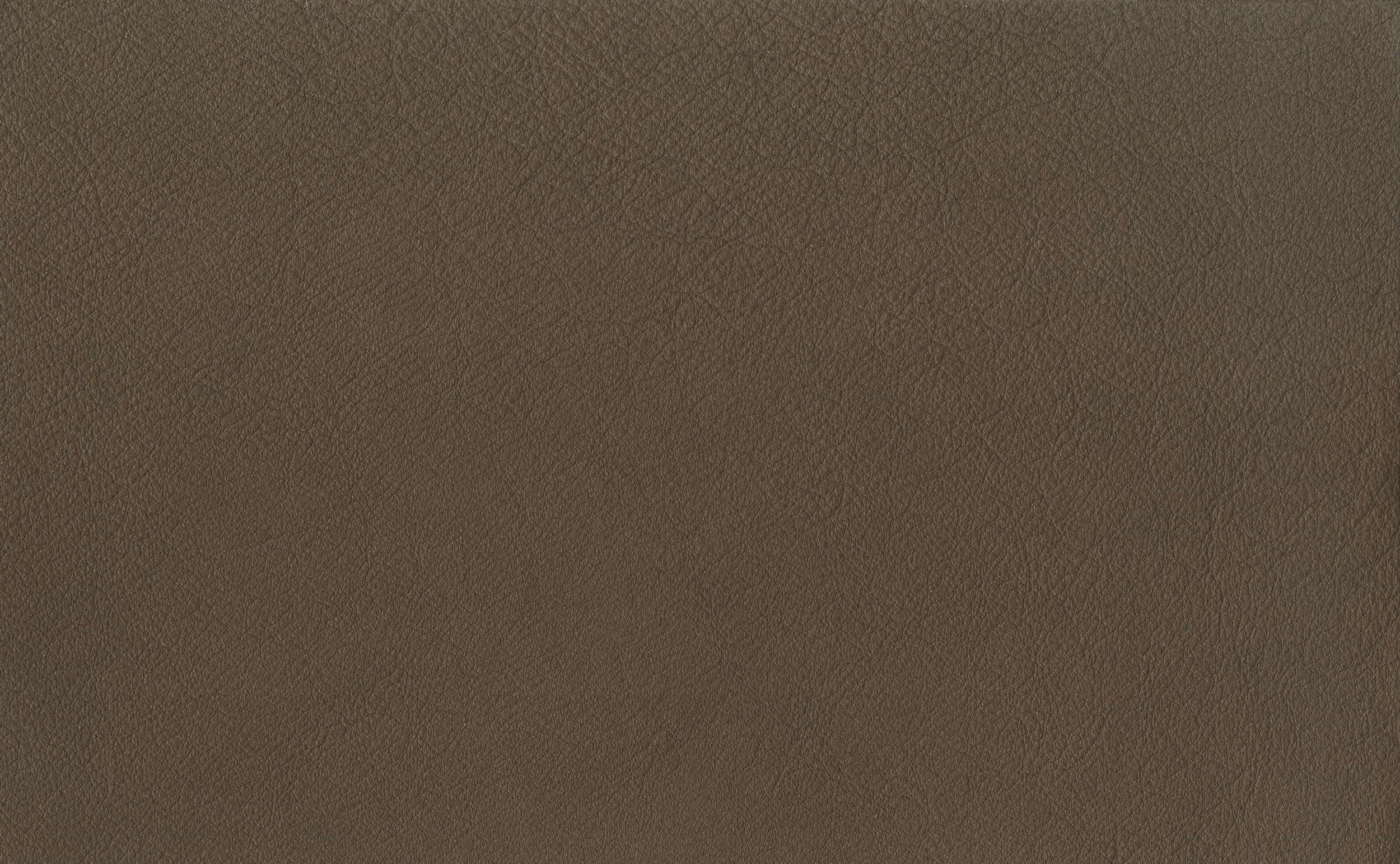
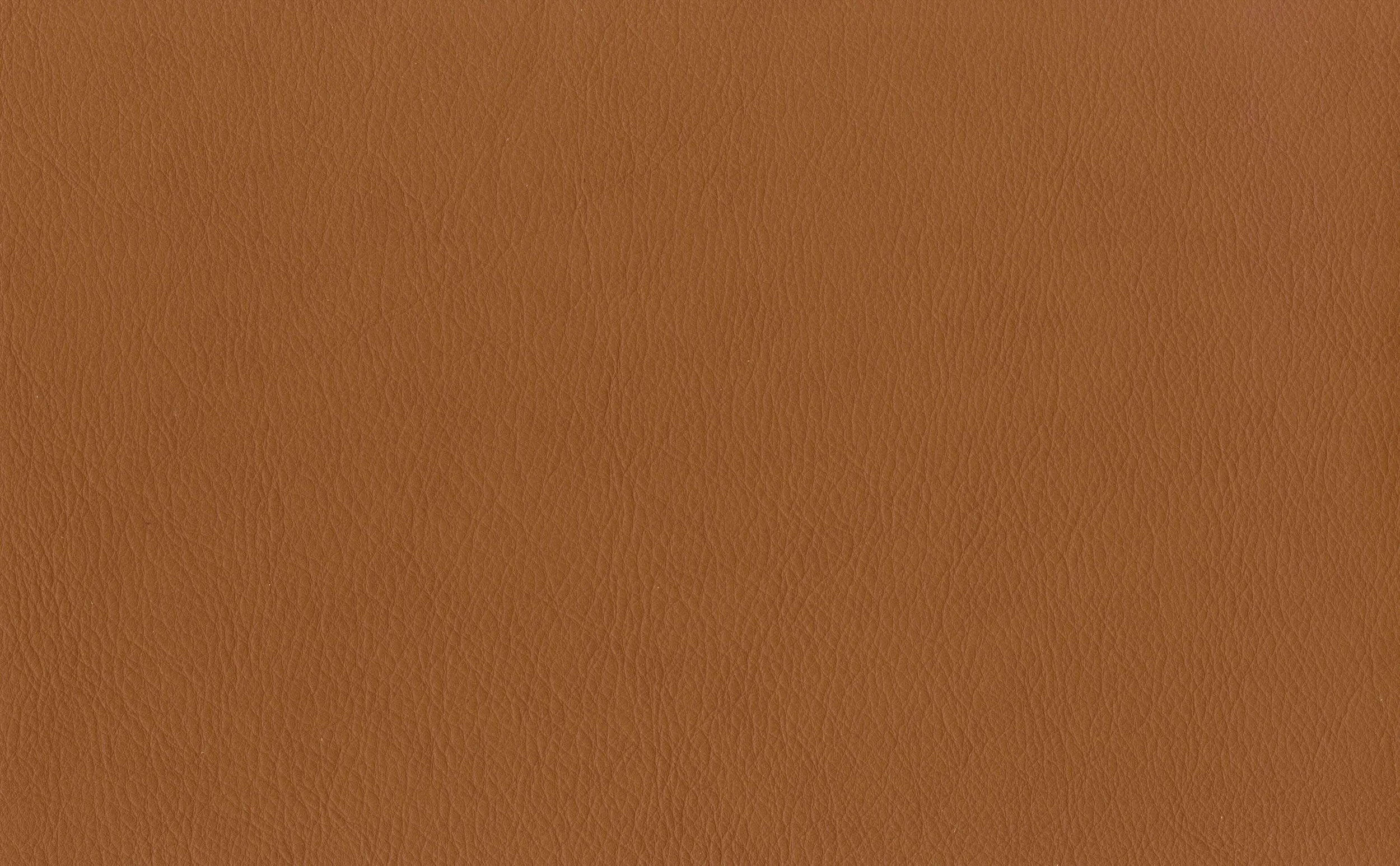
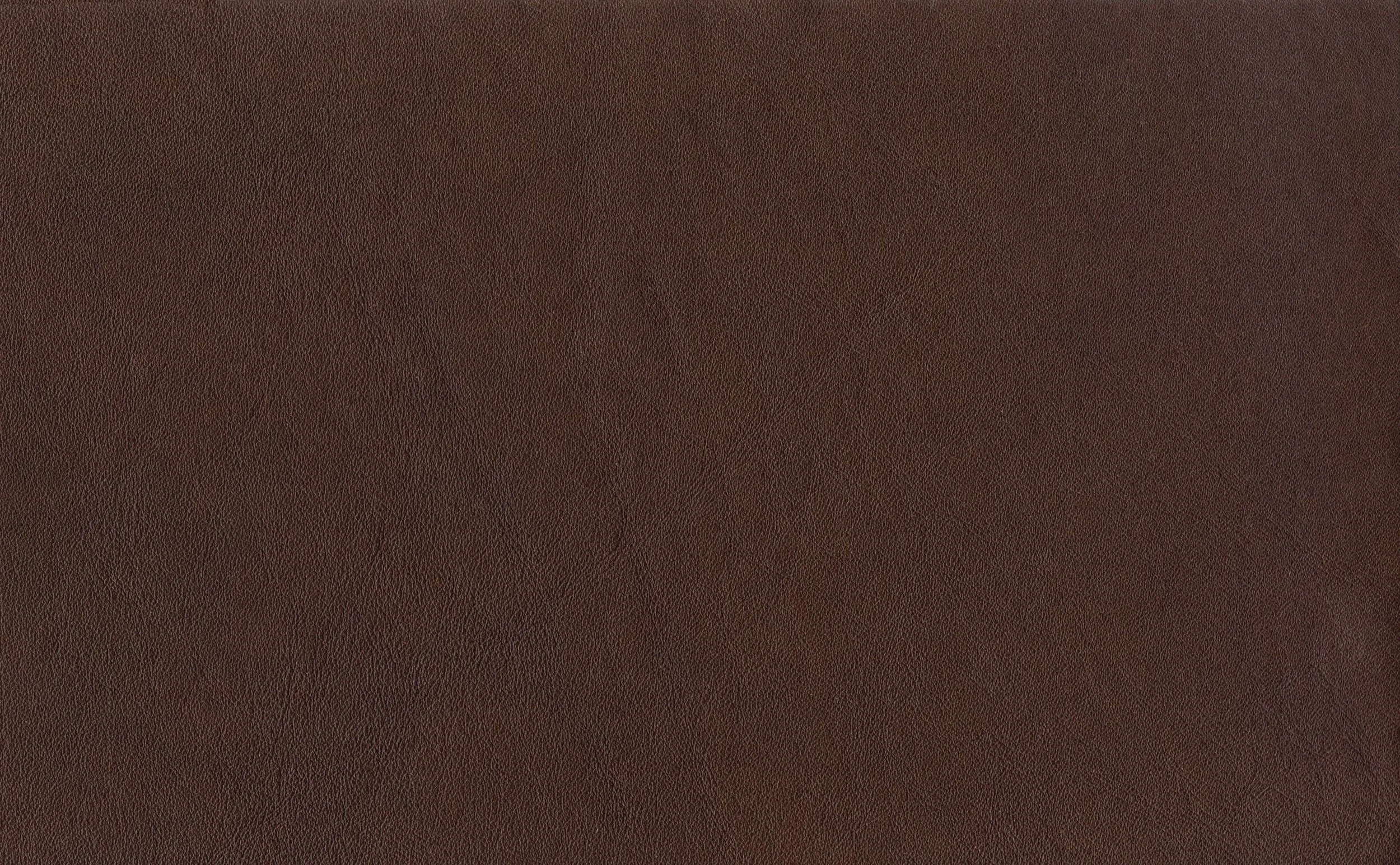
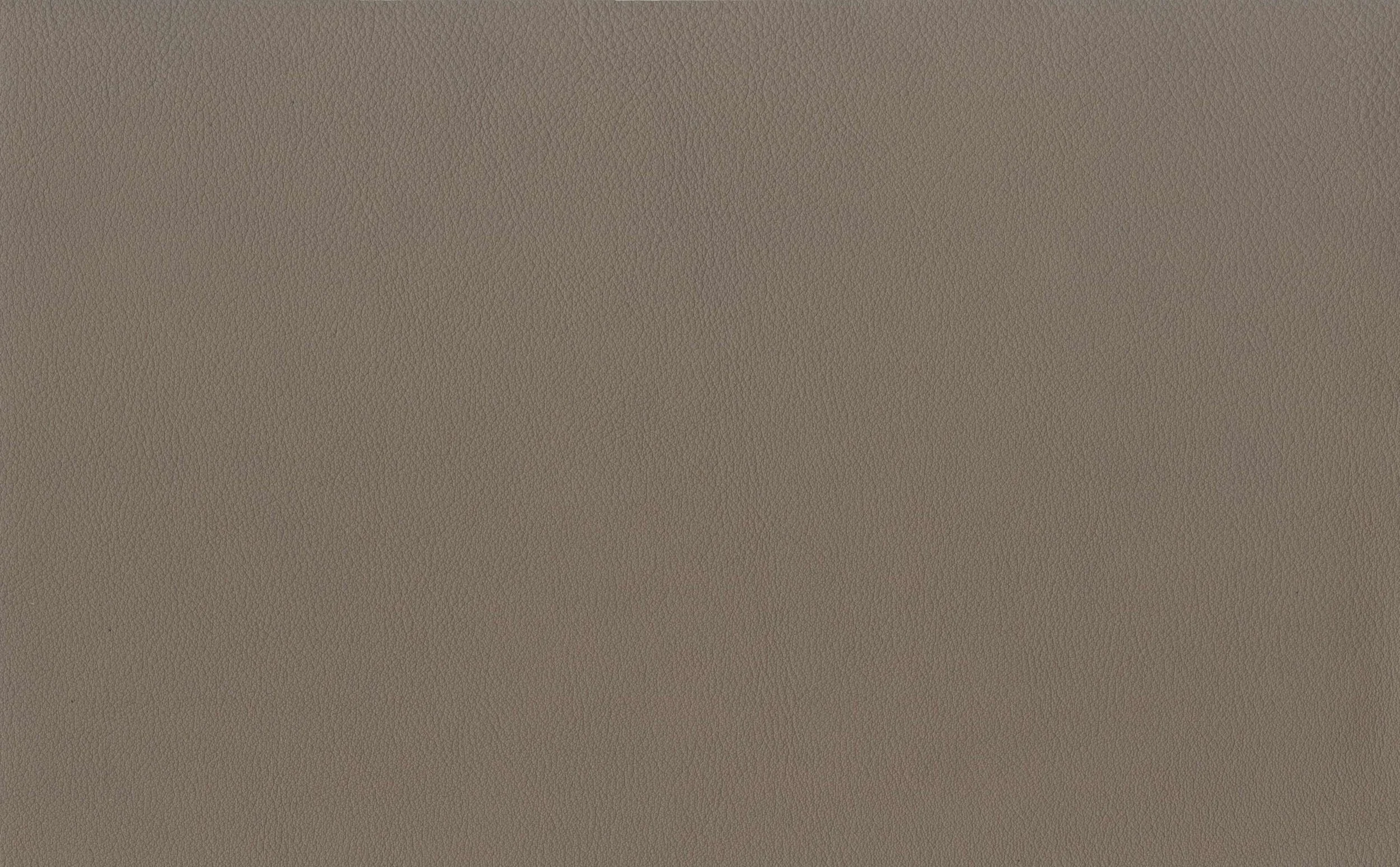
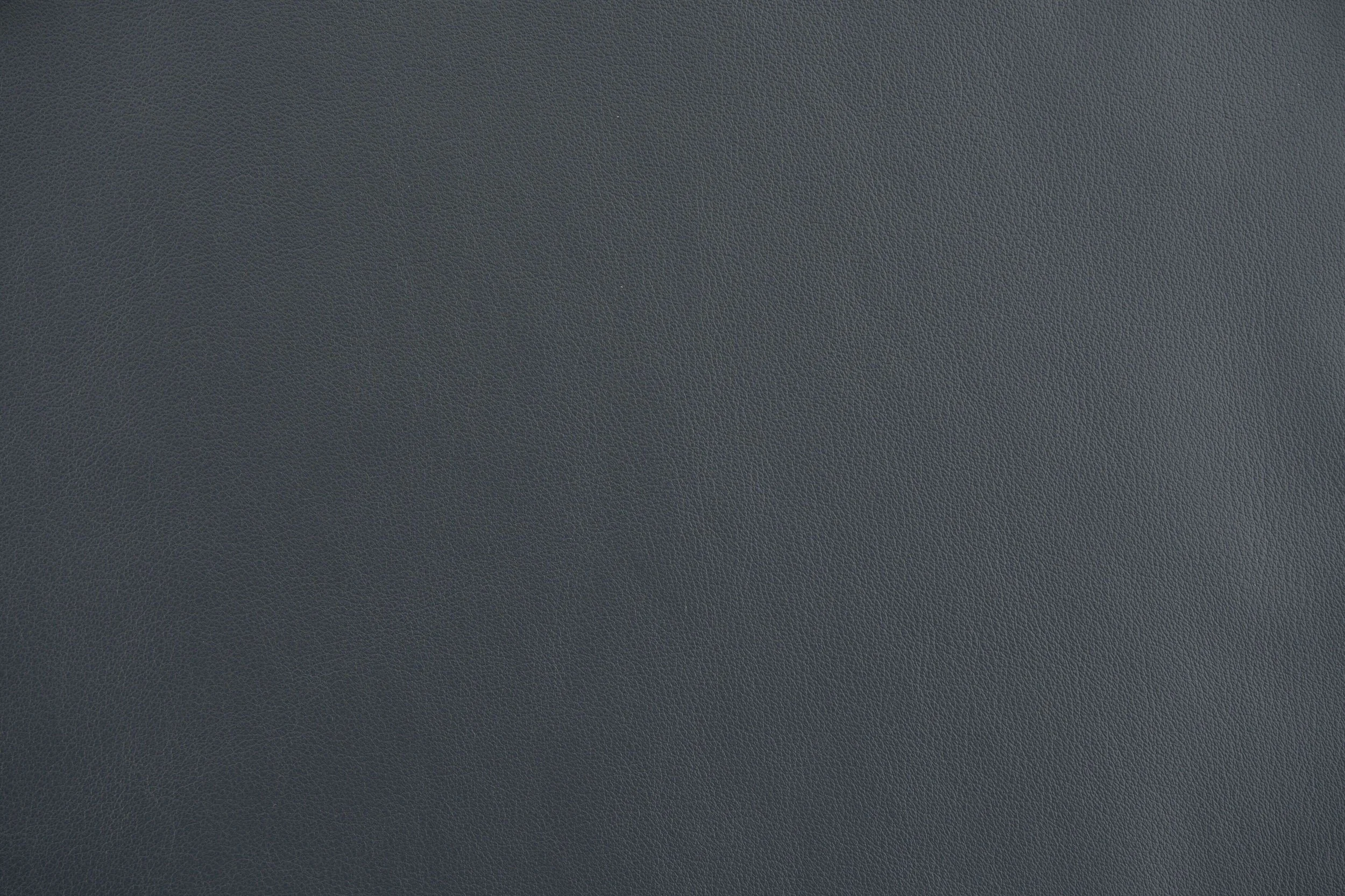
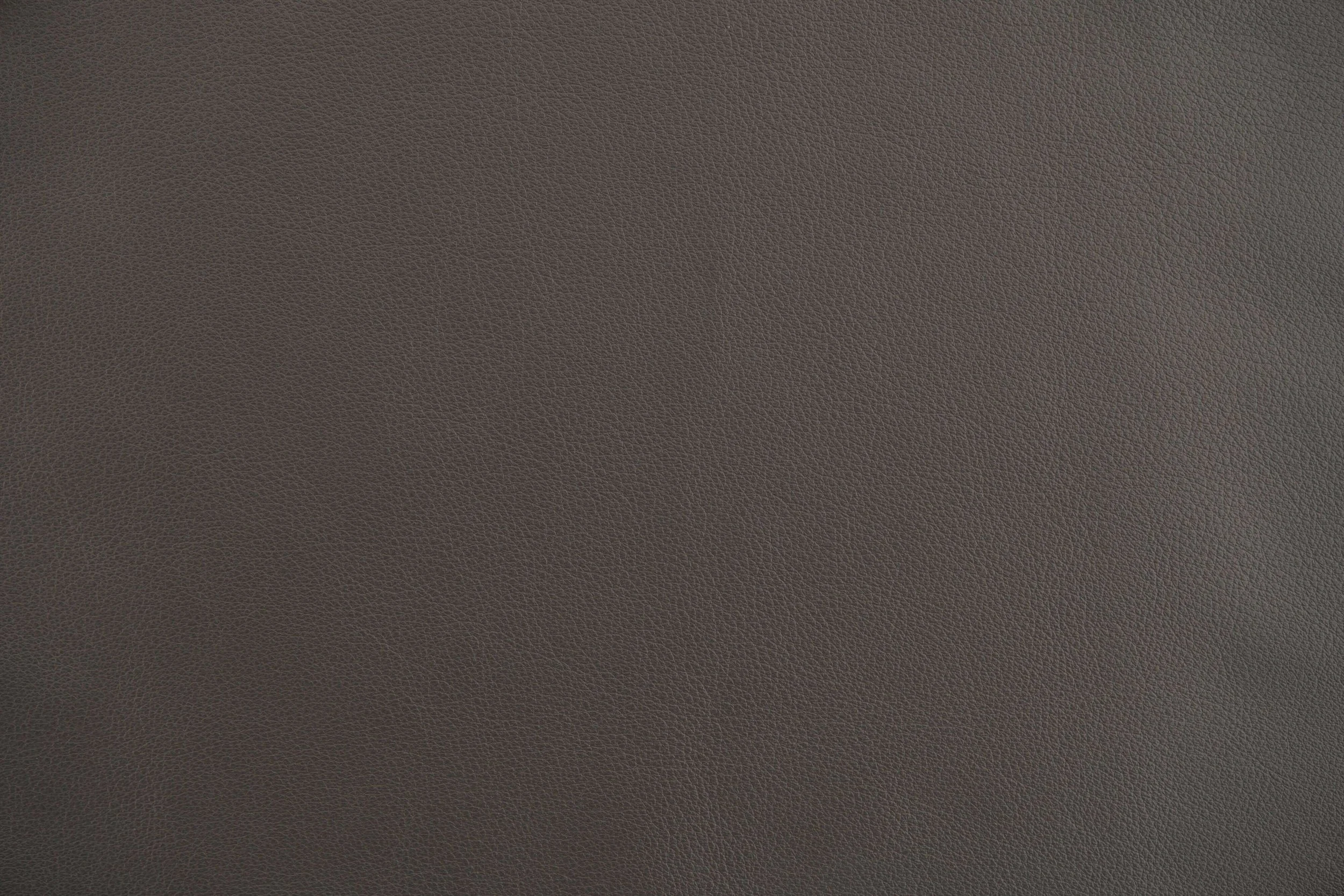
Elen Leather by Walter Knoll
(Black, Dark Brown, Coconut, Cognac, Loam, Toffee, Khaki, Sahara, Ivory, Tan, Mocca, Taupe, Atlantic, Grey, Oyster)
A special refinement finish gives the natural wax leather Elen its silky sheen. This finish also protects the fine surface and ensures high lightfastness. The color spectrum is tailored to the feel and structure and underlines the precious appeal of the leather. Finished aniline leather / wax leather. Average thickness 1.3-1.4mm. Fire Protection BS 5852 part 1 ignition source 0, BS 5852 part 1 ignition source 1, DIN EN 1021 part 1, DIN EN 1021 part 2, TB 117-2013.
Modern icon
A TRIBUTE TO AN icon from Walter knoll. shown in black leather and black base, The modern icon black edition.
DESIGNEr
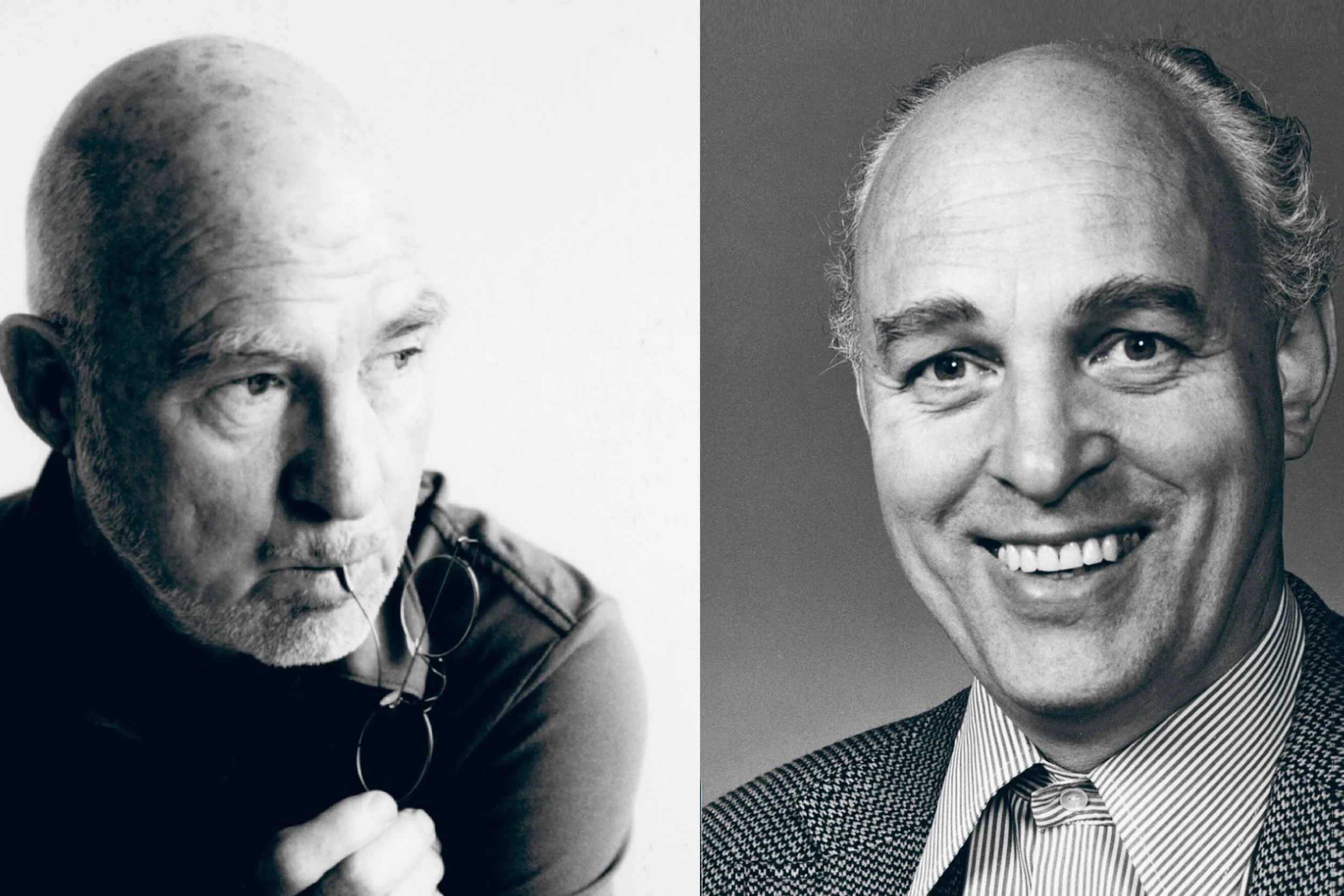
Preben Fabricius & Jørgen Kastholm
Preben Fabricius & Jørgen Kastholm
FK Chair
The Danish interior designers Preben Fabricius and Jørgen Kastholm dedicated themselves to the optimization of form, material, and ergonomics. In 1969, it was the first recipient of the German Prize for Good Form. The clearly thought-through shape of the chair and its unmistakable independence amazed the public. The concise name is a reference to the initials of its creators. Two young, Danish interior architects in the tradition of functional-aesthetic Scandinavian design: Preben Fabricius and Jørgen Kastholm. Both were still developing, trying things out, finding their place in the world and in design. Ready to leave what already existed behind them, in order to create something new. Both believed that form and aesthetics should go hand in hand. It was near Stuttgart, home of the famous Weißenhof Estate, that the two were able to fulfill their vision, and find a sparring partner who was able to bring their experiments with form and material into reality.
MANUFACTURER
walter knoll
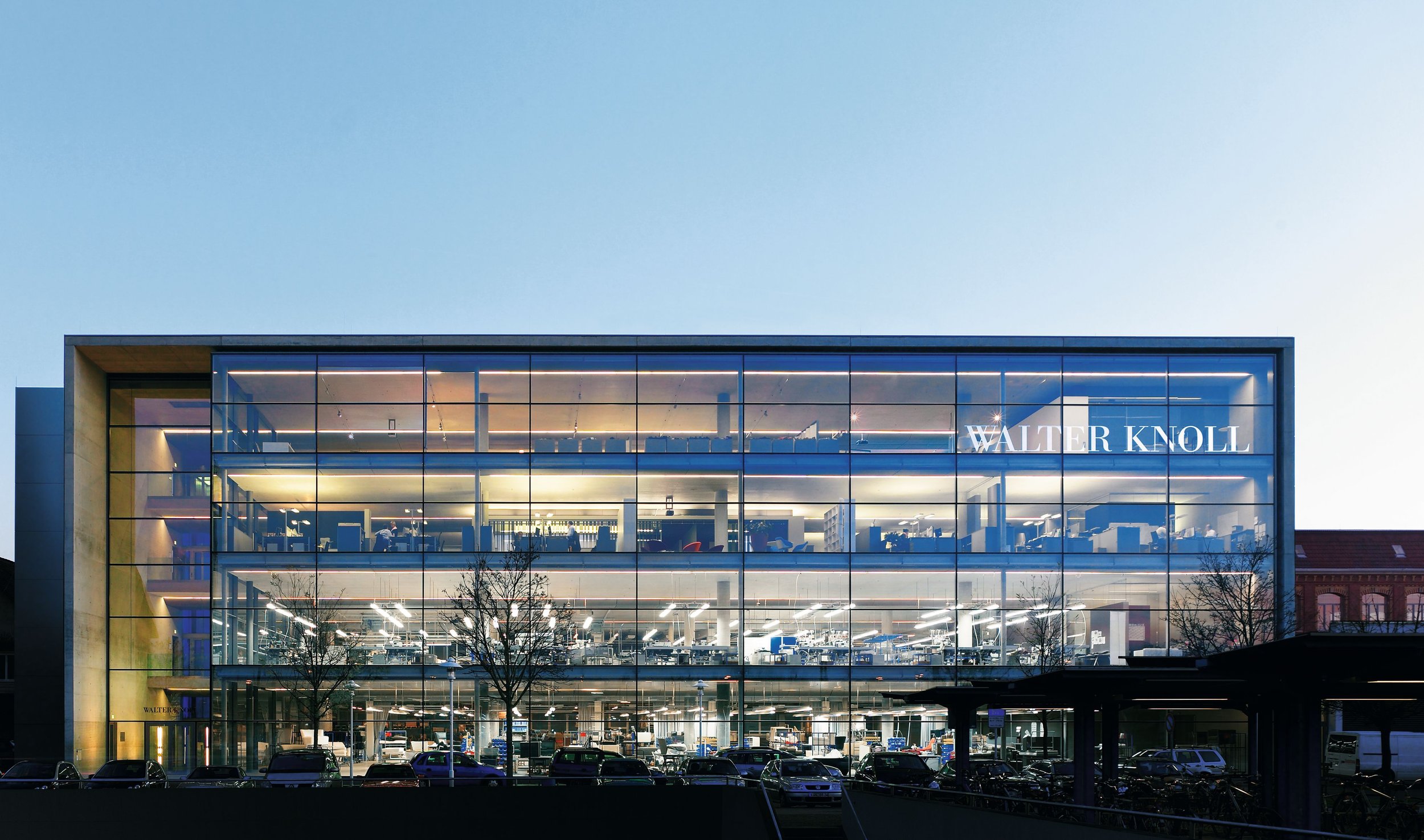
Wilhelm Knoll, the founder of the Knoll dynasty, opens the doors of his “leather shop” in Stuttgart, Germany. Widely travelled expert in leather: in 1864, annual stay in Paris – the world centre of leather, fashion and luxury goods. “Knoll leather” becomes the hallmark of quality, and the House of Württemberg names Wilhelm Knoll, supplier to the royal court“. In 1907, Wilhelm’s sons Willy and Walter take over their father’s business and start producing seating. The company introduces the first club armchair to Germany.
From 1925 to 1929, advocating modernity: at the age of 50, the urbane gentleman Walter Knoll founds his own company, Walter Knoll & Co. GmbH. The “Prodomo“ models developed by Walter Knoll are seen as the first modern upholstered furniture in history. The lightweight Prodomo armchairs perfectly reflect the spirit of the times of the twenties. The world‘s first wide-bodied aircraft Do X is completely furnished with lightweight aluminum chairs from the Prodomo range. At the same time, Wilhelm Knoll revolutionizes the traditional upholstery technique with his “Antimott“ range. The lightweight aluminum armchairs from the Antimott range are used to furnish the zeppelins. The exhibition„Die Wohnung“ (The Apartment) under the direction of Mies van der Rohe 1927 at the Weissenhof Estate in Stuttgart sets standards for modern building and living all over the world.
Being equipped with the knowledge of the Bauhaus movement and the abilities of his family, Walter Knoll´s son Hans goes to the US in 1938 – in the beginning to sell the products of his father. In America, he meets the architects of modernity and opens his own business in 1939. While Germany is still accustomed to classic furnishings after 1945, Walter Knoll is presenting a modern way of life. Hans Knoll supports his father in this time of reconstruction with the “Vostra“ model. In 1949, the upholstered version of the armchair: the clean lines of Vostra perfectly reflect people’s attitudes in this time of awakening, and help Walter Knoll to regain international recognition.
The Contract division is established in the 1970s. Elegant executive offices, comfortable swivel chairs, fine conference facilities as well as elegant sofas for foyers and lobbies account for the success in furnishing business premises. The furnishing of Berlin‘s Tegel Airport in 1975 is without doubt one of the highlights of the company‘s history. Together with architect Meinhard von Gerkan, the Berlin Chair is created for the airport‘s VIP lounge. In 1985, Walter Knoll takes over the company Wilhelm Knoll and continues to sell the products as the “Wilhelm Knoll Collection”. The famous furnishing family Benz buys the Walter Knoll company in 1993. Markus Benz, the oldest son, has been running the business ever since with the experience of excellent upholstery craftsmanship and modern corporate culture.
Walter Knoll Headquarters