
 Image 1 of 23
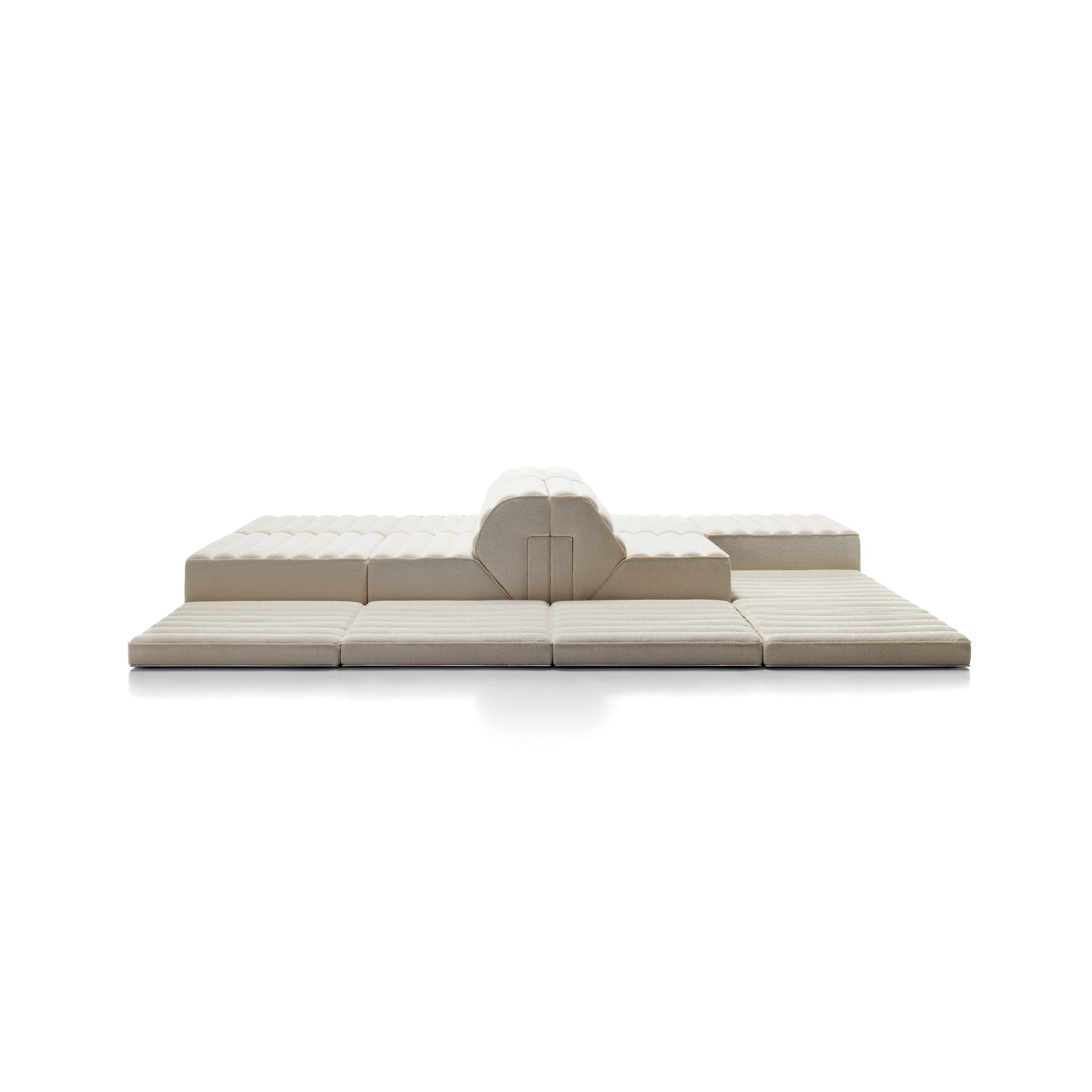 Image 2 of 23
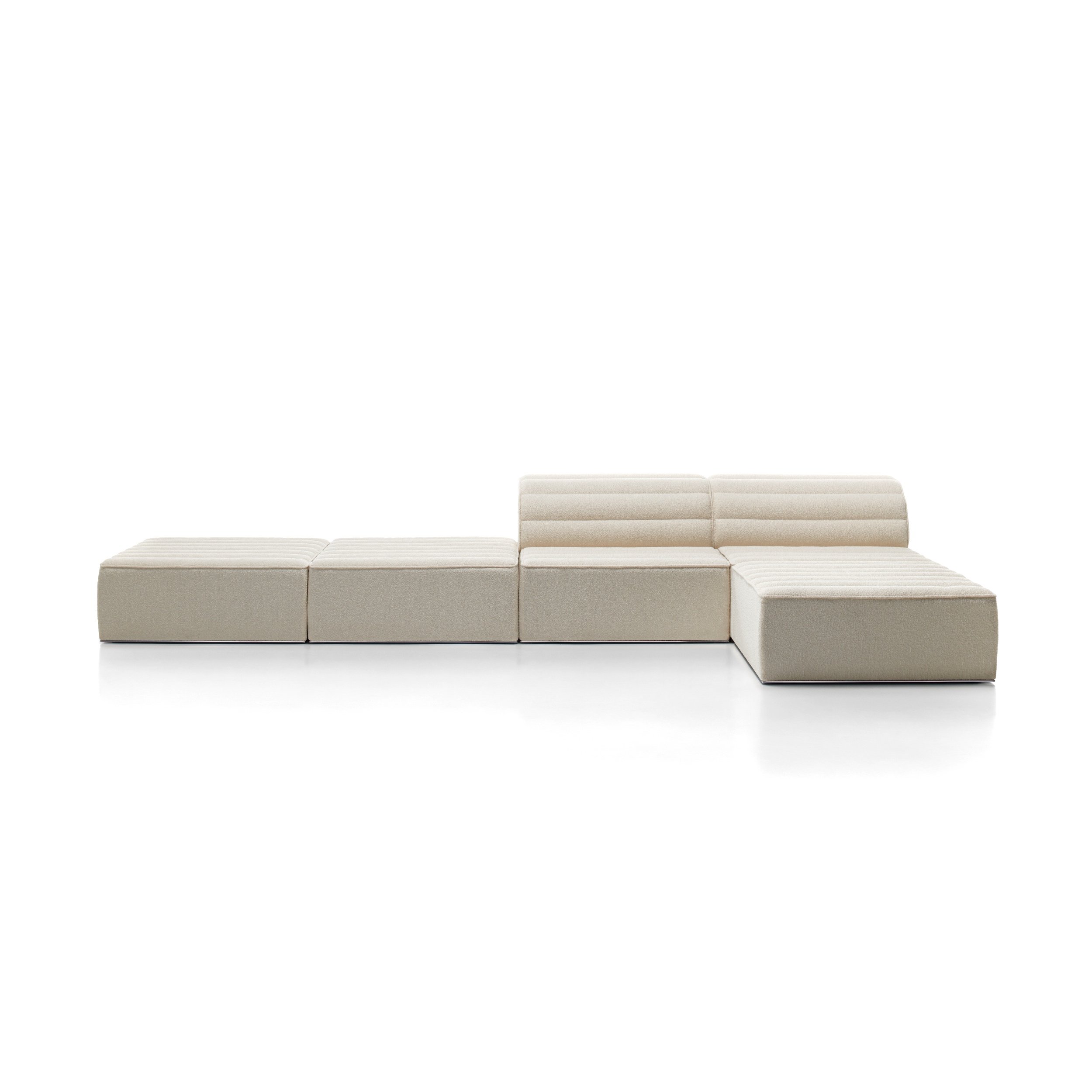 Image 3 of 23
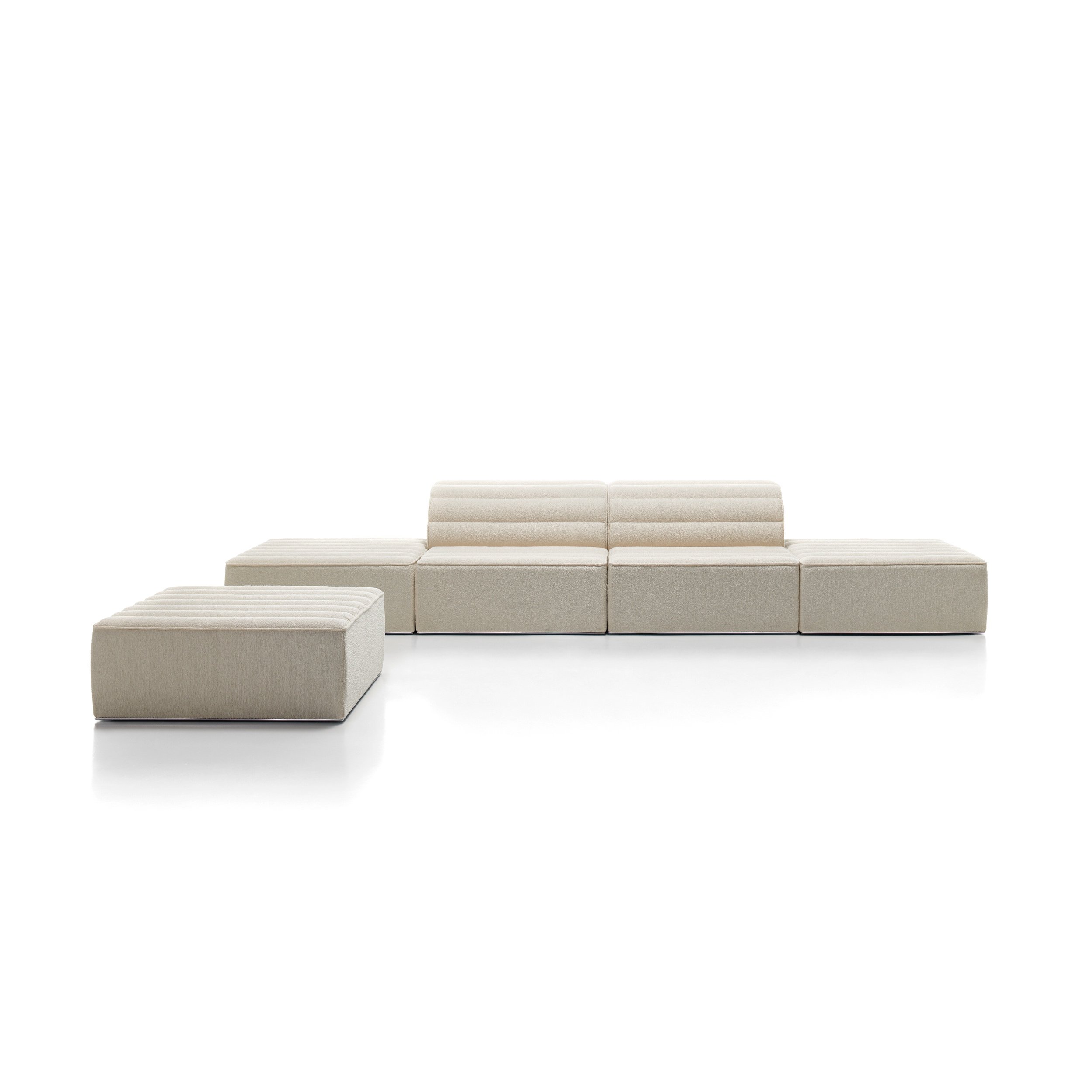 Image 4 of 23
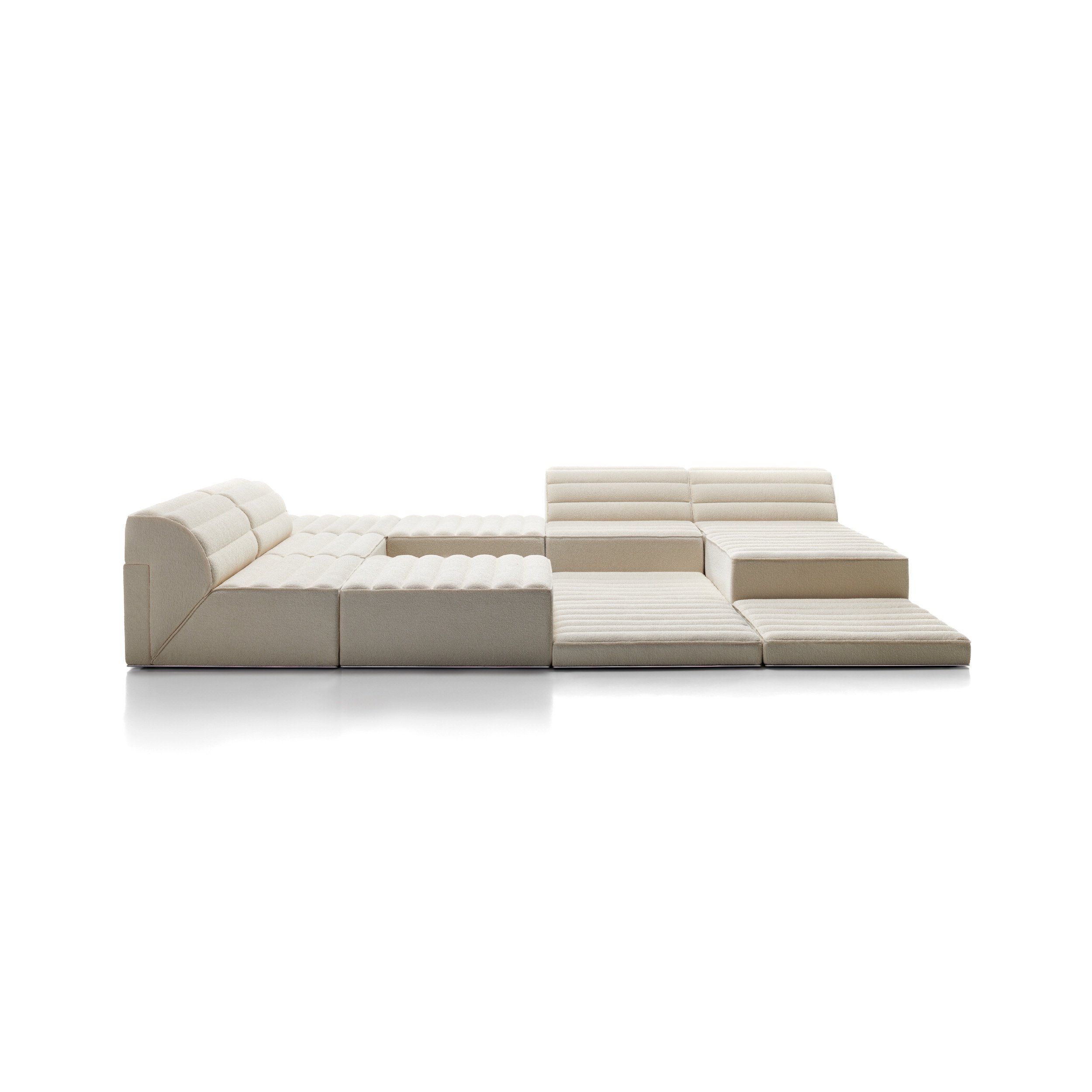 Image 5 of 23
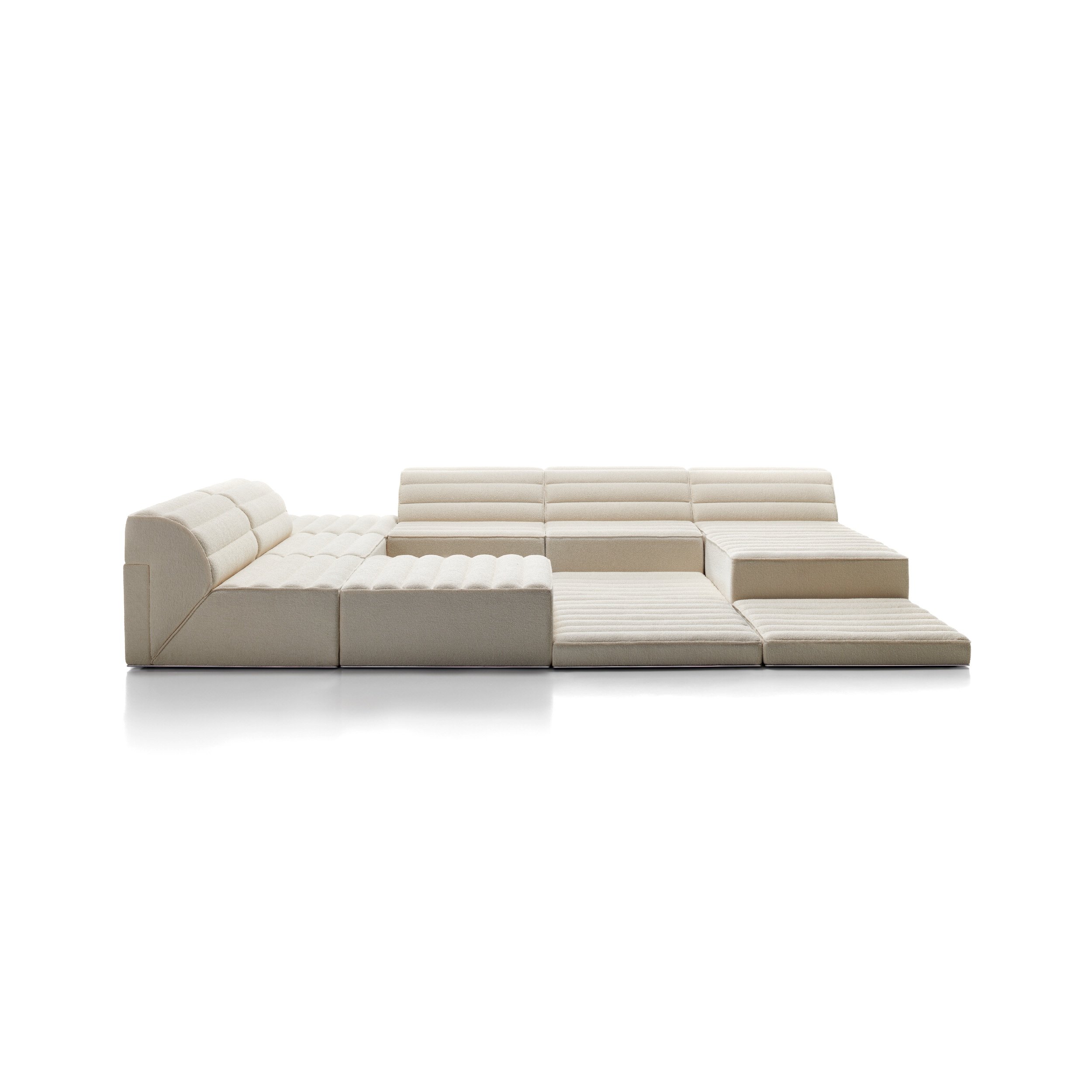 Image 6 of 23
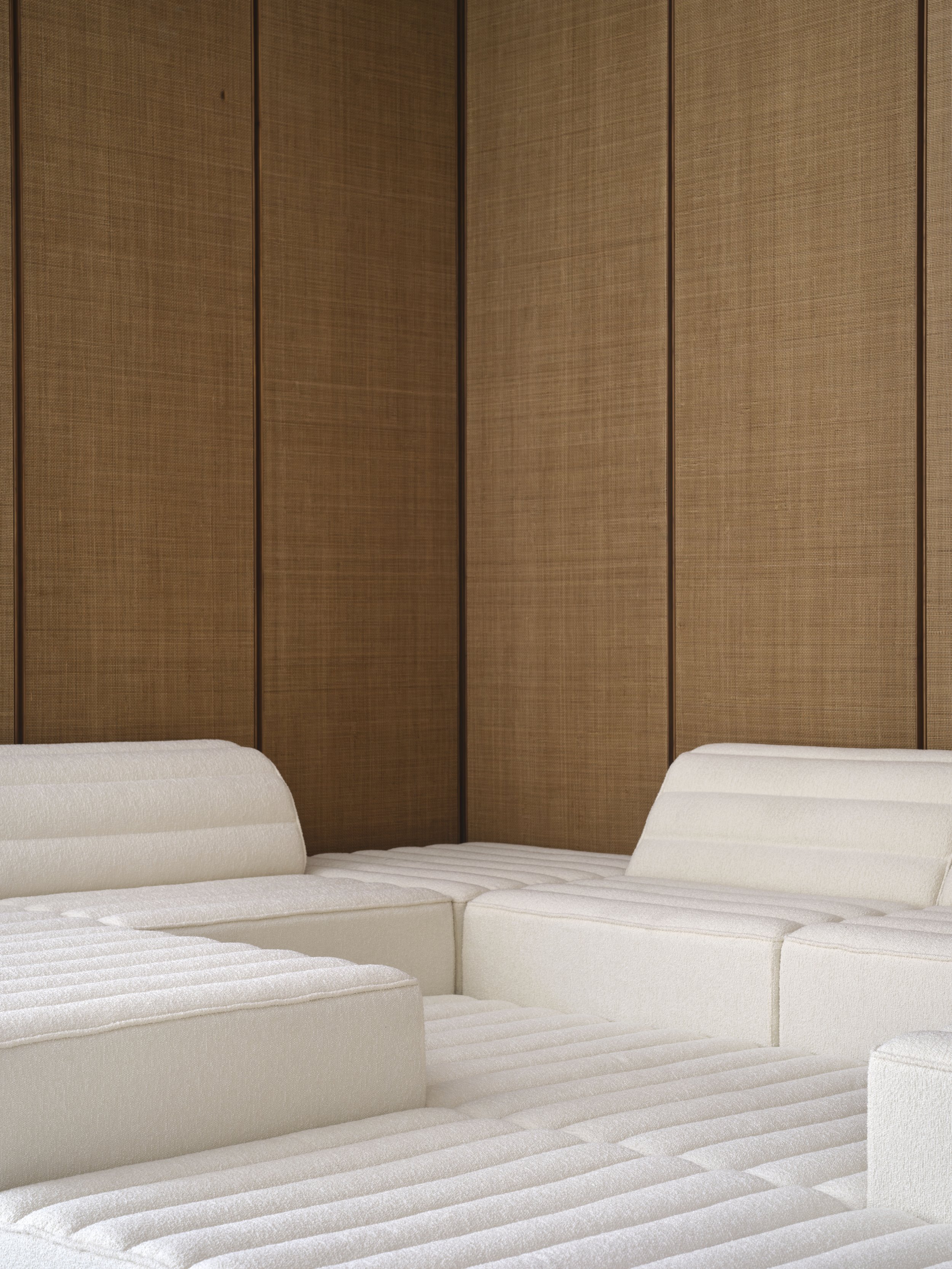 Image 7 of 23
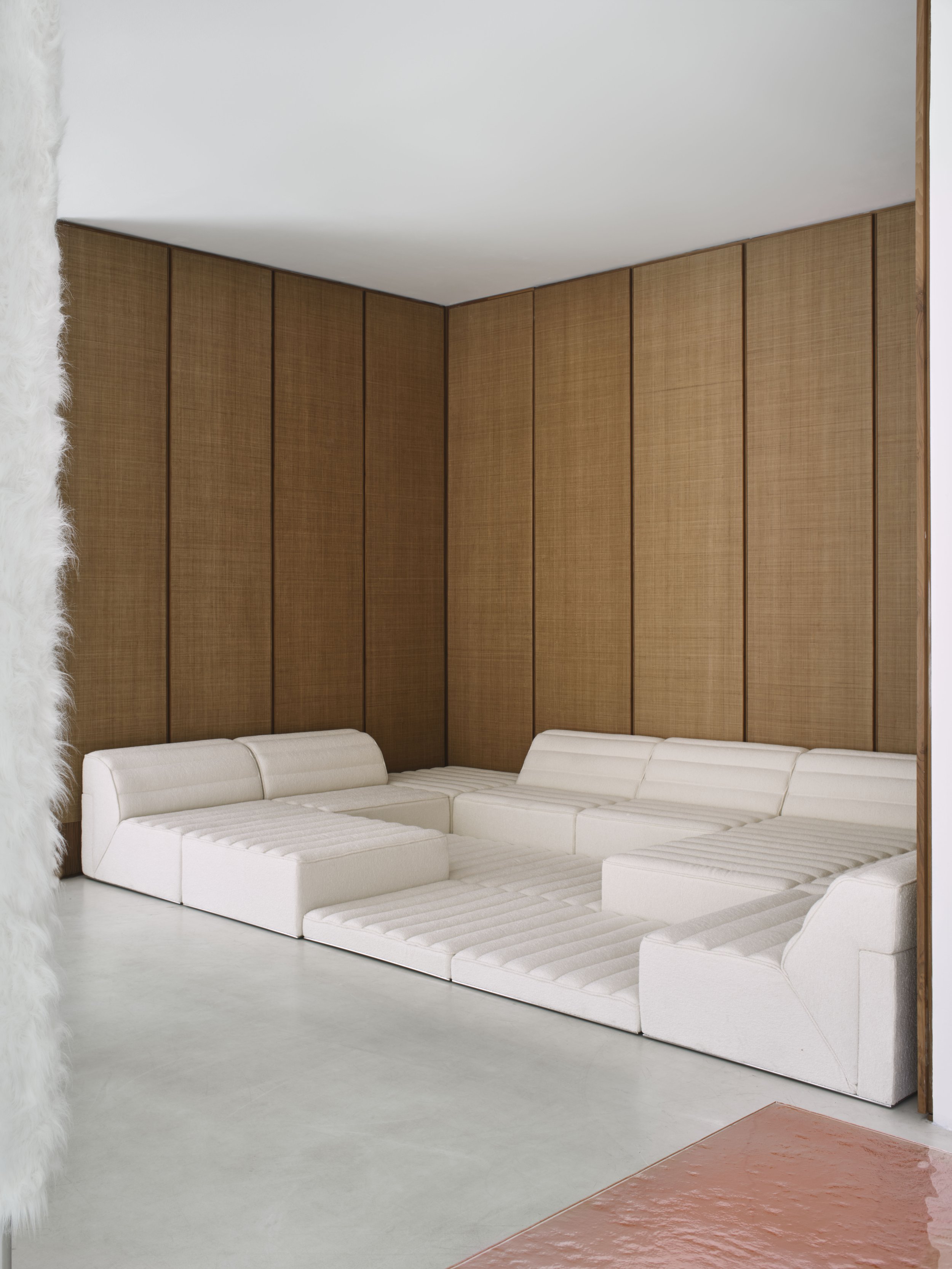 Image 8 of 23
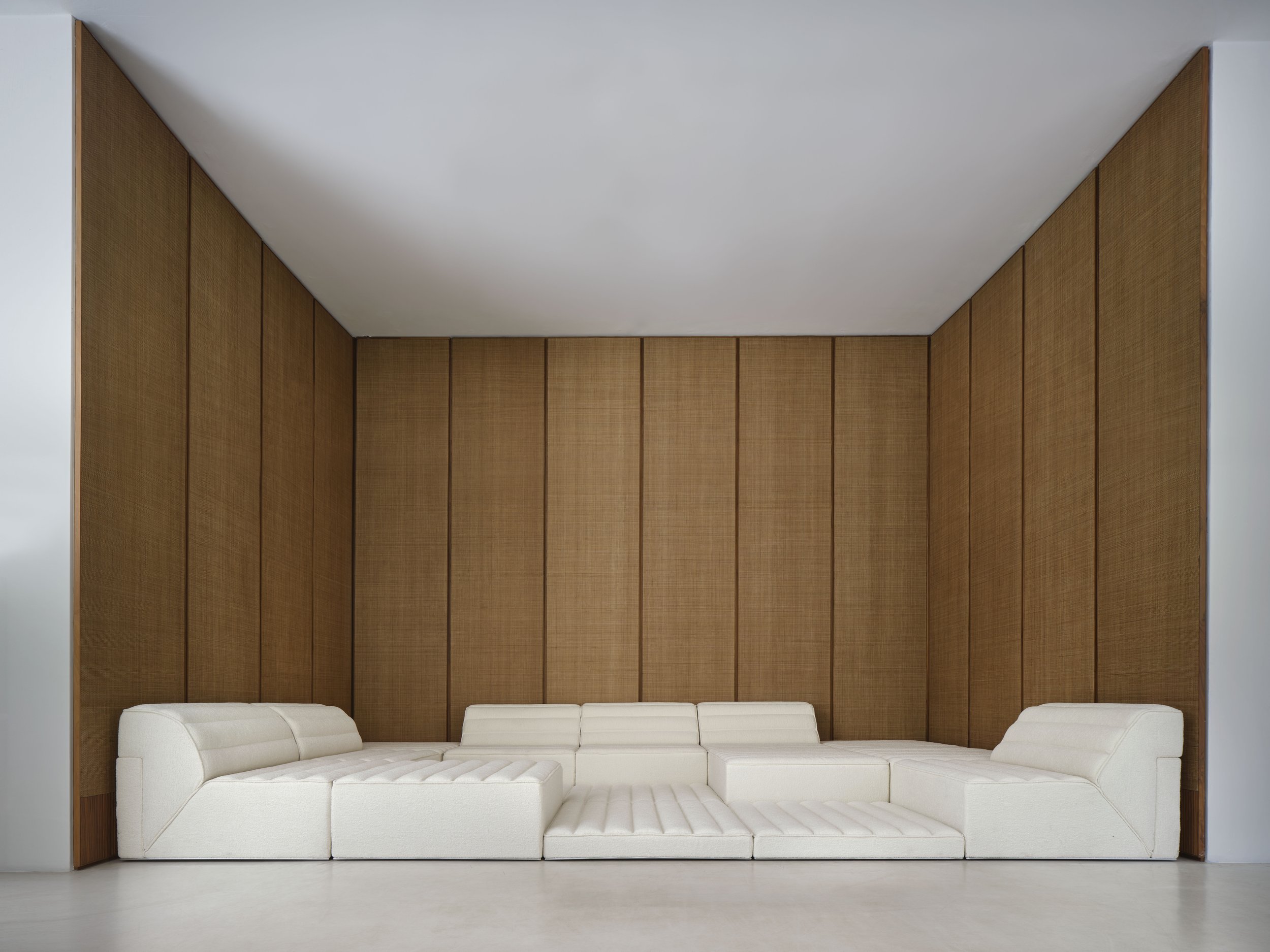 Image 9 of 23
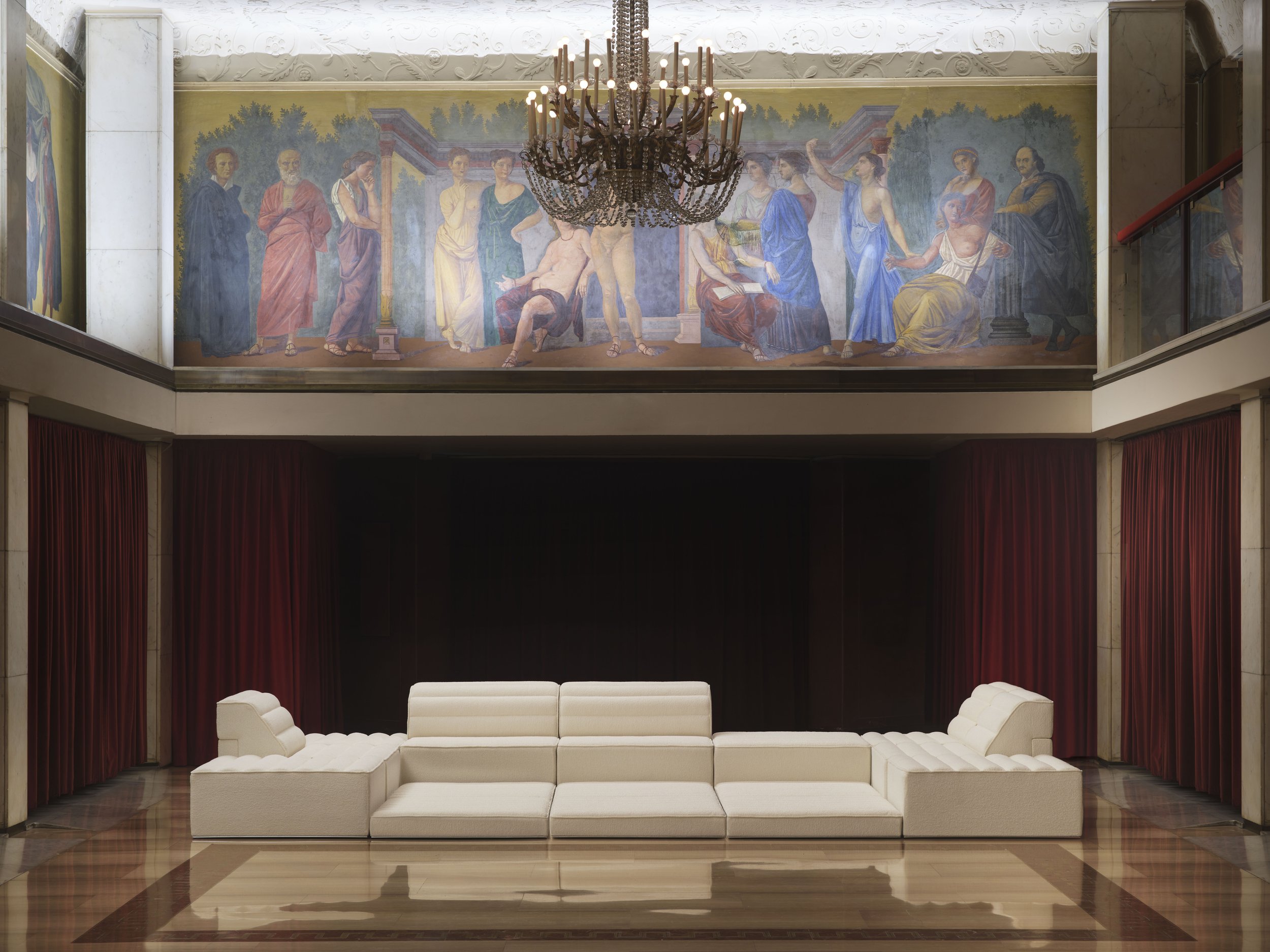 Image 10 of 23
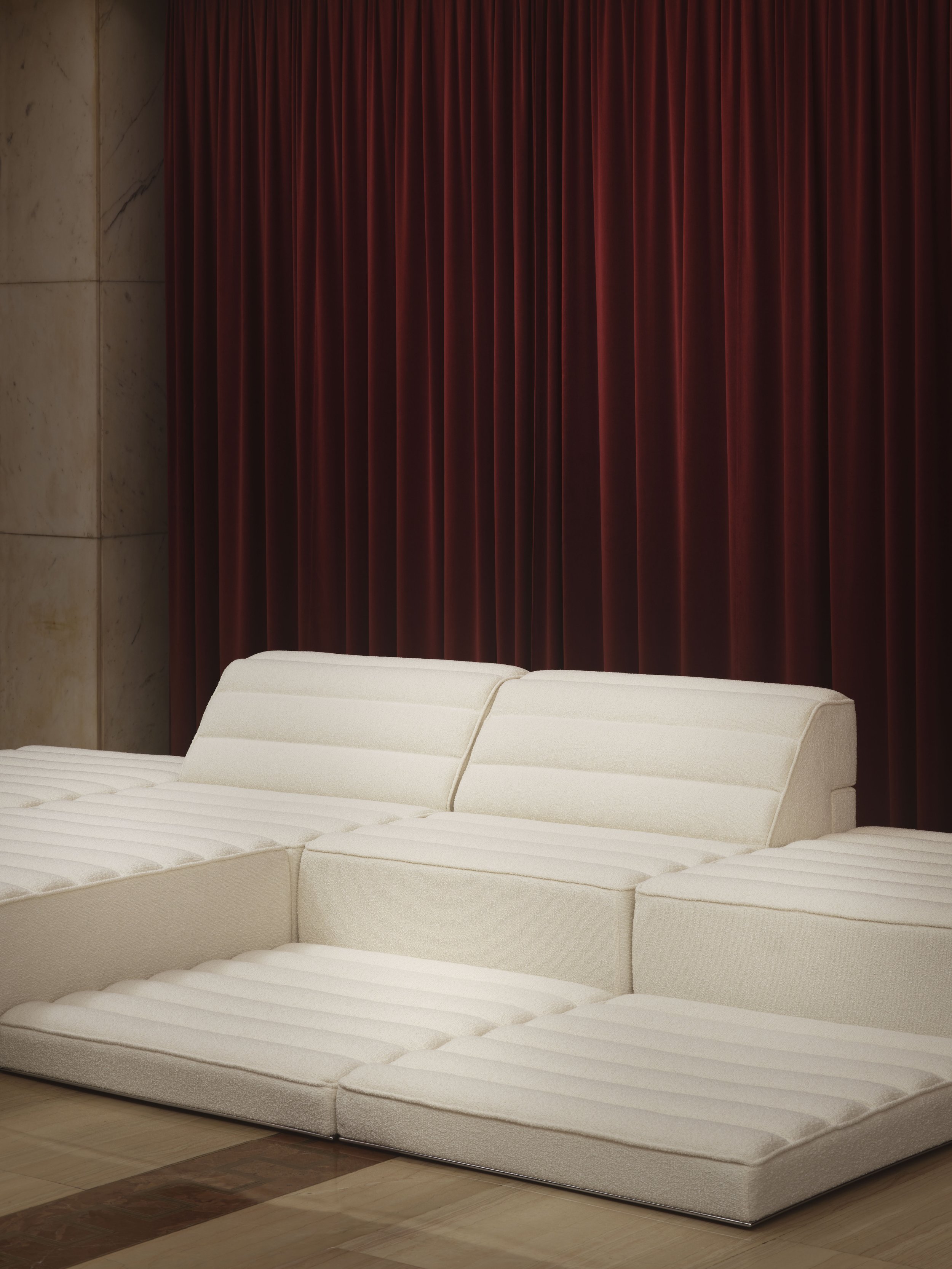 Image 11 of 23
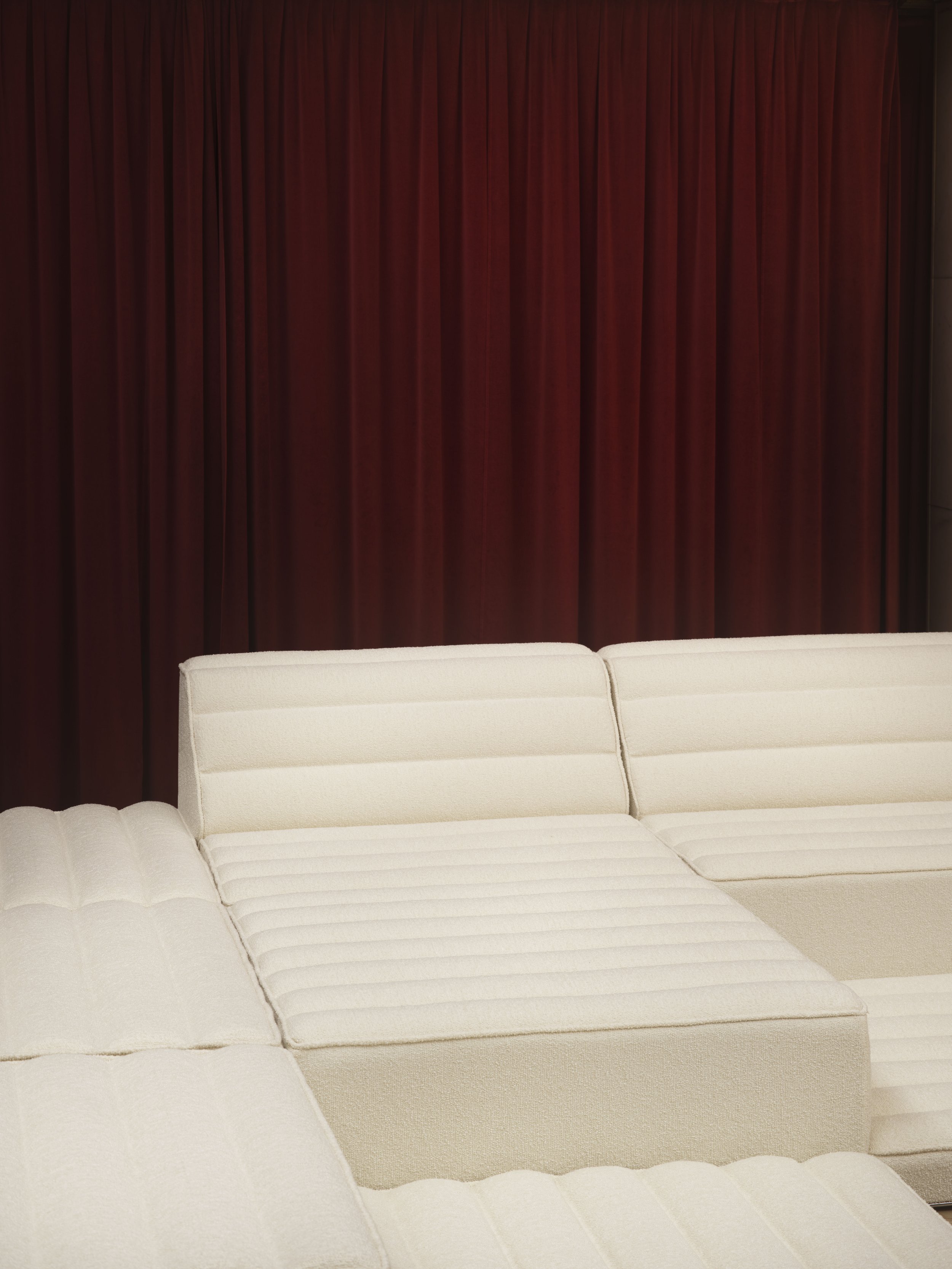 Image 12 of 23
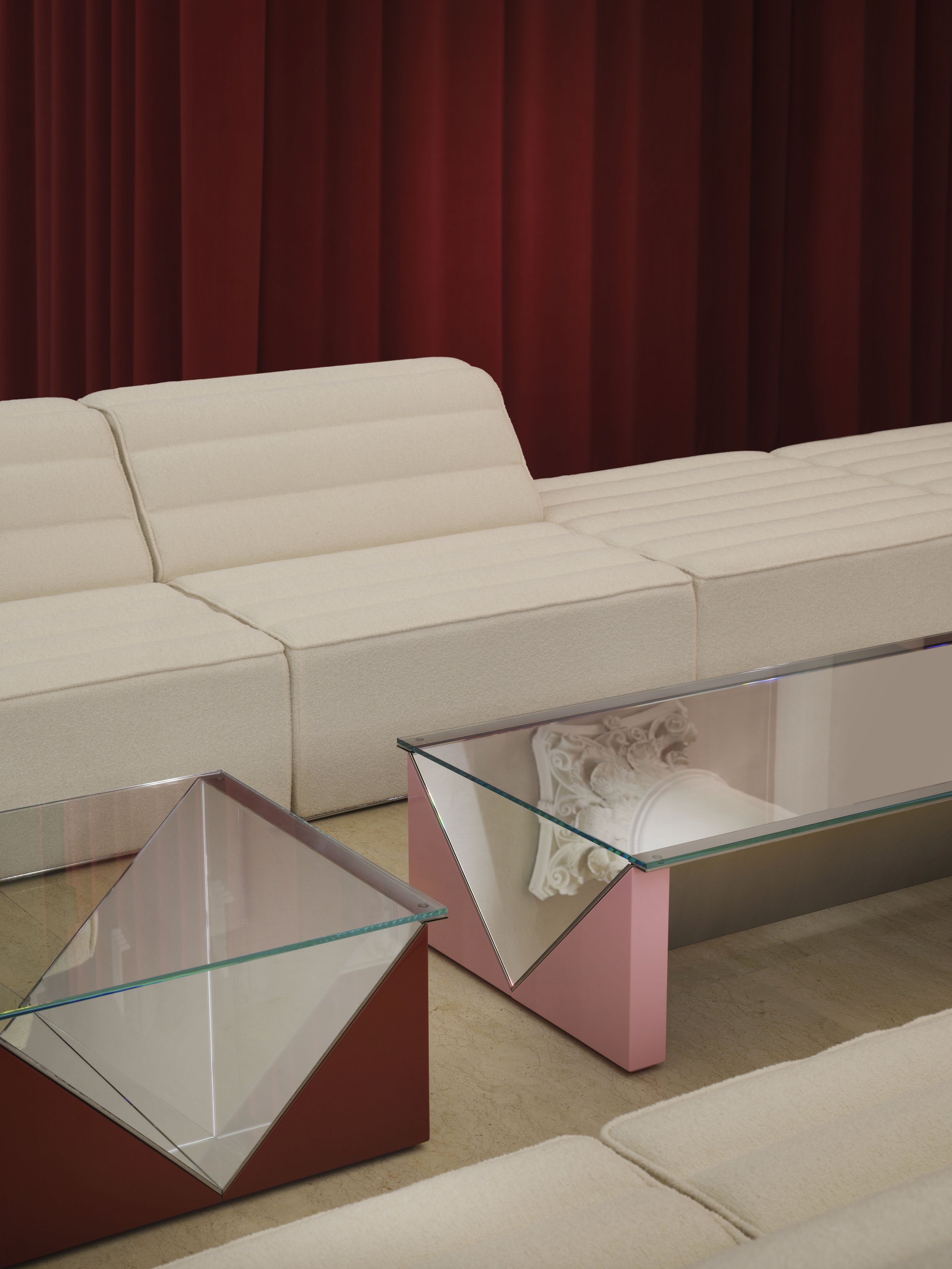 Image 13 of 23
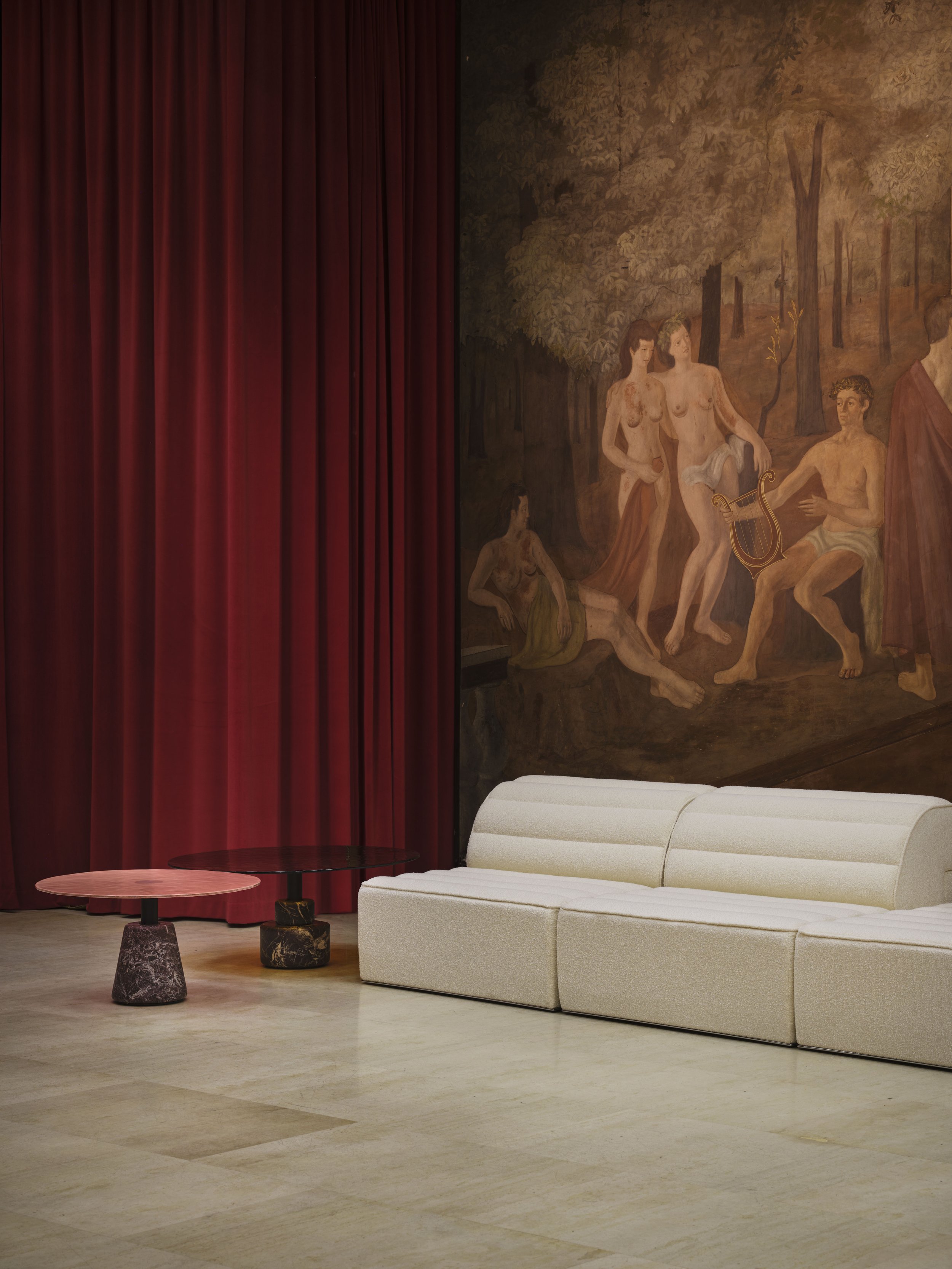 Image 14 of 23
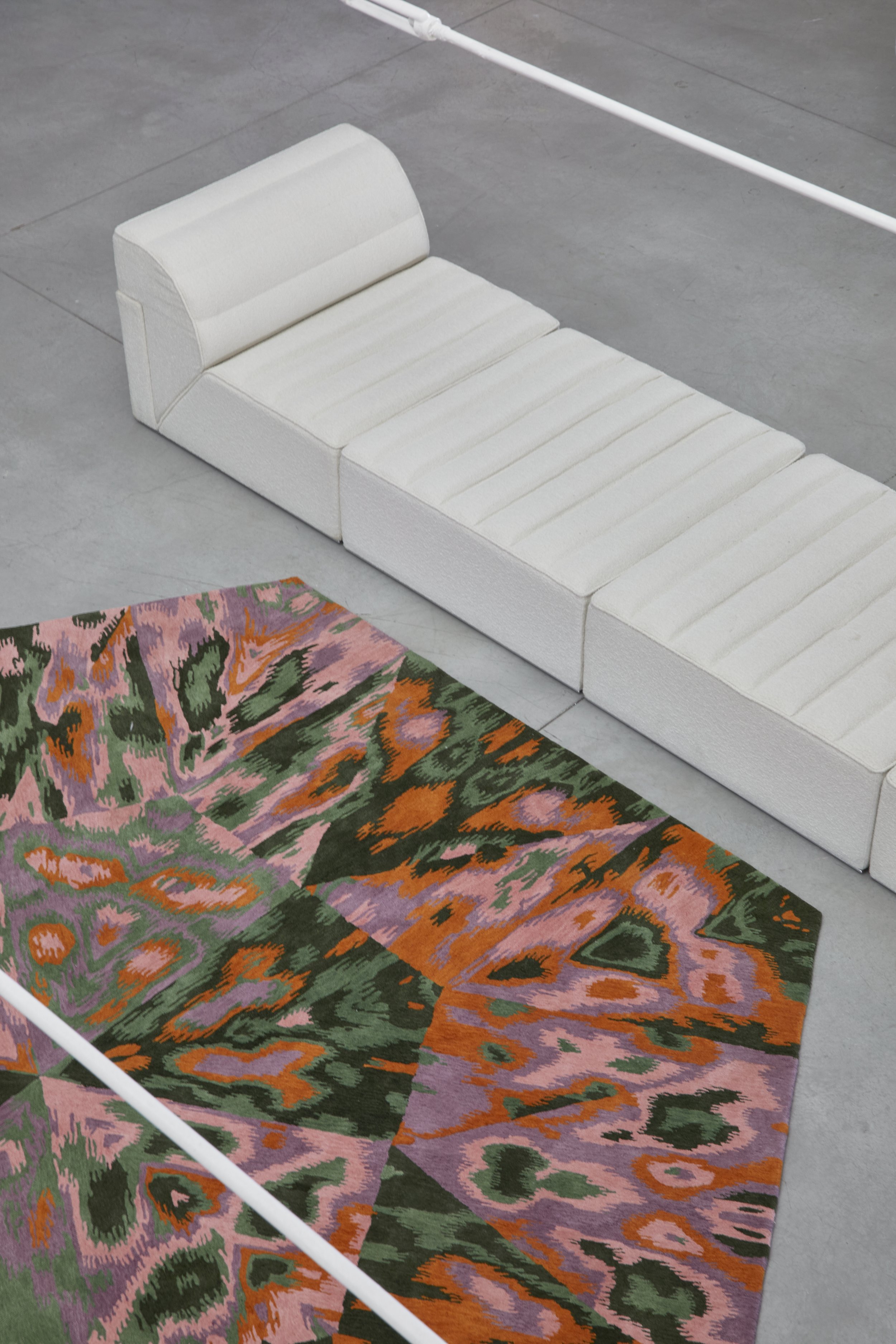 Image 15 of 23
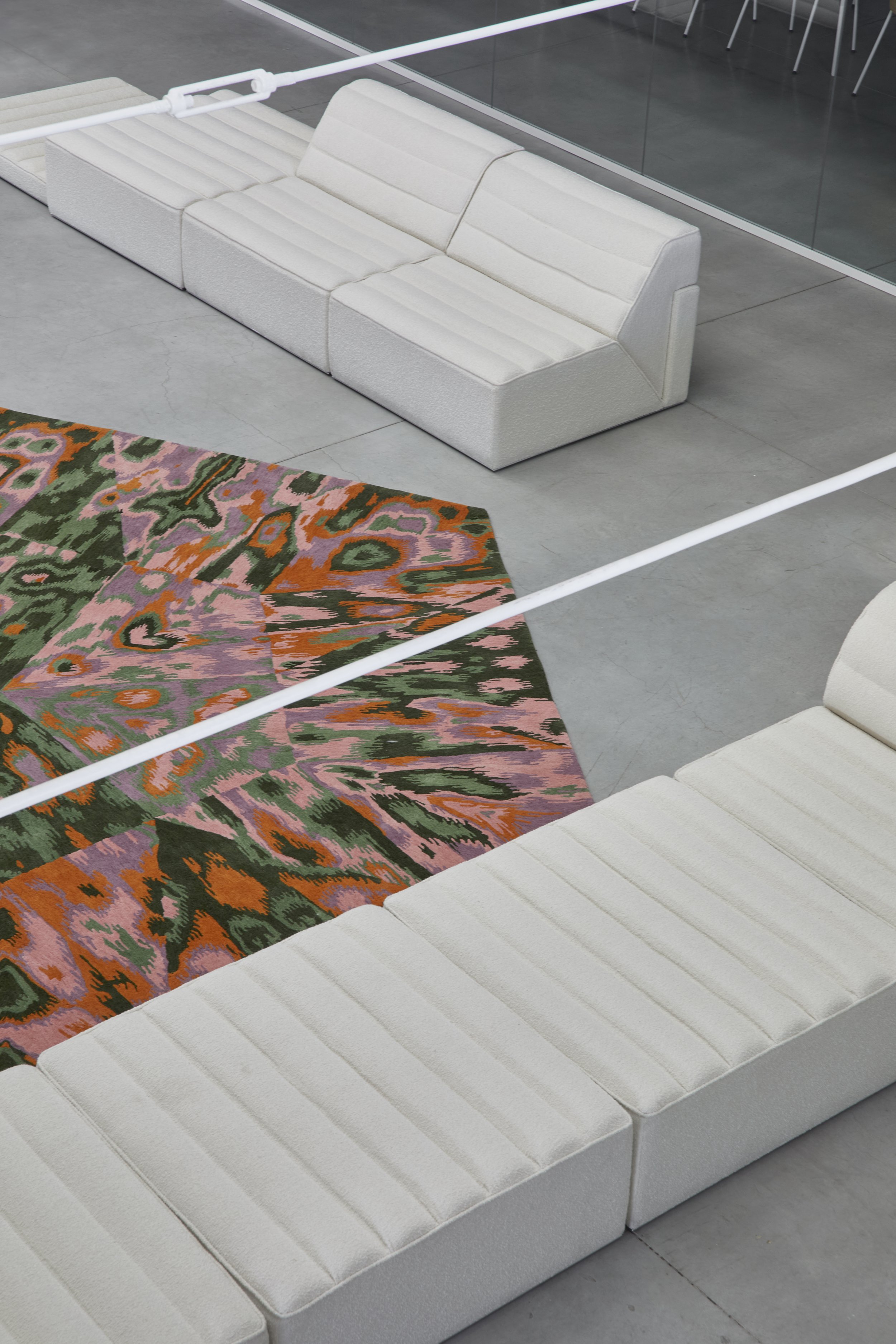 Image 16 of 23
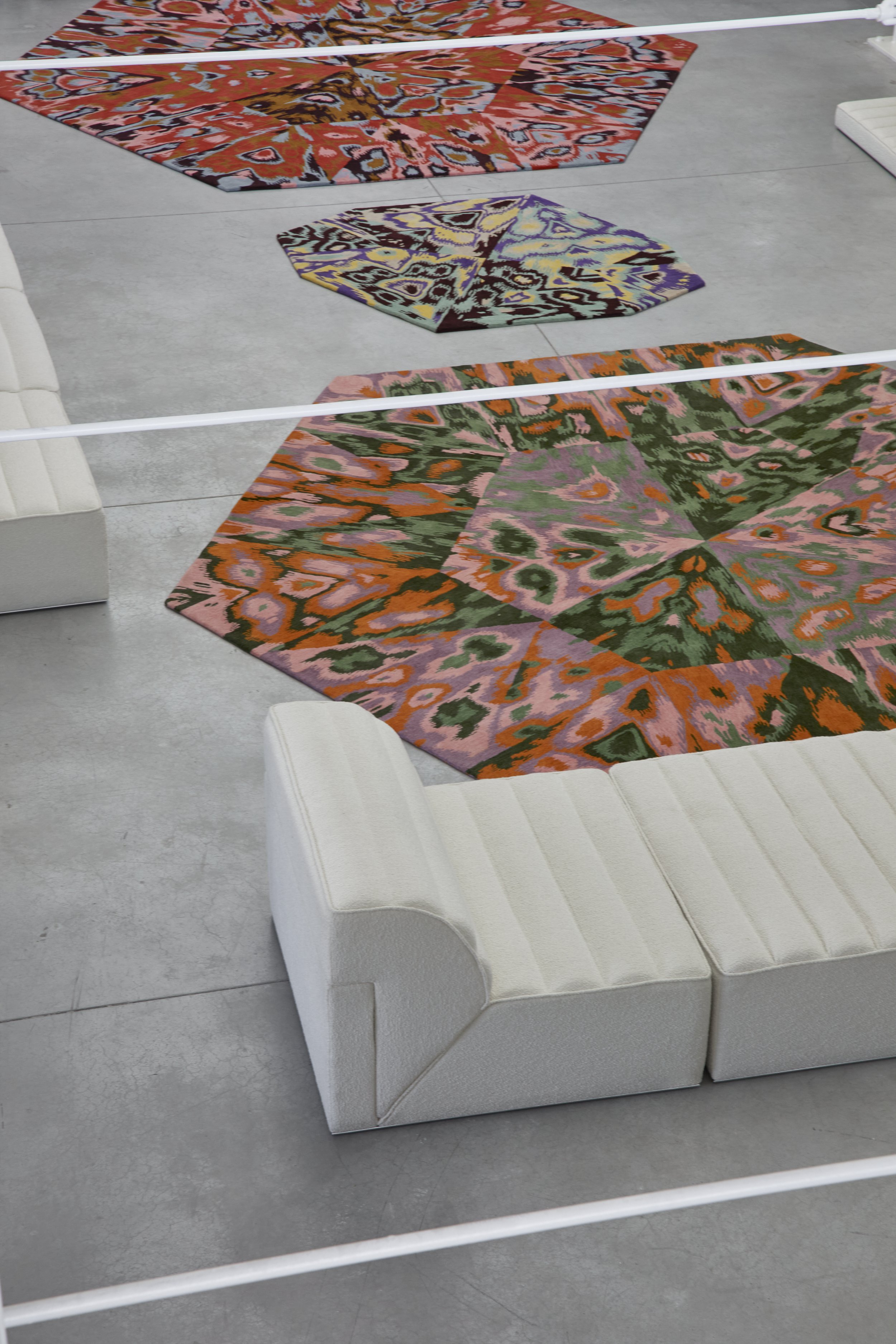 Image 17 of 23
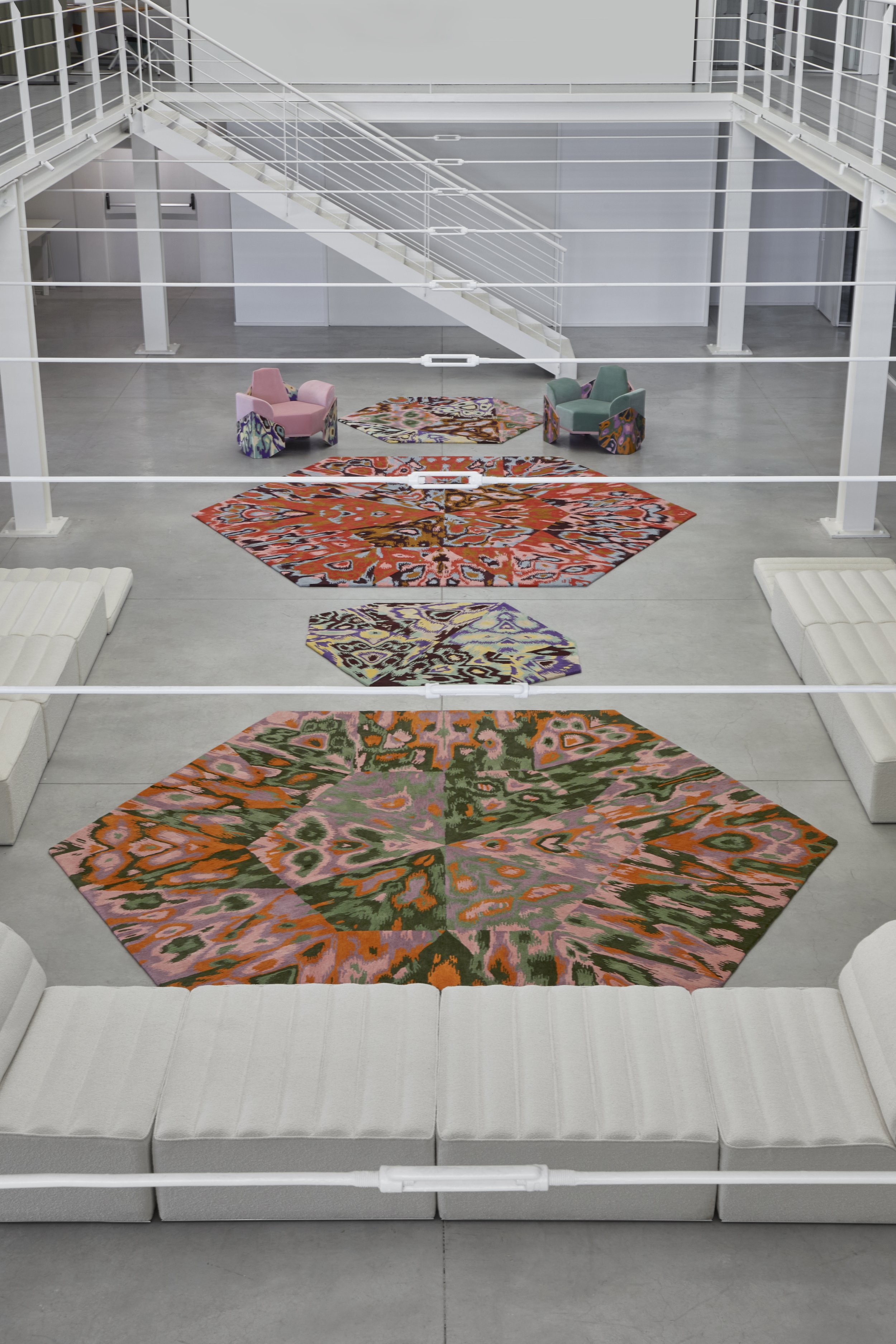 Image 18 of 23
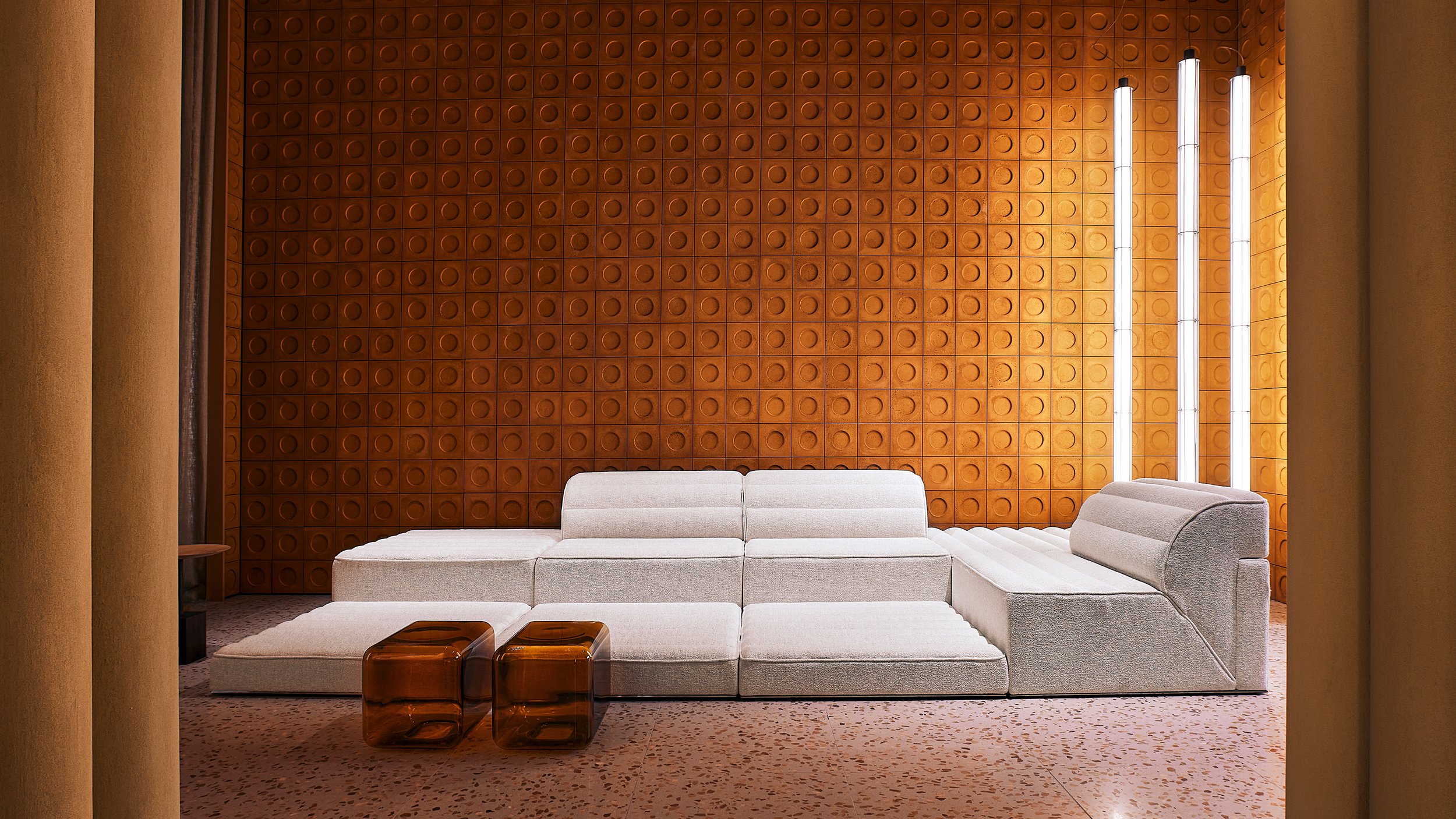 Image 19 of 23
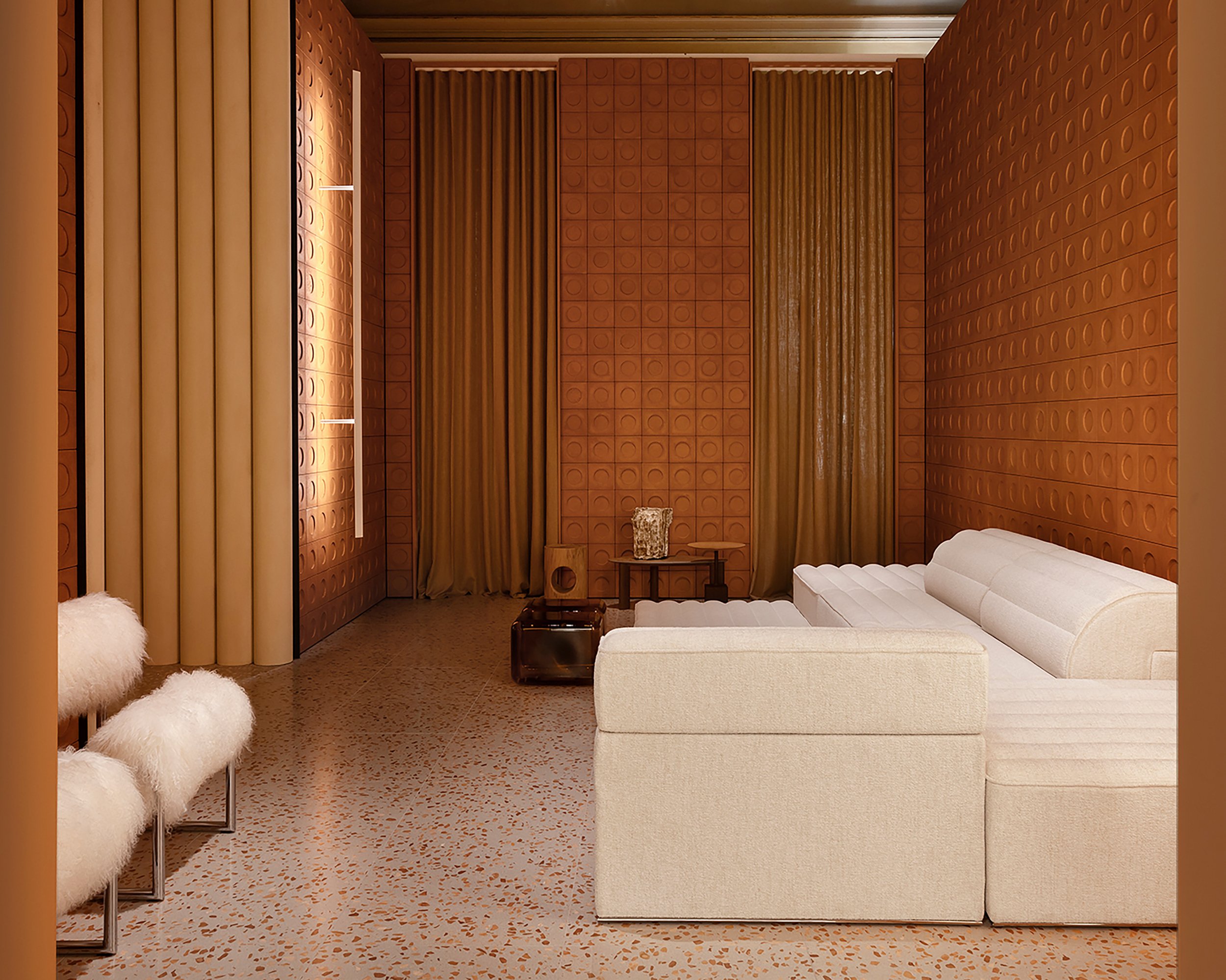 Image 20 of 23
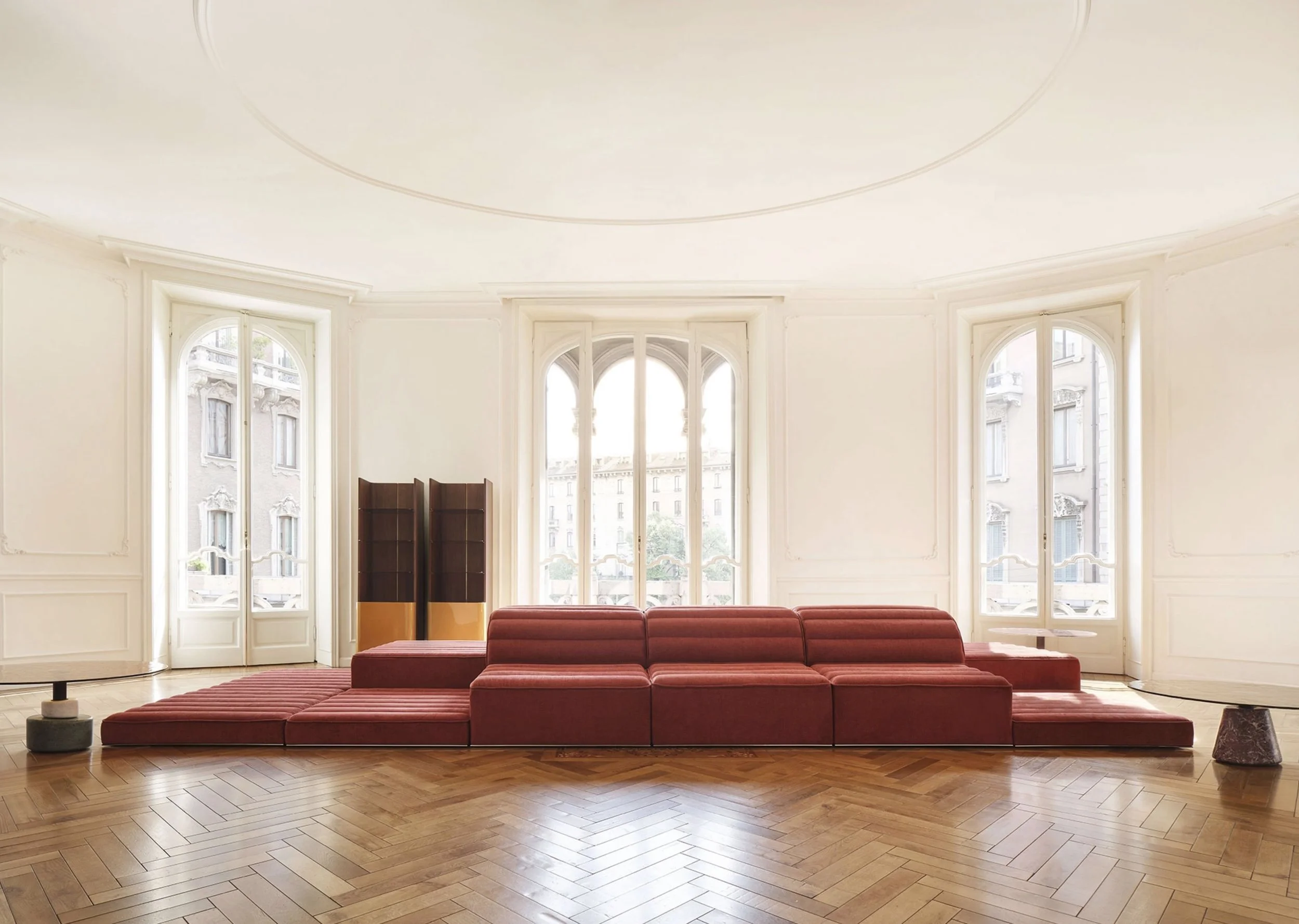 Image 21 of 23
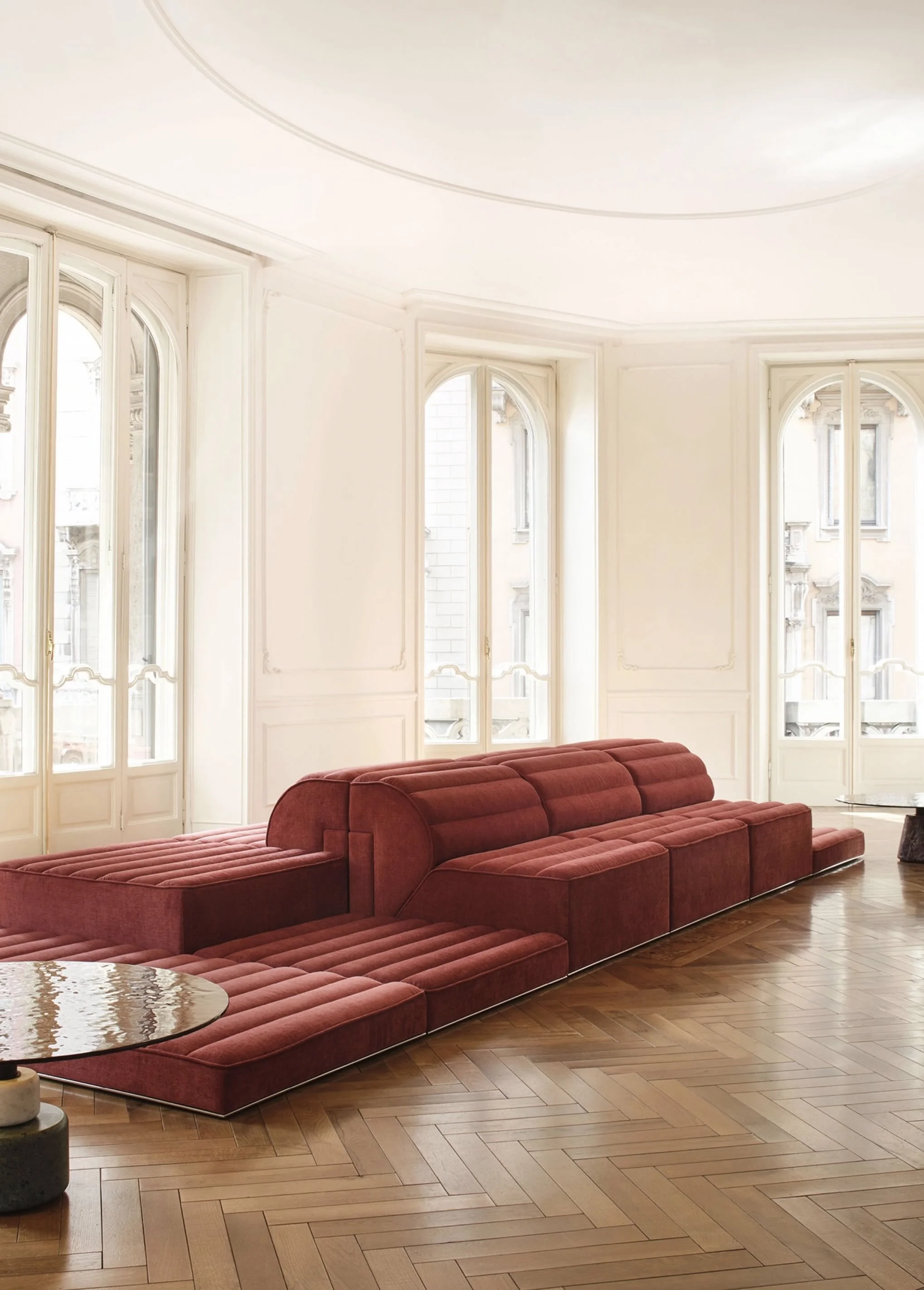 Image 22 of 23
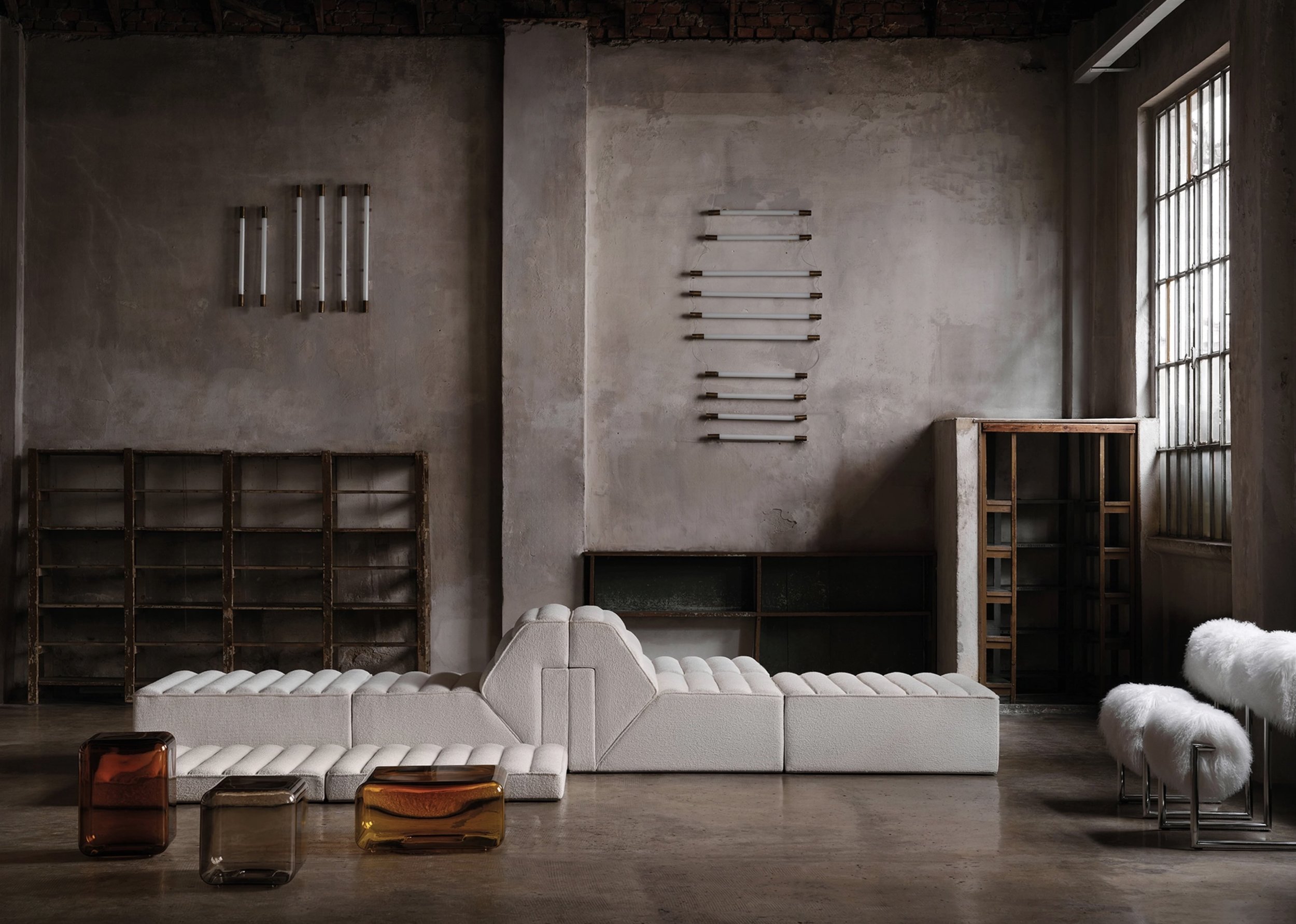 Image 23 of 23
Free System Modular Sofa
WHERE BEING COMFORTABLE PREVAILS
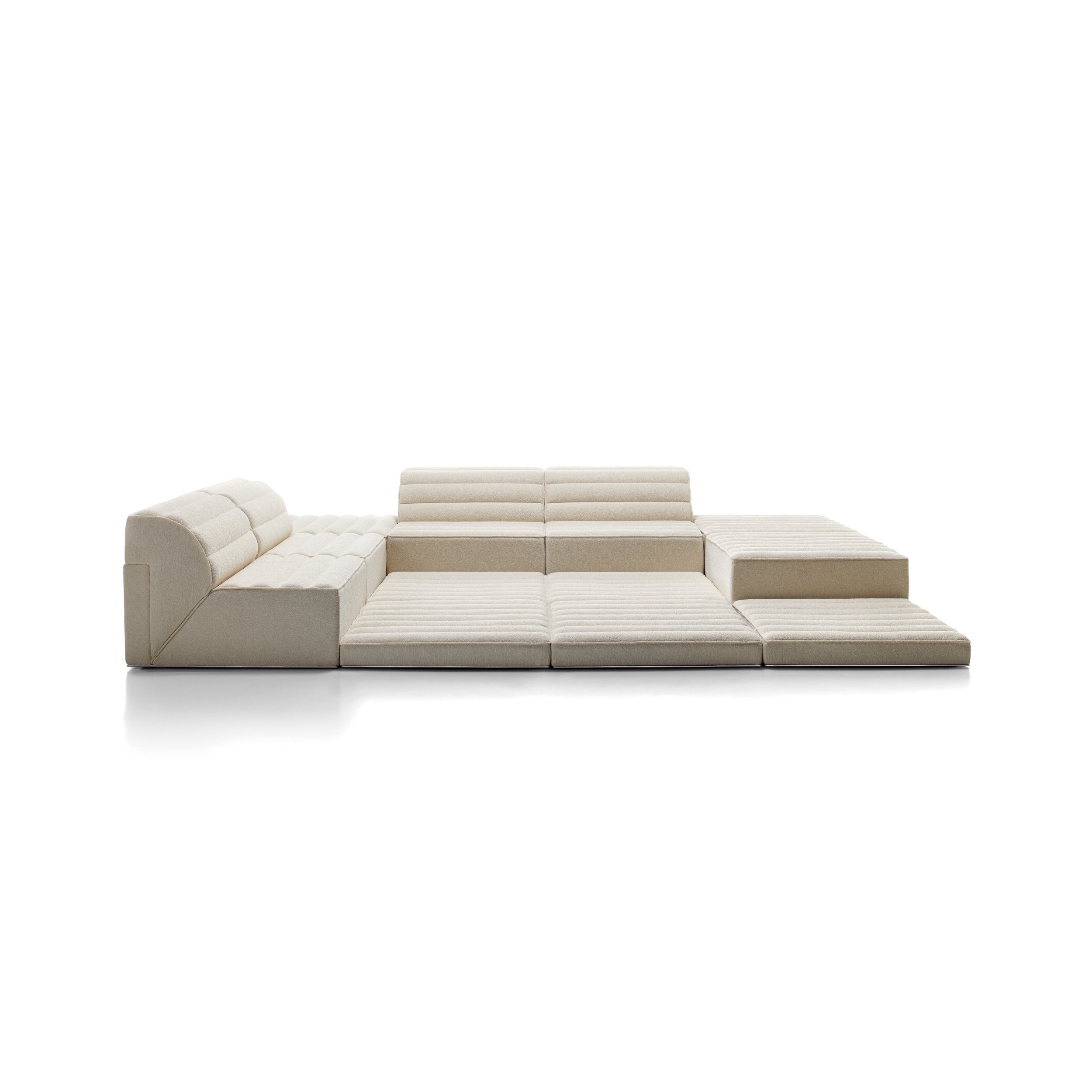
In 1973, Claudio Salocchi designed Free System: a system of padded furniture deriving from the concept of “operated flooring”, or tatami, where the padded units could be placed freely side by side. With its completely modular and sectional elements and from the perspective of an optimal use of space, we can view Free System sofa as the embodiment of the modern house utopia. A program of padded furniture that goes beyond the sofa model, Free System presents a series of elements (tatami, hassock and seat with different and interchangeable backrests) that make up a modular system that can be arranged in a variety of combinations.
Modular sofa. Price is per model. Upholstered furniture system with modular elements on a supporting structure of solid wood and plywood, base with elastic straps, feet and concealed coupling system. Padding in single-density polyurethane foam and polyester wadding. A system which can be freely combined with each other creating linear compositions or islands for large open spaces.
Dimensions
Model Reclined Backrest - W. 100cm (39 3/8") D. 100cm (39 3/8") H. 74cm (19 3/16")
Model Curved Backrest - W. 100cm (39 3/8") D. 100cm (39 3/8") H. 74cm (19 3/16")
Model Pouf - W. 100cm (39 3/8") D. 100cm (39 3/8") H. 39cm (15 3/8")
Model Tatami - W. 100cm (39 3/8") D. 100cm (39 3/8") H. 16cm (5/16")
MATERIALS
FABRIC

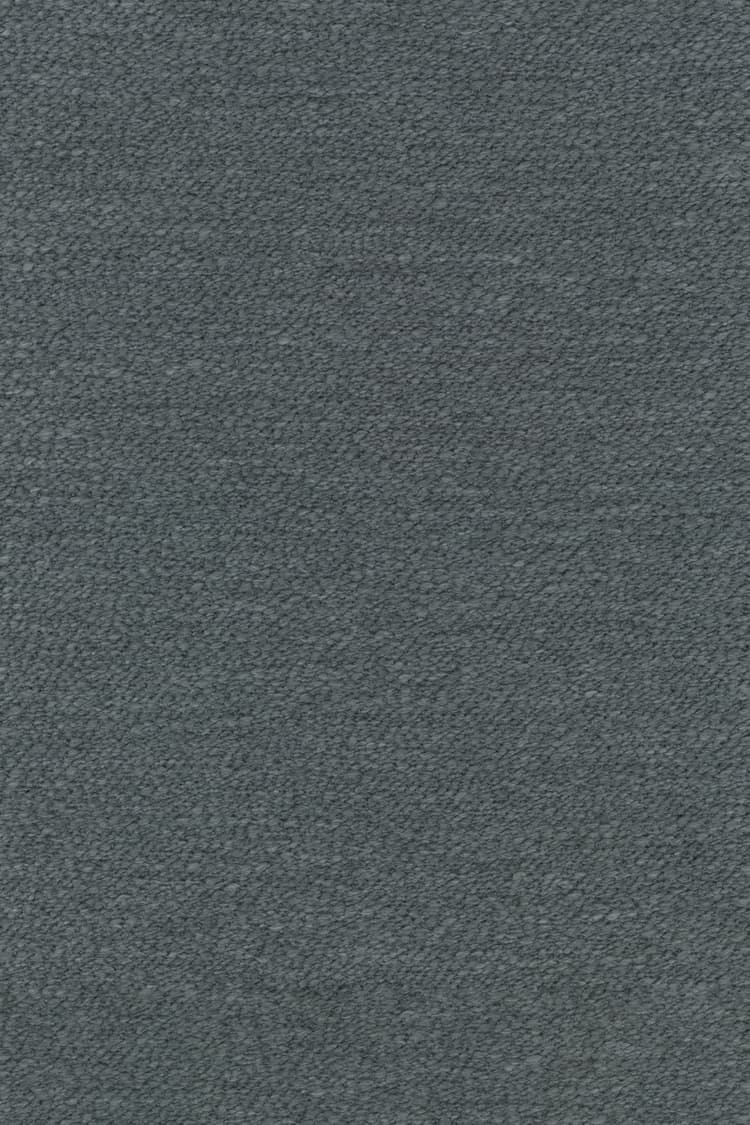

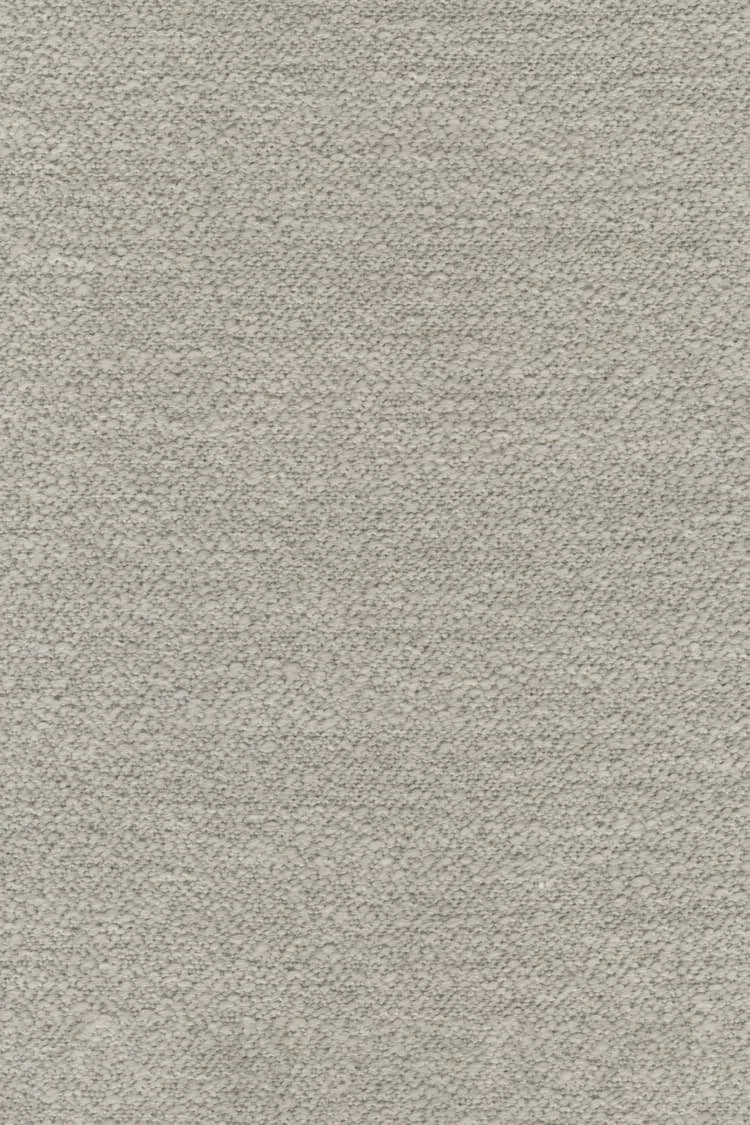
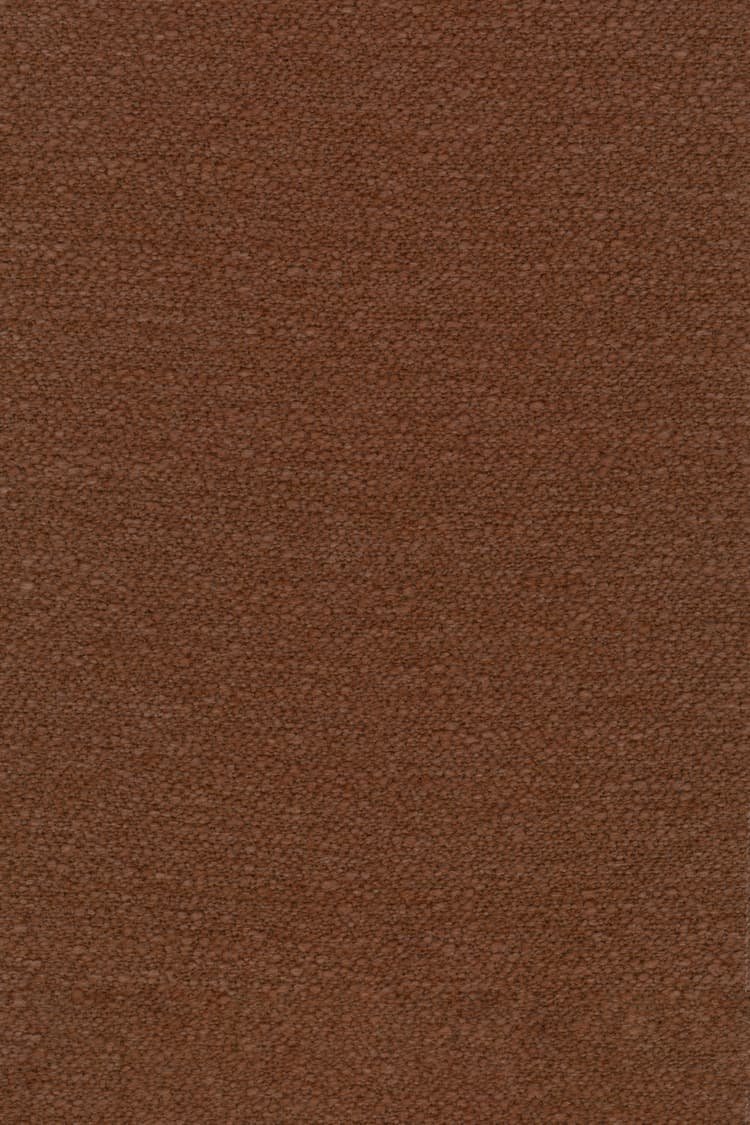
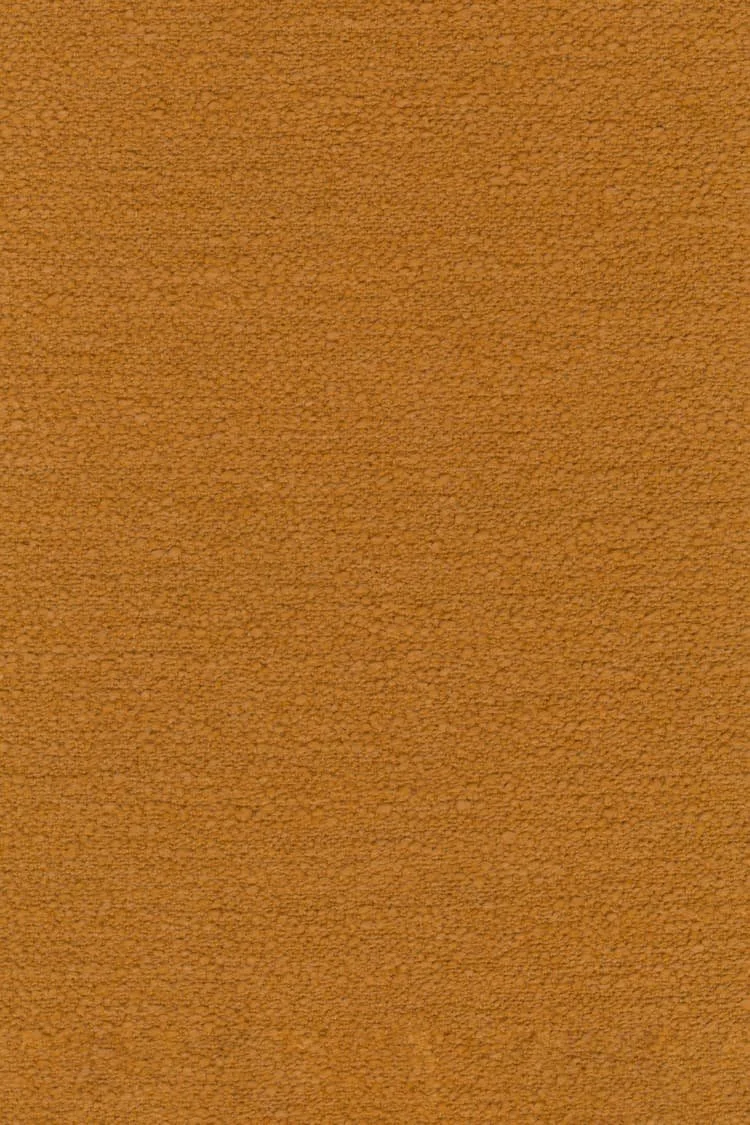

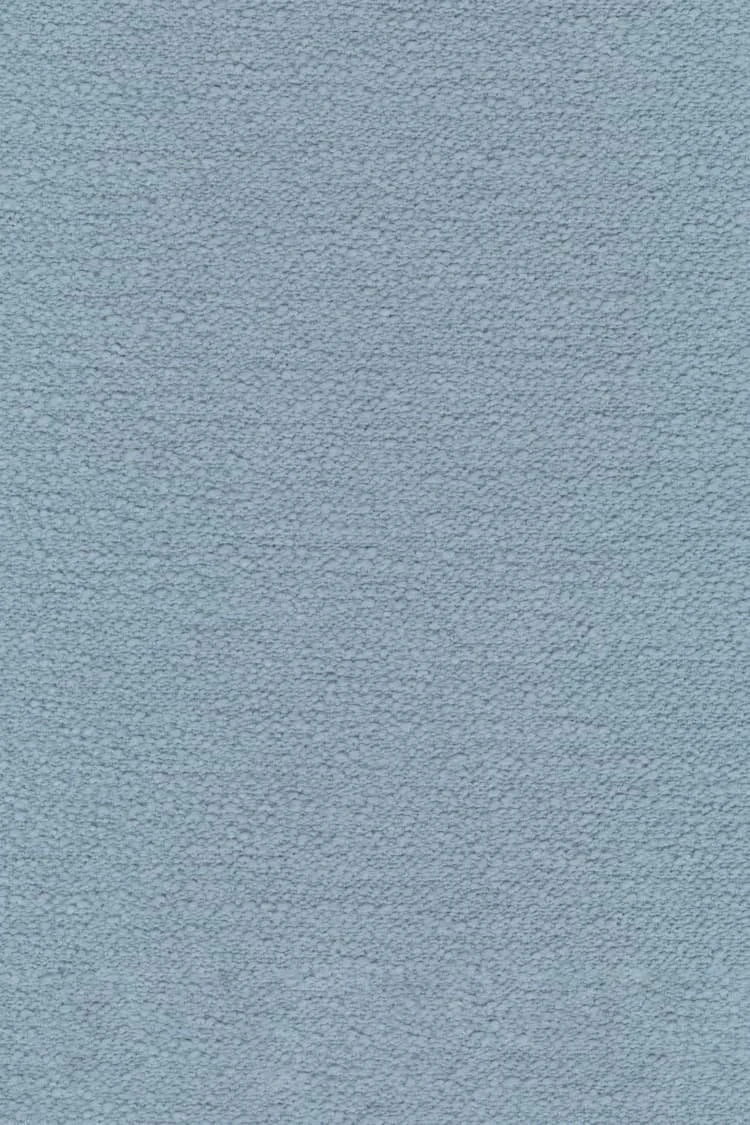
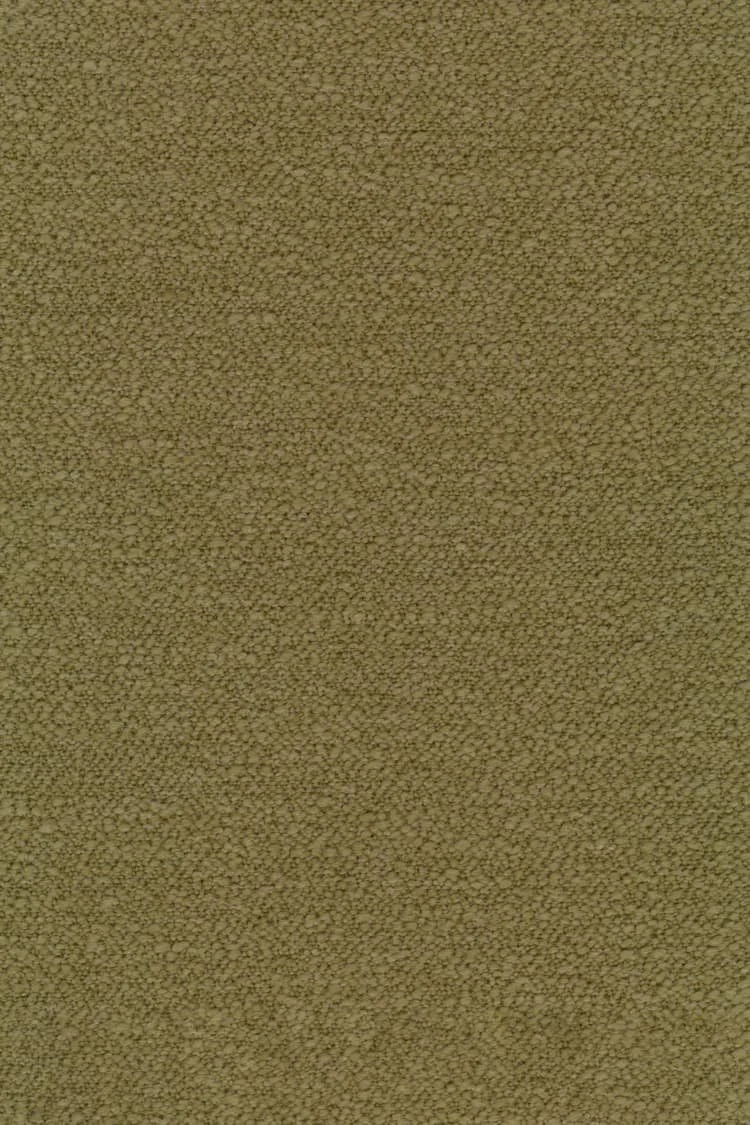

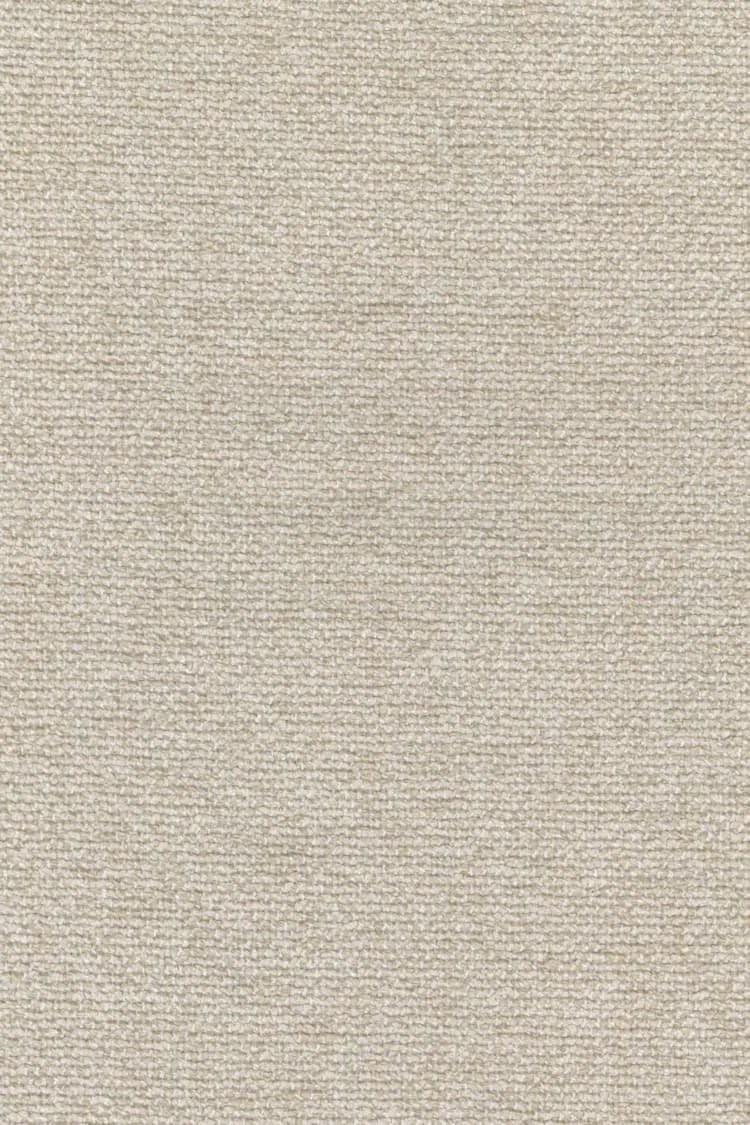
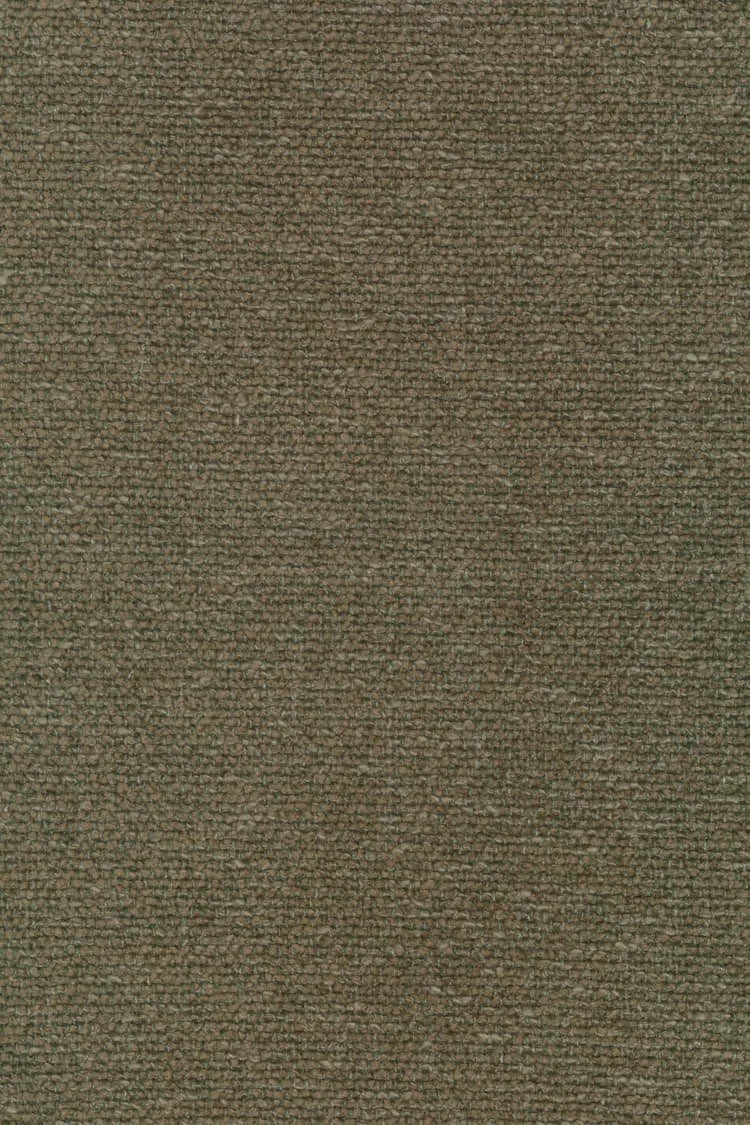

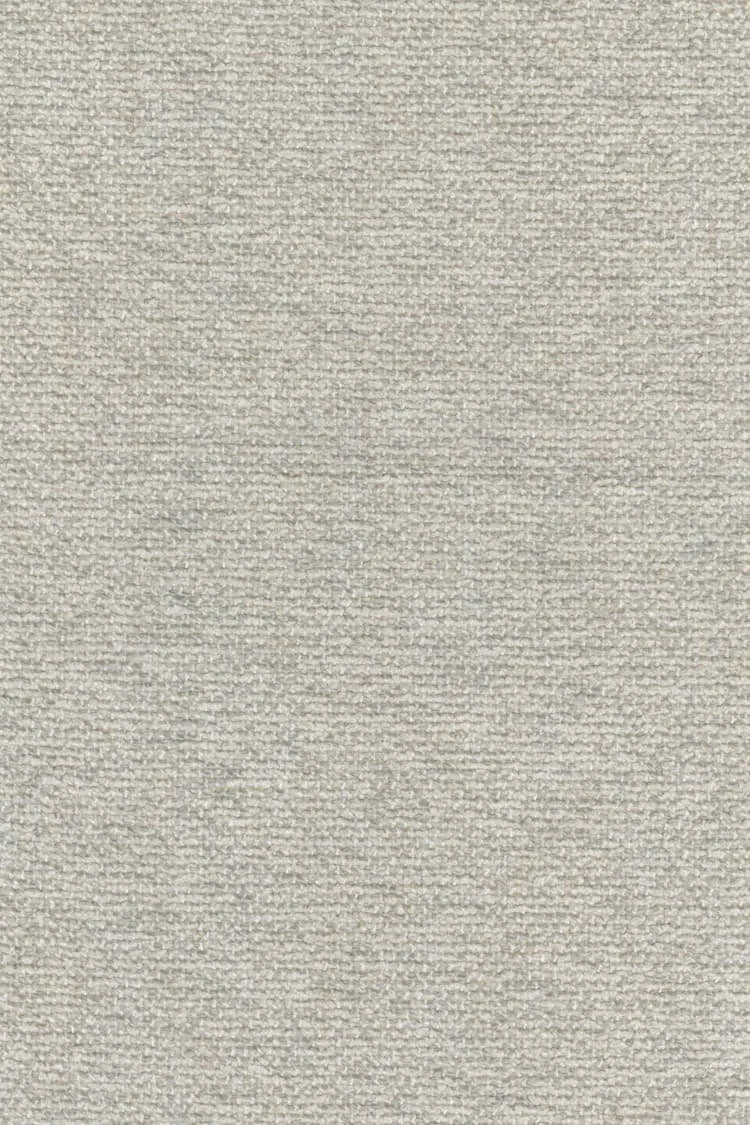
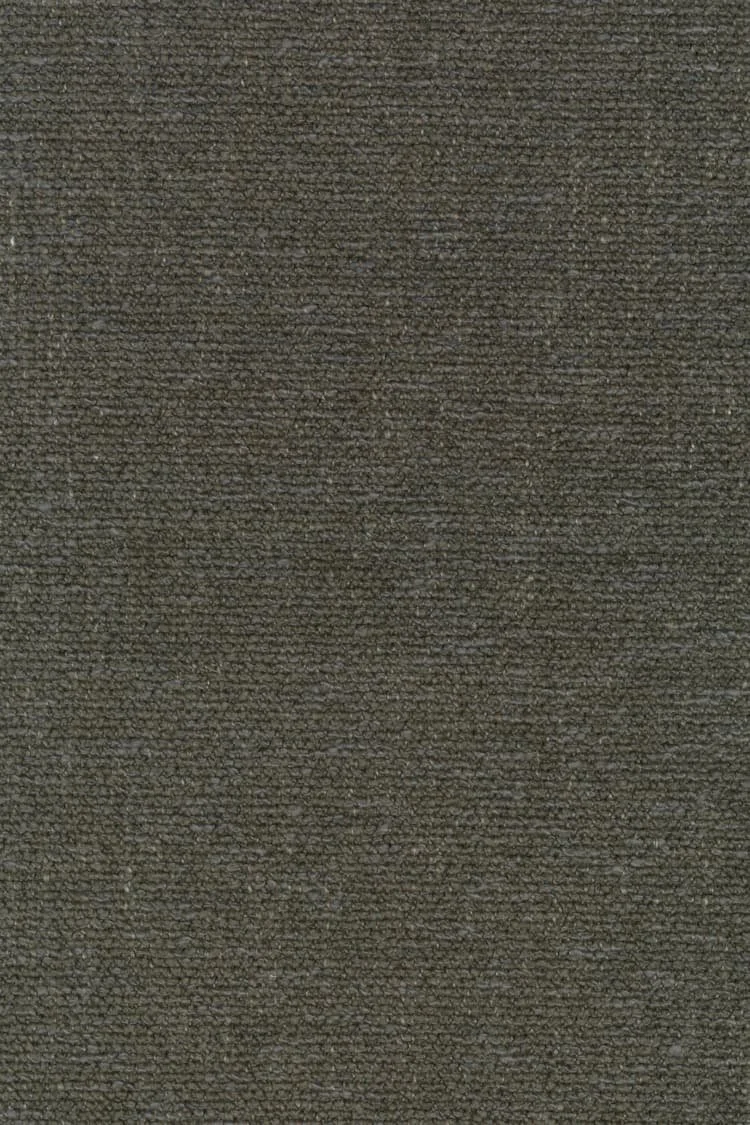
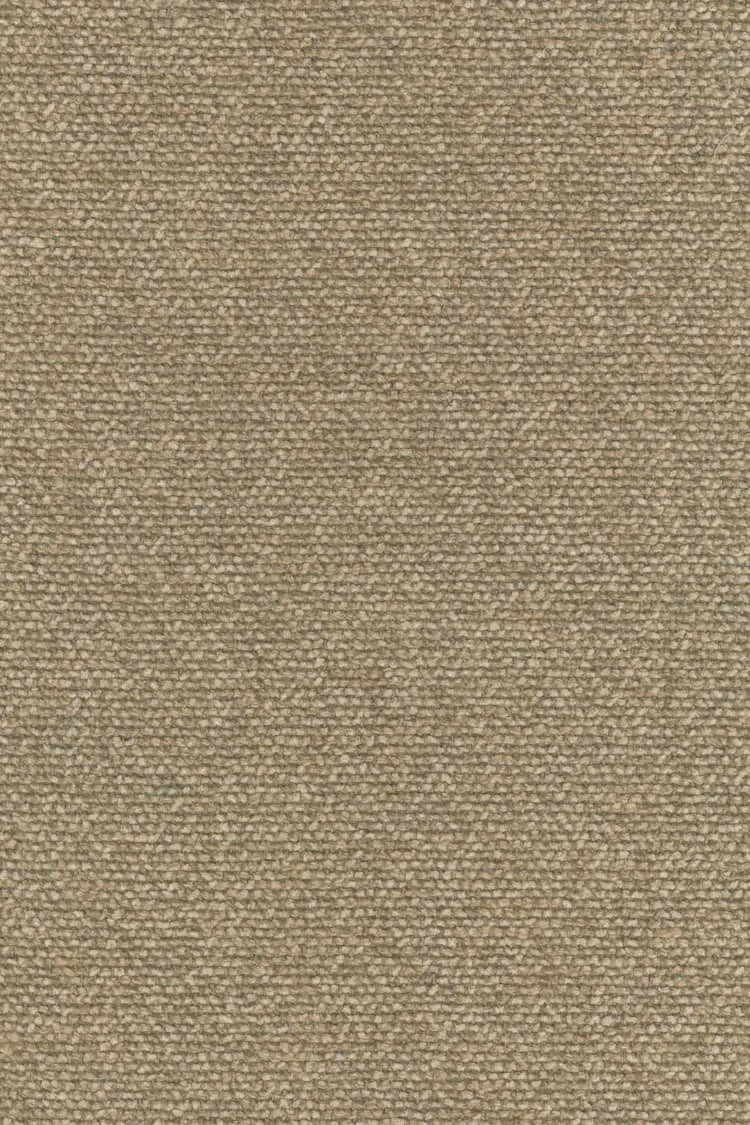
Leather


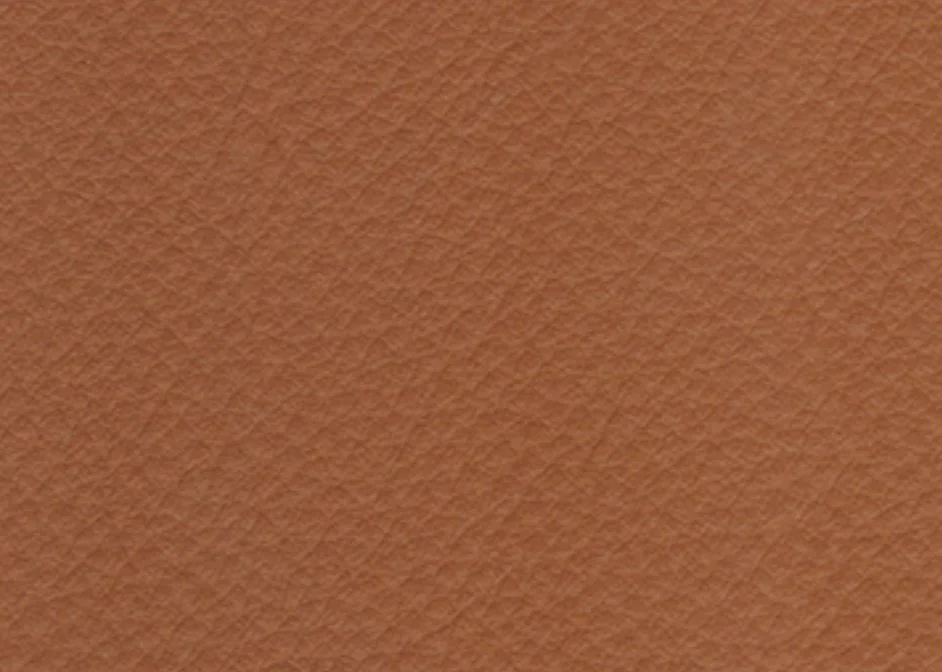


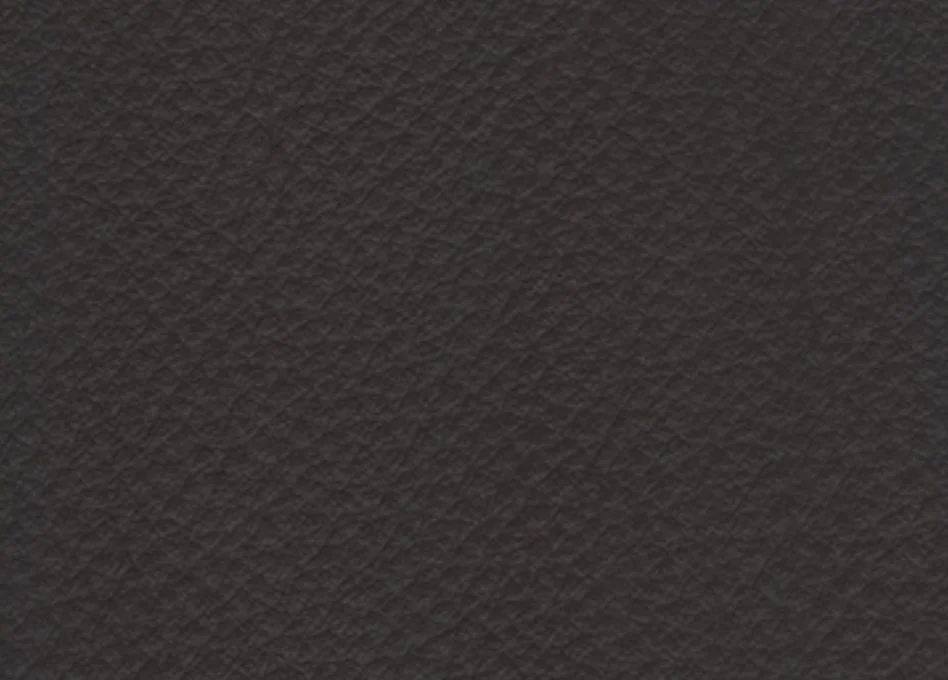
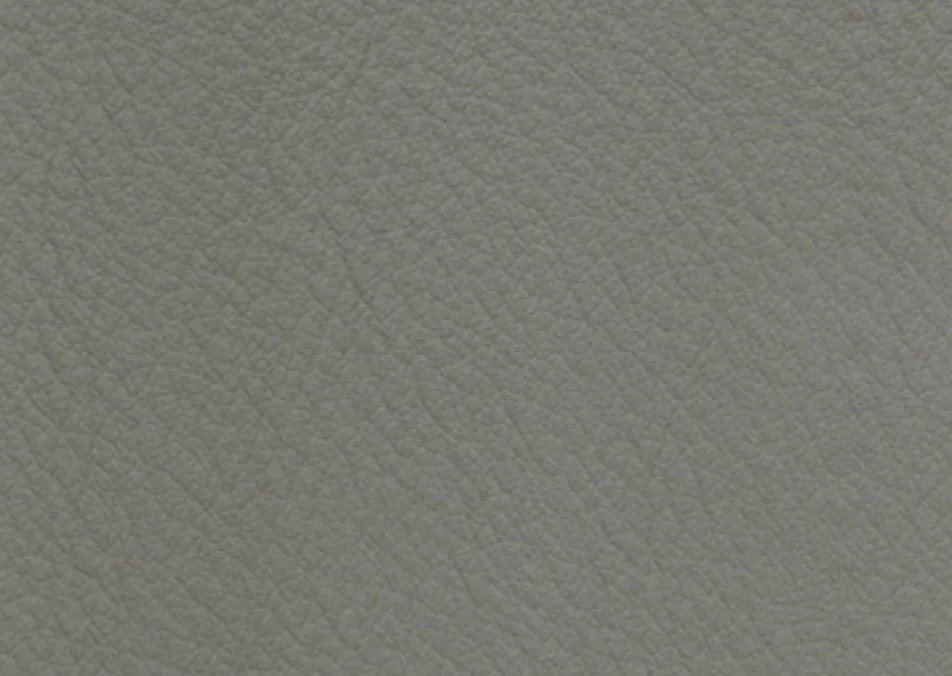

-
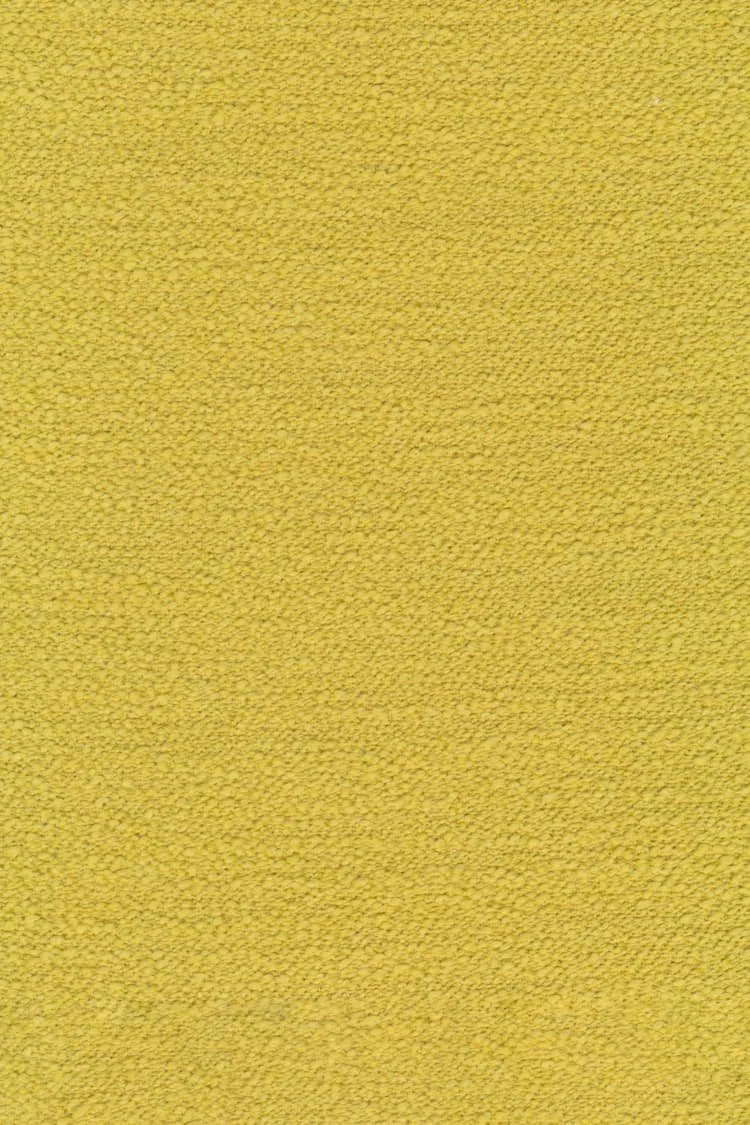
Helia Fabric by Kvadrat/Raf Simons:
(Pistachio, Ivory, Grey, Black, Chalk, Seppia, Orange, Wine, Blue, Moss, Forest)
Constructed to resemble the texture and sheen of Astrakhan, Helia is a bouclé textile with an organic, structured design that swirls across the surface. The fabric is a woven interpretation of the fur and the result of extensive research into the qualities of fur, combining both a luxurious appearance and an extremely soft handle.
Composition: 47% new wool worsted 32% polyacrylic 15% viscose 4% nylon 2% polyester
Moss Fabric by Sahco:
(Stone, Bark, Sand, Silver, Anthracite, Cork)
The second design by Vincent van Duysen and Anna Vilhelmine Ebbesen is the distinctive upholstery fabric Moss. The mixture of twisted yarn and chenille gives the fabric surface a textured structure with an appearance of movement, and also creates a soft handle which adds a special dimension to the furniture it covers. The twenty-two colourways are either one- or two-tone combinations inspired by Vincent van Duysen’s own home and range from cool cement and soft blue to oily green, curry yellow and the shades of natural wood.
Composition: 52% cotton 22% viscose 14% polyacrylic 6% linen 3% polyester 3% nylon
Full Grain Leather by Acerbis:
(White, Apricot, Rust, Tobacco, Black, Brown, Grey, Navy)
Hides of European bovines. Chemicals used for tanning, dying and finishing the leather do not contain substances which are hazardous for human health and the environment. Height 4,5/5 mq, Spessore 1,3/1,5 mm, Light fastness >6, Fire resistance: UNI EN 1021-1/2, California TB 117-2013.
DESIGNEr
claudio salocchi
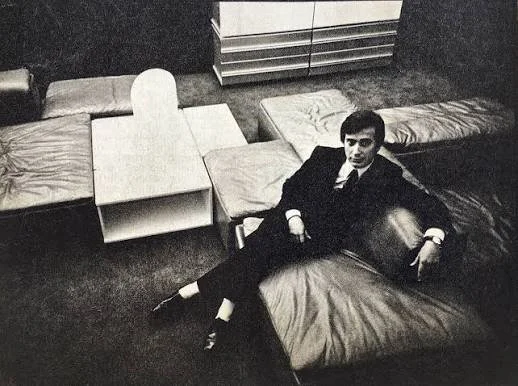
Claudio Salocchi
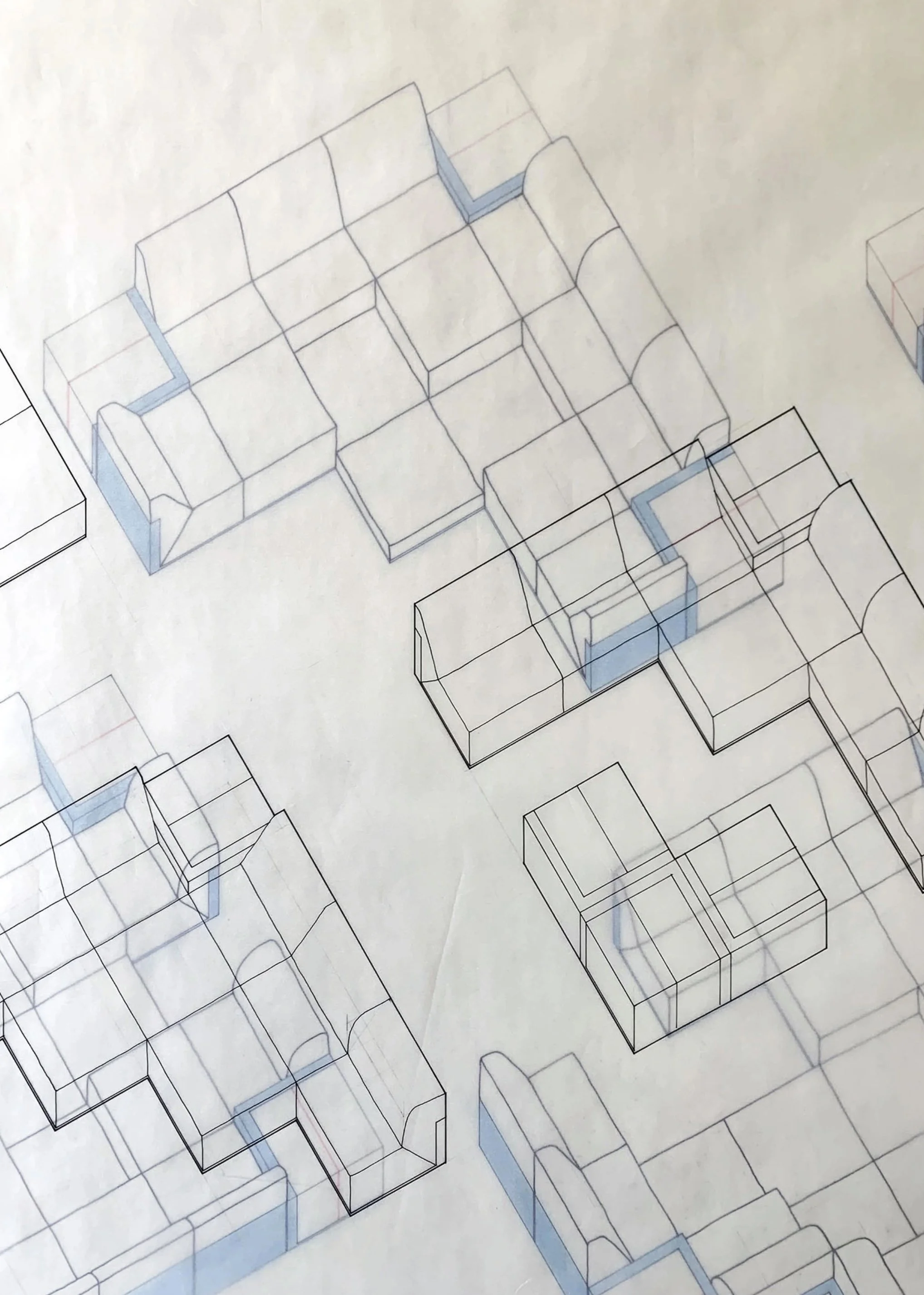
Free System Modular Sofa
Claudio Salocchi (Milan, 1934 – 2012) was an Italian architect and designer. He was a protagonist of the creative ferment of the 1960s and 70s, deeply attuned to the cultural and social transformations of the time. Through his work, he translated those changes into projects that anticipated forms, functionalities, technologies, and new typologies, many of which became trends years later. In his long career he was internationally involved for more than fifty years in the fields of industrial design, architecture and interior design. From 1967 he was a member of ADI, the Association for Industrial Design, of which he was vice president from the 80s until the beginning of the 90s. He was an independent and unclassifiable figure. As a designer, his work was closely tied to exclusive collaborations with emerging companies of the time. These companies quickly distinguished themselves through unique products, making a significant contribution to the history of Italian design. He researched and was interested in prefabrication, creativity, and design matters, and with the group “Ricerche Non Finalizzate”, he took part in the expositions at the Triennale di Milano in 1968 and 1973.
MANUFACTURER
ACERBIS
One of the most enduring furniture companies in Italy, Acerbis stands as a connoisseur’s benchmark of Italian design — a pioneer with 150 years of expertise, whose continual search for modernity has produced creations of stunning innovation. First founded in 1870 by Benvenuto Acerbis in Bergamo’s Valle Seriana, Acerbis introduced cutting-edge industrial production and collaborations with some of Italy’s most trailblazing designers by the 1960s under Lodovico Acerbis, including Giotto Stoppino, Massimo and Lella Vignelli, Vico Magistretti, Nanda Vigo and Gianfranco Frattini.
Acerbis impart a fundamental luxury experience of design for users to match the conceptual aesthetic solutions of the furnishings. Over these years of experimentation and industrialization, Acerbis forged its DNA of Italian ingenuity for a future-gazing clientele ever since. Today this mission continues with fresh vigor. With industry leader MDF Italia investing in Acerbis for a newly cemented partnership, and recently appointed creative directors Francesco Meda and David Lopez Quincoces helming a dynamic path forward, Acerbis affirms its family-led lineage of pace-setting vision, and its universe of designs that unite function and the avant-garde.
Looking to the past to face the challenges of the future, Acerbis takes on the great changes of our era, and the need to create a more sustainable society — a future that returns to a time when objects were made to last, when we needed only a few things but things that were beautiful and high-quality, when design meant a radical break from tradition and creating innovative products with the latest technology and material developments.
Acerbis will continue to offer beauty and functionality, like that found in all the iconic products of the company, which in its 150 years of experience has created products whose modernity survives the decades and remains avant-garde even today, and for the future. Continuing this mission means maintaining Acerbis as a place of research and experimentation, of new collaborations with both emerging and celebrated designers, and of breakthrough new products that will become future icons of design.
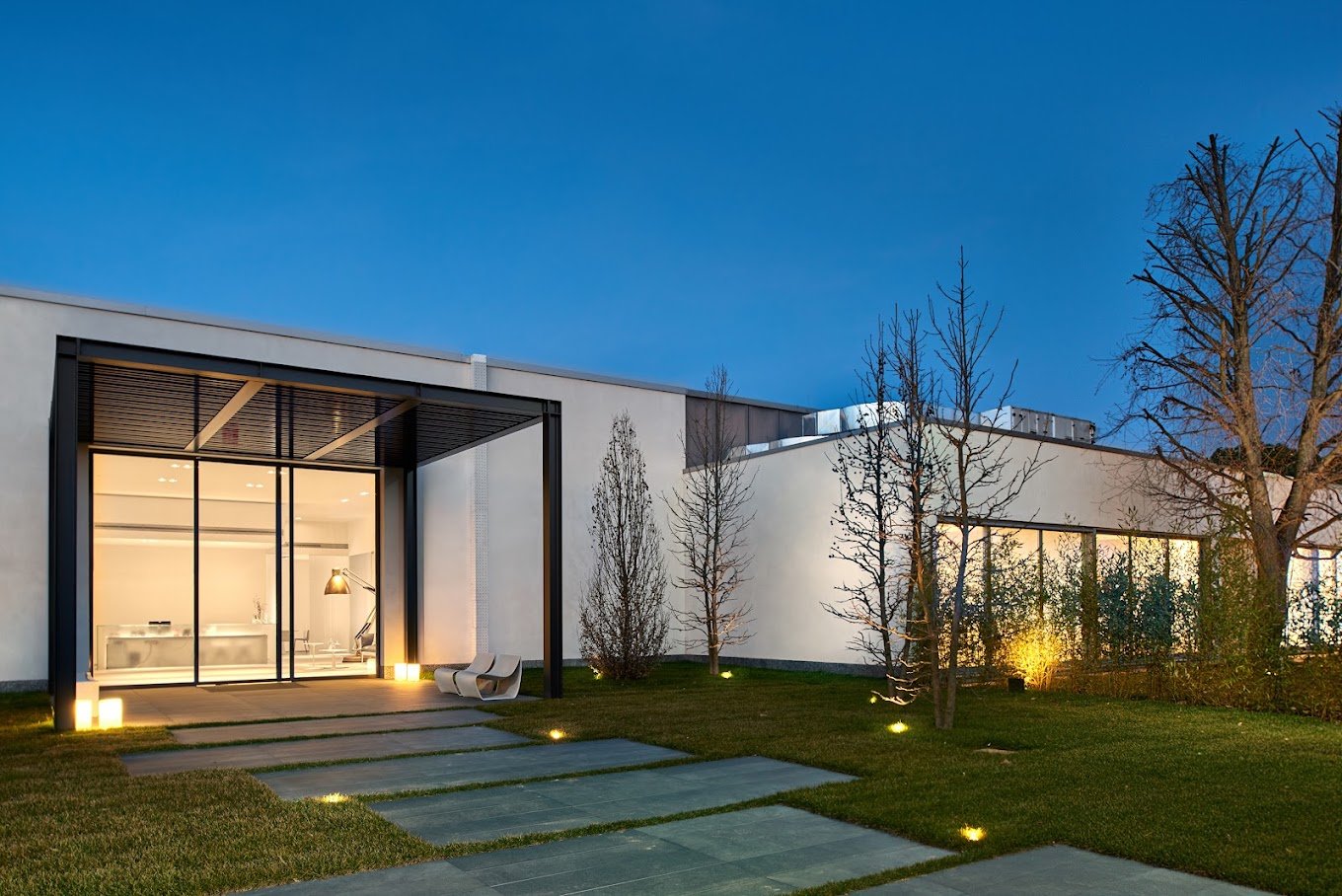
Acerbis Headquarters