
 Image 1 of 26
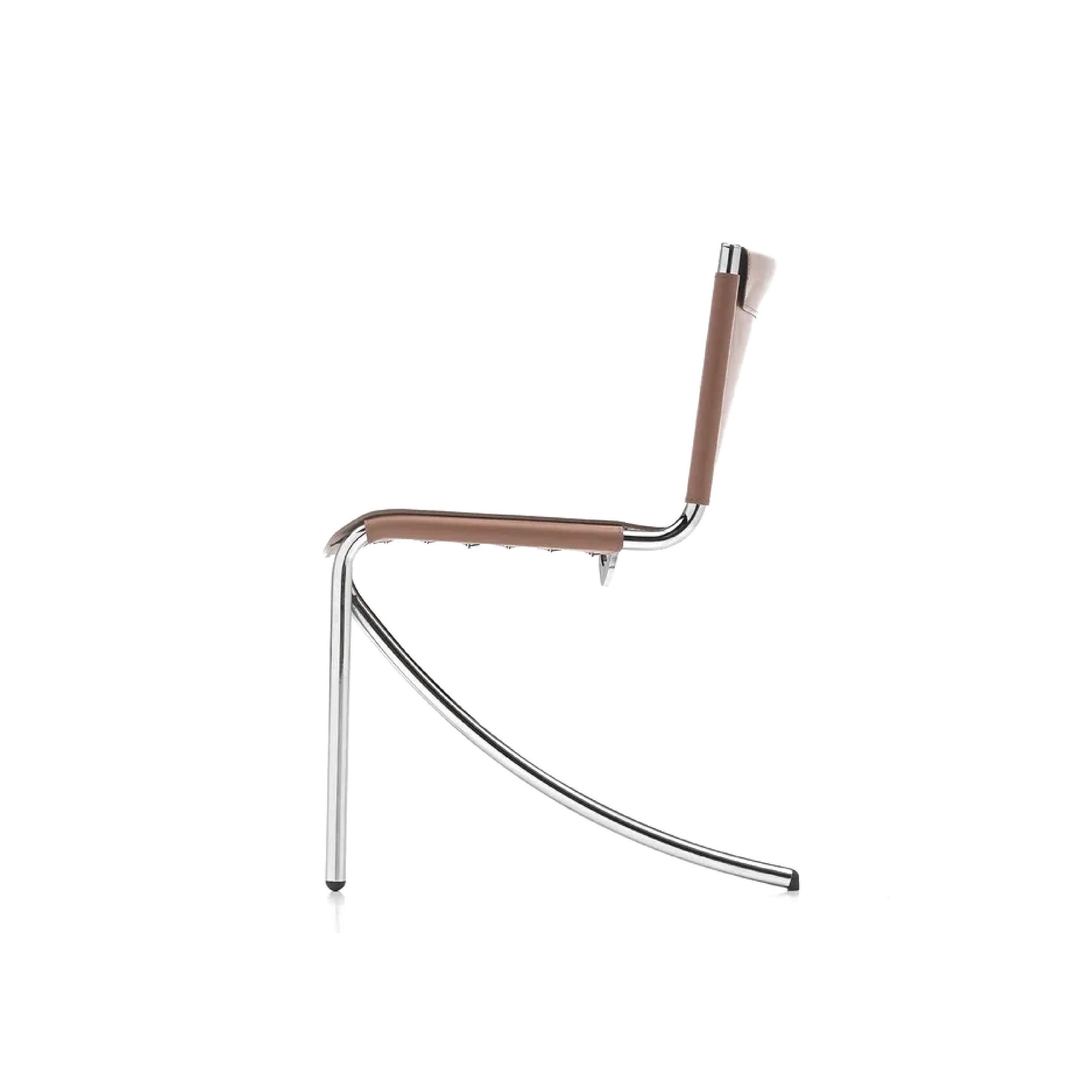 Image 2 of 26
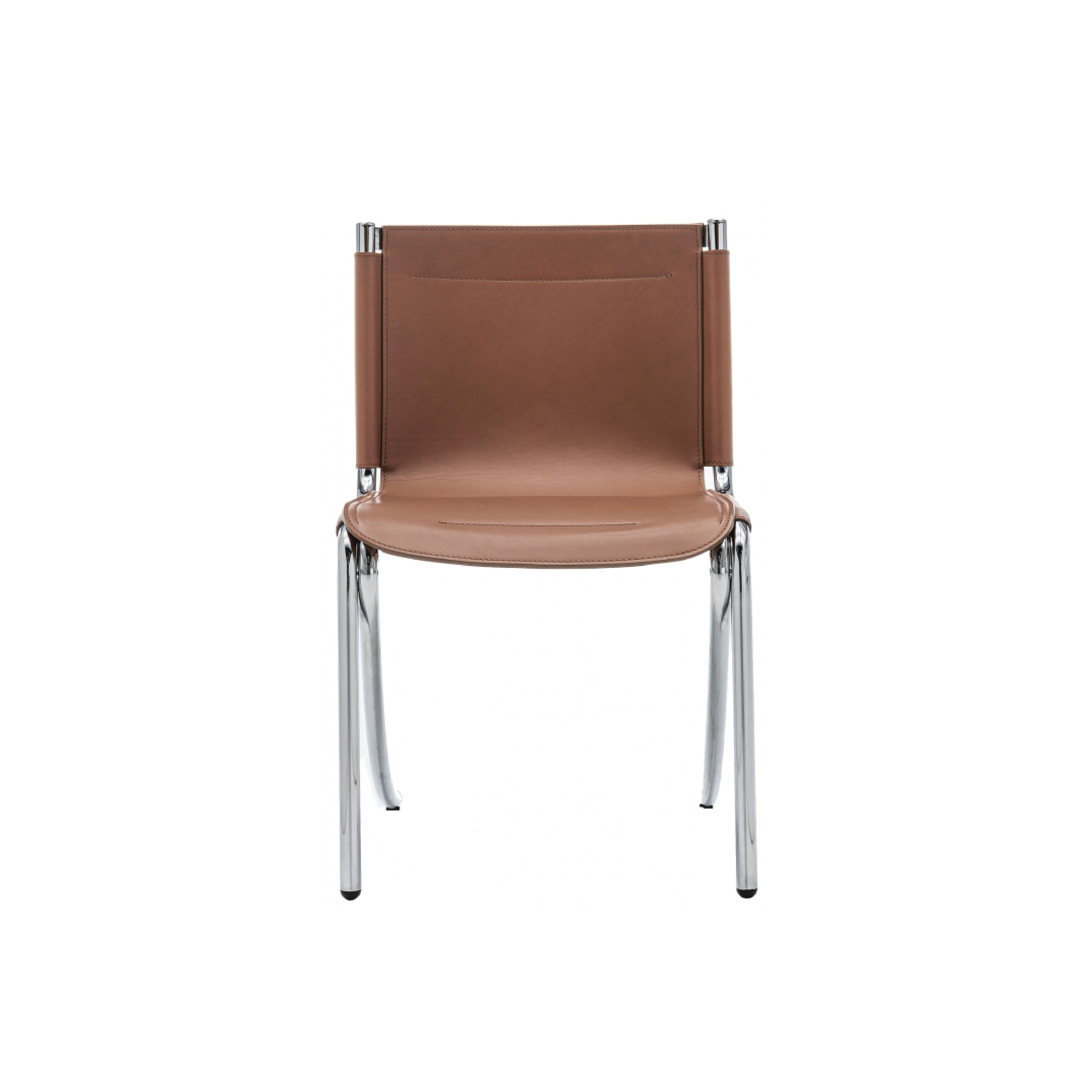 Image 3 of 26
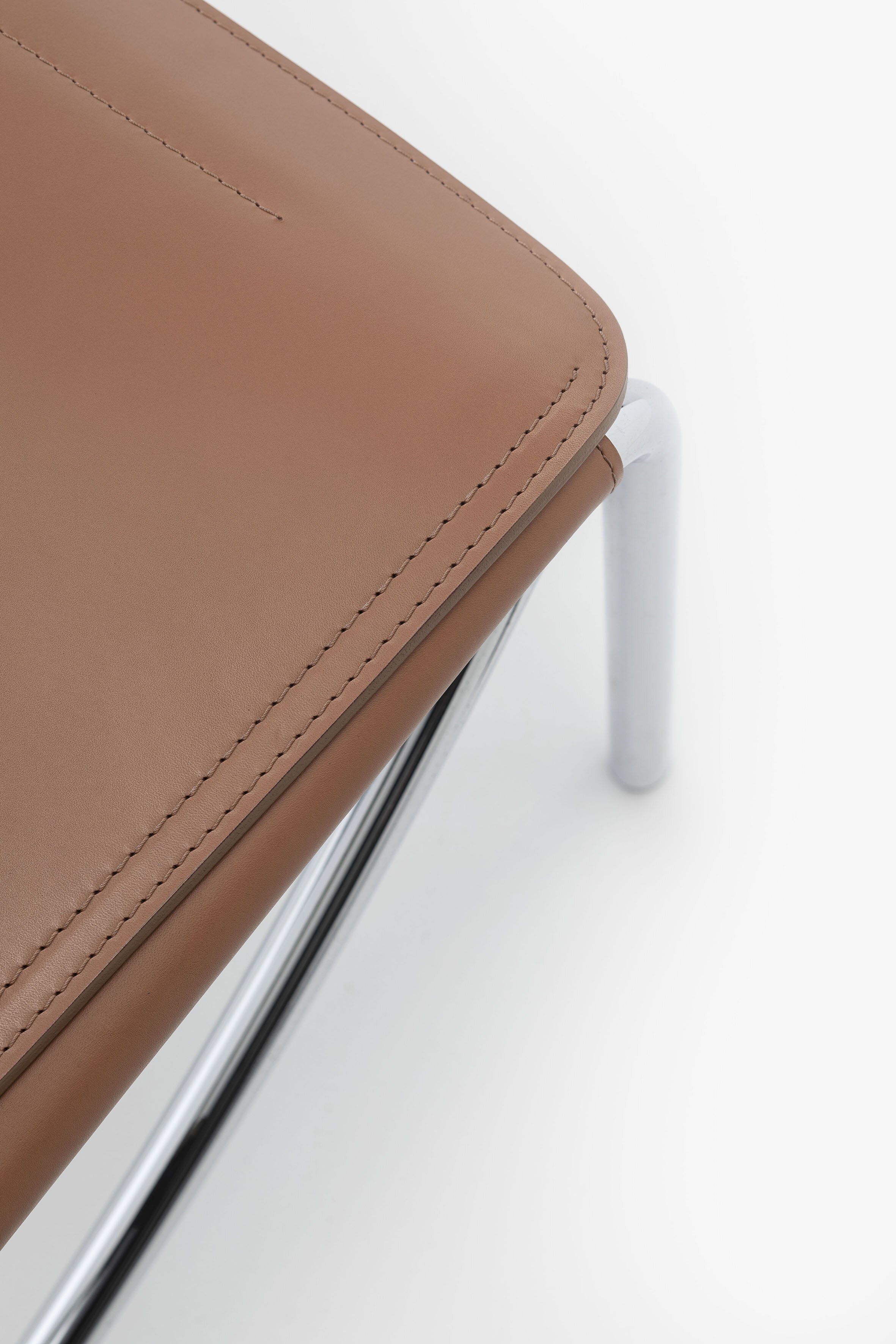 Image 4 of 26
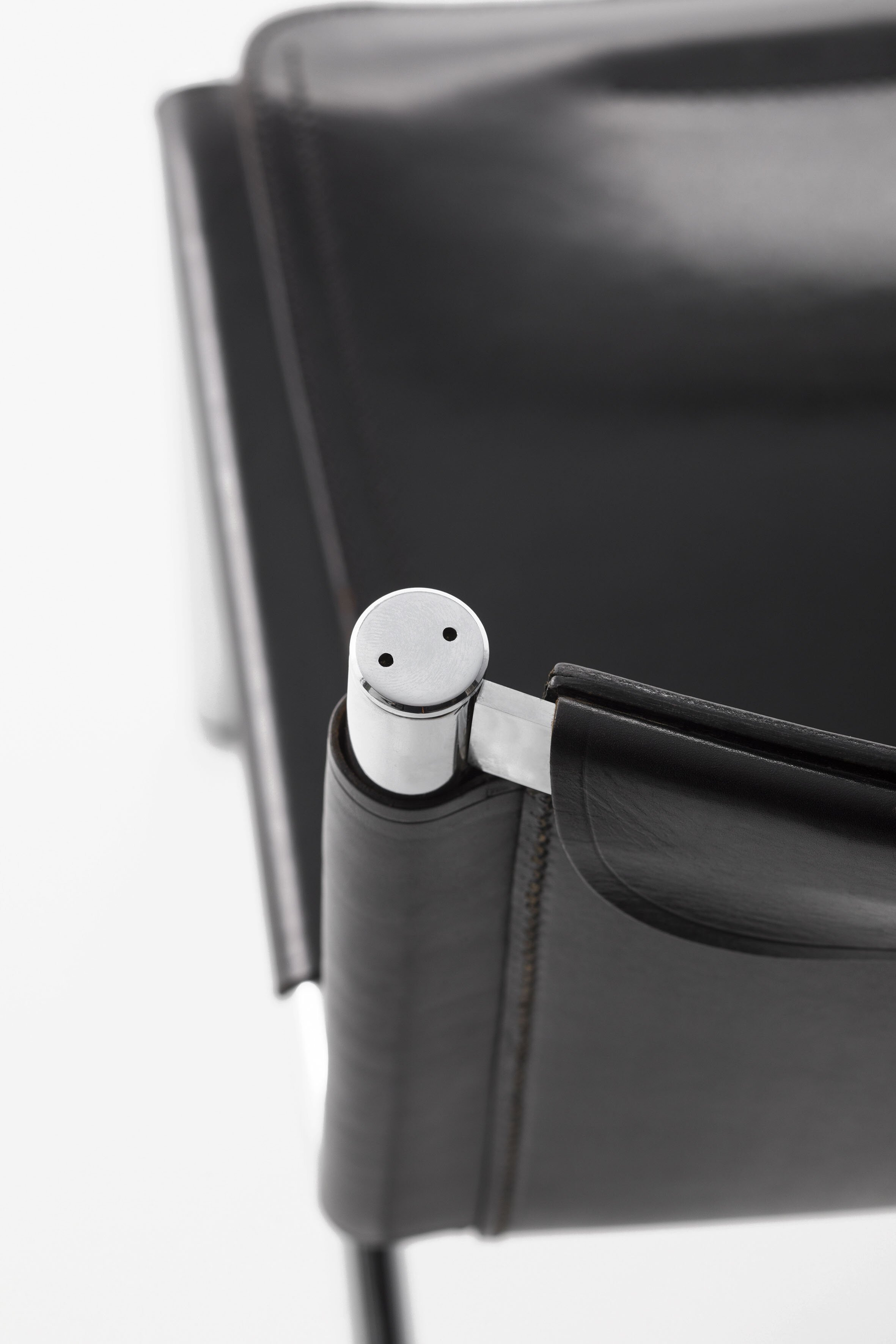 Image 5 of 26
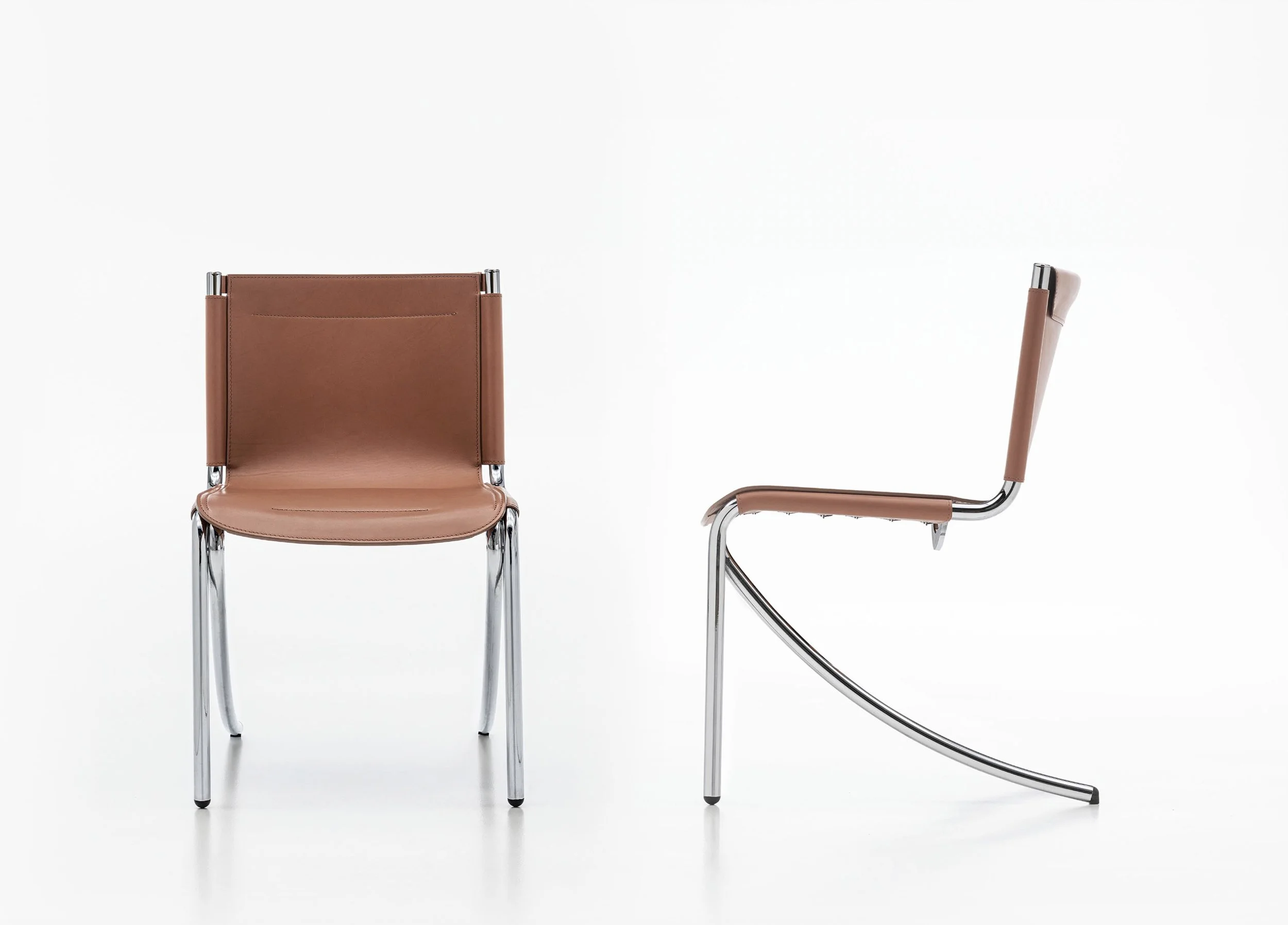 Image 6 of 26
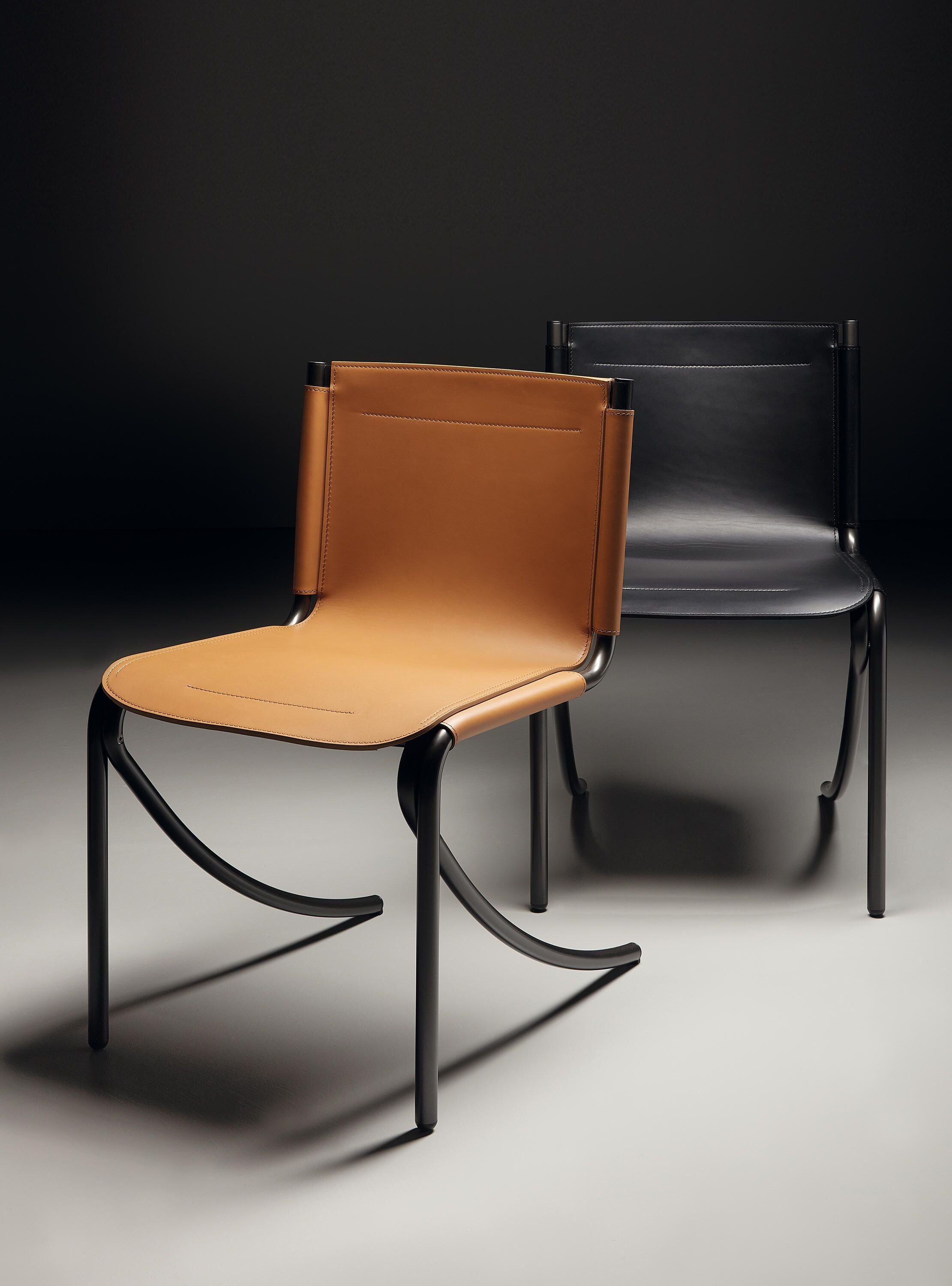 Image 7 of 26
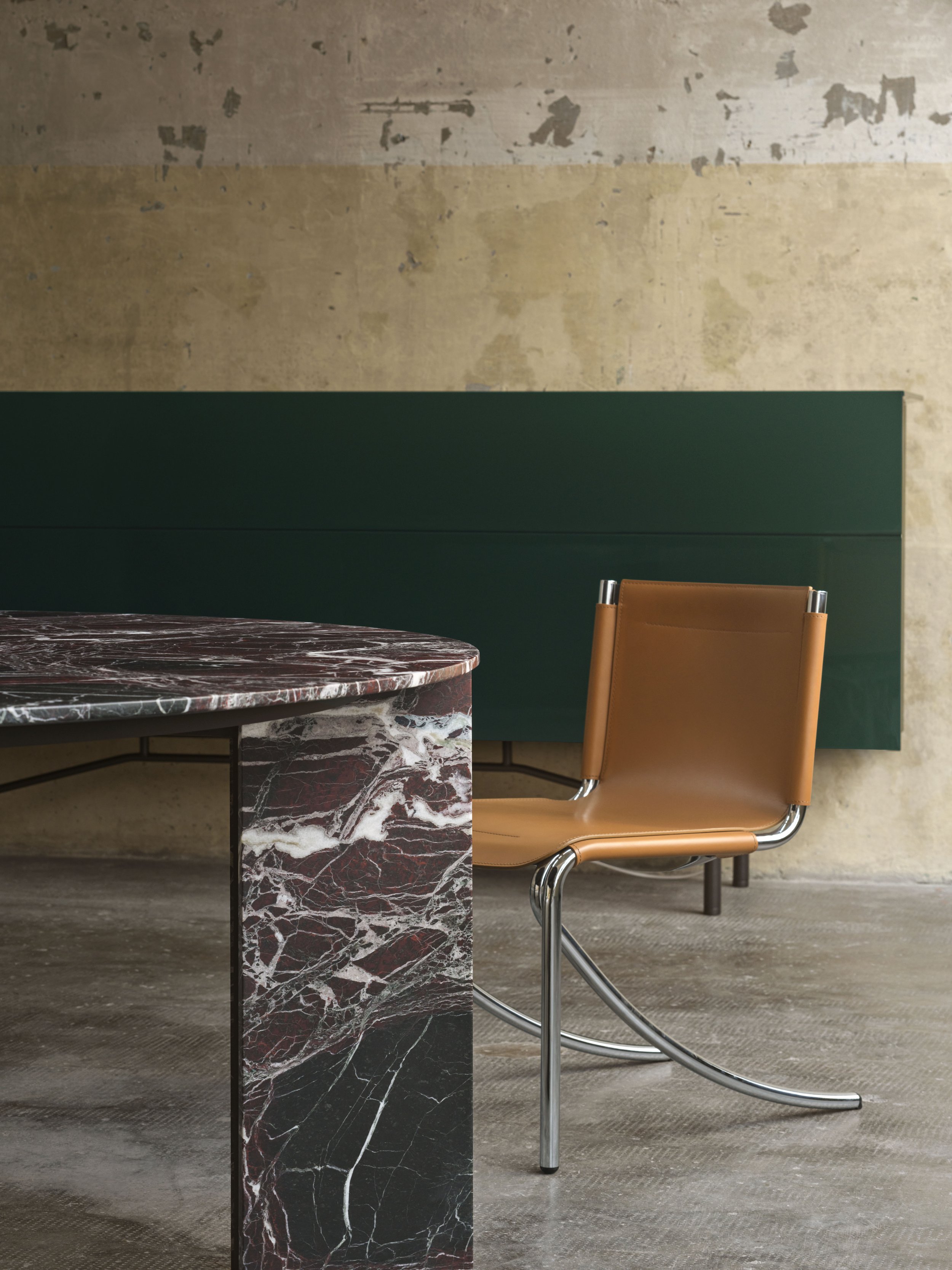 Image 8 of 26
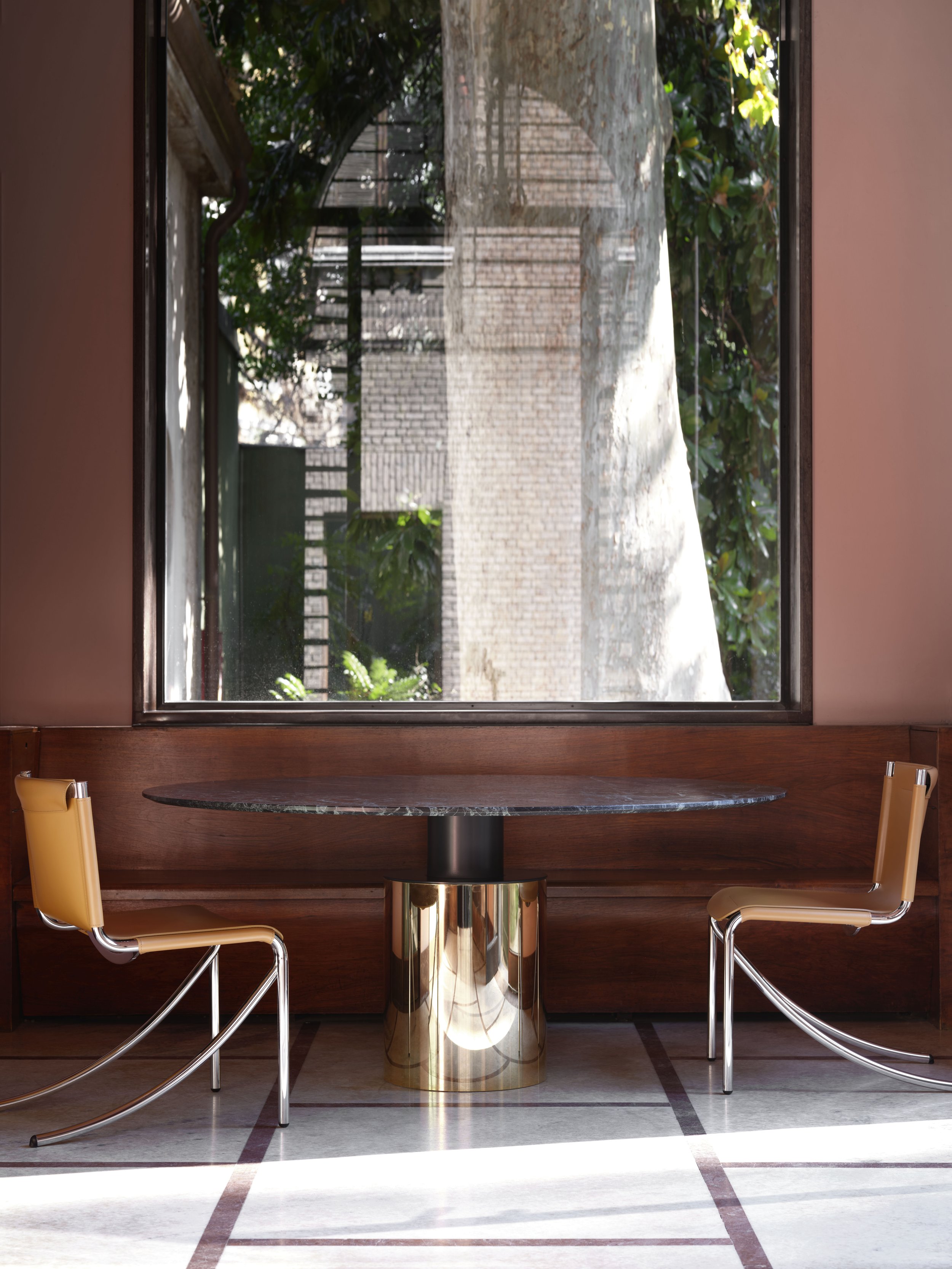 Image 9 of 26
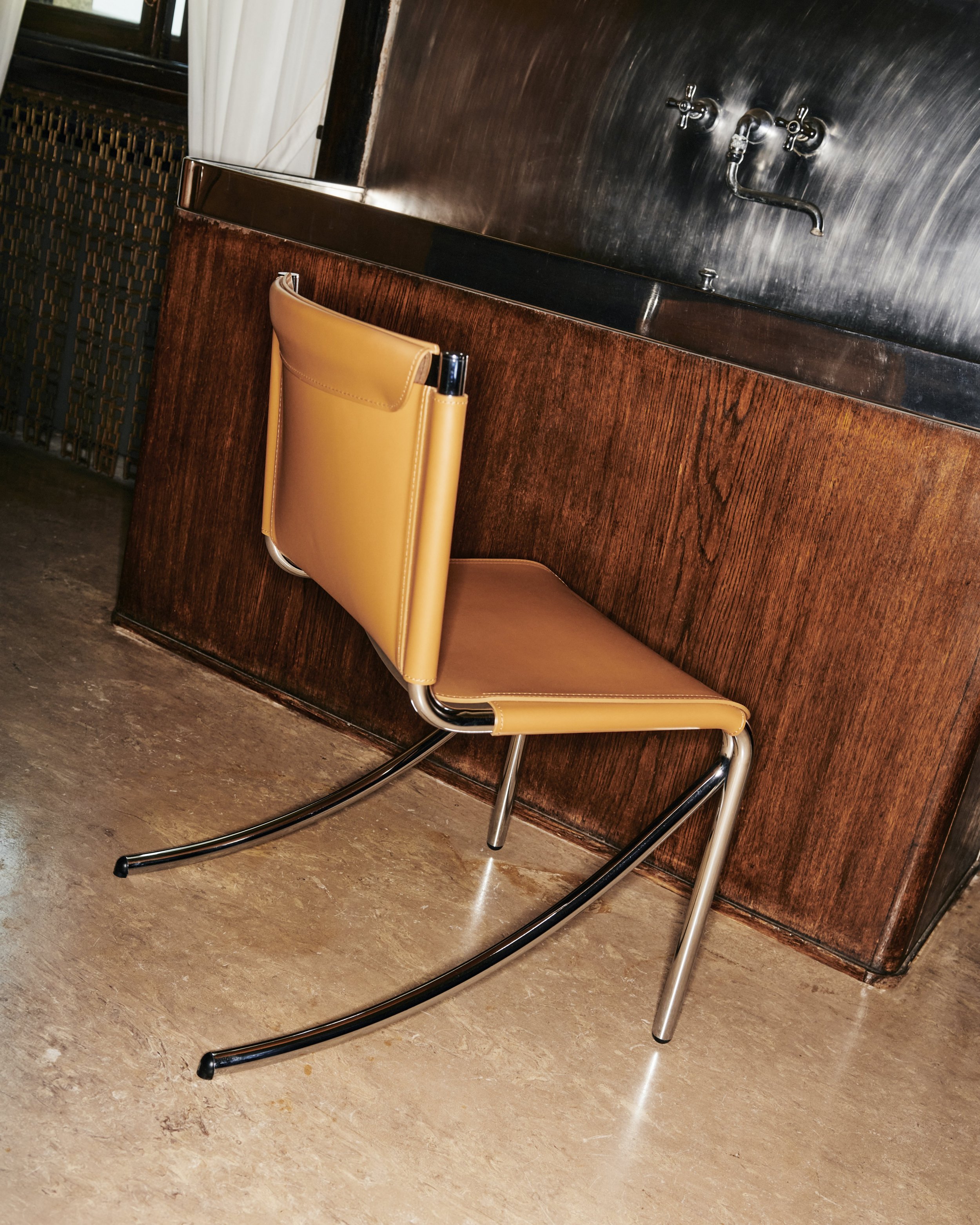 Image 10 of 26
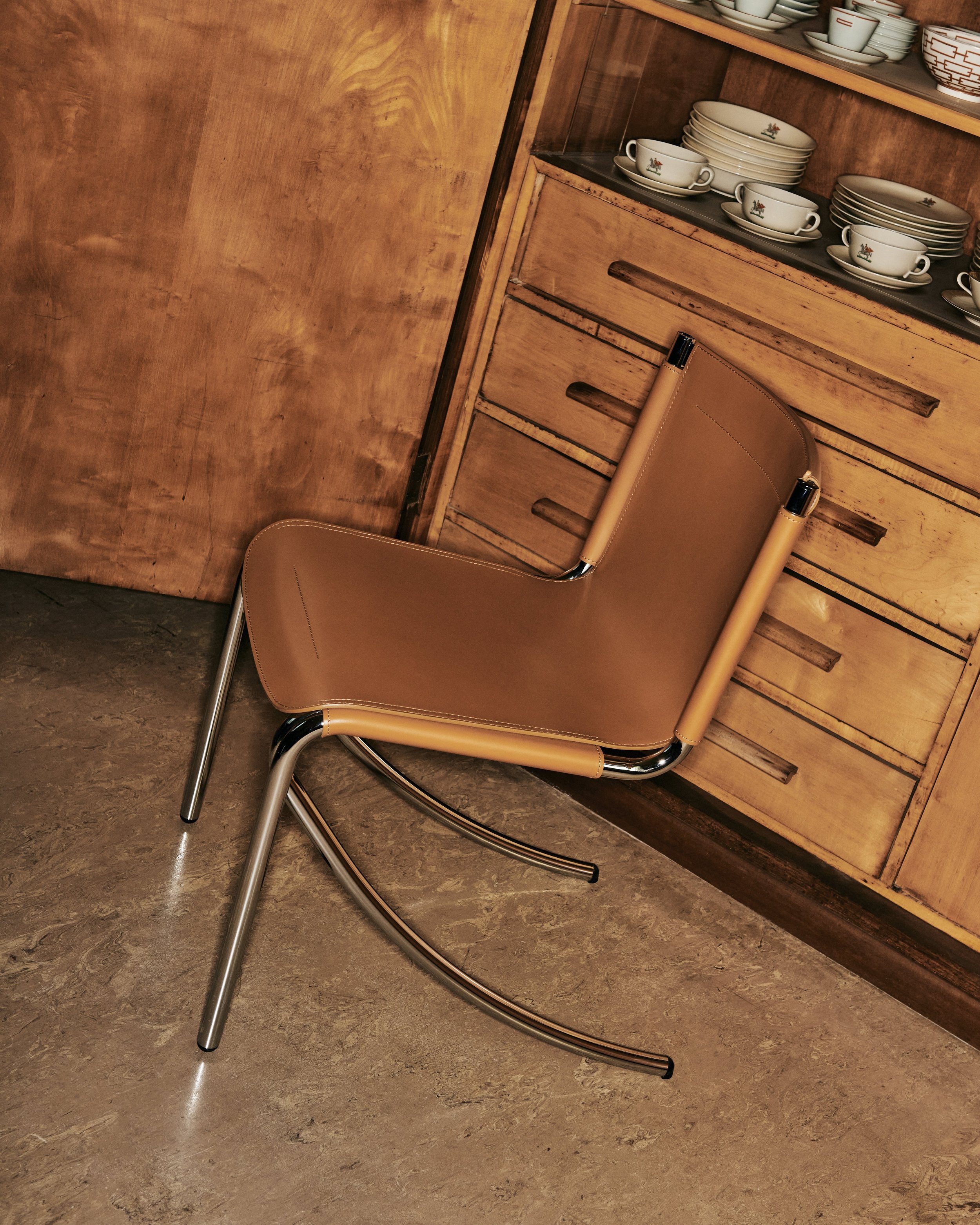 Image 11 of 26
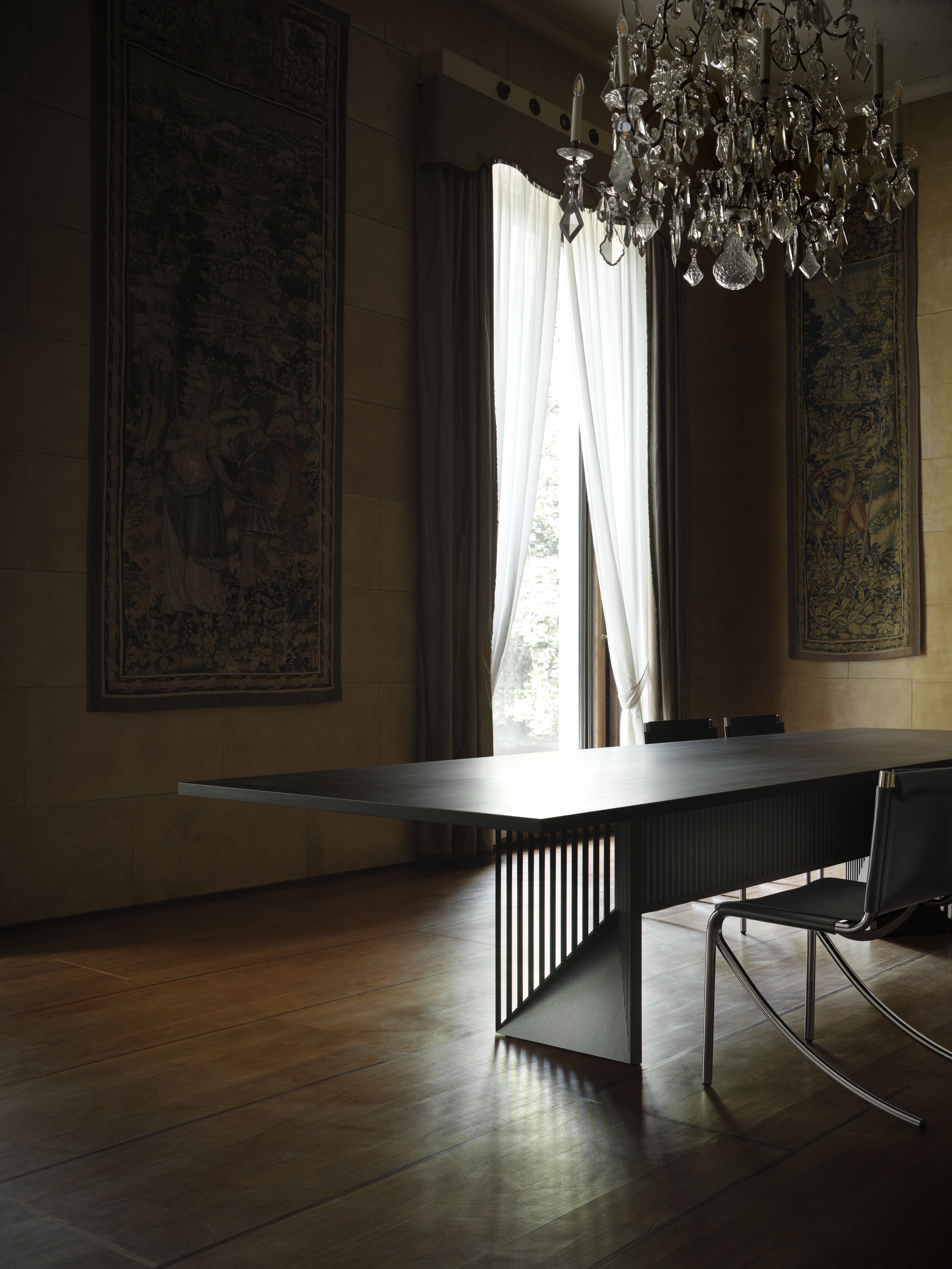 Image 12 of 26
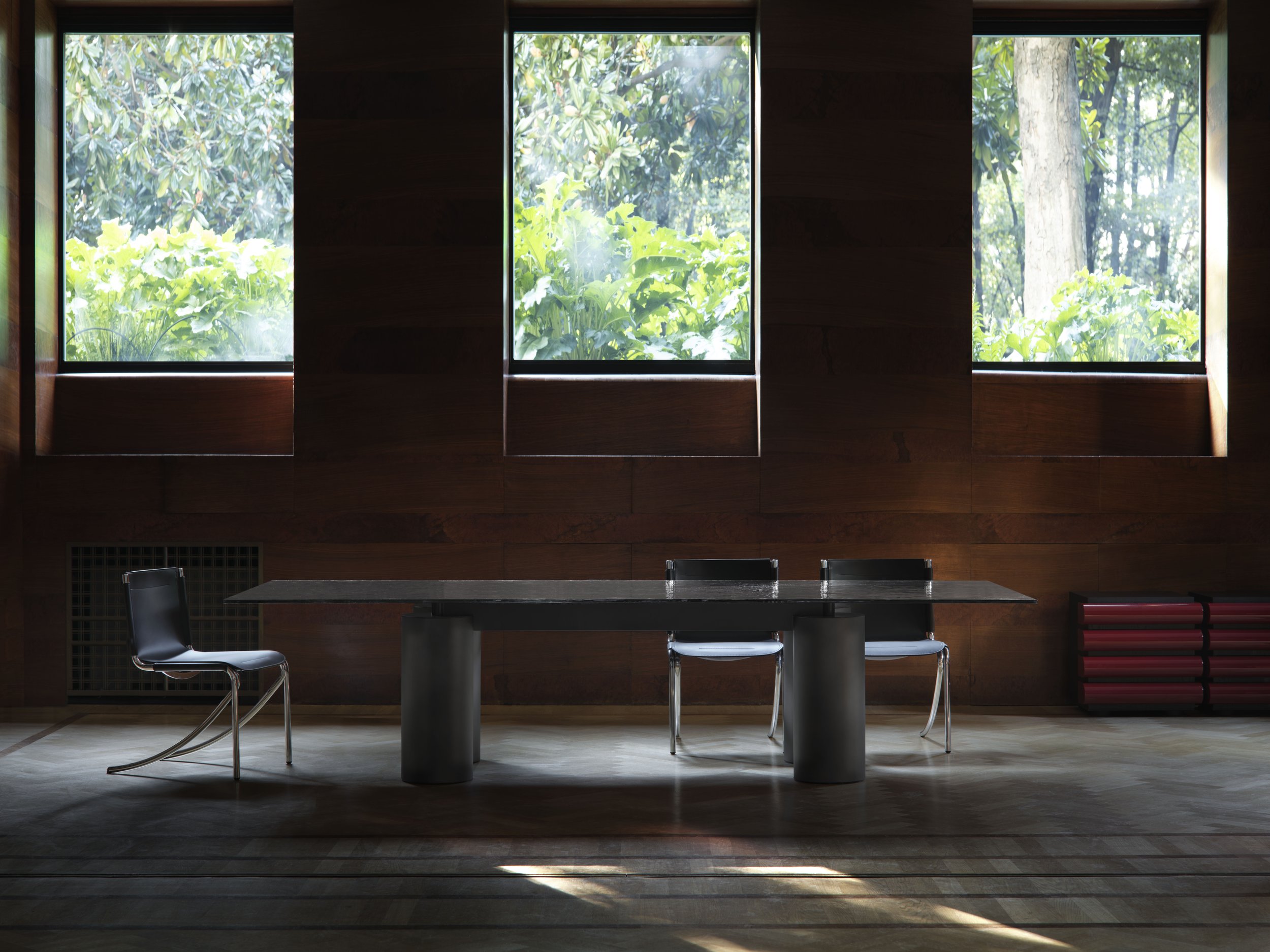 Image 13 of 26
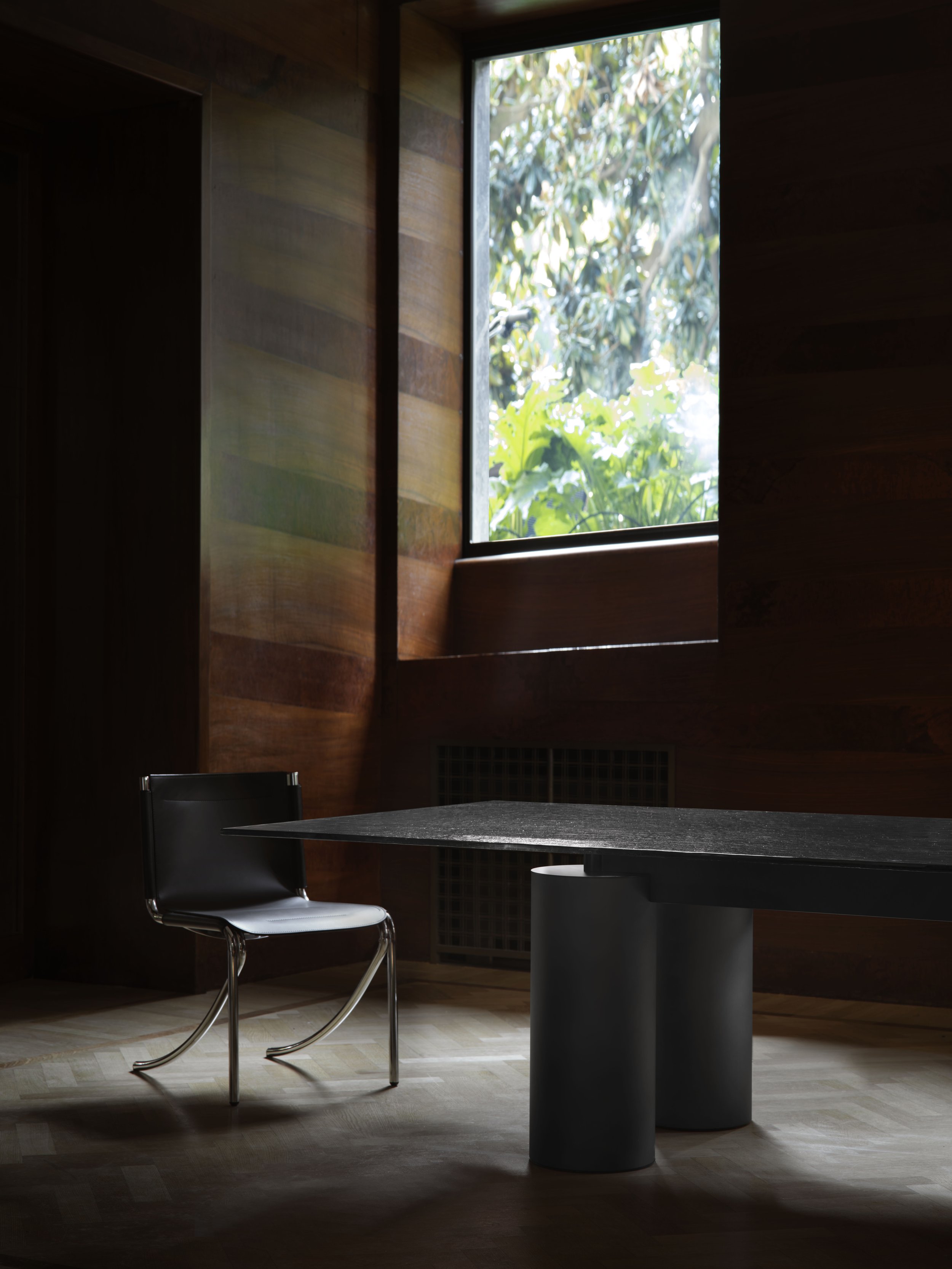 Image 14 of 26
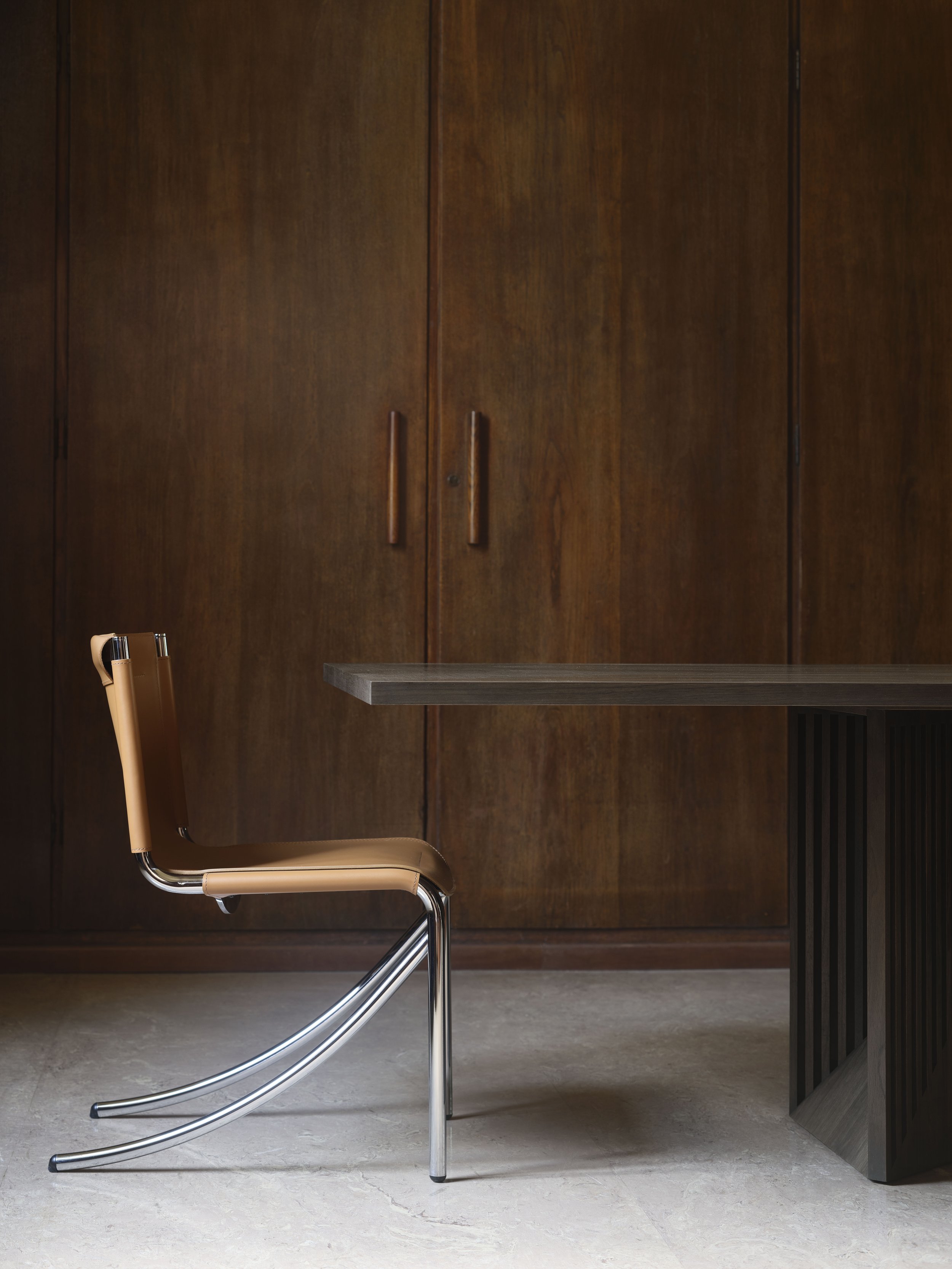 Image 15 of 26
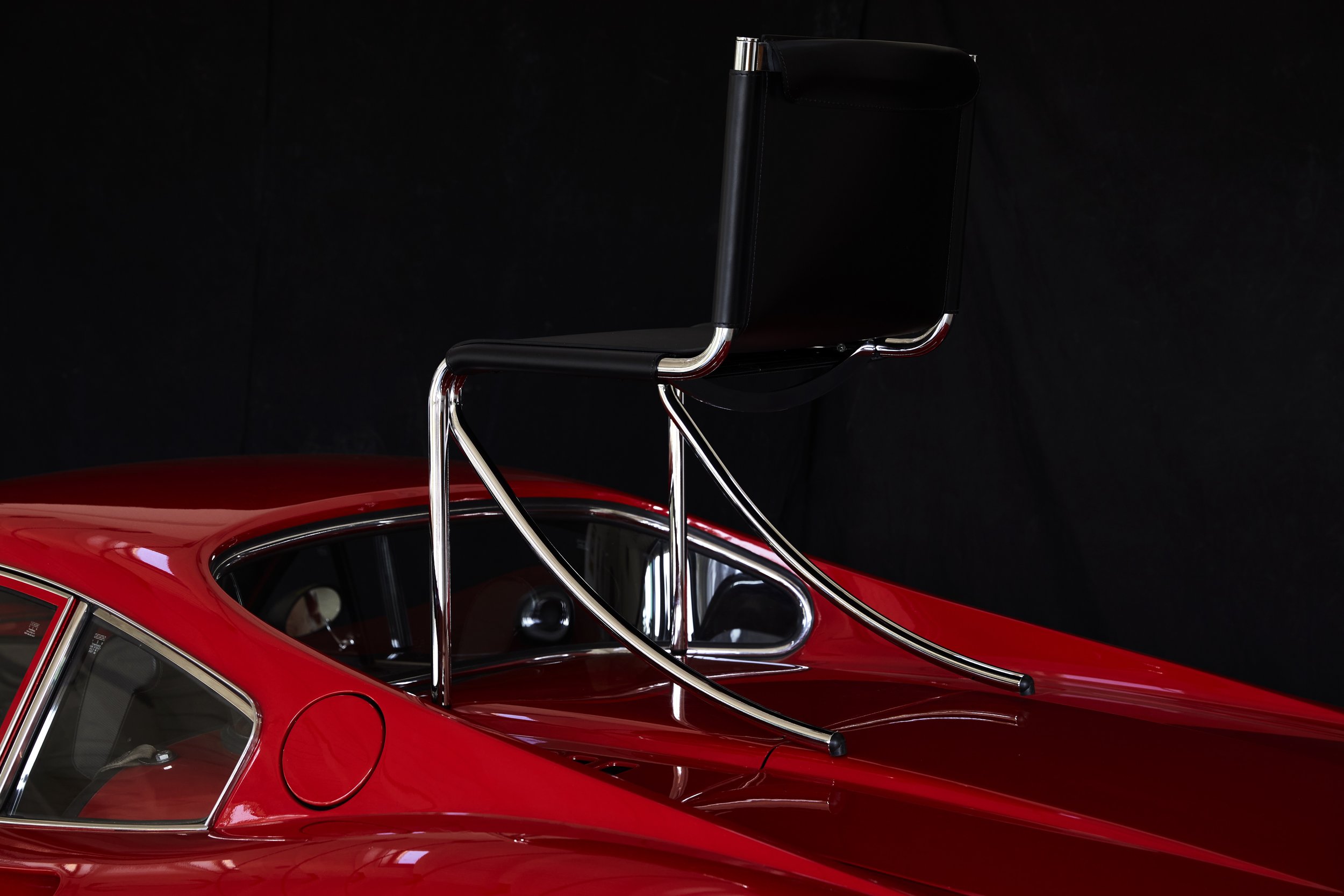 Image 16 of 26
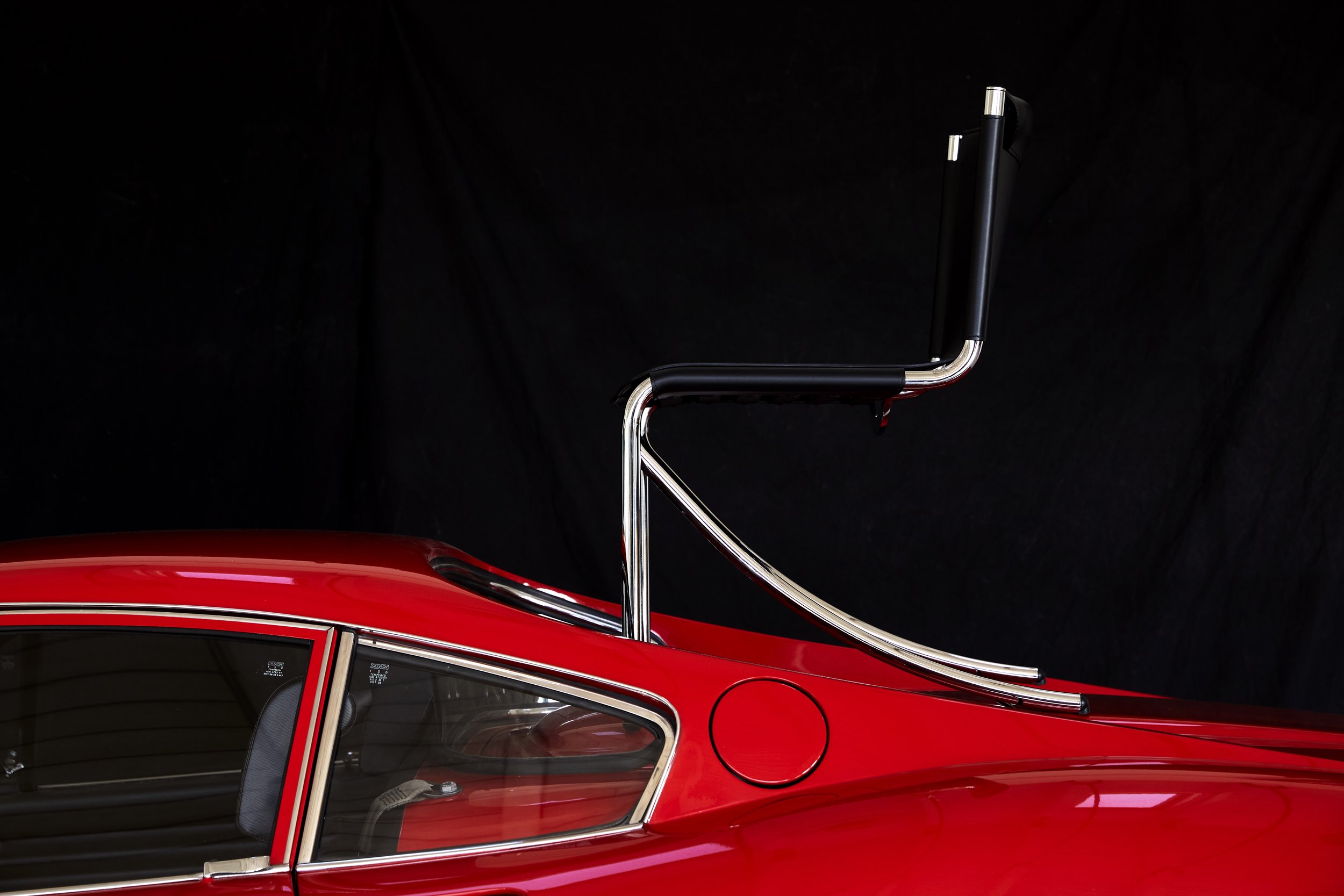 Image 17 of 26
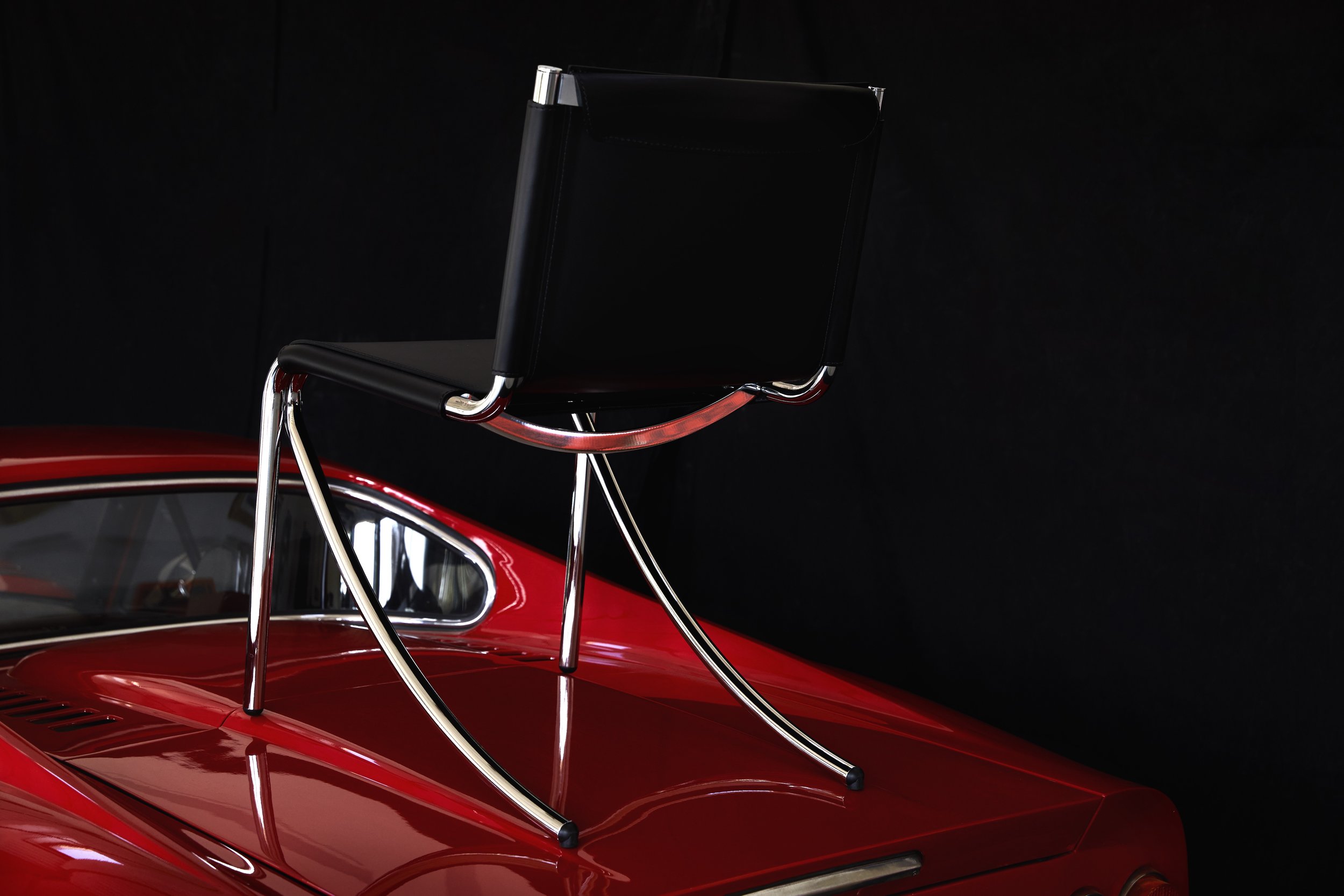 Image 18 of 26
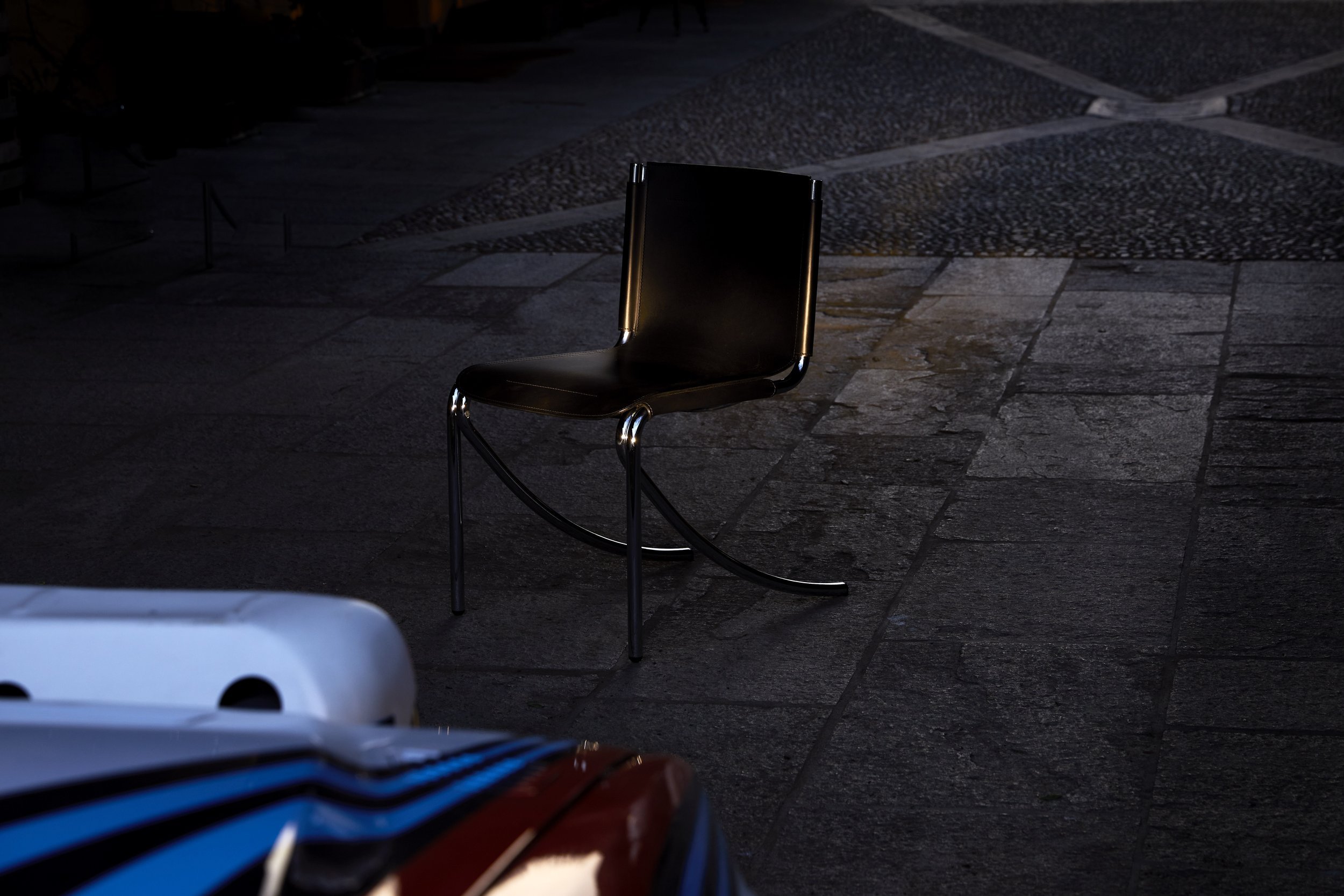 Image 19 of 26
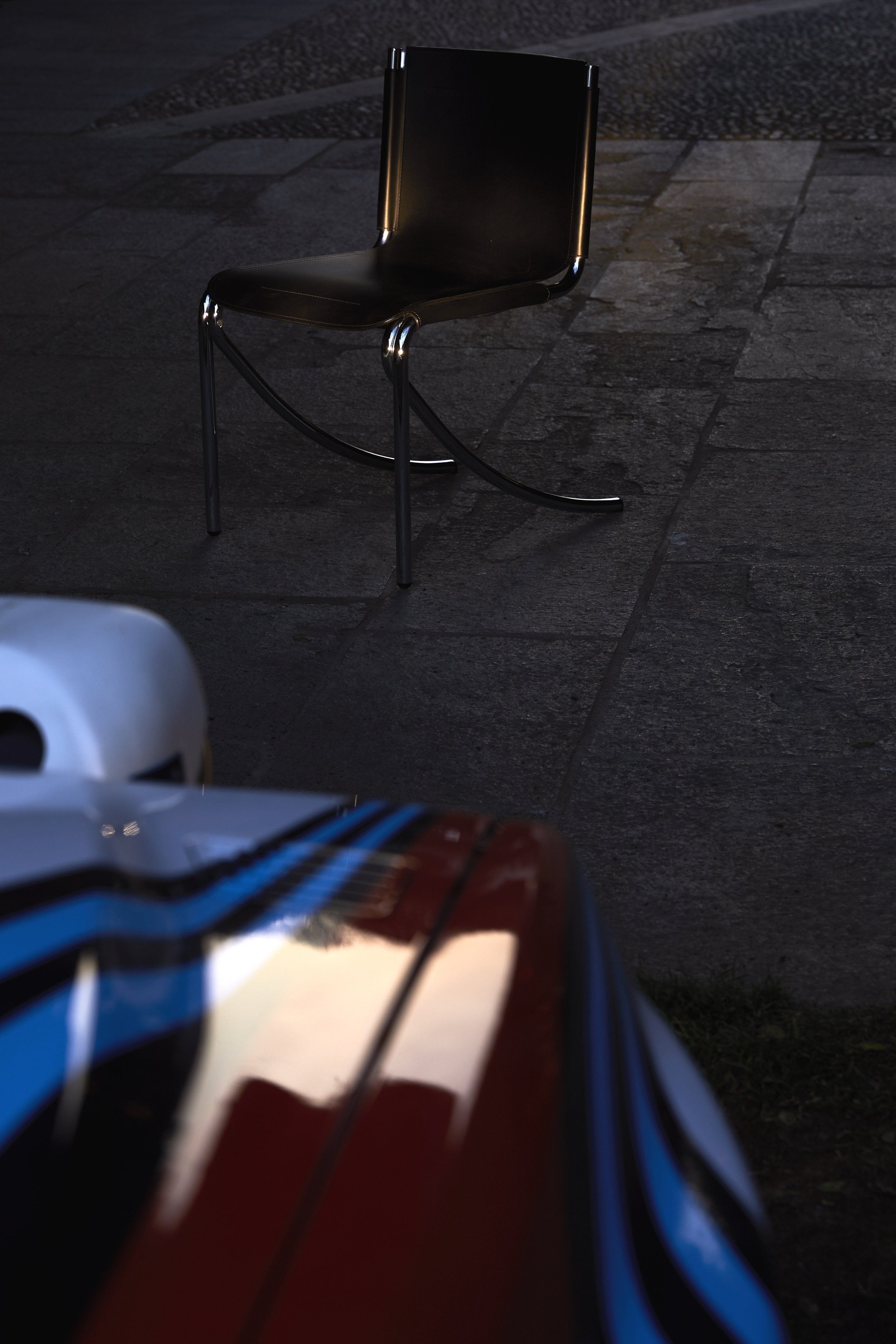 Image 20 of 26
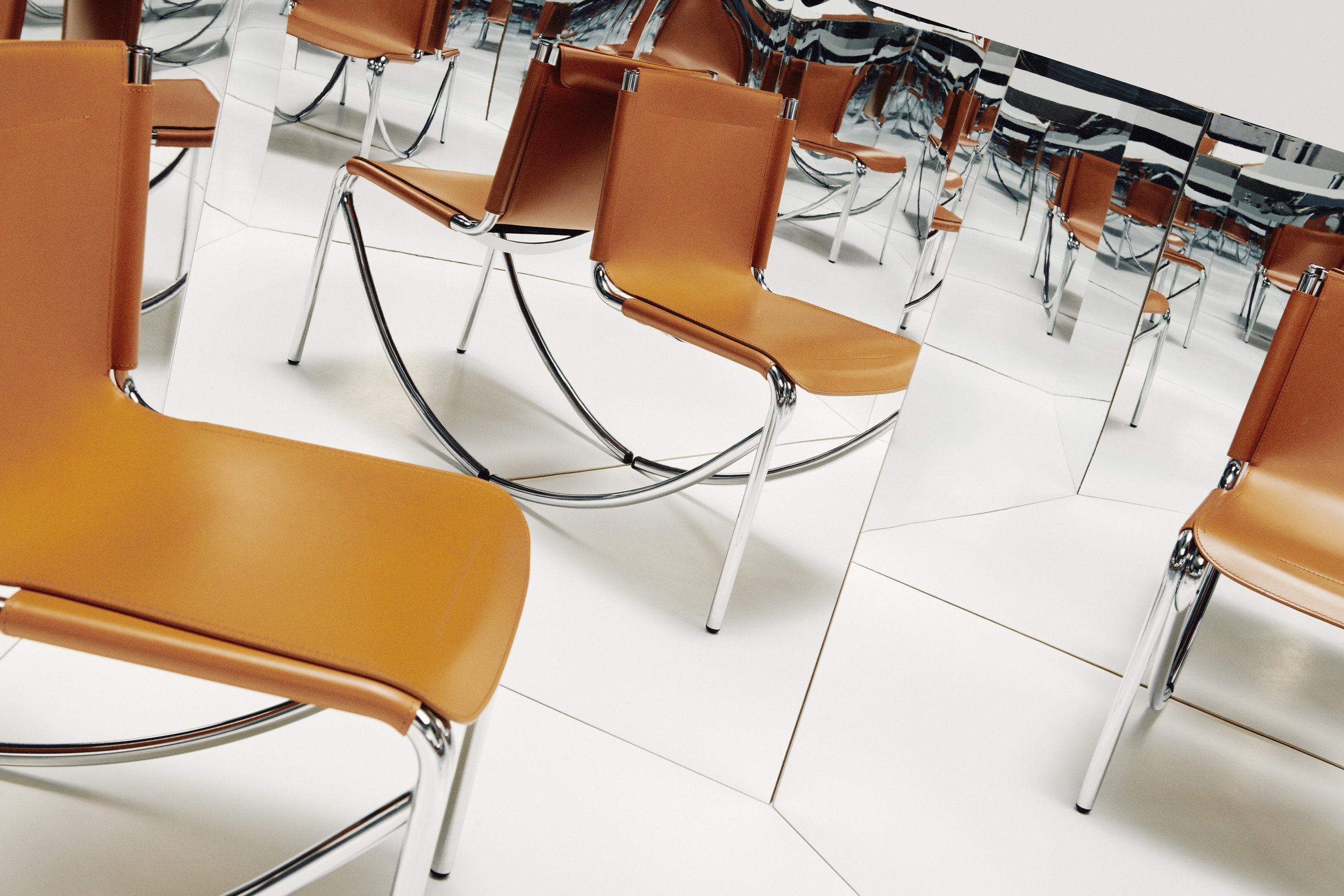 Image 21 of 26
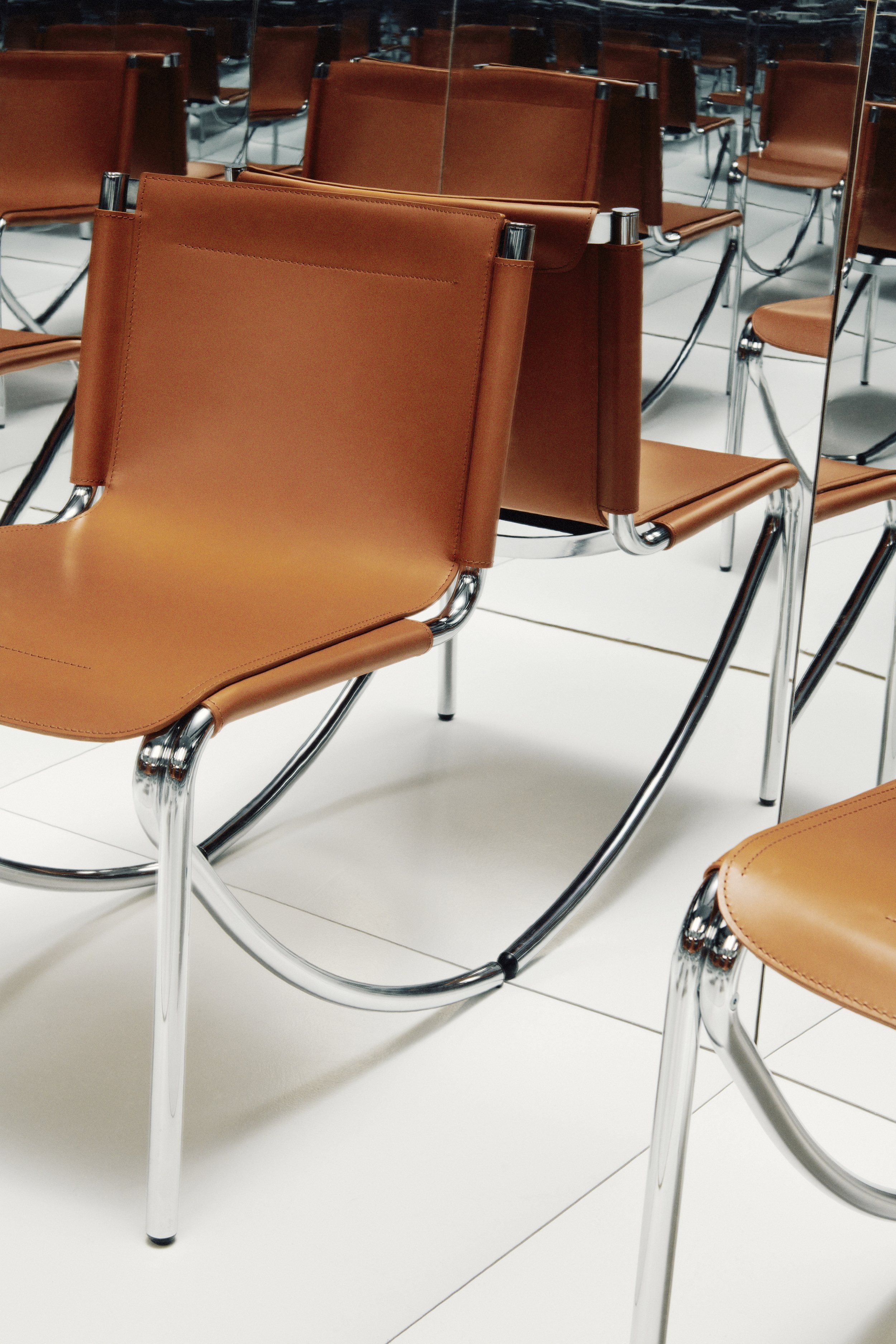 Image 22 of 26
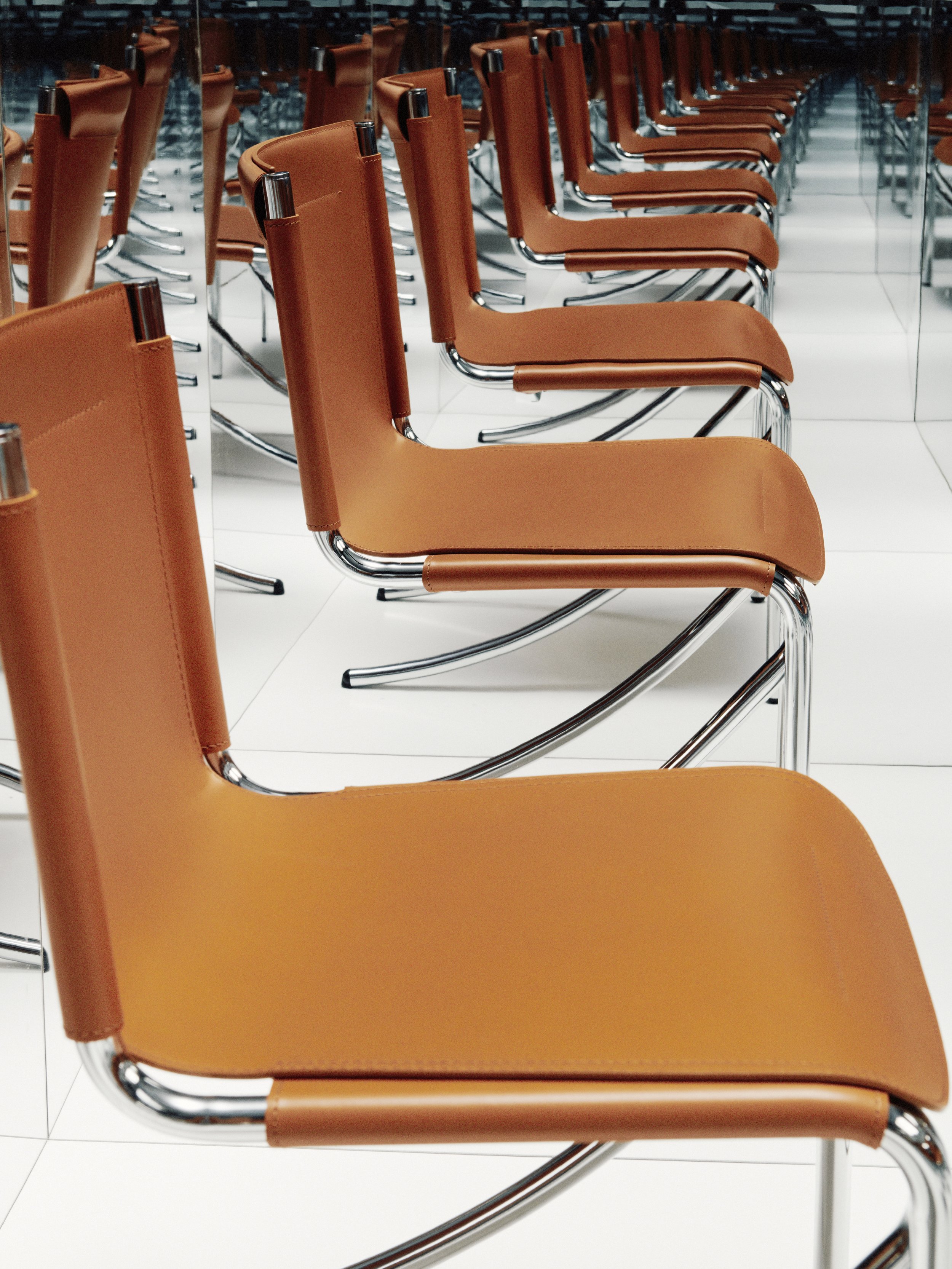 Image 23 of 26
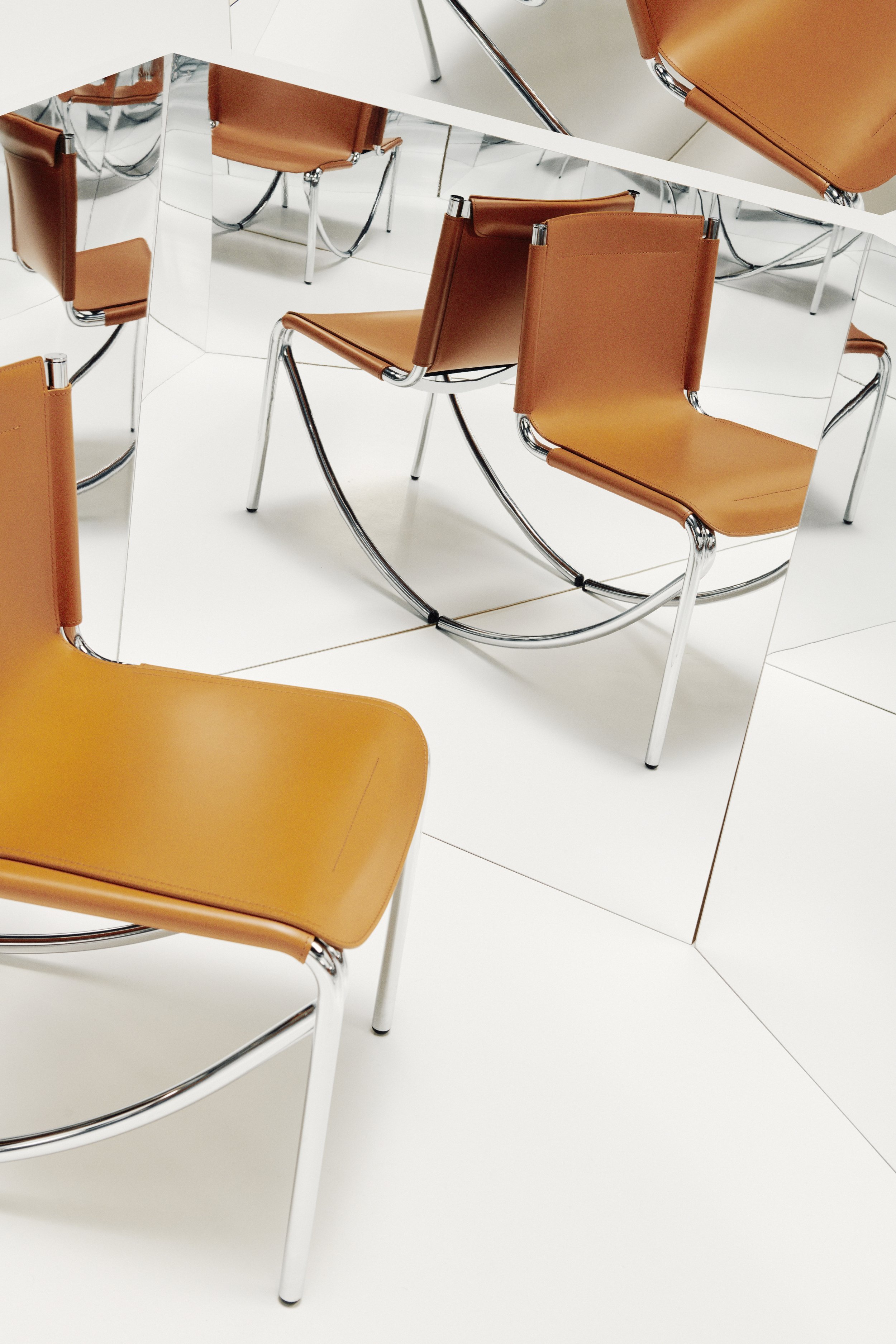 Image 24 of 26
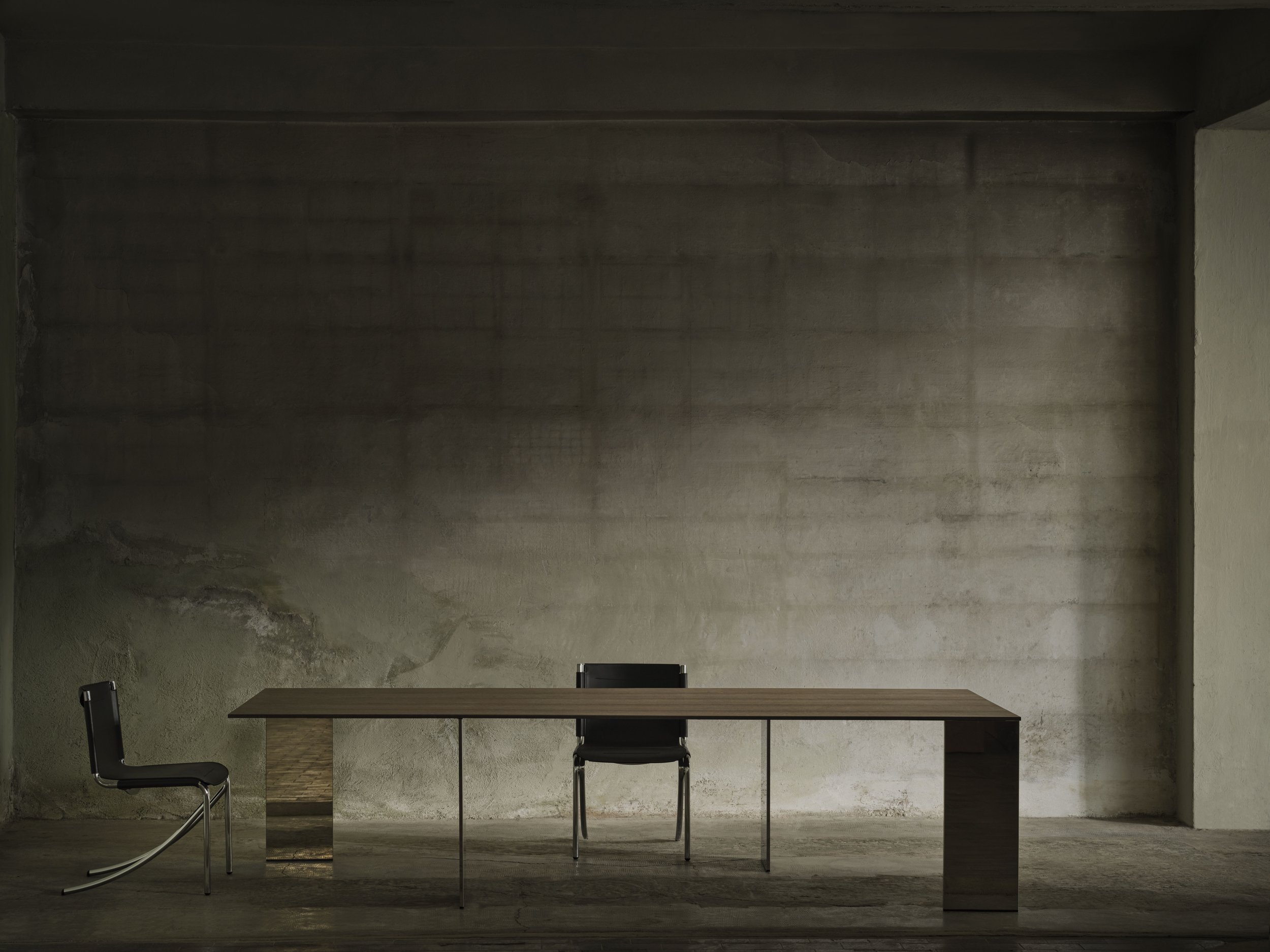 Image 25 of 26
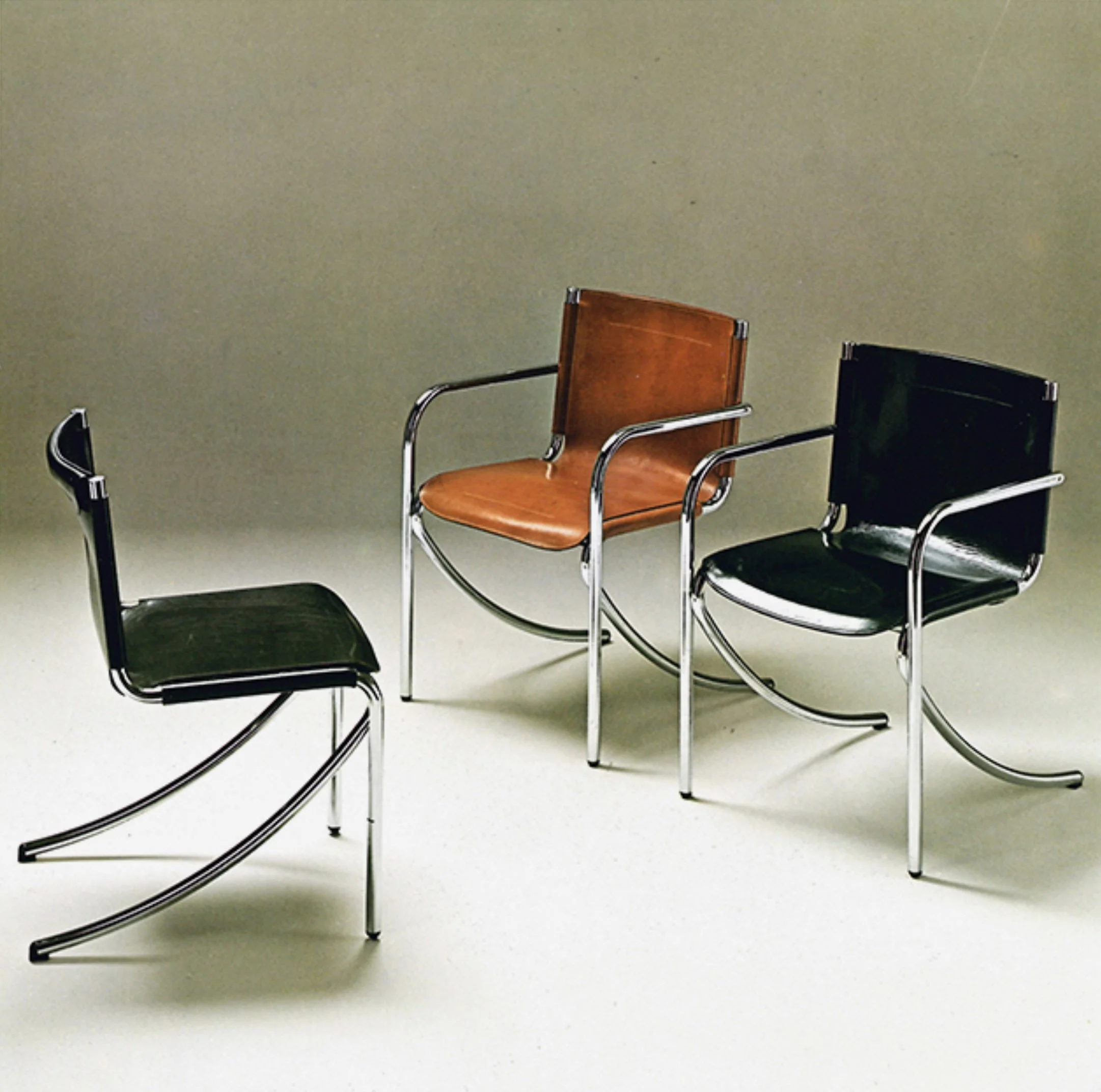 Image 26 of 26
Jot Chair
RESEARCH AND FUNCTIONALITY
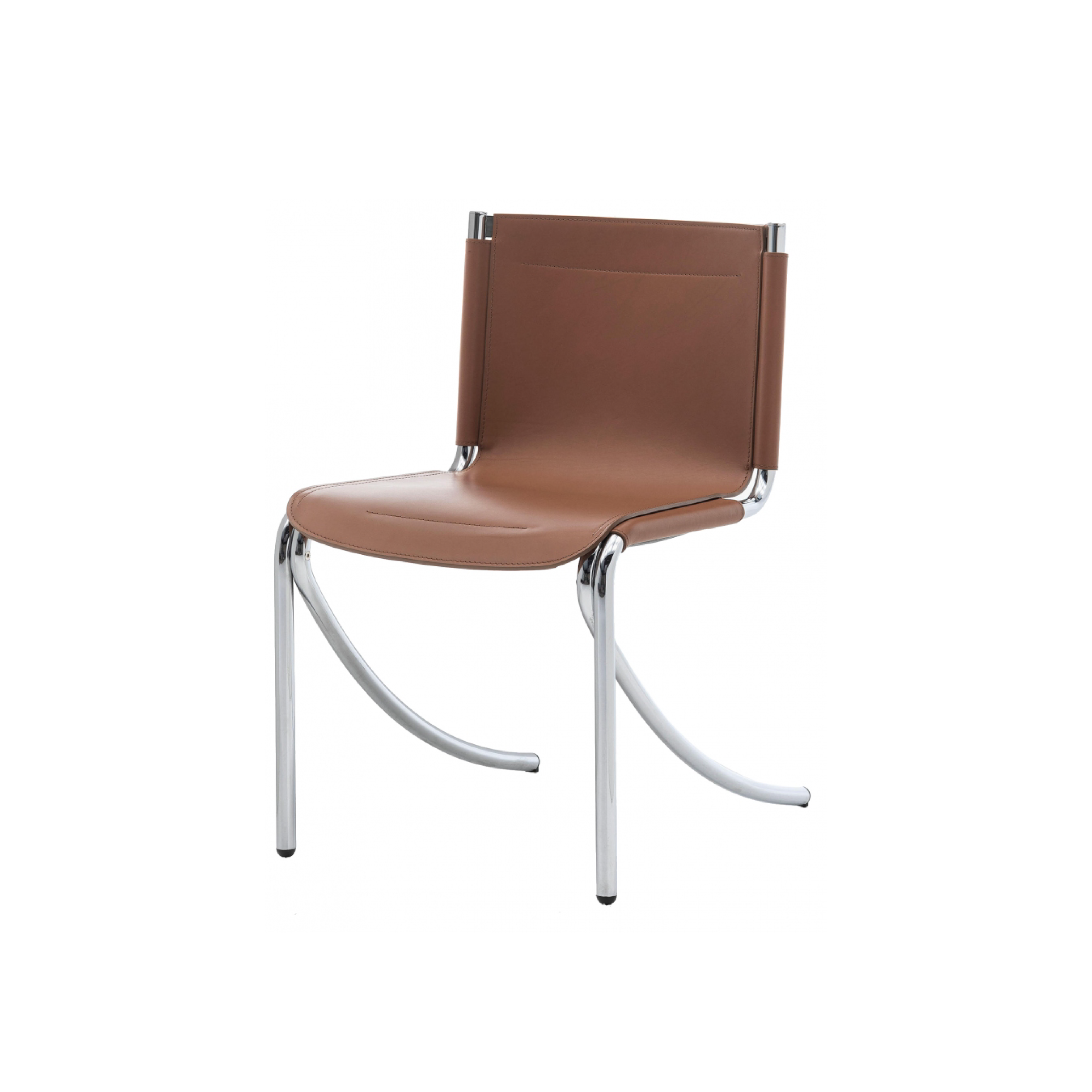
Giotto Stoppino’s iconic Jot Chair, produced by Acerbis, finds a remarkable context within the historic walls of Milan’s Villa Necchi Campiglio. Known for its Bauhaus-inspired stainless steel frame and sleek cantilevered form, the Jot chair embodies Stoppino’s visionary approach, exploring the interplay between functional purity and aesthetic elegance. Its tubular chrome structure, paired with rawhide leather, exemplifies the thoughtful balance of materials and form that defines both Stoppino’s design legacy and Acerbis’s manufacturing excellence.
Acerbis’s placement of contemporary pieces like the Jot Chair within Villa Necchi Campiglio creates a compelling dialogue between past and present. The chair’s refined simplicity complements the Villa's architectural opulence, breathing new life into the space and highlighting the enduring power of thoughtful, visionary design.
Chair. Metal frame available in painted matte black nickel or chrome-plated. Double saddle-hide upholstery.
Dimensions
W. 48.5cm (19 1/16") D. 58cm (22 3/4") H. 79cm (31 1/16")
MATERIALS
LEATHER





STRUCTURE


-
Saddle Leather by Acerbis
(Plum, Natural, Grey, Dove, Black)
Vegetable tanned bovine saddle-hide | thickness: 2,4/2,6 mm | weight: 2.000 gr/sqm | fire resistance: 1IM, UNI 8456 (1987), UNI 9174 (1987), UNI 9174/A1 (1996), UNI 9177 (1987). USE AND MAINTENANCE: Only use specific leather cleaners. Avoid direct exposure to sunlight and sources of heat. Avoid contact between light and dark colours, and between different materials. Dust with a soft dry cloth.
DESIGNEr
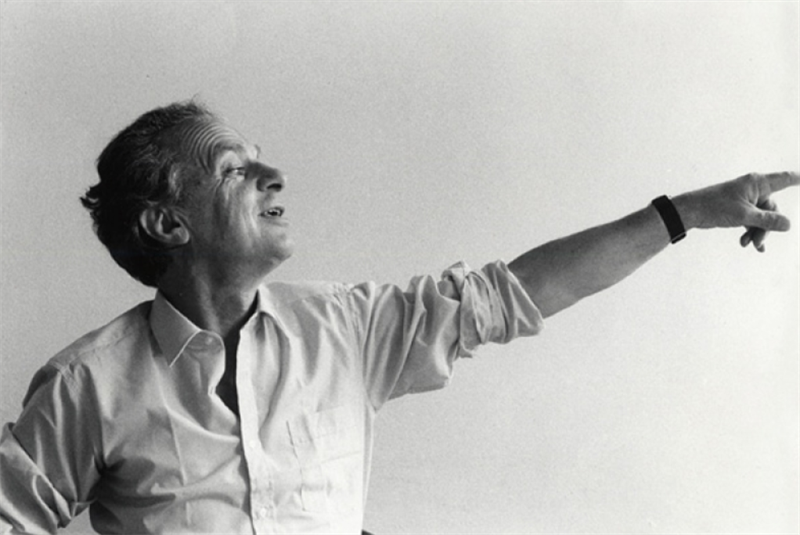
Giotto Stoppino
Giotto Stoppino
Jot Chair
Born in Vigevano in 1926, Giotto Stoppino studied Architecture at Milan and Venice. Since 1953 he has devoted himself almost entirely to architecture, founding together with Gregotti and Meneghetti one of the most culturally committed architects’ offices. Since 1968, with his own independent studio, he has dedicated himself to design. He was president of ADI for the three-year period 1982-1985 and president of the Compasso d’Oro award in 1984. His works are in the Museum of Modern Art in New York, in the Victoria and Albert Museum in London, in the Museum für angewandte Kunst in Munich, in the Museum of Contemporary Art, Chicago and the City-Hall in Shanghai.
MANUFACTURER
ACERBIS
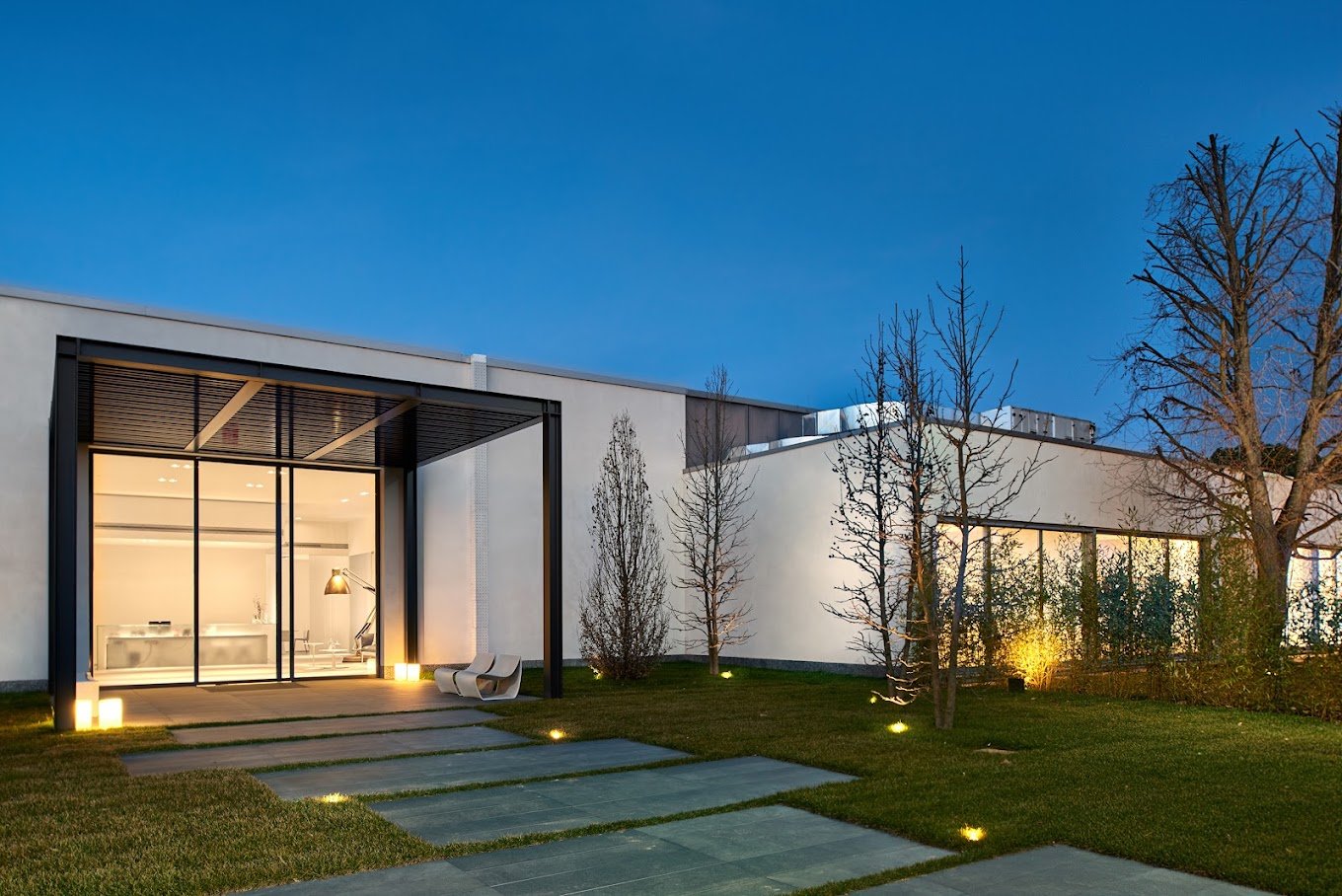
One of the most enduring furniture companies in Italy, Acerbis stands as a connoisseur’s benchmark of Italian design — a pioneer with 150 years of expertise, whose continual search for modernity has produced creations of stunning innovation. First founded in 1870 by Benvenuto Acerbis in Bergamo’s Valle Seriana, Acerbis introduced cutting-edge industrial production and collaborations with some of Italy’s most trailblazing designers by the 1960s under Lodovico Acerbis, including Giotto Stoppino, Massimo and Lella Vignelli, Vico Magistretti, Nanda Vigo and Gianfranco Frattini.
Acerbis impart a fundamental luxury experience of design for users to match the conceptual aesthetic solutions of the furnishings. Over these years of experimentation and industrialization, Acerbis forged its DNA of Italian ingenuity for a future-gazing clientele ever since. Today this mission continues with fresh vigor. With industry leader MDF Italia investing in Acerbis for a newly cemented partnership, and recently appointed creative directors Francesco Meda and David Lopez Quincoces helming a dynamic path forward, Acerbis affirms its family-led lineage of pace-setting vision, and its universe of designs that unite function and the avant-garde.
Looking to the past to face the challenges of the future, Acerbis takes on the great changes of our era, and the need to create a more sustainable society — a future that returns to a time when objects were made to last, when we needed only a few things but things that were beautiful and high-quality, when design meant a radical break from tradition and creating innovative products with the latest technology and material developments.
Acerbis will continue to offer beauty and functionality, like that found in all the iconic products of the company, which in its 150 years of experience has created products whose modernity survives the decades and remains avant-garde even today, and for the future. Continuing this mission means maintaining Acerbis as a place of research and experimentation, of new collaborations with both emerging and celebrated designers, and of breakthrough new products that will become future icons of design.
Acerbis Headquarters