
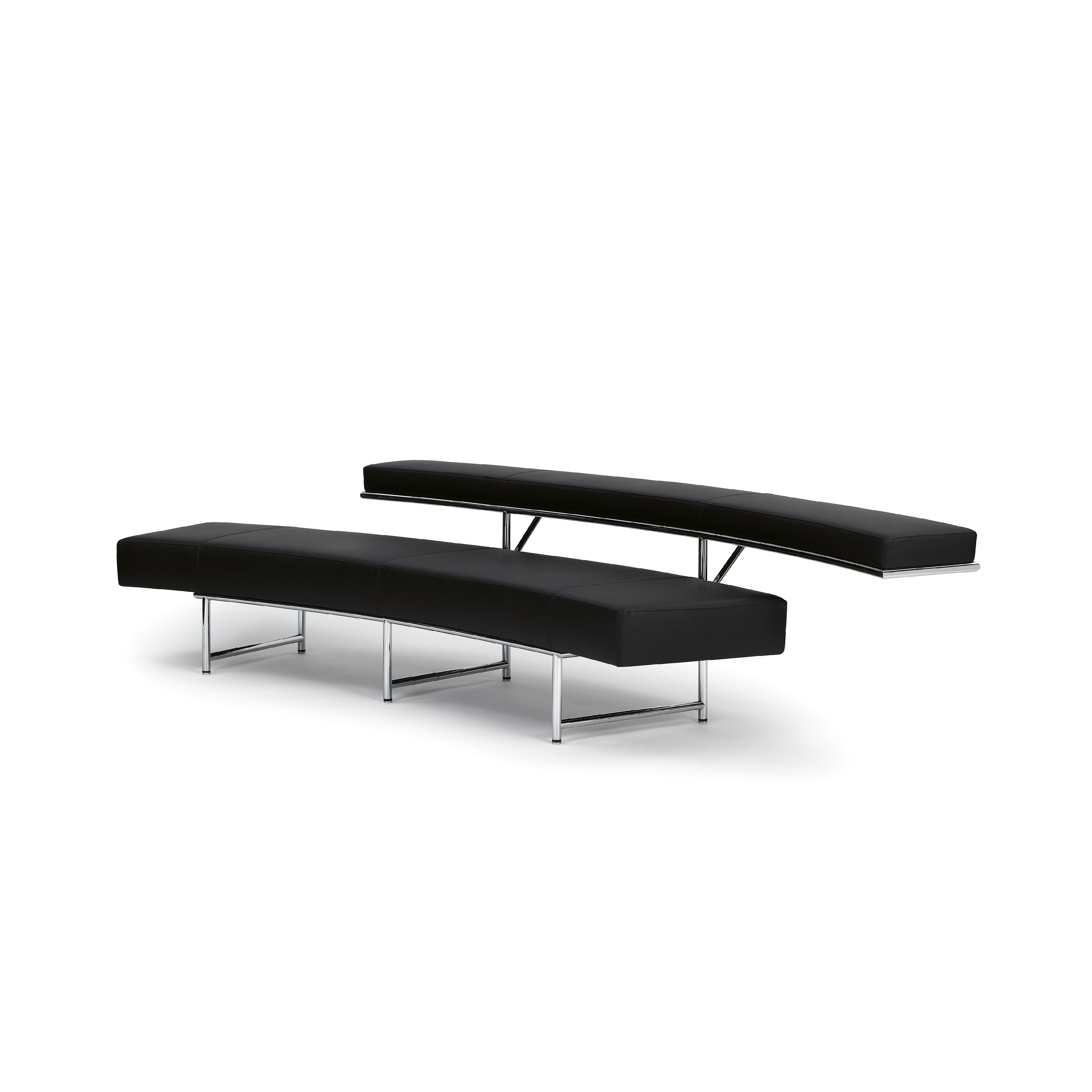
 Image 1 of 7
 Image 2 of 7
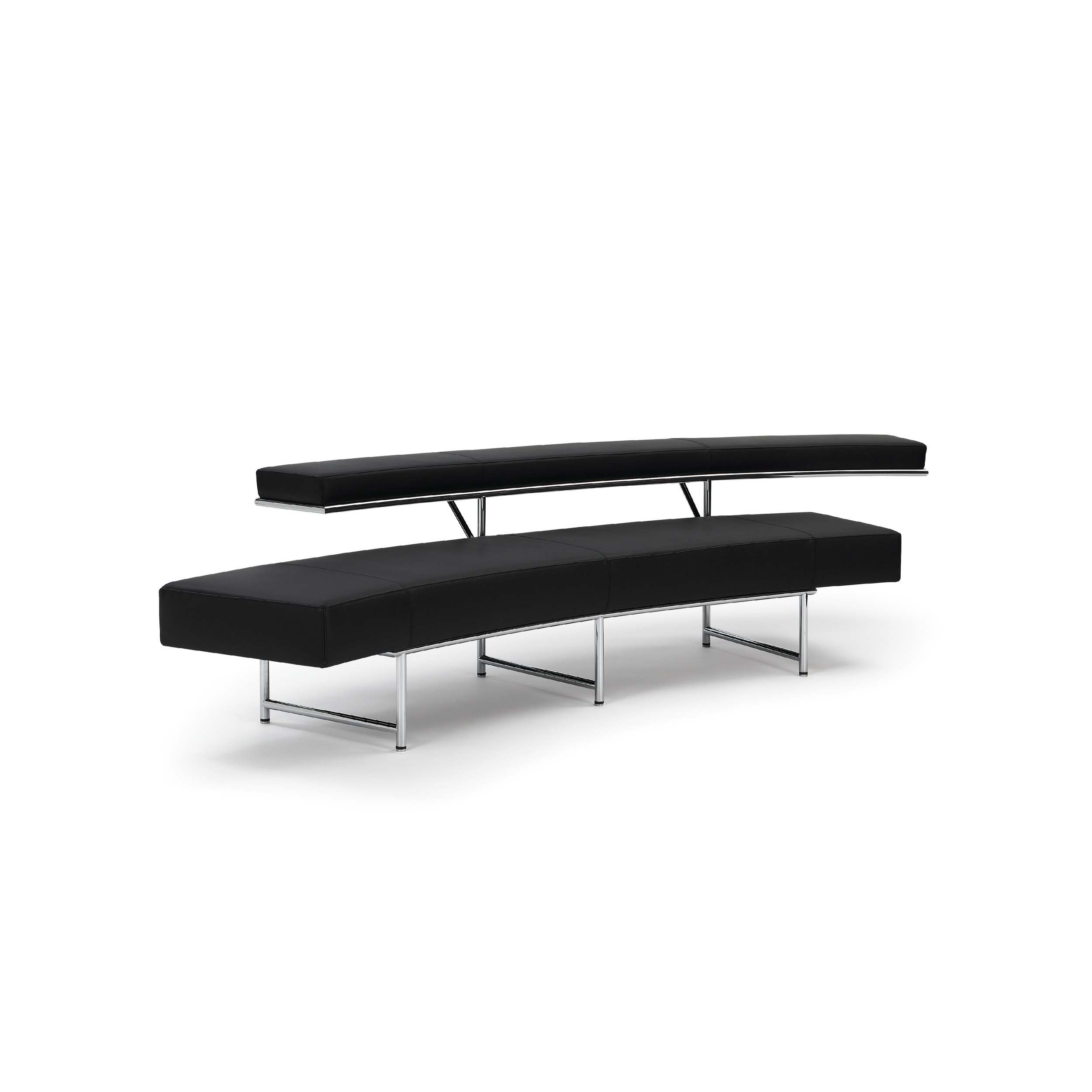 Image 3 of 7
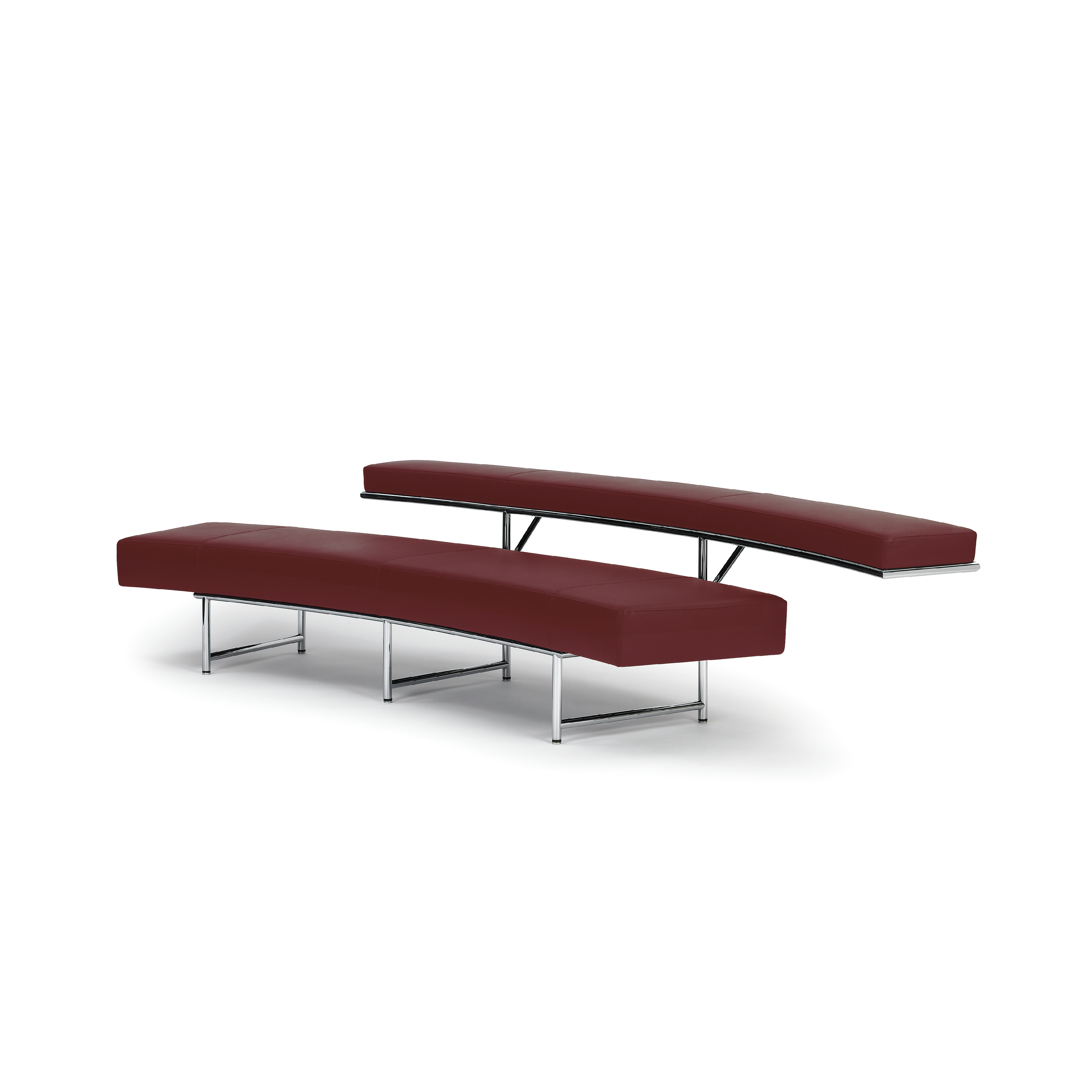 Image 4 of 7
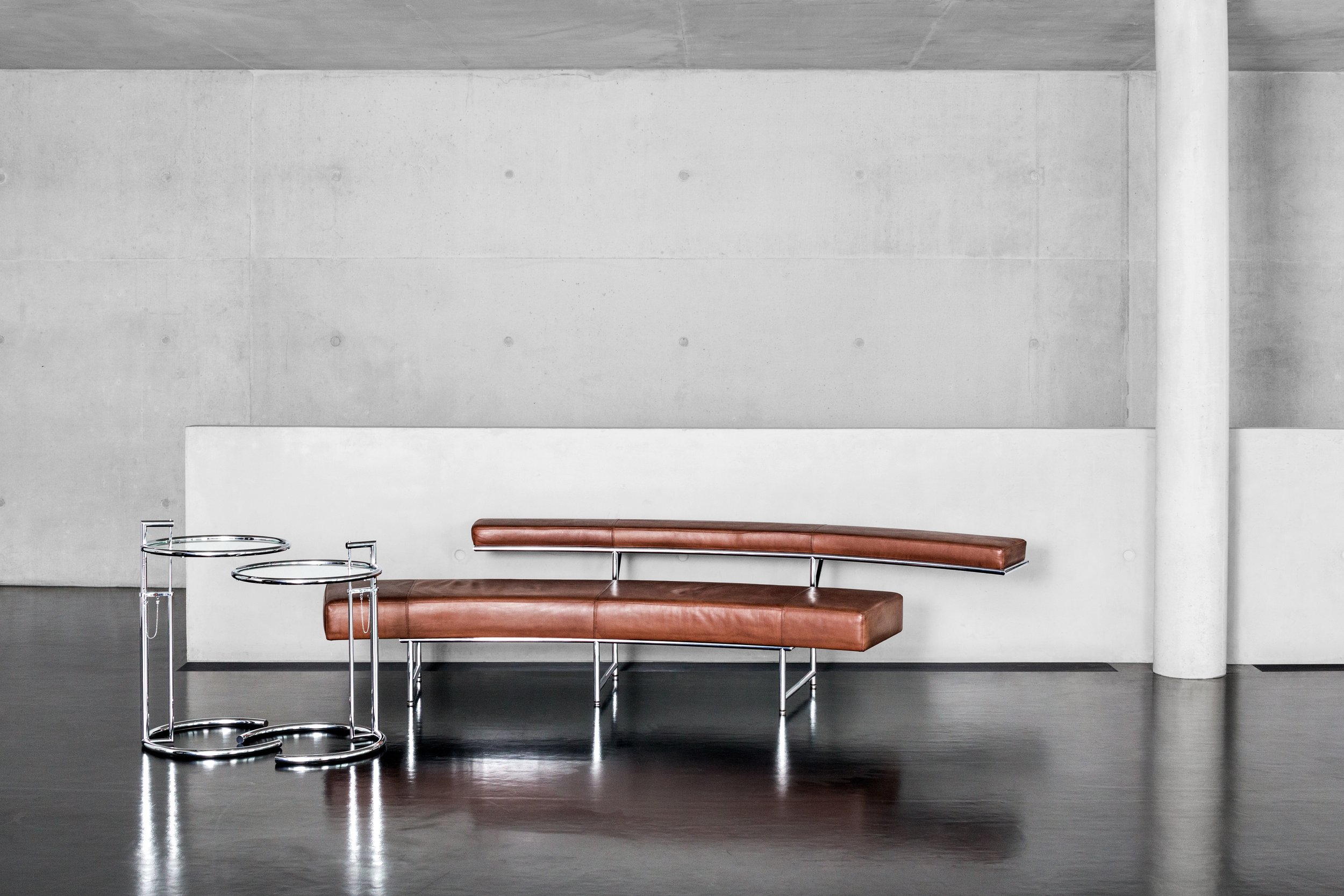 Image 5 of 7
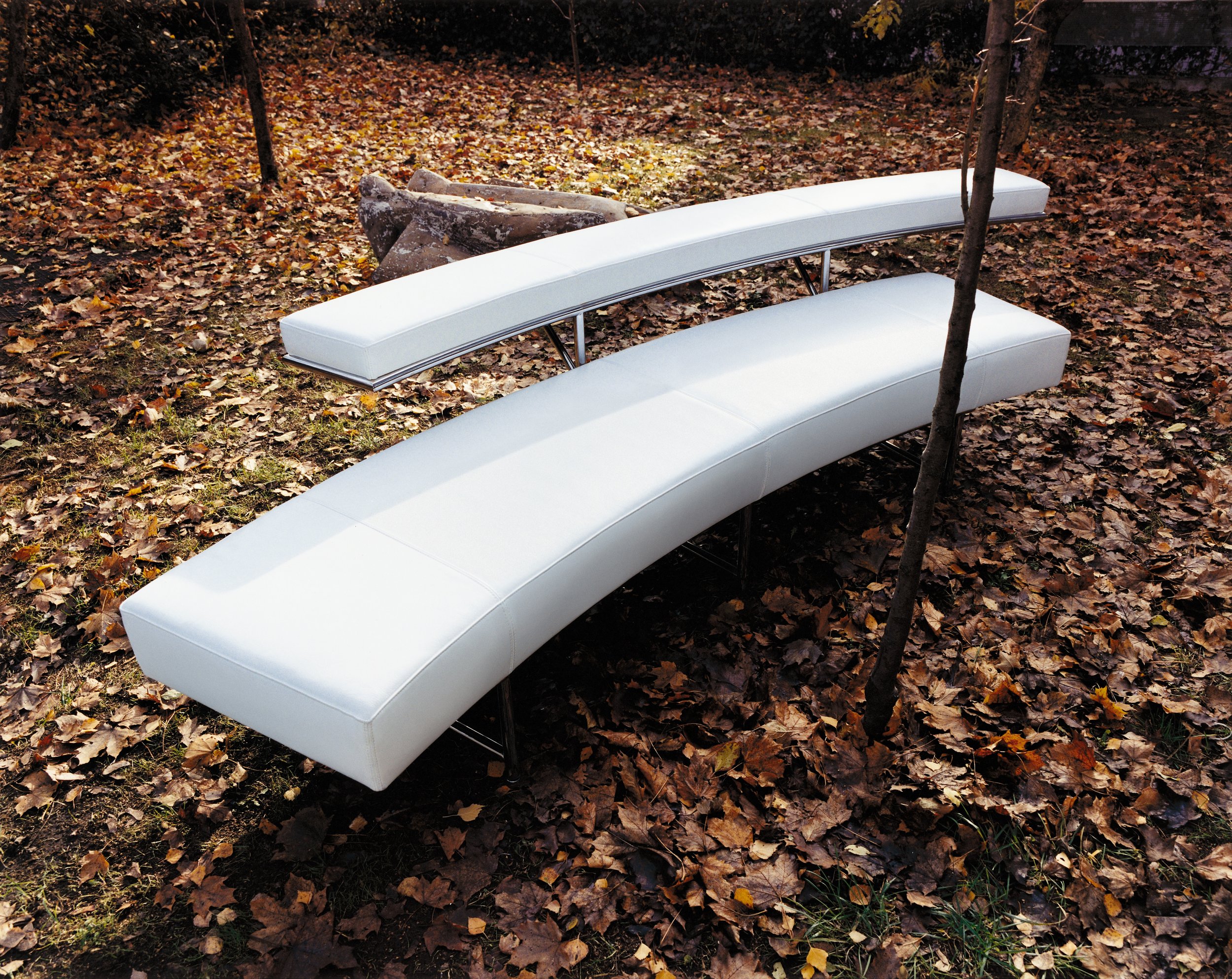 Image 6 of 7
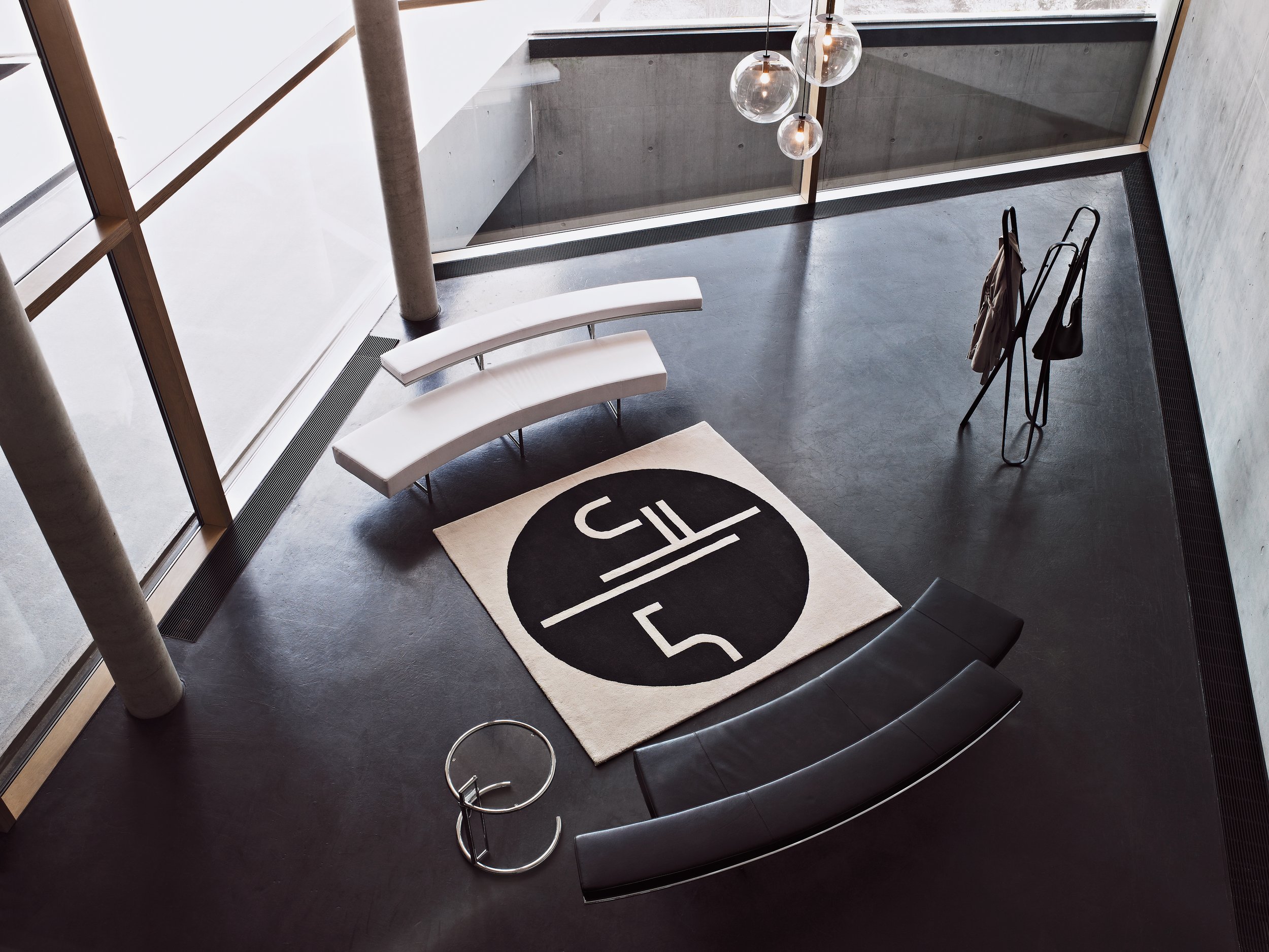 Image 7 of 7
Monte Carlo Sofa
TO CREATE ONE MUST FIRST QUESTION EVERYTHING
The Monte Carlo Sofa by Eileen Gray is a defining moment in the evolution of 20th-century design. Conceived in 1923 for Gray’s iconic installation, the “Bedroom-Boudoir” at the Salon des Artistes Décorateurs in Monte-Carlo, this remarkable sofa captures a pivotal transition in her creative journey, from ornate lacquer work to architectural modernism. Reflecting the sophisticated glamour and rhythm of its Riviera namesake, the sofa’s distinctive curved silhouette mirrors the dynamism of Monte Carlo’s famous racetrack.
Constructed from chromed tubular steel and upholstered in luxurious leather, the Monte Carlo Sofa embodies Gray’s shift toward industrial materials and functional minimalism. Influenced by De Stijl, Le Corbusier, and other contemporary modernists, she pursued a harmonious blend of clarity and elegance. Its meticulously balanced form expresses both movement and serenity, making the Monte Carlo Sofa a compelling statement about space, materiality, and modern living. Originally showcased amidst vibrant lacquered panels, abstract carpets, and innovative lighting fixtures, the Monte Carlo Sofa anchored an immersive environment that signaled Gray’s embrace of spatial integration. This fully realized installation represented more than just furniture, it articulated a manifesto for modern design, harmonizing industrial aesthetics with artistic expression, and foreshadowing her later architectural achievements, notably the renowned E-1027 villa.
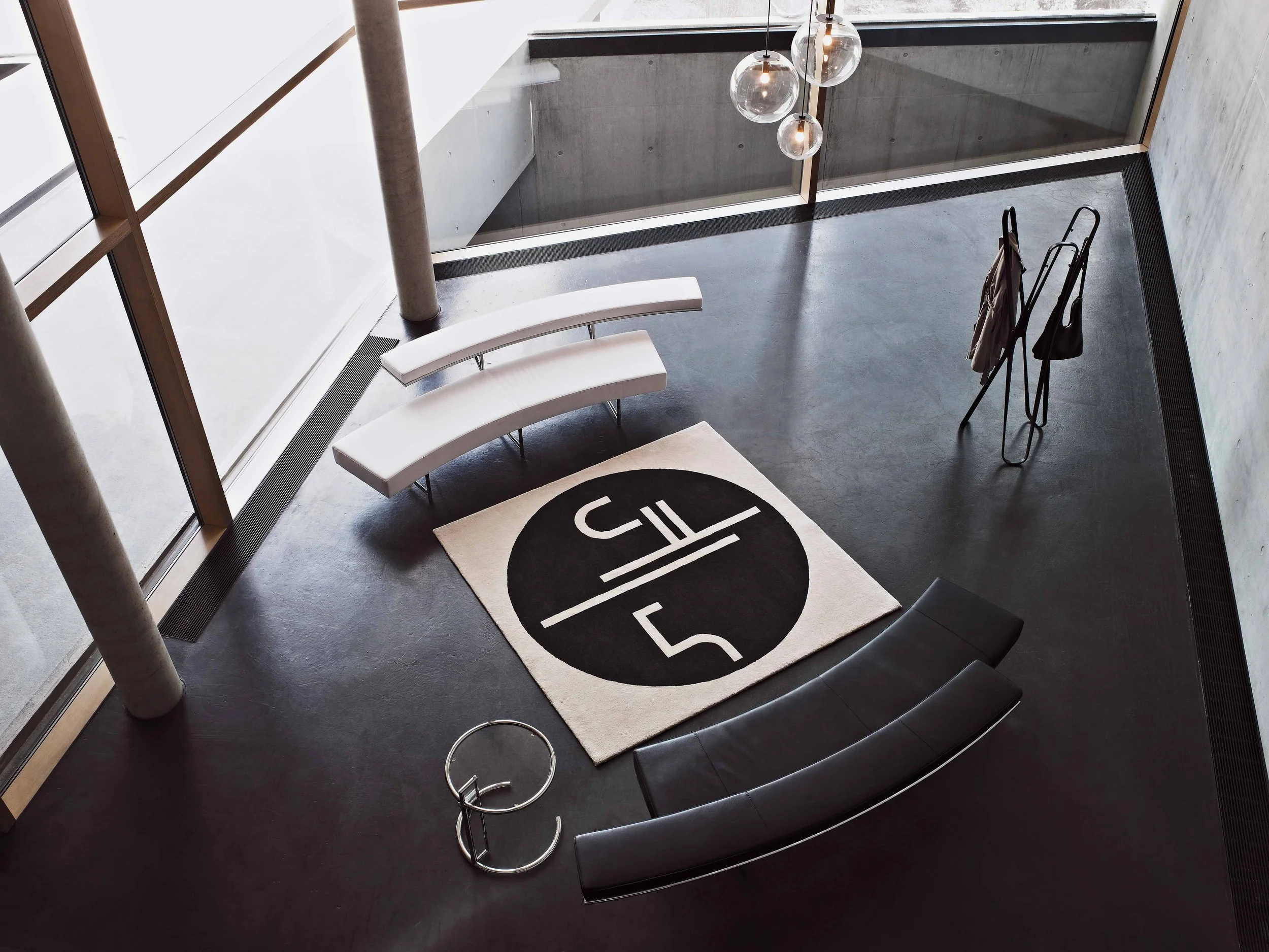
Today, produced by ClassiCon and displayed in spaces such as Tokyo Garden Terrace Kioicho, the Monte Carlo Sofa continues to resonate, underscoring Eileen Gray’s enduring influence. With each graceful curve and thoughtful detail, it not only encapsulates Gray’s visionary spirit but also invites contemporary audiences to experience firsthand the timeless dialogue between design, architecture, and human experience.
Sofa. Frame chrome-plated tubular steel. Beech frame with rubber webbing. Upholstery polyurethane with polyester fibre. Covering in leather. Height-adjustable metal gliders.
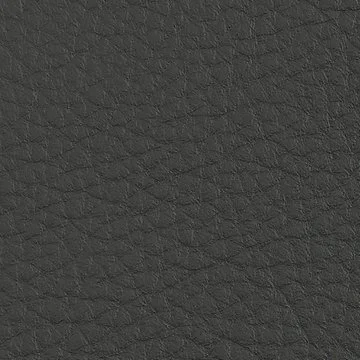
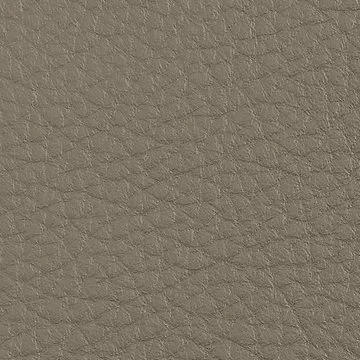
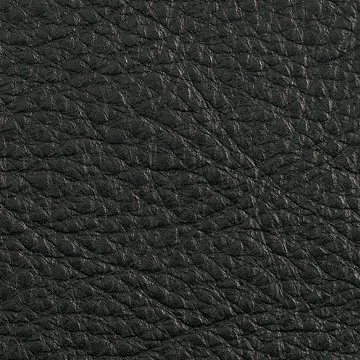
Leather by Classicon.
Dimensions
W. 280cm (110 1/4”) D. 95cm (37 13/32”) H. 60cm (23 5/8”)










DESIGNEr
EILEEN GRAY
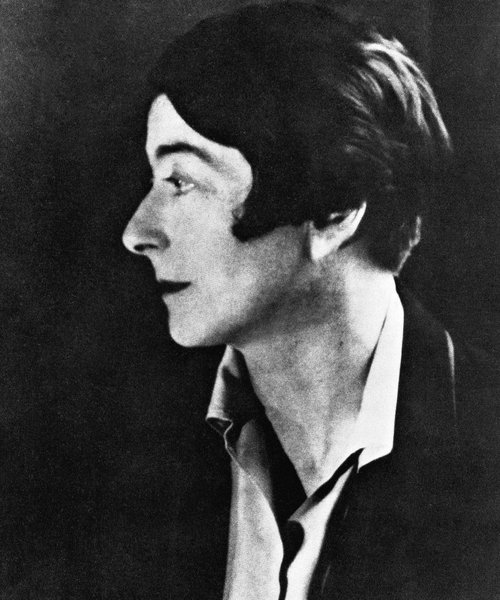
Eileen Gray
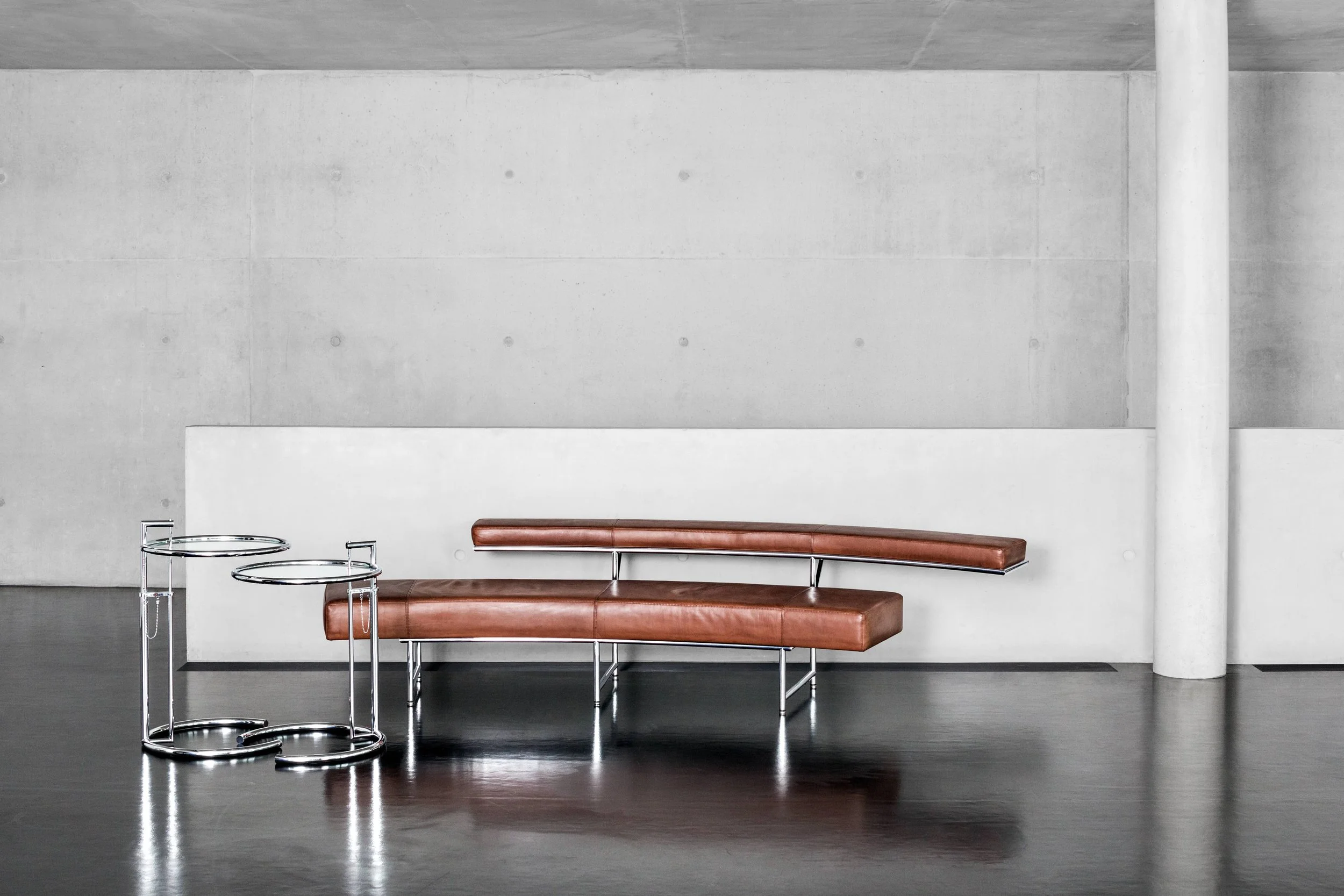
Monte Carlo Sofa
Coming from an aristocratic Irish-Scottish family, Eileen Gray went to London and Paris to study architecture and design. She first made a name for herself as a leading designer of lacquered walls and decorative panels. With her theories on design and architecture, she left an indelible mark on our ideas about living; her work is considered the epitome of Modernism. Gray’s tubular steel furniture, revolutionary at the time of their creation, are considered classics today. Her Adjustable Table E1027 is one of the most famous and most-copied designs in the world. It was added to the permanent collection of the Museum of Modern Art in New York in 1978. The non-conformist’s lifetime achievement was honoured in 2013 with a major solo exhibition at Centre Pompidou in Paris. The production of the movie “Price of Desire” and the documentary film “Gray Matters” (both 2014) continued the success of the exhibition. Gray’s most famous architectural design, the Maison en Bord de Mer E1027 on the Côte d’Azur, was reopened to the public in 2015.
MANUFACTURER
CLASSICON
Good furniture is like a good friend: somebody we like to have around and who accompanies us through life, wherever it may take us. We have been producing this kind of furniture since 1990. At the time, ClassiCon emerged from the traditional Vereinigte Werkstätten in Munich.
The licenses for the designs by famous designers of classic modernism, including Eileen Gray, Eckart Muthesius and Otto Blümel, formed the cornerstone for today’s collection. Soon, furniture by contemporary designers such as Sebastian Herkner, Neri & Hu, Konstantin Grcic and Jader Almeida followed. From the beginning, ClassiCon intentionally created a suspenseful relationship between classics and contemporary design. Owner Oliver Holy has had a lasting impact on the family-run company with his passion for design, architecture and art for almost 20 years now. Since mid-2024, he and CEO Timotheus Günak have been jointly managing ClassiCon.
Design, function and quality at the highest level plus a good amount of emotion – this is our vision: furniture design that convinces and accompanies people through their lives, something reliable and beautiful that is used and appreciated and, in the best case, passed down.
How much spirit of departure does a piece of furniture contain? At ClassiCon, you will only find innovative furniture that expresses the courage to depart from familiar ground. Some of the pieces carry big names, and each can look back on a proud design history, sometimes over several decades or even an entire century. Others, however, are only at the beginning of writing their own big stories.
We consider it our task to accompany and enable a multitude of such stories – now and in the future. For this purpose, we are continuously expanding our partner network and engage in intensive dialogs with international designers, often young and unknown.
Local craft businesses that bring design ideas to life through their skills and expertise play an equally important role for us. Through our production methods, we aim to bring this craftsmanship and wealth of experience to light and secure it for the future.
Designs from the ClassiCon collection can be found in museum collections around the world. Rare and precious originals by Eileen Gray, for example, are owned by the Victoria and Albert Museum in London, the National Museum of Ireland and the Museum of Modern Art in New York. In the meantime, designs by our contemporary designers have found a place in collections: classics of the future are exhibited or archived in various contexts. They represent formal innovation, originality and quality. With each selection, we are delighted about the success of the designers and the confirmation of our work.
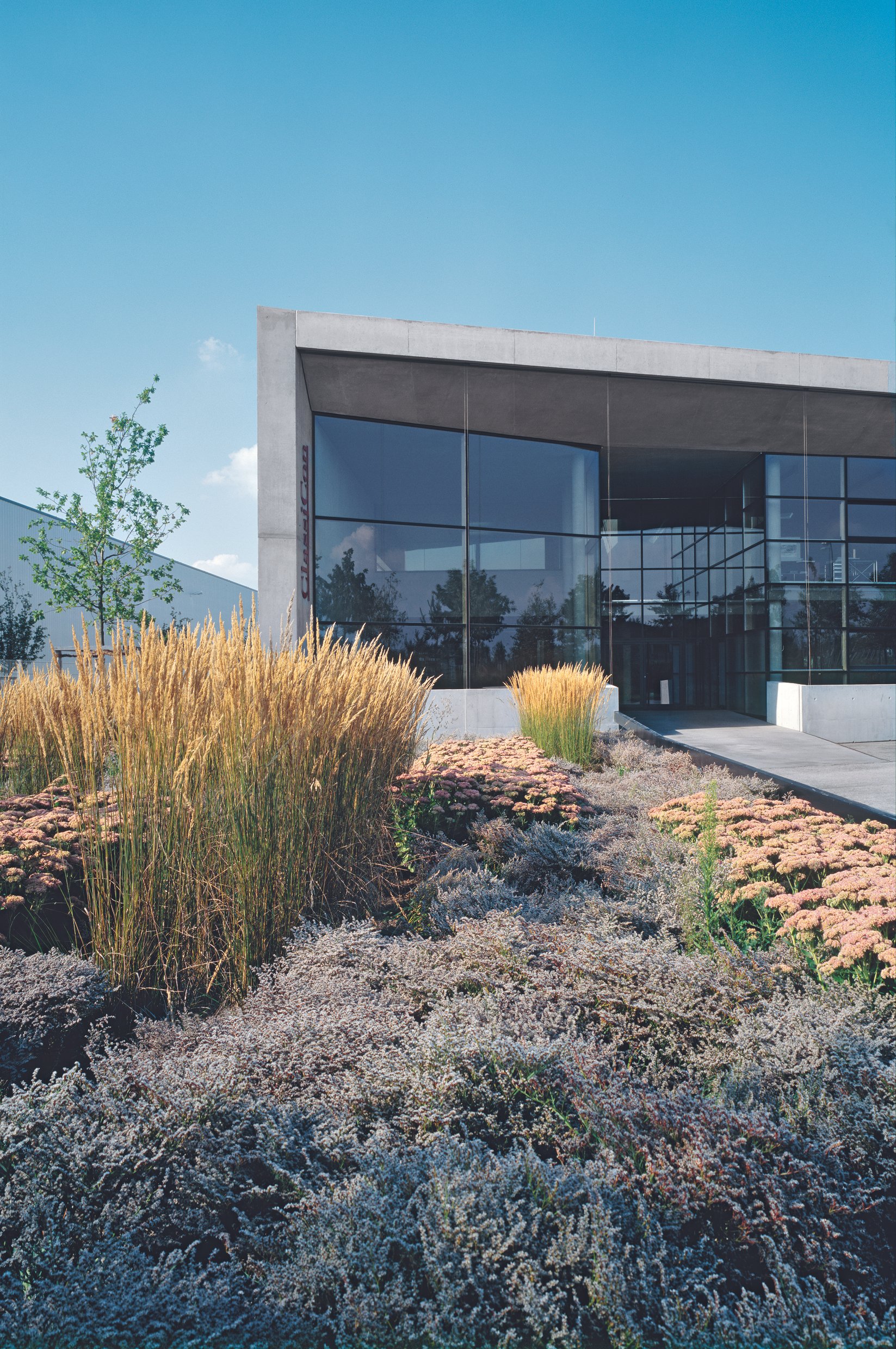
Classicon Headquarters