
 Image 1 of 16
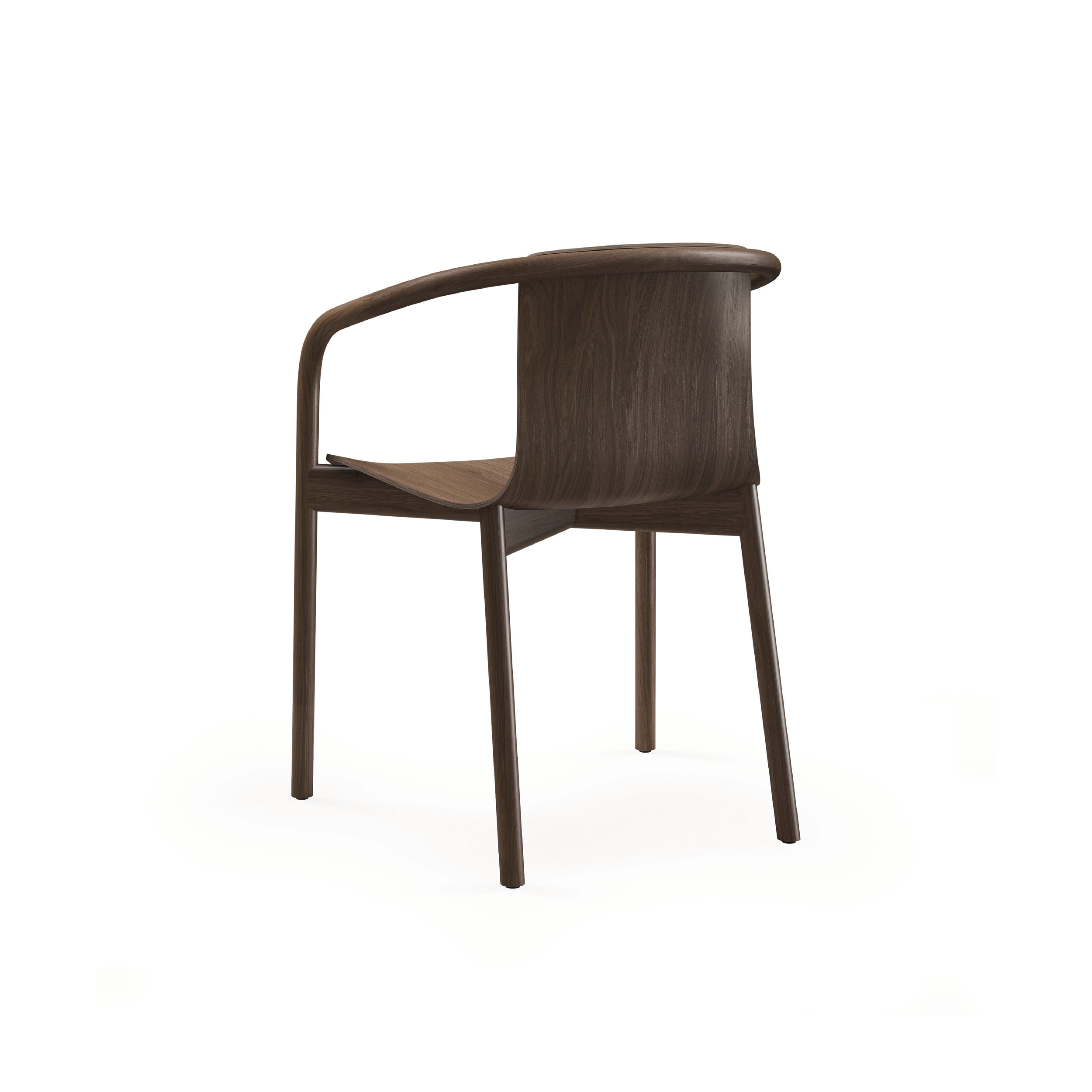 Image 2 of 16
 Image 3 of 16
 Image 4 of 16
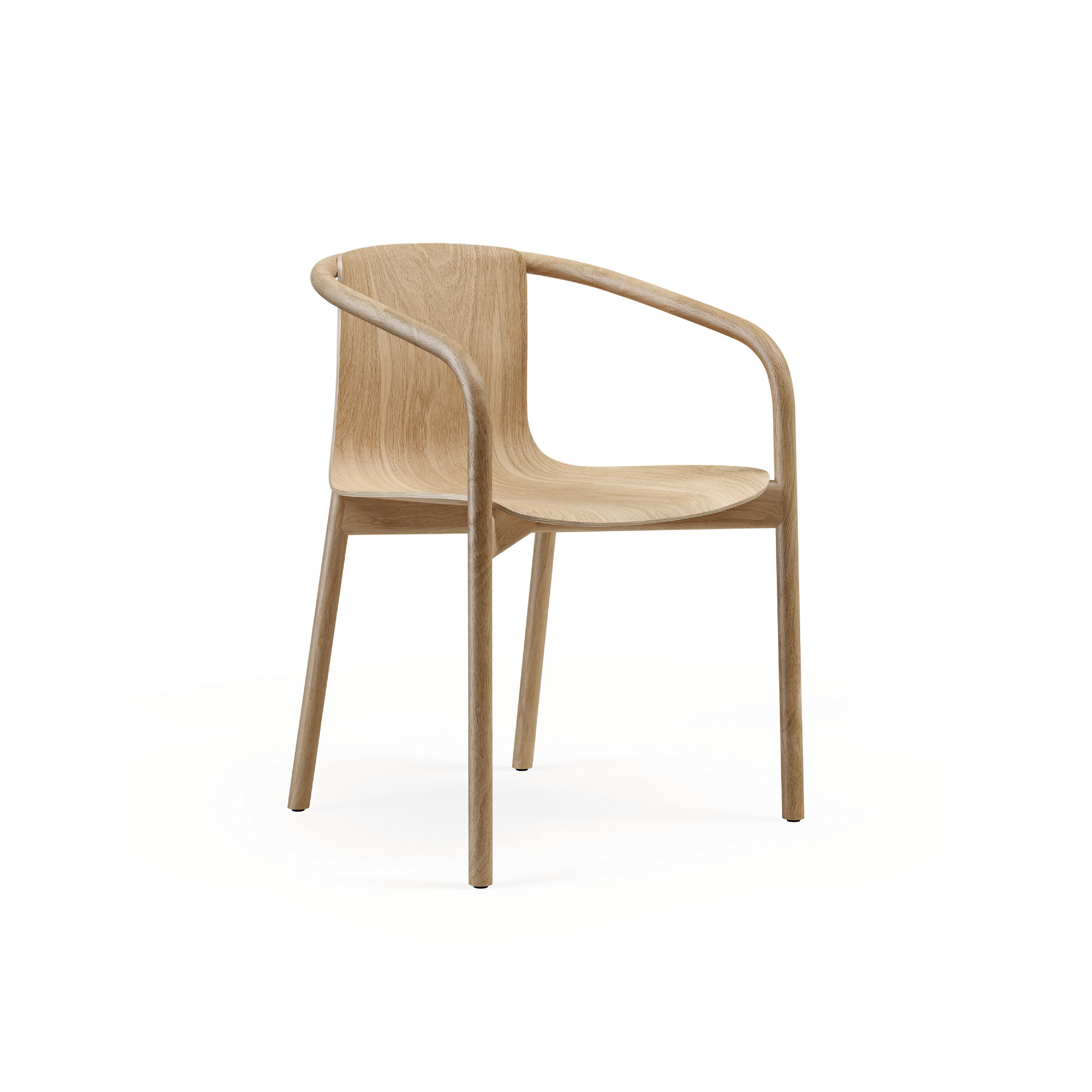 Image 5 of 16
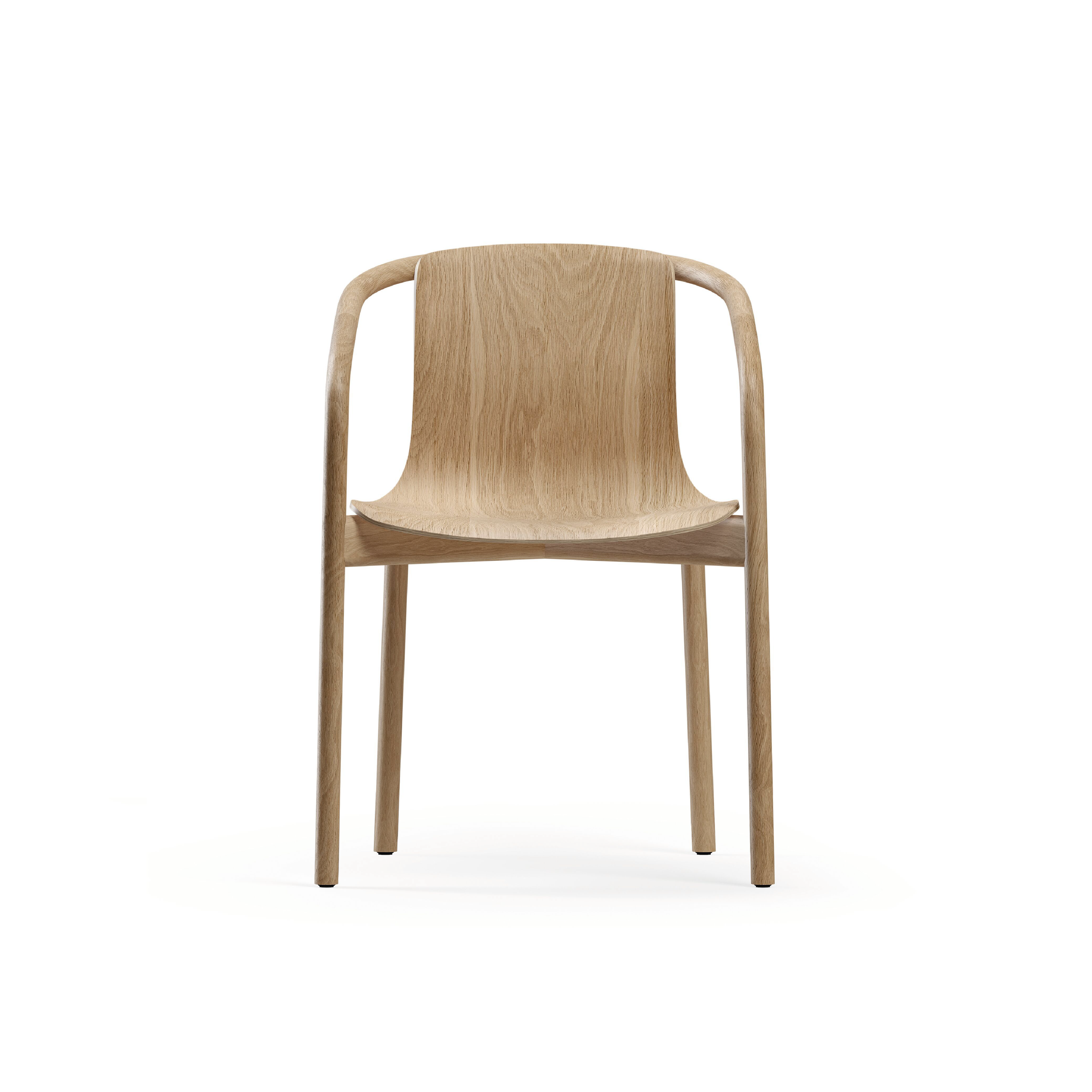 Image 6 of 16
 Image 7 of 16
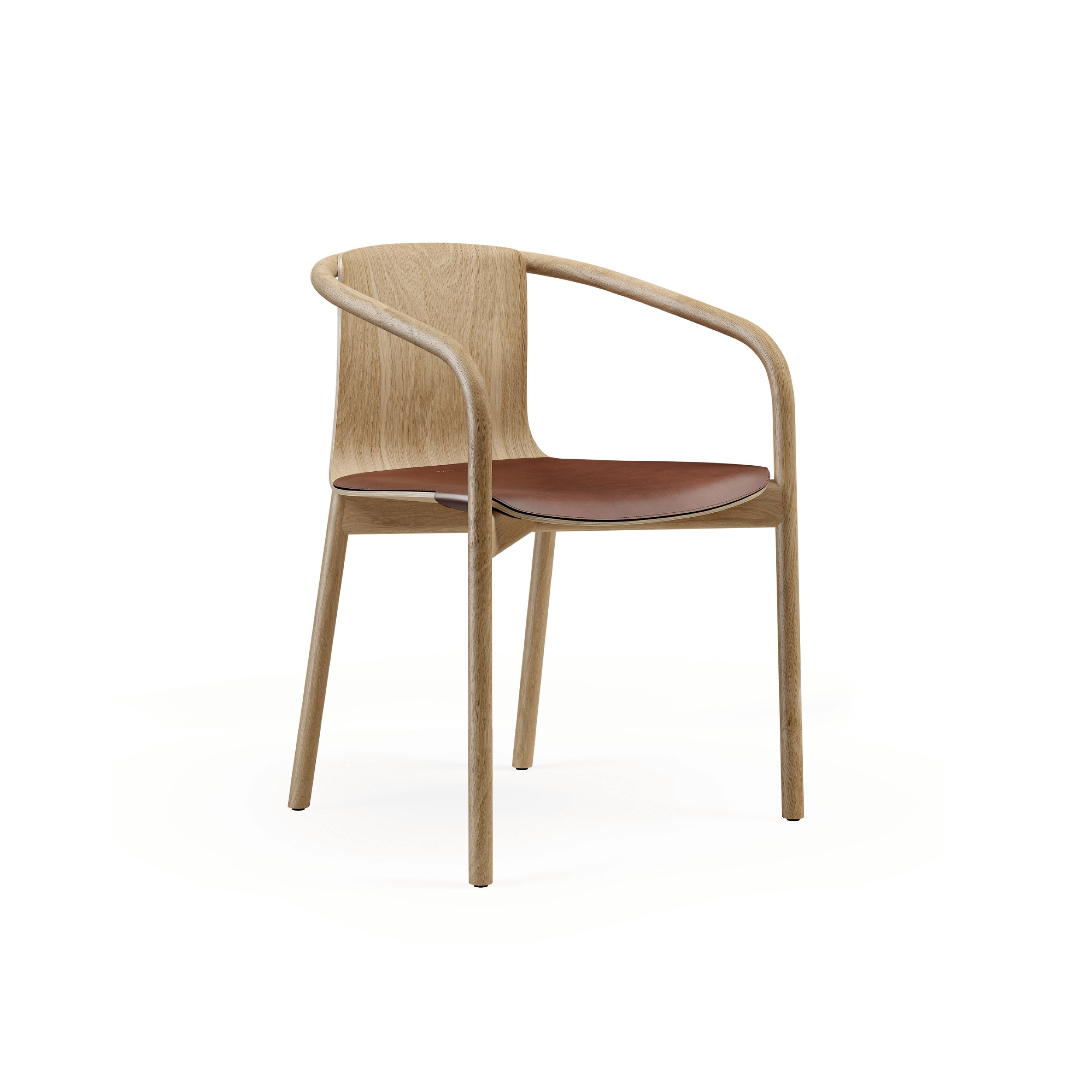 Image 8 of 16
 Image 9 of 16
 Image 10 of 16
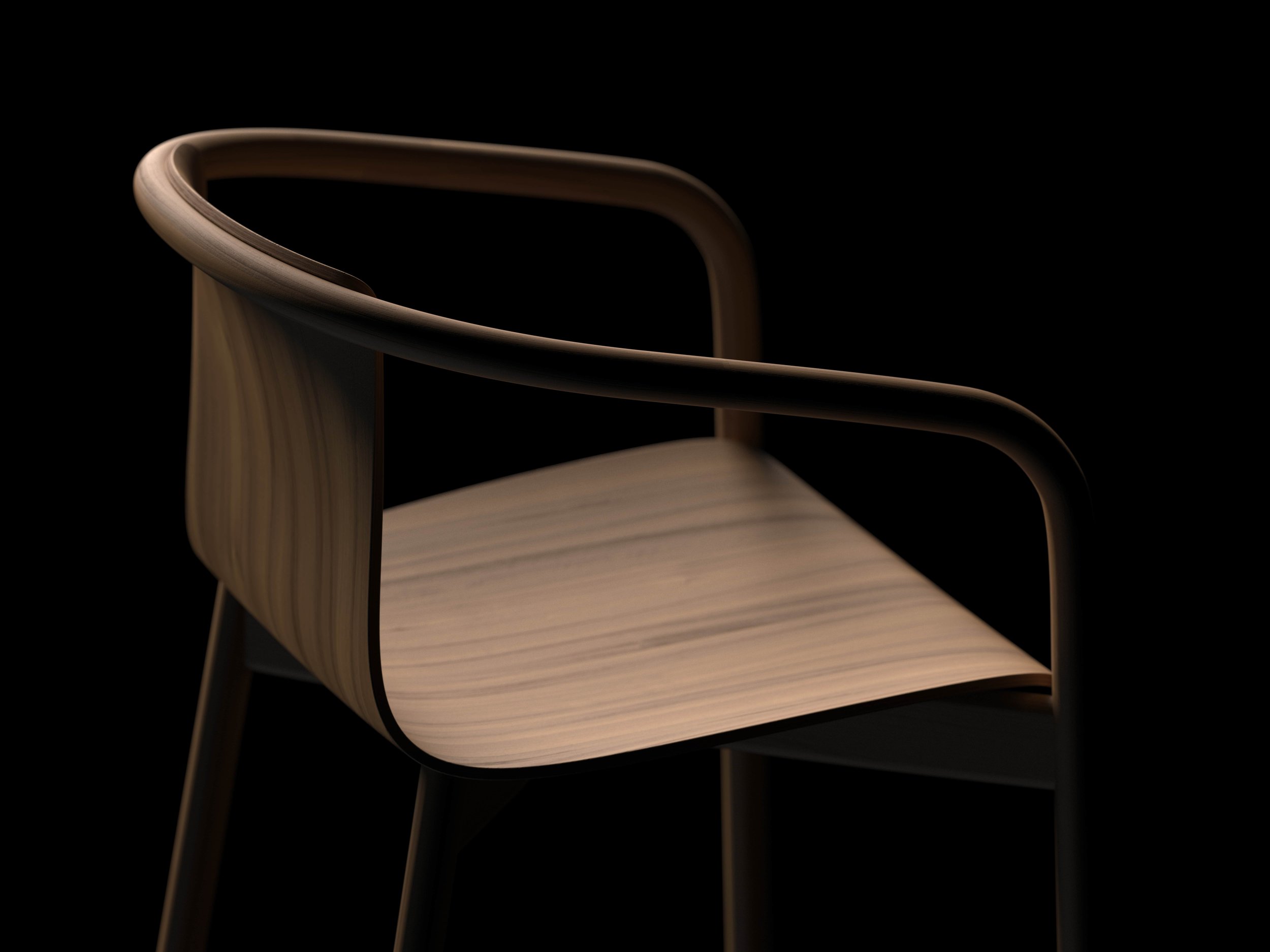 Image 11 of 16
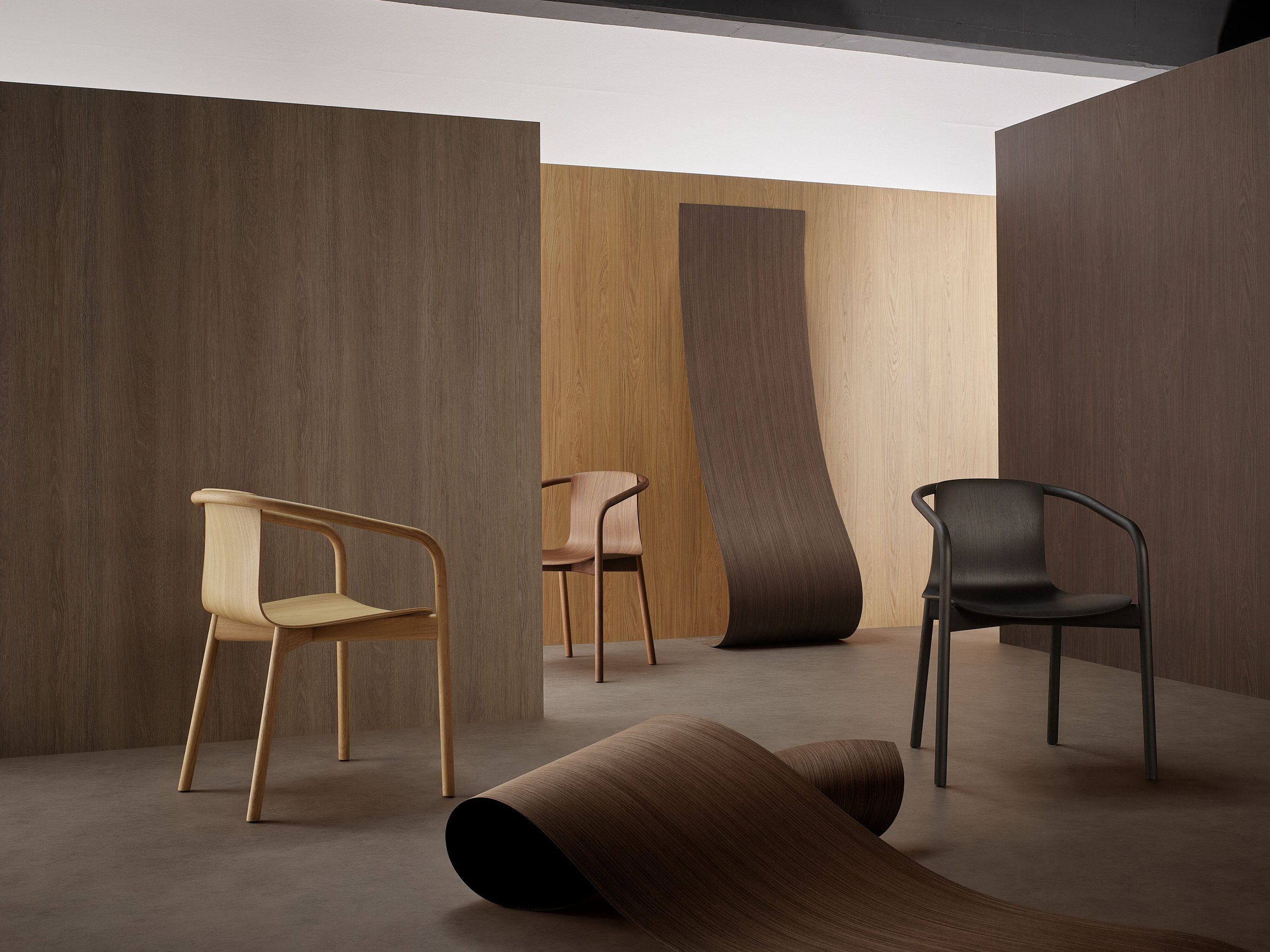 Image 12 of 16
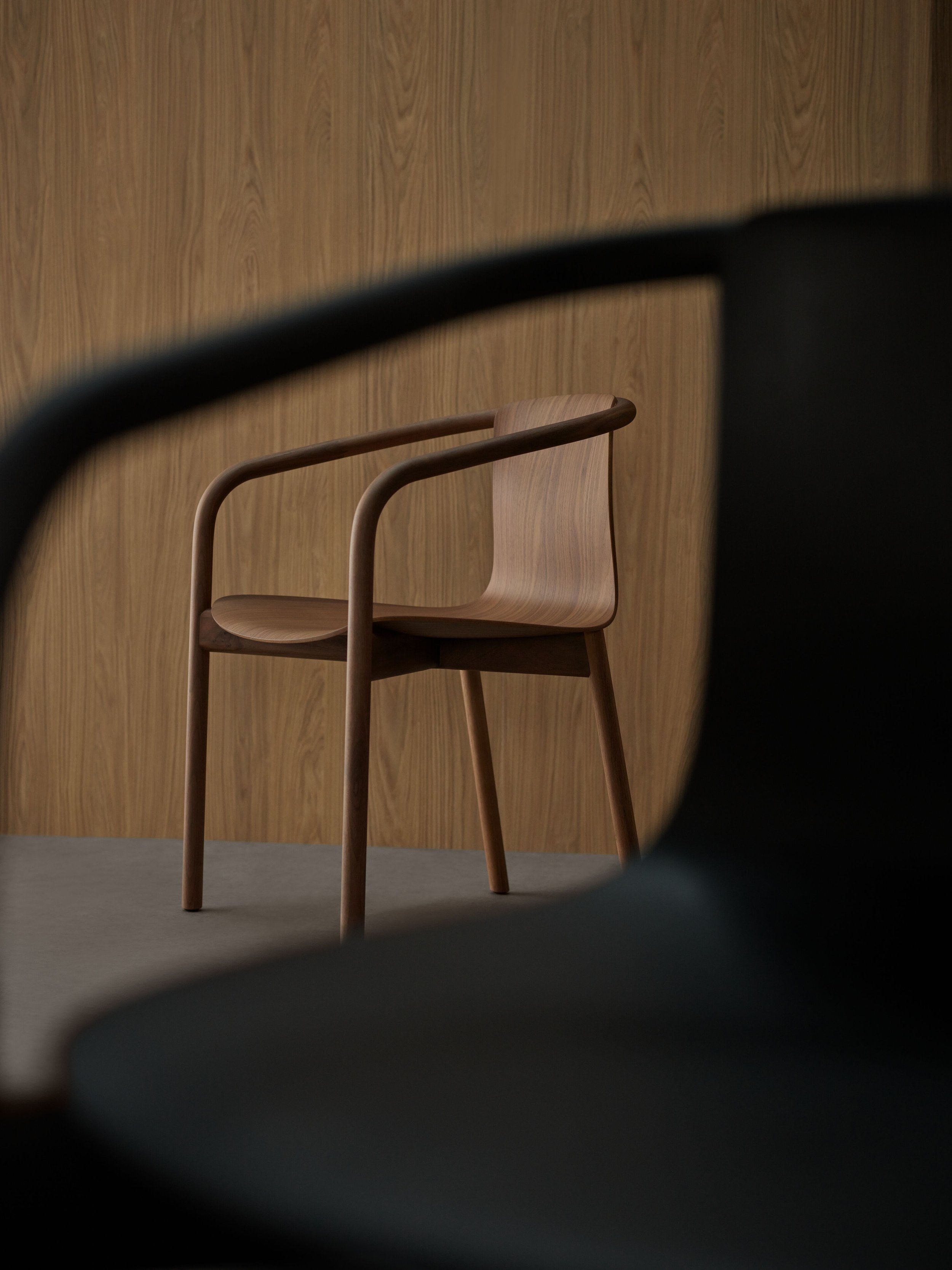 Image 13 of 16
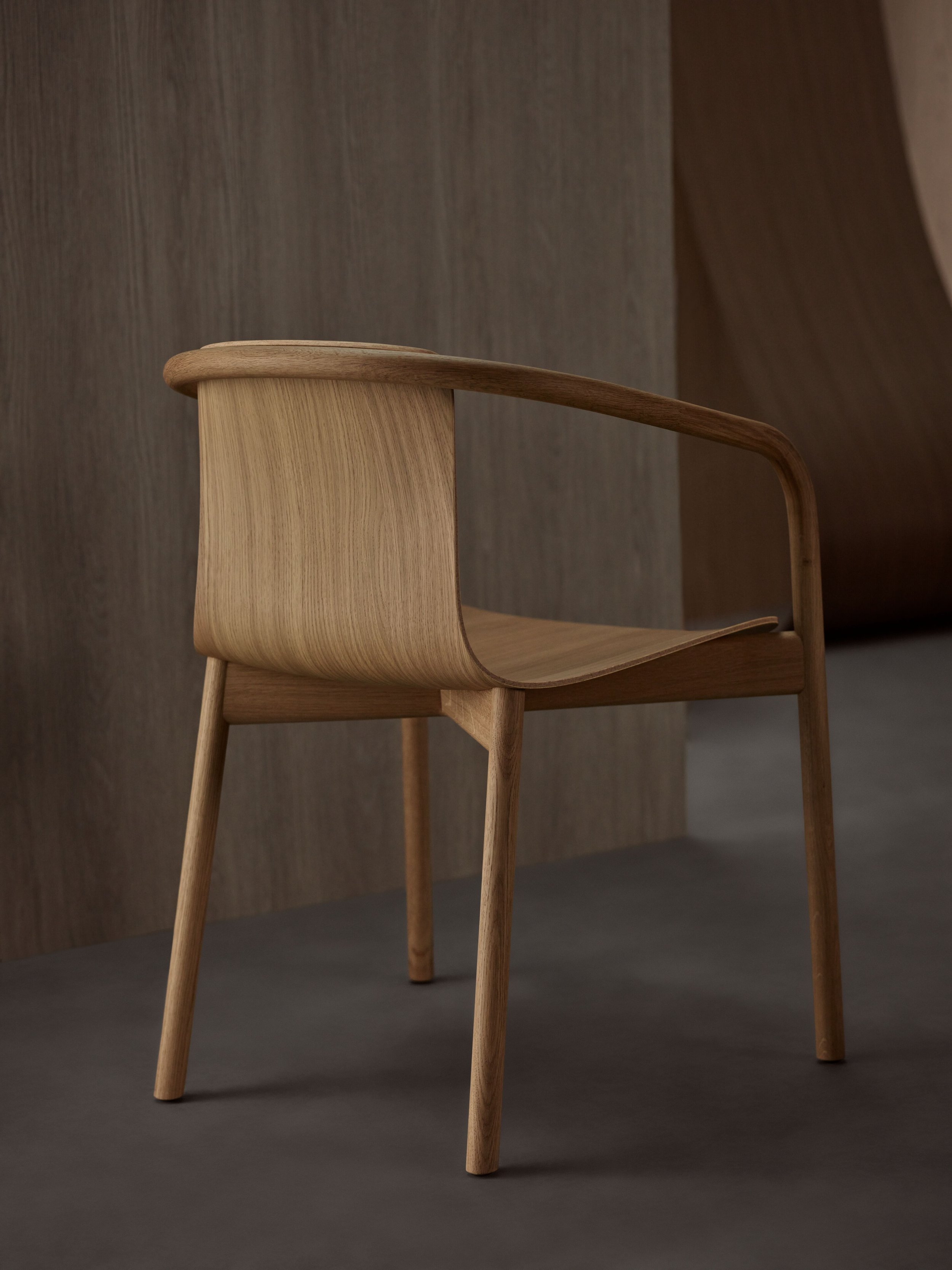 Image 14 of 16
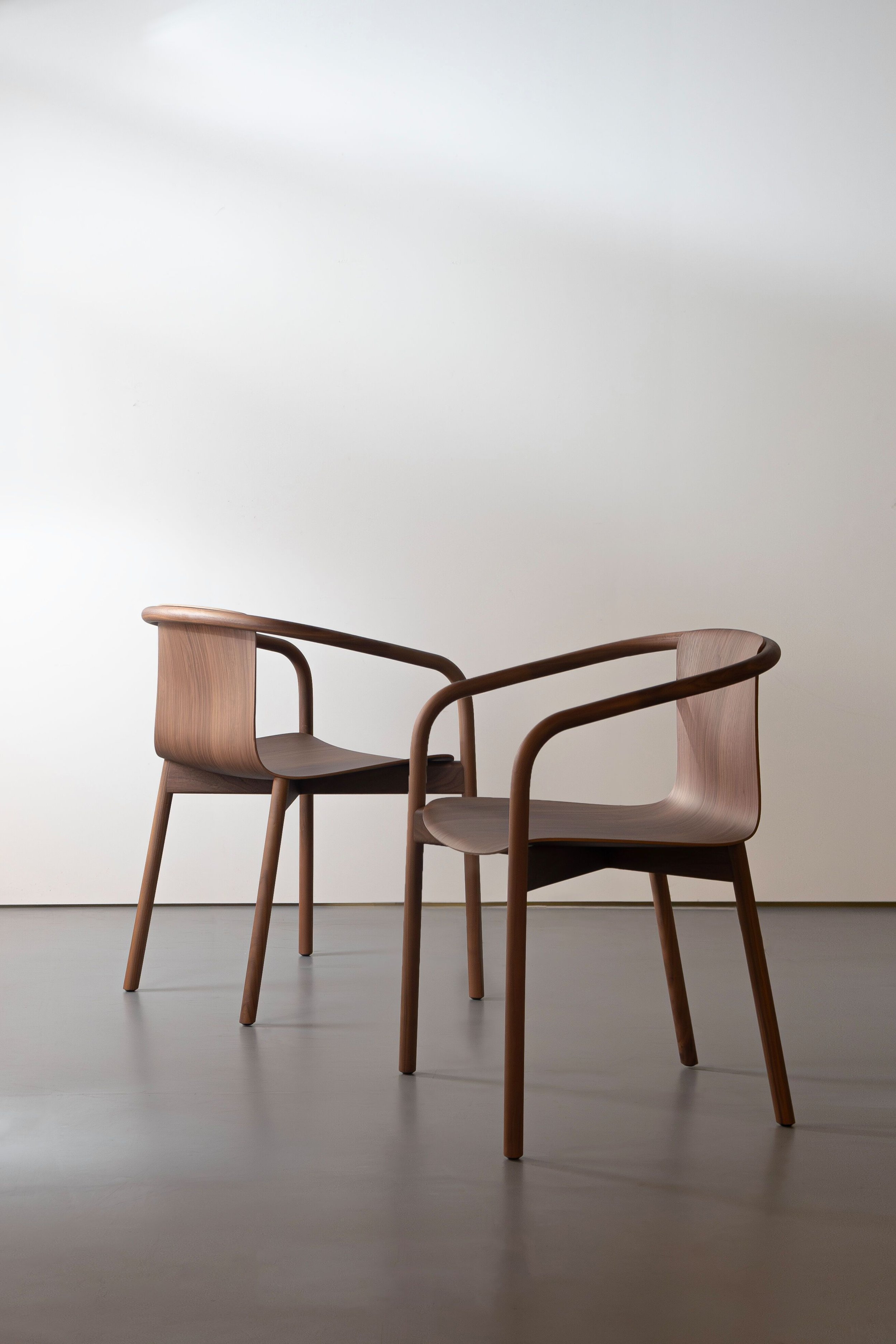 Image 15 of 16
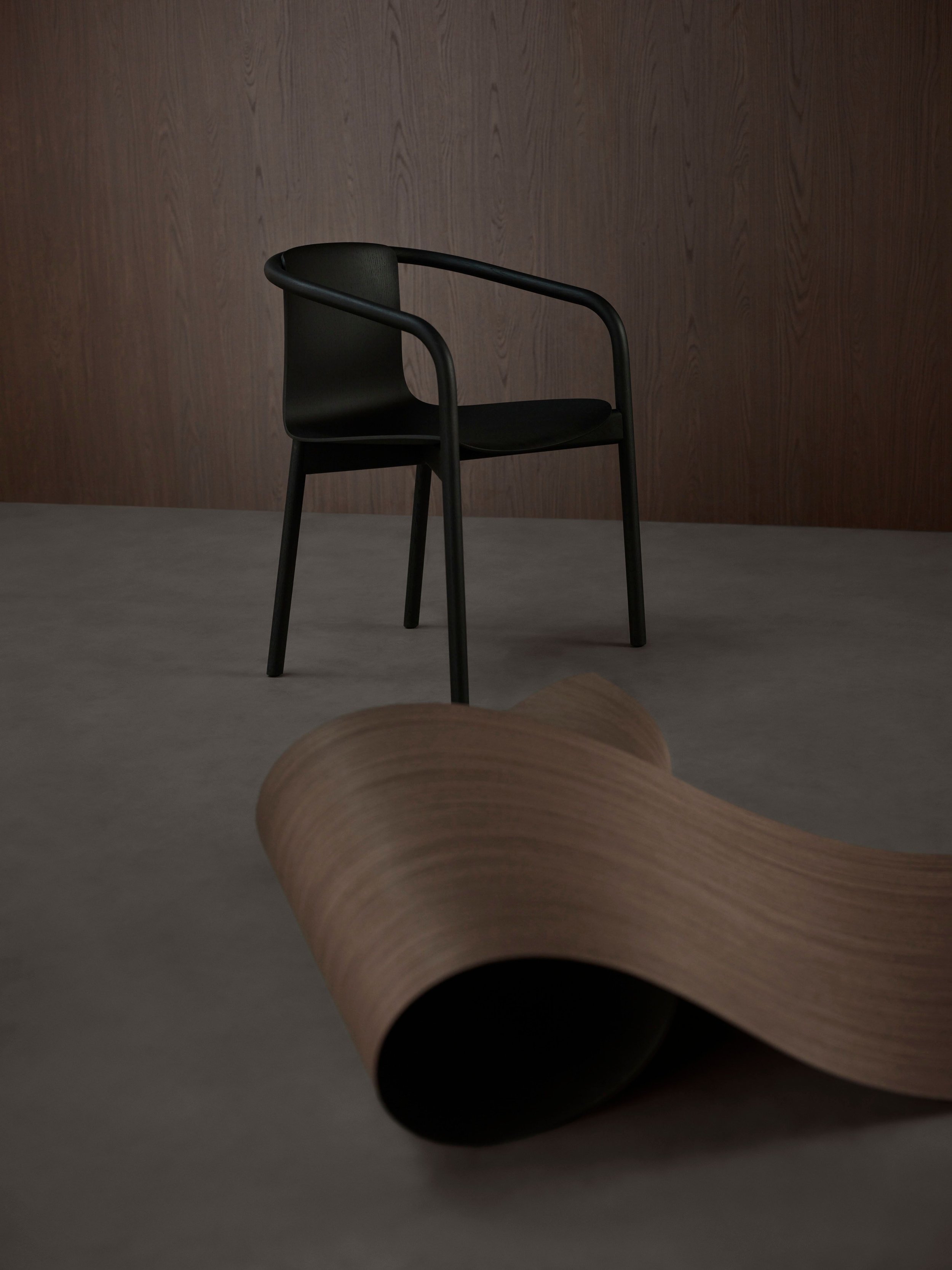 Image 16 of 16
Osuu Chair
TIMELESS, ELEGANT DESIGN PREDICTS A LONG LIFE
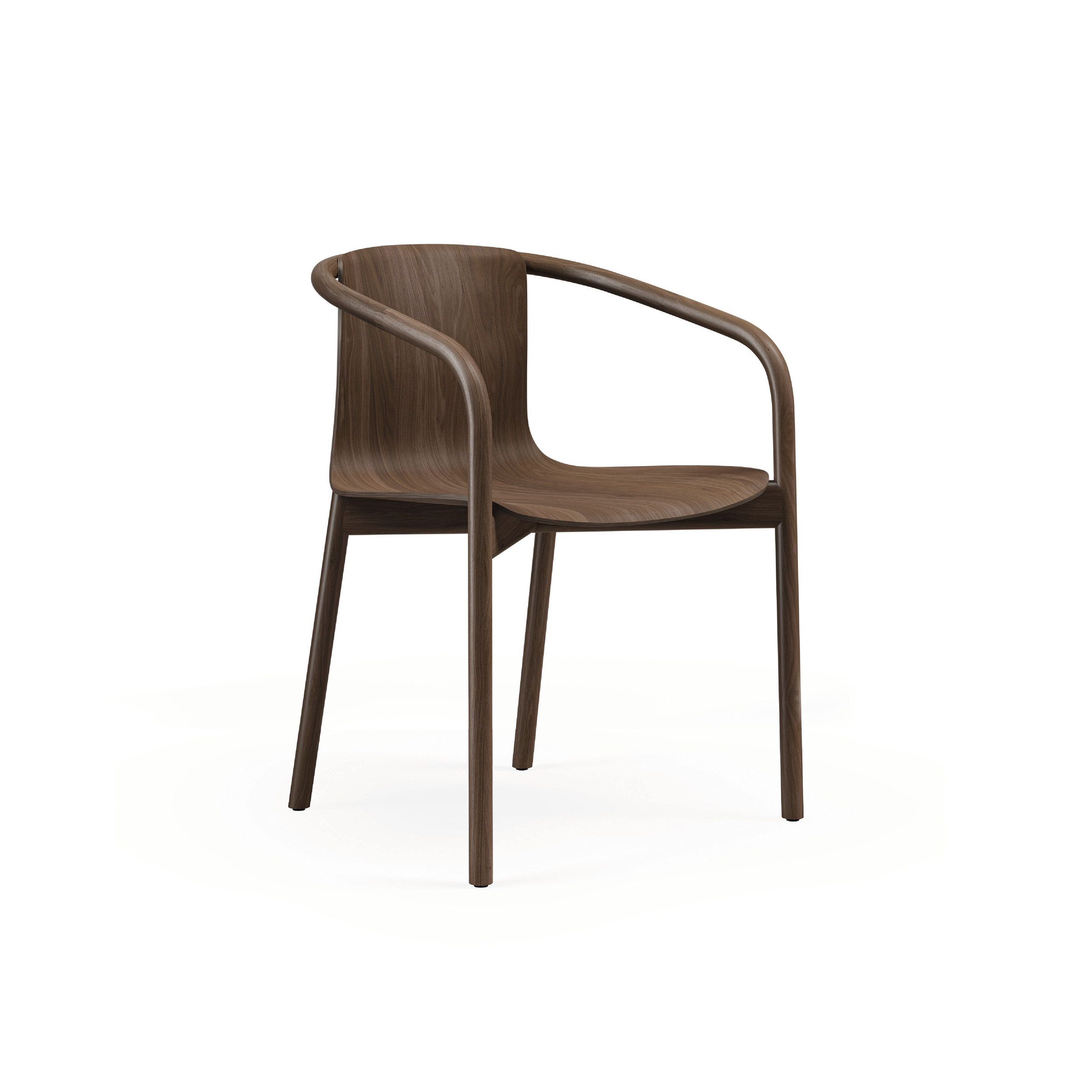
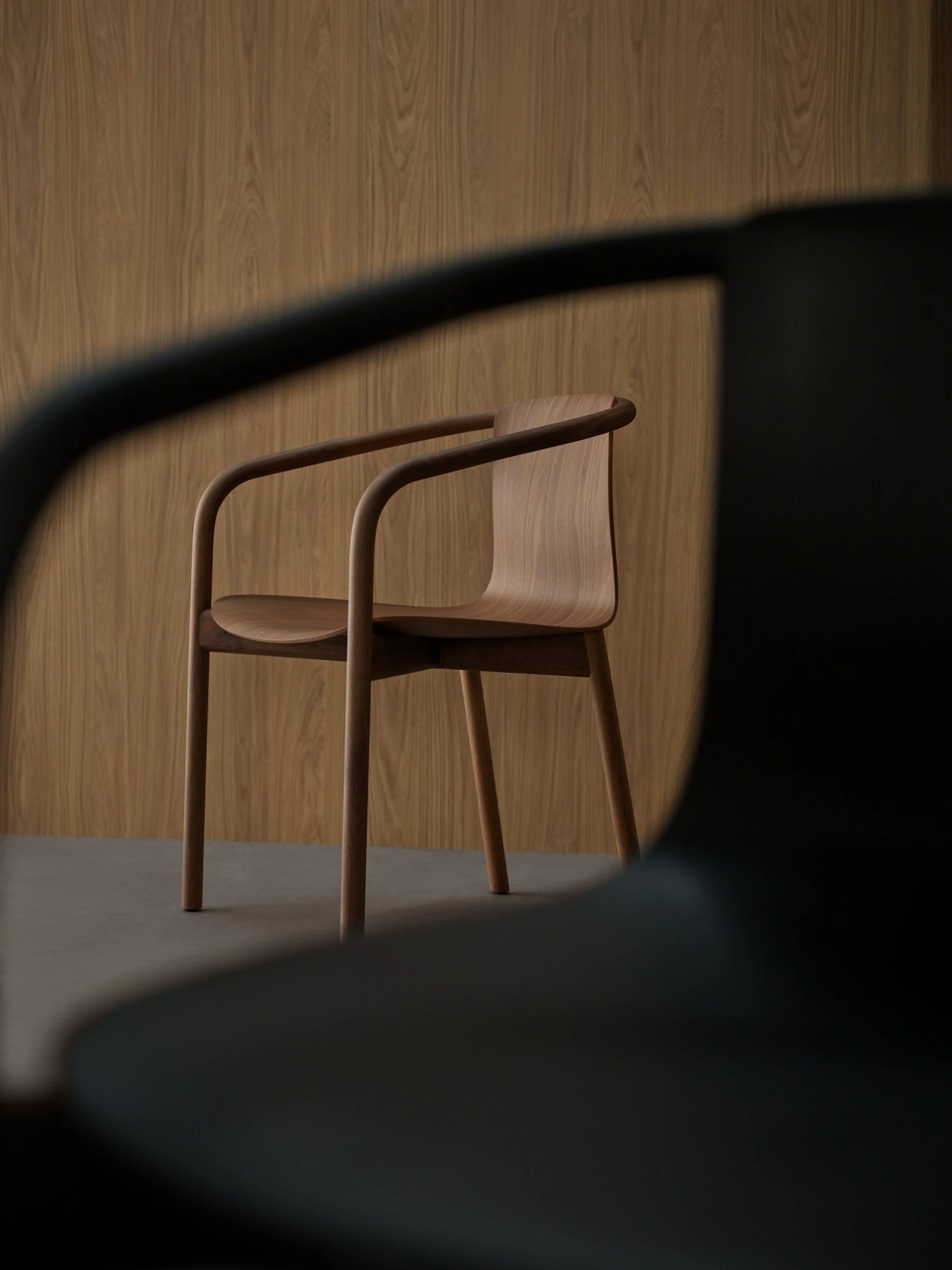
The new Osuu Chair is a lightweight wooden chair. The combination of bentwood and plywood in an all-wooden chair is unique and beautiful, yet so complex. There is a special harmony and filigree in the aesthetic and workmanship of the chair. The outer arch curves around the body and transforms into a front leg. Solid, steam-bent roundwood forms the front legs, arms and the upper backrest support.
For projects with high use requirements: invisible steel inserts reinforce the rear legs; the chair can withstand highest loads. It has been tested in accordance with the American ANSI-BIFMA standard for office, lounge and public seating.
“The chair embodies an inherent lightness, both in terms of its physical weight and a light-touch approach to design.” - Mike Holland, Head of Industrial Design Foster + Partners
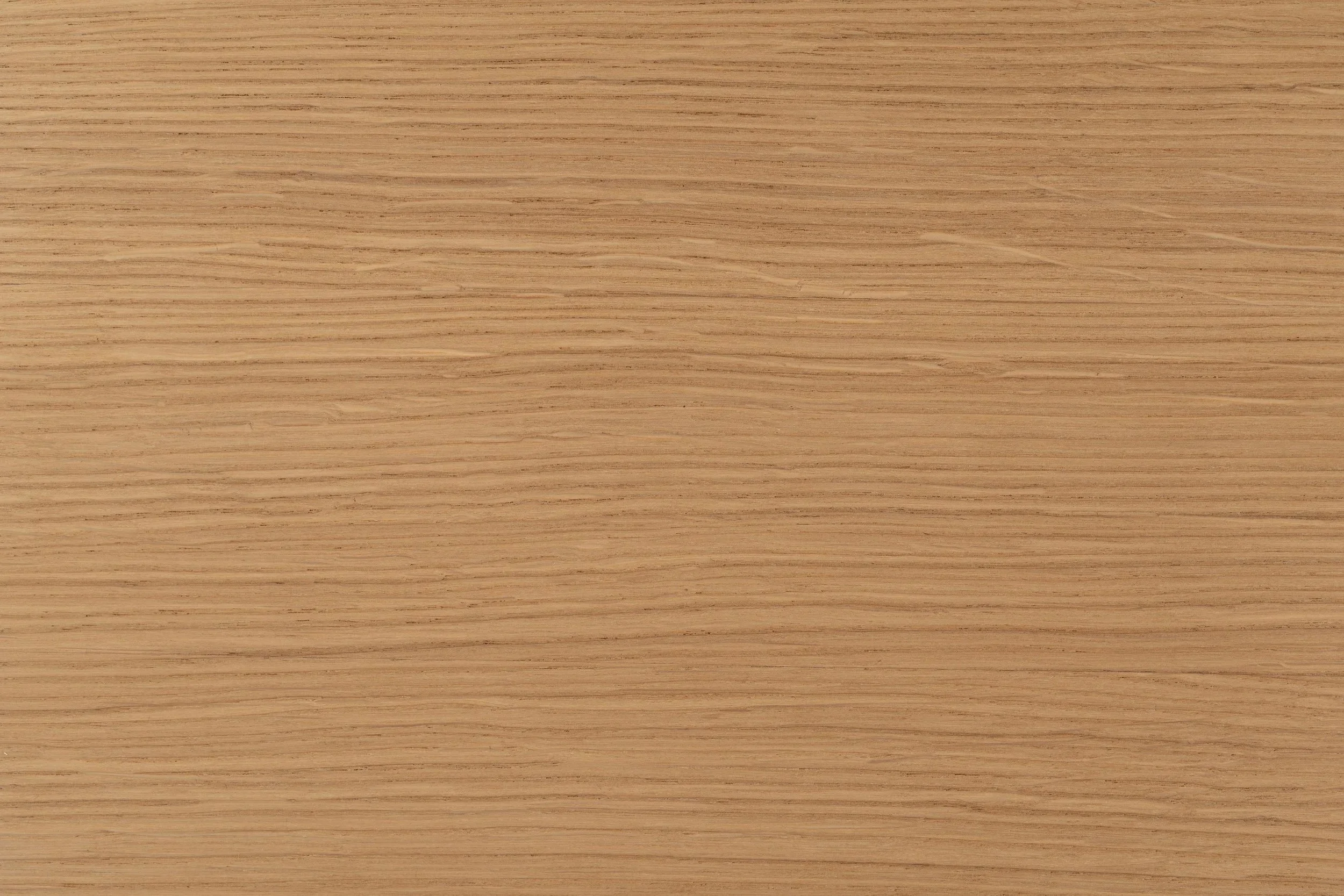
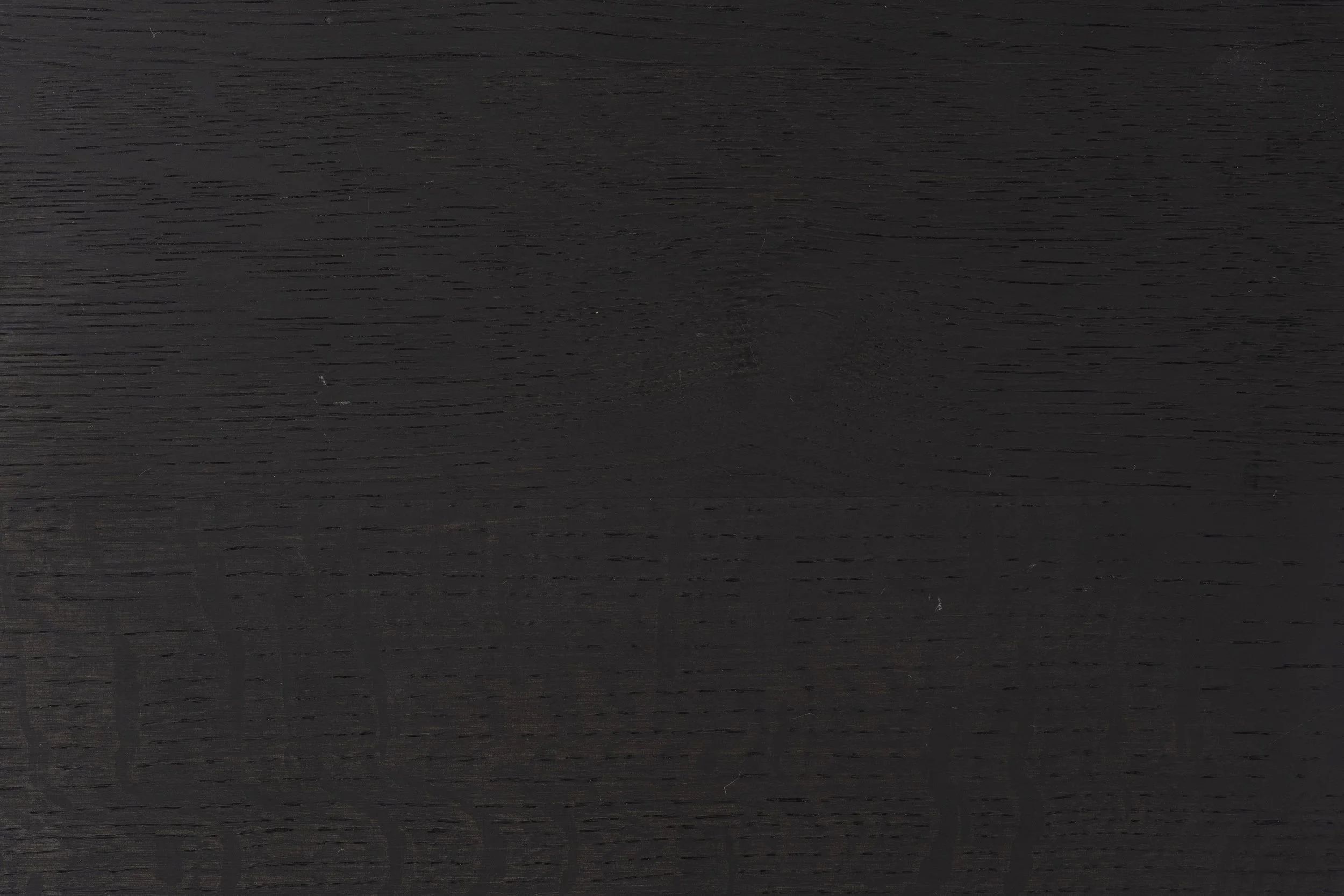
Chair. Available in oak and nutwood. All Osuu wood variants come from sustainable forestry. Materials for the Osuu Chair are currently sourced from the Black Forest. In nutwood, it is a rarity as the selection and processing of this material requires special skills. Only a few manufacturers worldwide can bend solid nutwood. FSC license number: FSC-C168879.
Seat cushion pads made of saddle leather are offered at an additional cost. To extend the chair's lifespan, we avoid the use of screws or glue on any of the upholstery. This not only saves resources, but also simplifies adapting the chair to your personal style by changing the pad. The seat pad is simply inserted between seat and frame using clasps, no tools or other aids are required.
Dimensions
W. 58cm (22 3/4") D. 54cm (21 1/4") H. 78cm (30 3/4")
MATERIALS
STRUCTURE
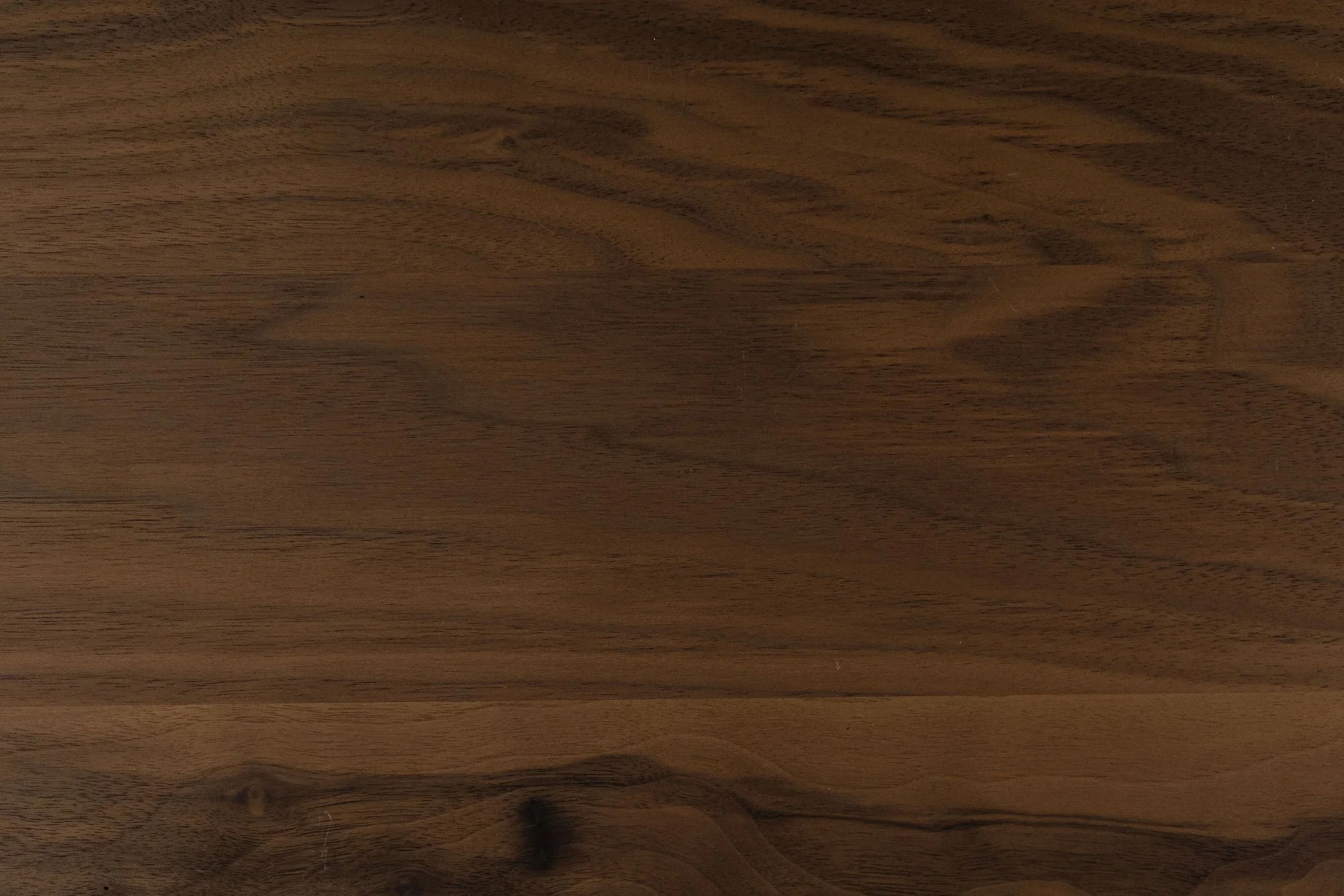
LEATHER
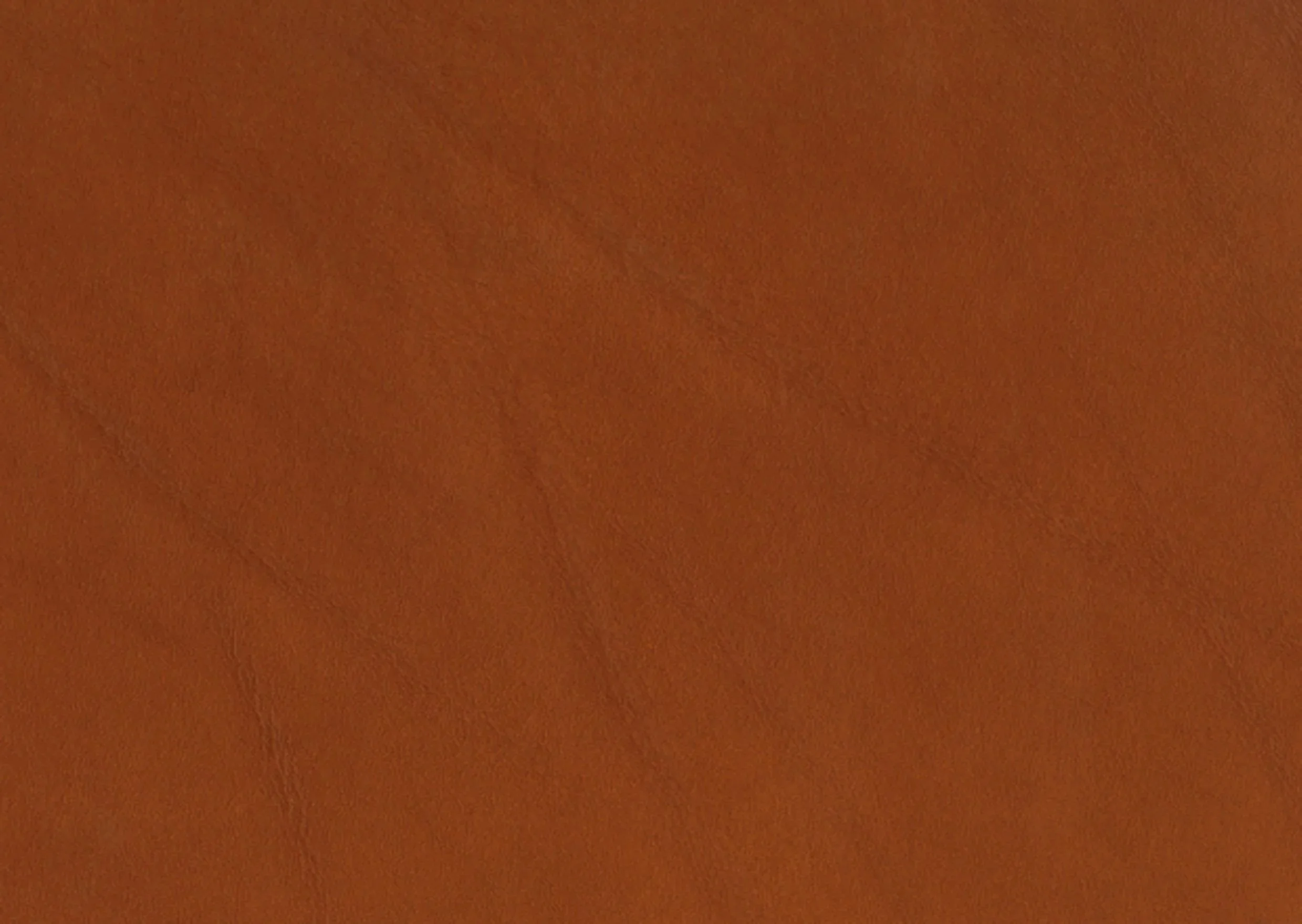





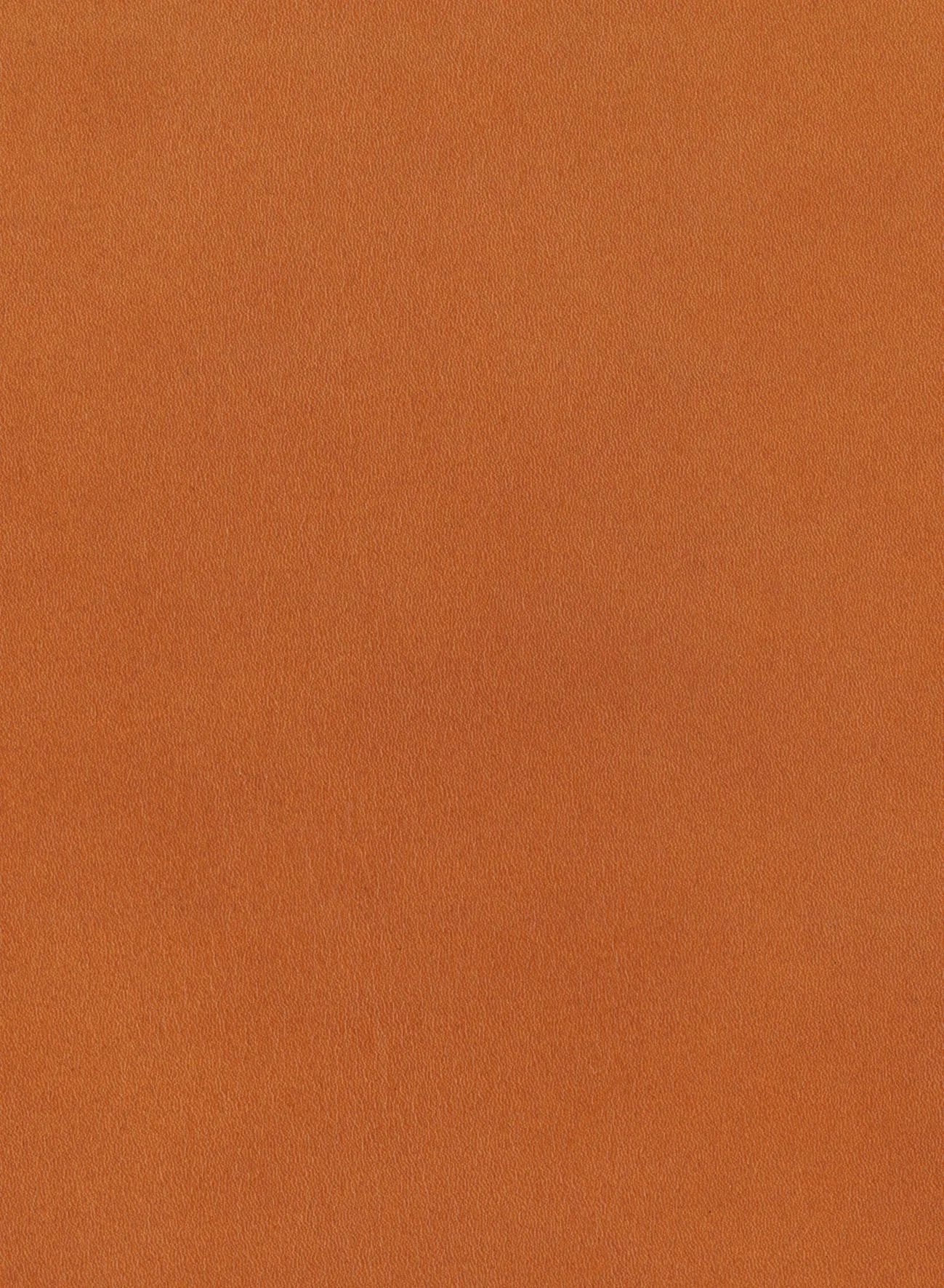
-
Saddle Leather by Walter Knoll
(Sherry, Black, Clay, Coffee, Khaki, Maron, Ocra)
Aniline barrel dyed with light pigmentation, with dirt-repellent water-based impregnation. Average Thickness 2.8-3.2mm. Tanning Vegetable. Fire Protection BS 5852 part 1 ignition source 0, BS 5852 part 1 ignition source 1, DIN EN 1021 part 1, DIN EN 1021 part 2, TB 117-2013.
THE CRAFT BEHIND THE OSUU
Explore the craft behind the Osuu chair, a collaboration between Foster + Partners Industrial Design and Walter Knoll.
DESIGNEr
Foster + Partners Industrial Design
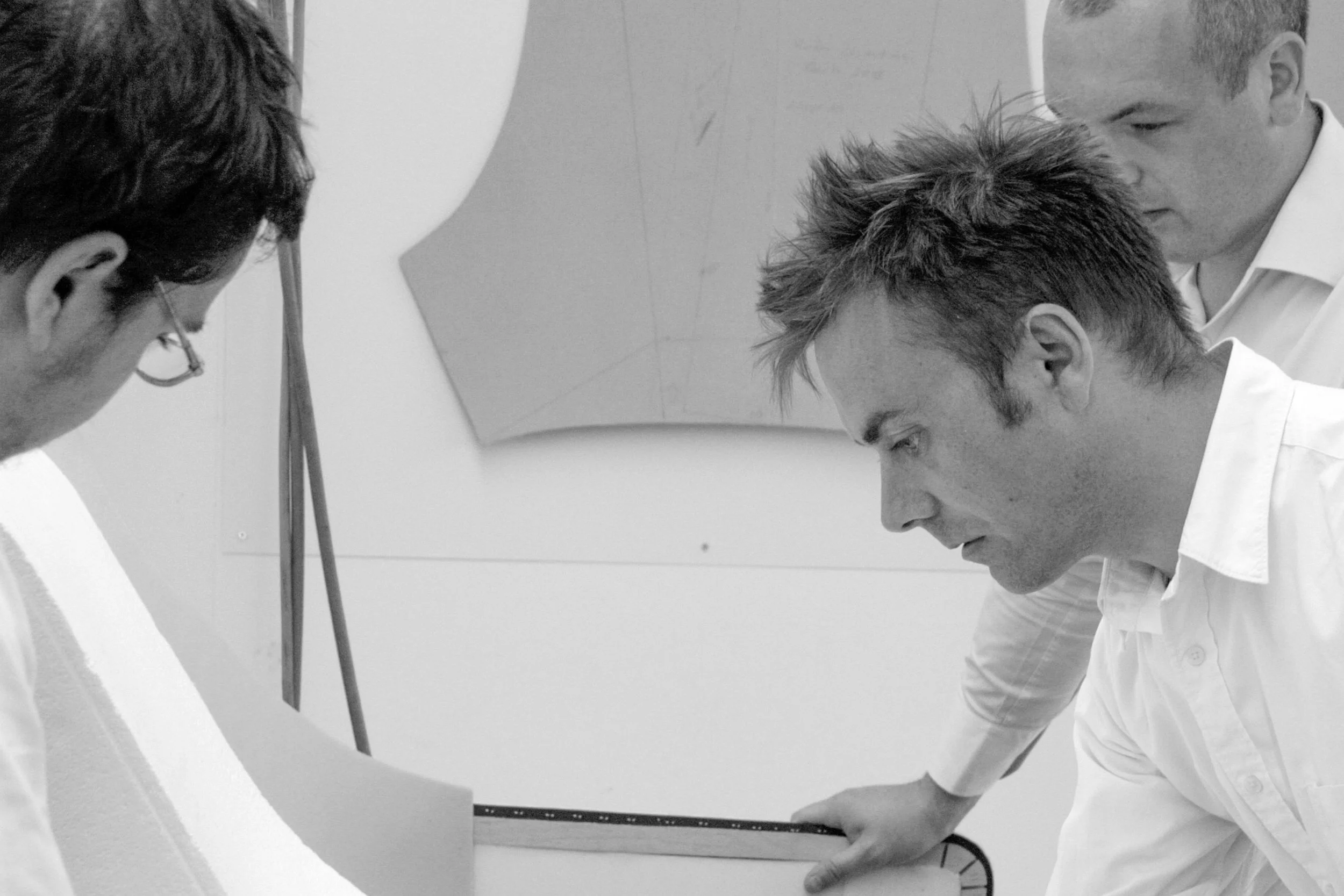
Foster + Partners Industrial Design
Osuu Chair
The art, craft, and science of making has been at the root of Foster + Partners Industrial Design for decades. Founded by Norman Foster, today the studio develops and delivers ideas-led products at every scale, from tables to turbines, in conjunction with manufacturers, craftspeople, and startups. Working within an integrated design practice– collaboration is at the heart of Foster + Partners Industrial Design’s ethos– and every product is shaped by a wealth of experiences and global expertise. The studio is driven by principles of sustainability, combining rigorous research with a ‘design by making’ ethos. All projects are advanced through prototyping and making as an iterative approach– refining designs through trial and error, digital modelling, and physical craftsmanship.
MANUFACTURER
walter knoll
Wilhelm Knoll, the founder of the Knoll dynasty, opens the doors of his “leather shop” in Stuttgart, Germany. Widely travelled expert in leather: in 1864, annual stay in Paris – the world centre of leather, fashion and luxury goods. “Knoll leather” becomes the hallmark of quality, and the House of Württemberg names Wilhelm Knoll, supplier to the royal court“. In 1907, Wilhelm’s sons Willy and Walter take over their father’s business and start producing seating. The company introduces the first club armchair to Germany.
From 1925 to 1929, advocating modernity: at the age of 50, the urbane gentleman Walter Knoll founds his own company, Walter Knoll & Co. GmbH. The “Prodomo“ models developed by Walter Knoll are seen as the first modern upholstered furniture in history. The lightweight Prodomo armchairs perfectly reflect the spirit of the times of the twenties. The world‘s first wide-bodied aircraft Do X is completely furnished with lightweight aluminum chairs from the Prodomo range. At the same time, Wilhelm Knoll revolutionizes the traditional upholstery technique with his “Antimott“ range. The lightweight aluminum armchairs from the Antimott range are used to furnish the zeppelins. The exhibition„Die Wohnung“ (The Apartment) under the direction of Mies van der Rohe 1927 at the Weissenhof Estate in Stuttgart sets standards for modern building and living all over the world.
Being equipped with the knowledge of the Bauhaus movement and the abilities of his family, Walter Knoll´s son Hans goes to the US in 1938 – in the beginning to sell the products of his father. In America, he meets the architects of modernity and opens his own business in 1939. While Germany is still accustomed to classic furnishings after 1945, Walter Knoll is presenting a modern way of life. Hans Knoll supports his father in this time of reconstruction with the “Vostra“ model. In 1949, the upholstered version of the armchair: the clean lines of Vostra perfectly reflect people’s attitudes in this time of awakening, and help Walter Knoll to regain international recognition.
The Contract division is established in the 1970s. Elegant executive offices, comfortable swivel chairs, fine conference facilities as well as elegant sofas for foyers and lobbies account for the success in furnishing business premises. The furnishing of Berlin‘s Tegel Airport in 1975 is without doubt one of the highlights of the company‘s history. Together with architect Meinhard von Gerkan, the Berlin Chair is created for the airport‘s VIP lounge. In 1985, Walter Knoll takes over the company Wilhelm Knoll and continues to sell the products as the “Wilhelm Knoll Collection”. The famous furnishing family Benz buys the Walter Knoll company in 1993. Markus Benz, the oldest son, has been running the business ever since with the experience of excellent upholstery craftsmanship and modern corporate culture.
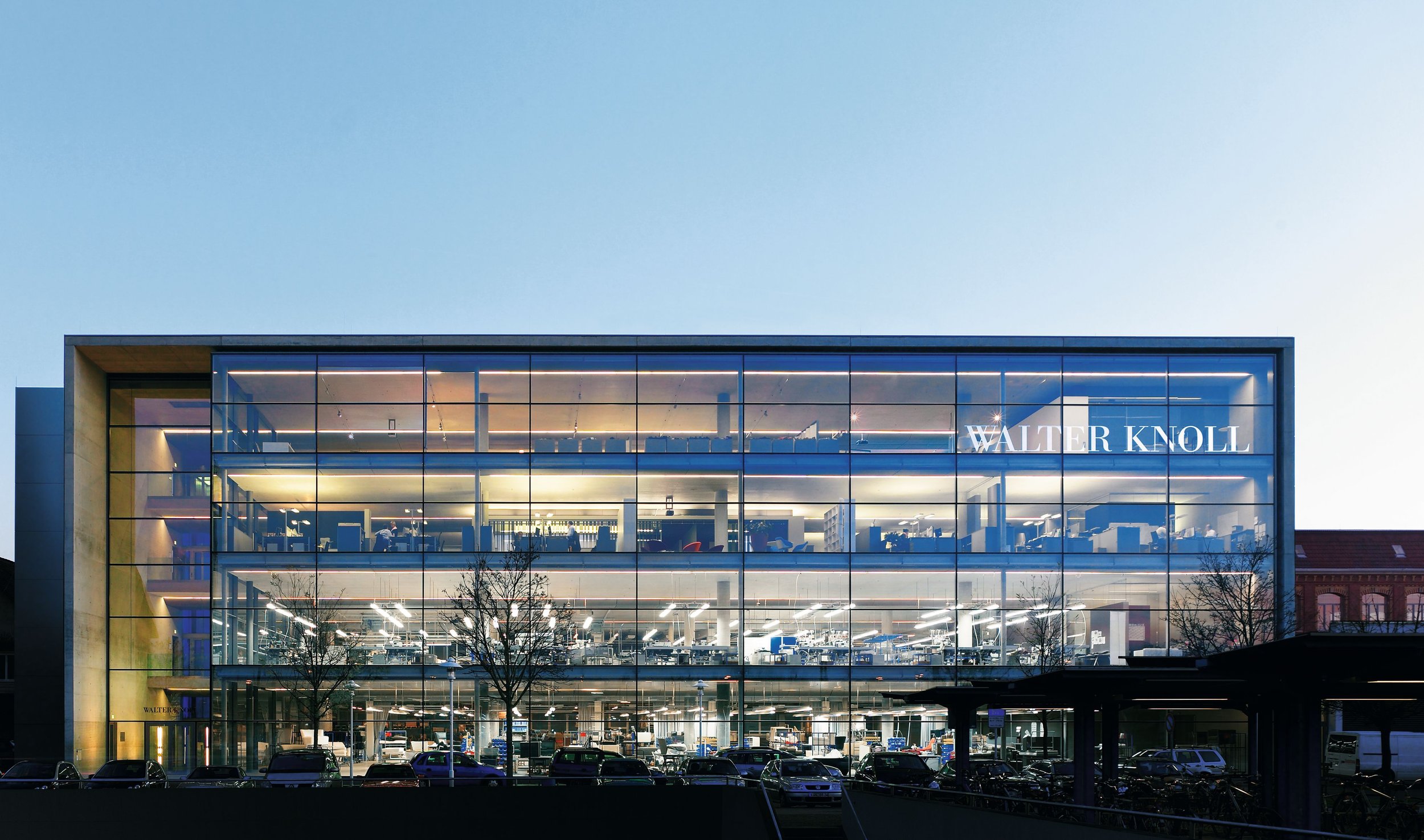
Walter Knoll Headquarters