
 Image 1 of 23
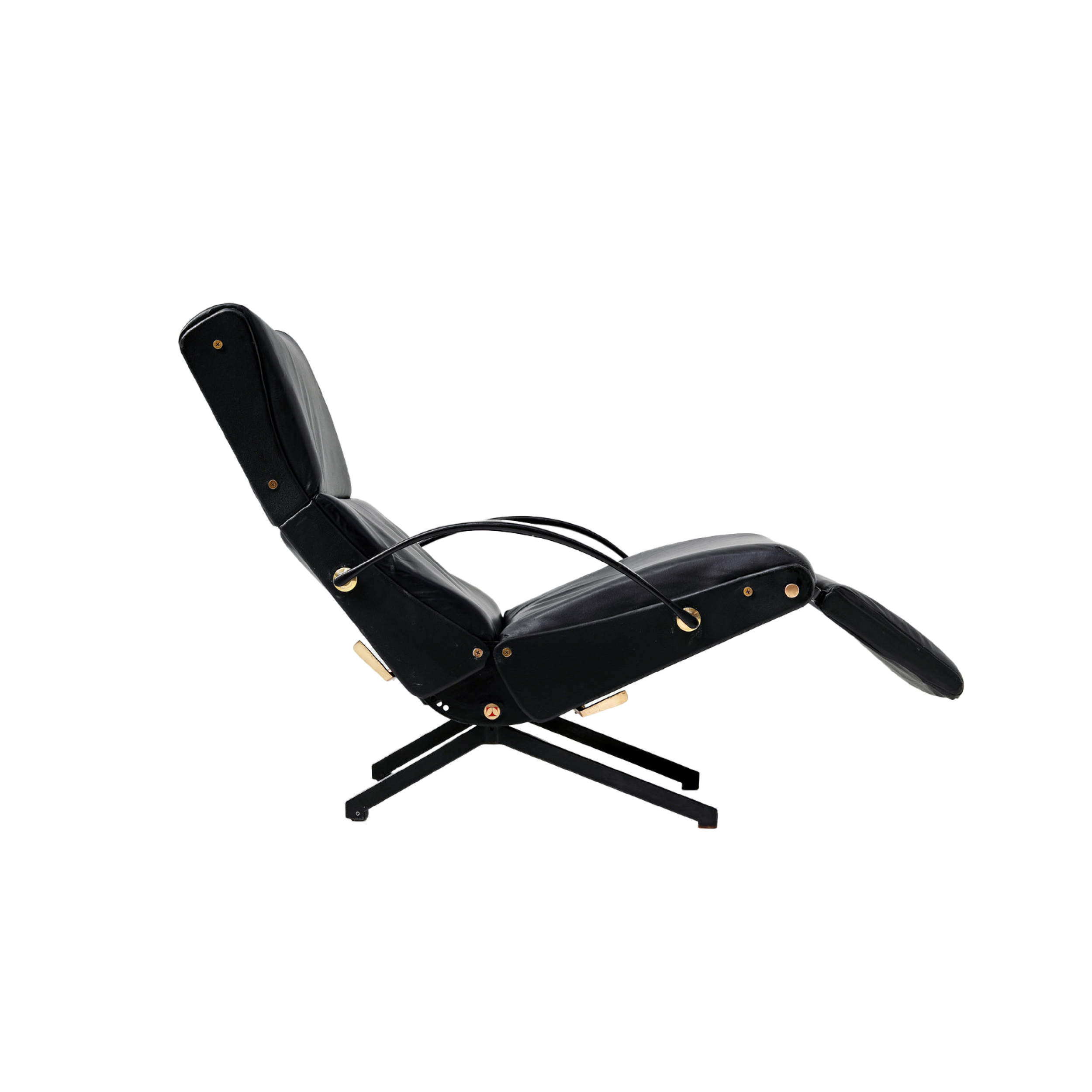 Image 2 of 23
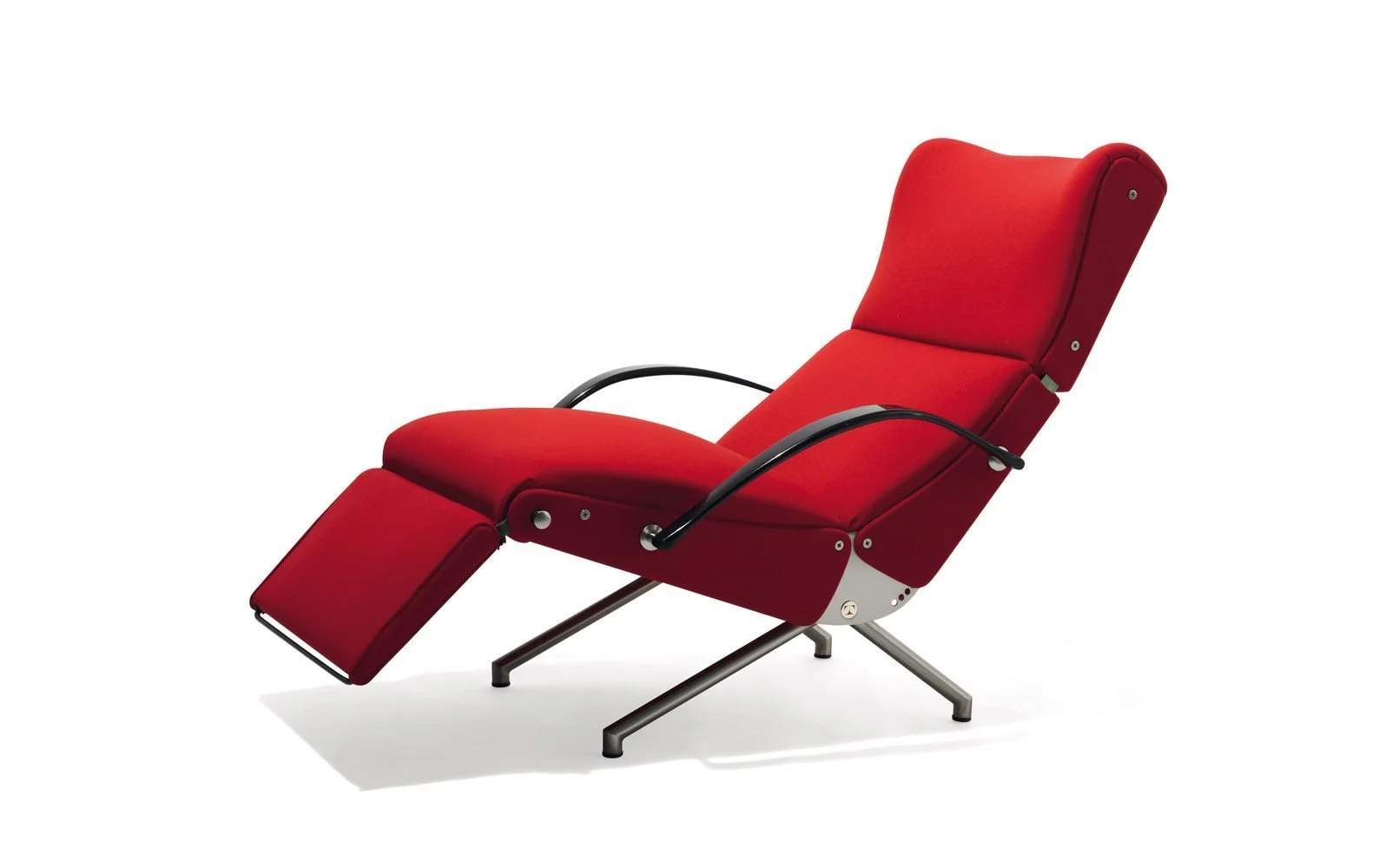 Image 3 of 23
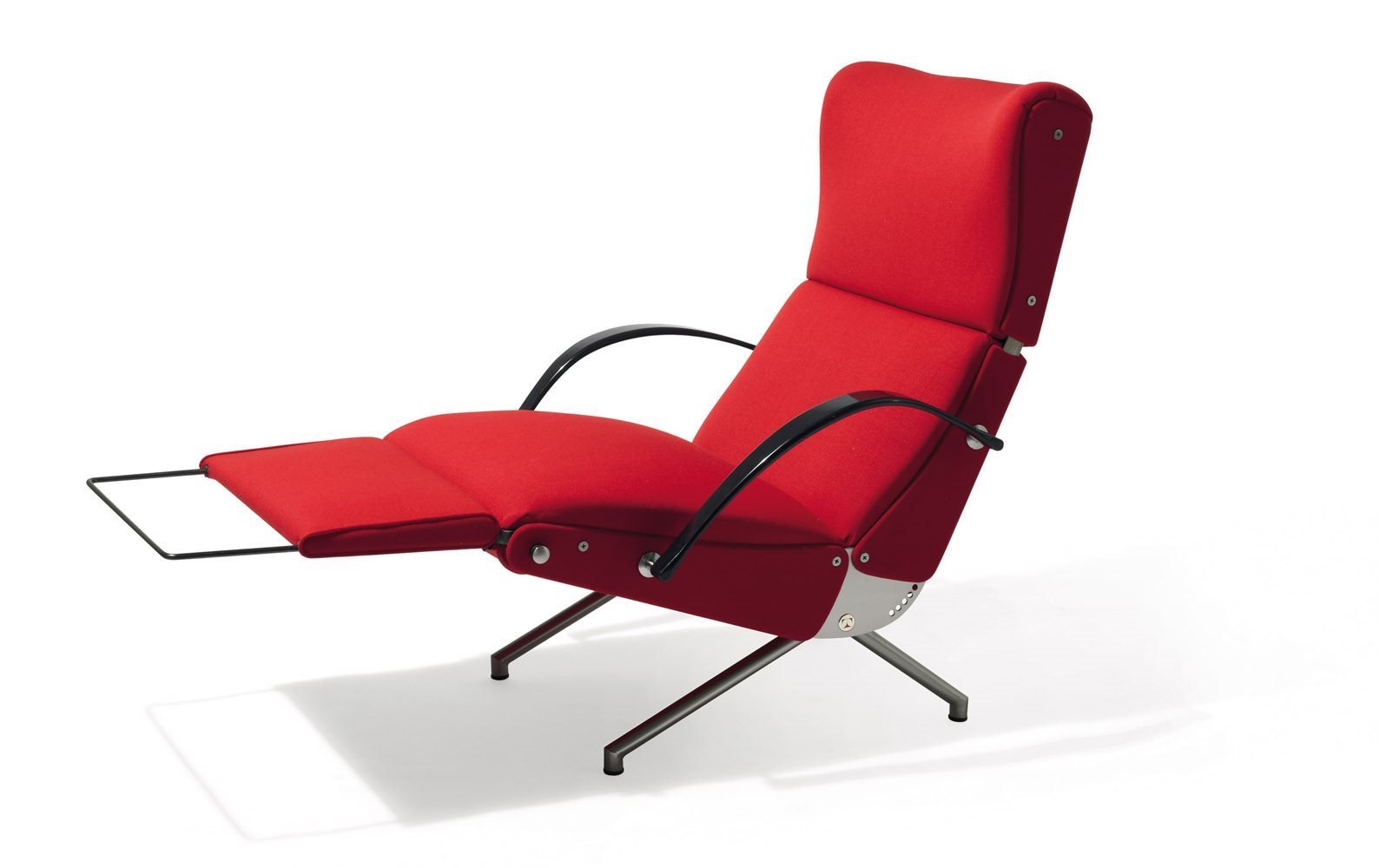 Image 4 of 23
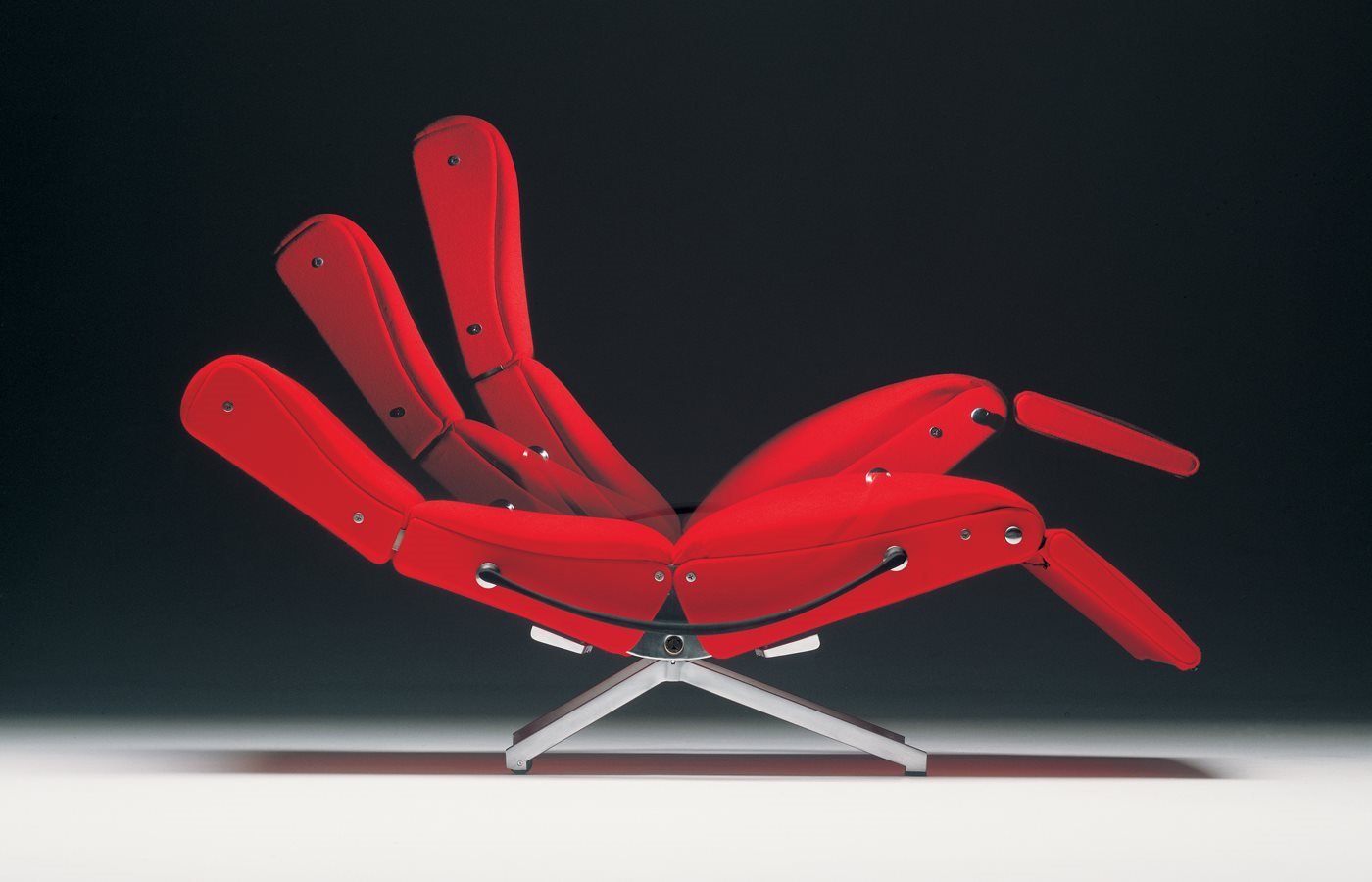 Image 5 of 23
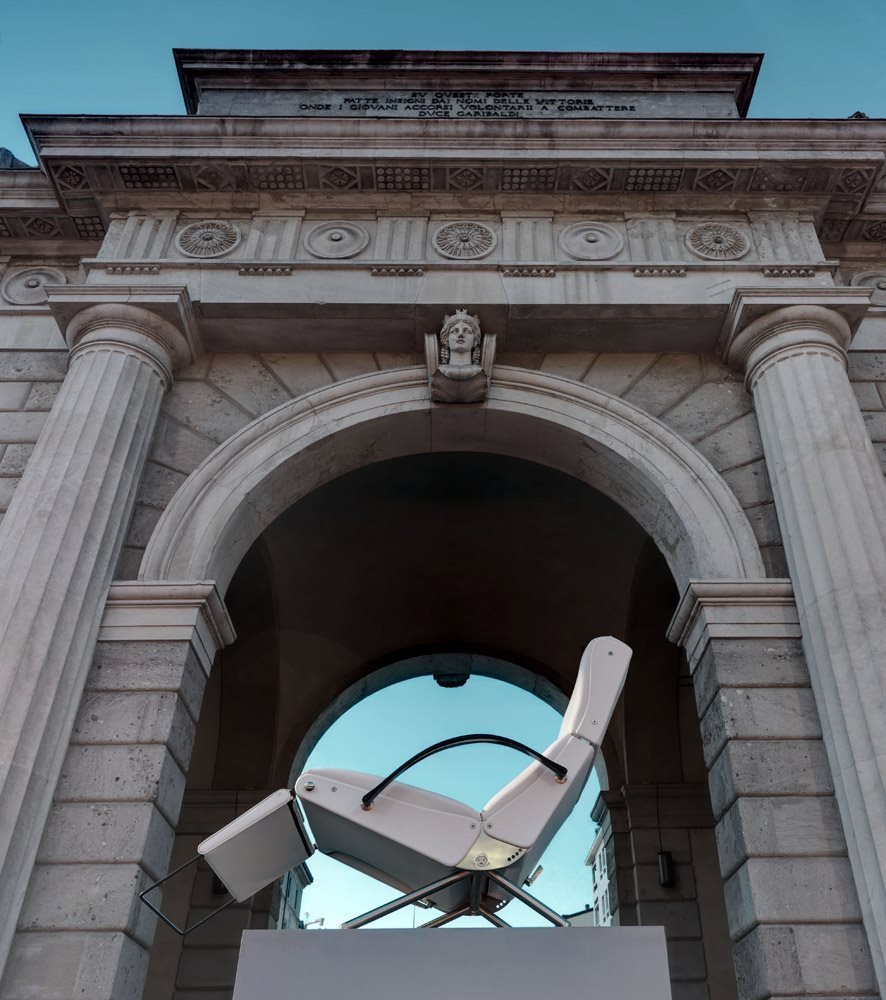 Image 6 of 23
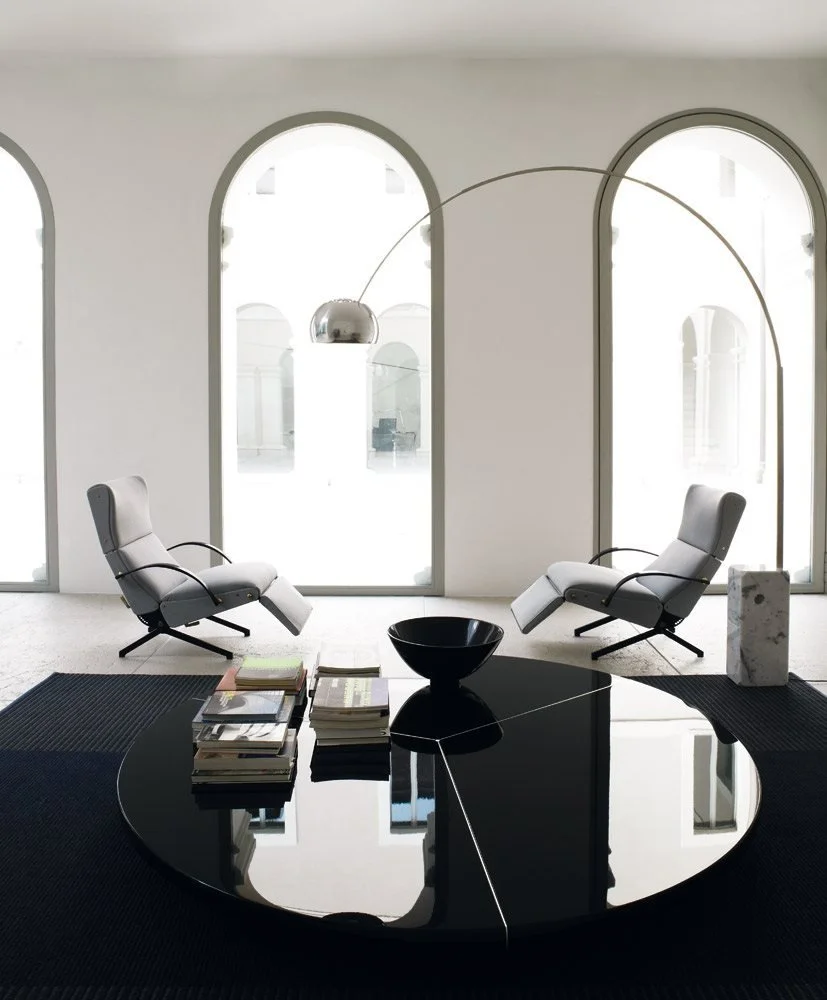 Image 7 of 23
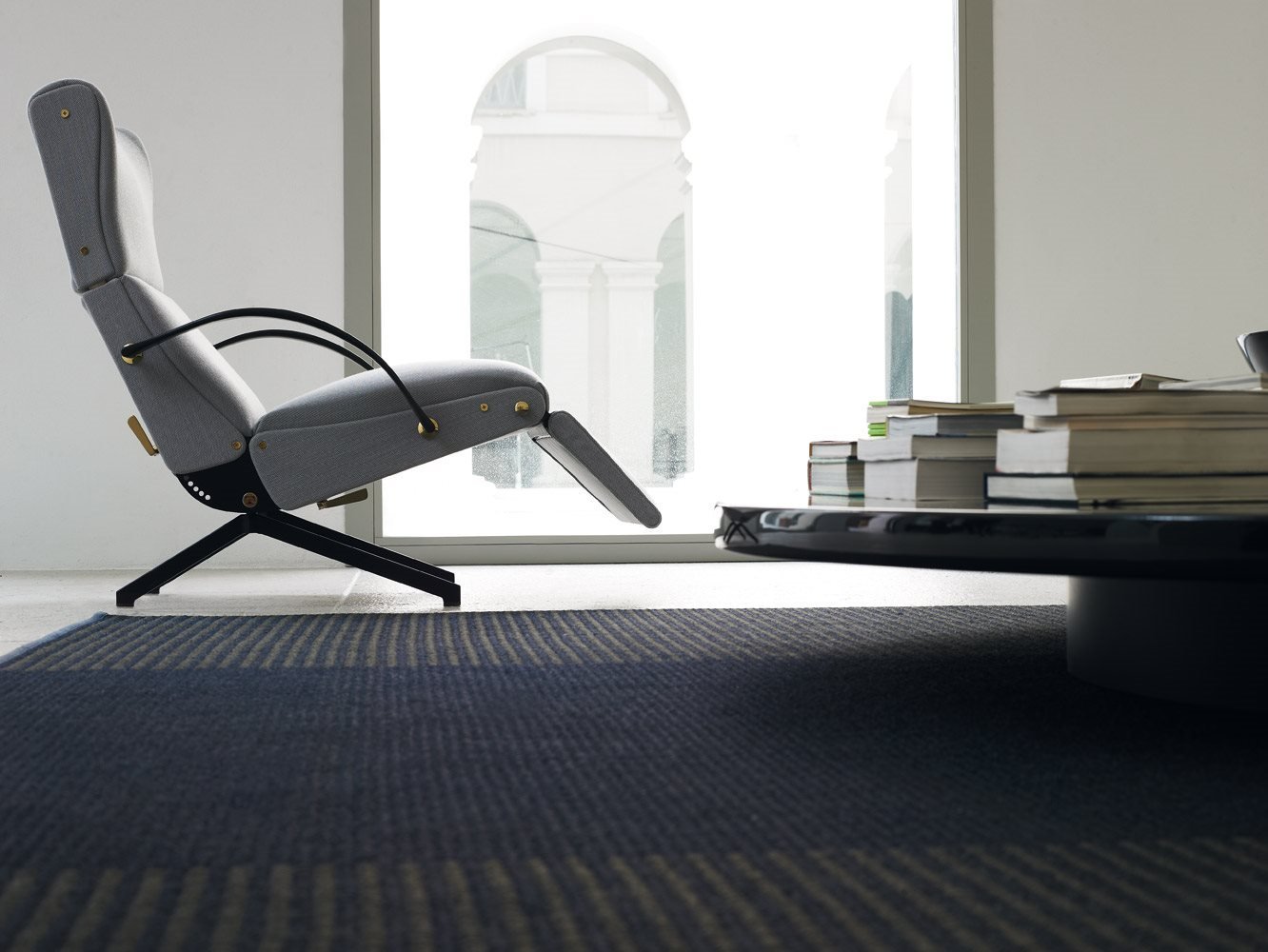 Image 8 of 23
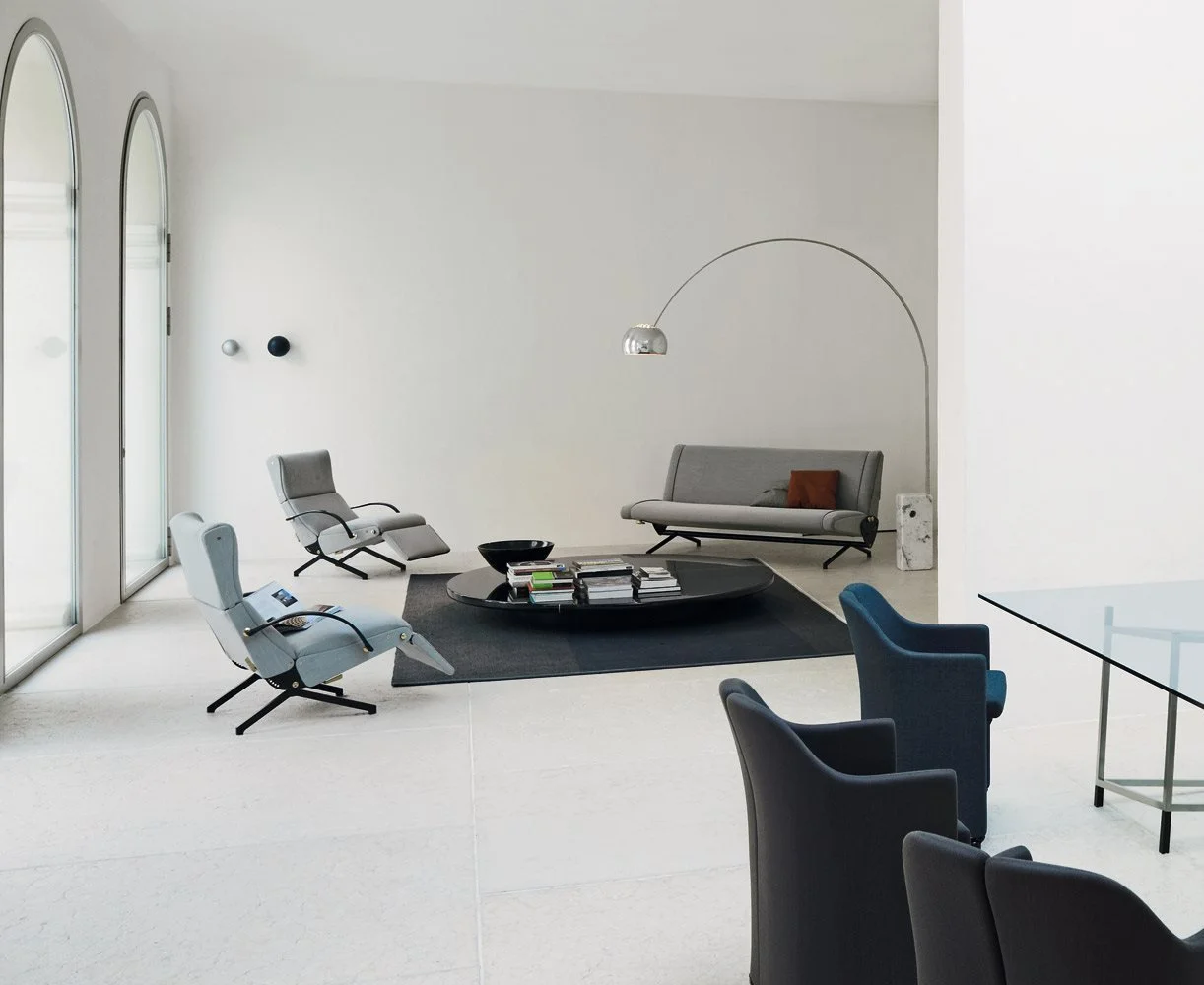 Image 9 of 23
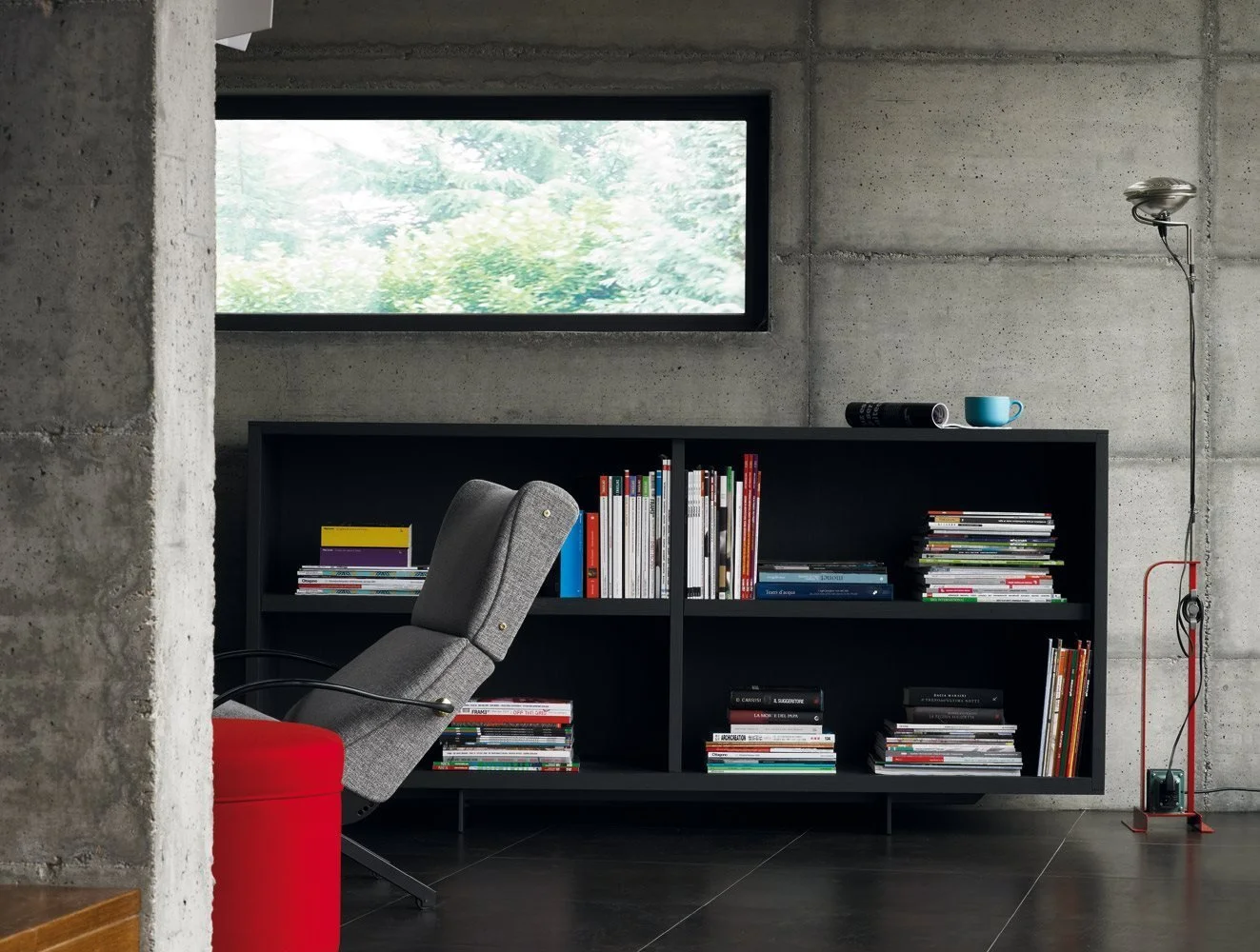 Image 10 of 23
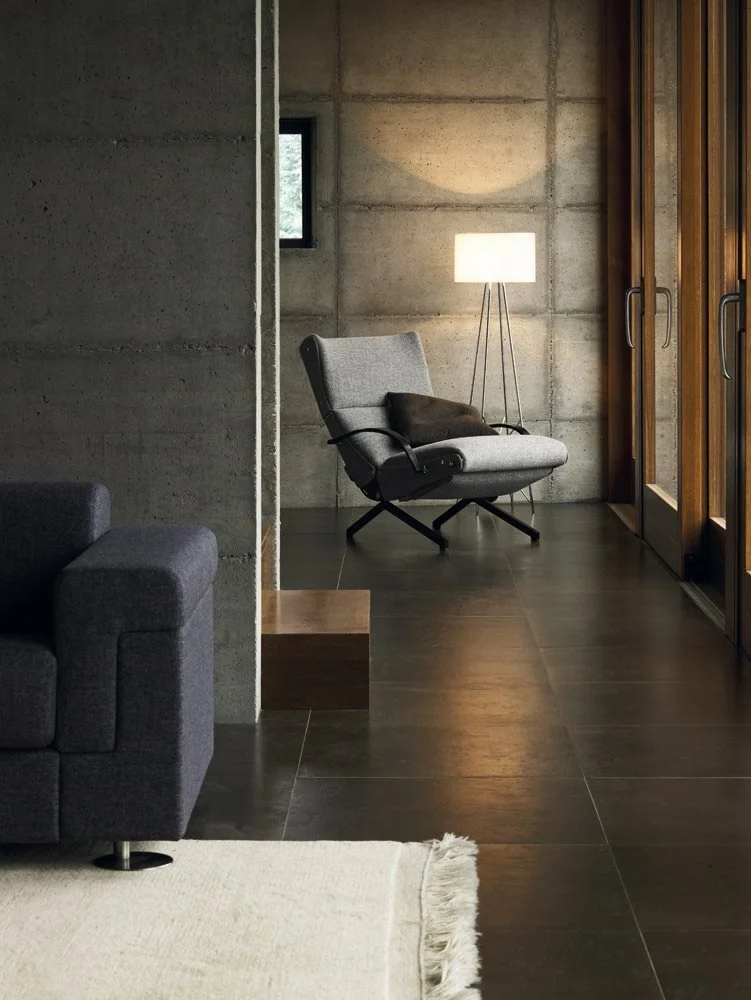 Image 11 of 23
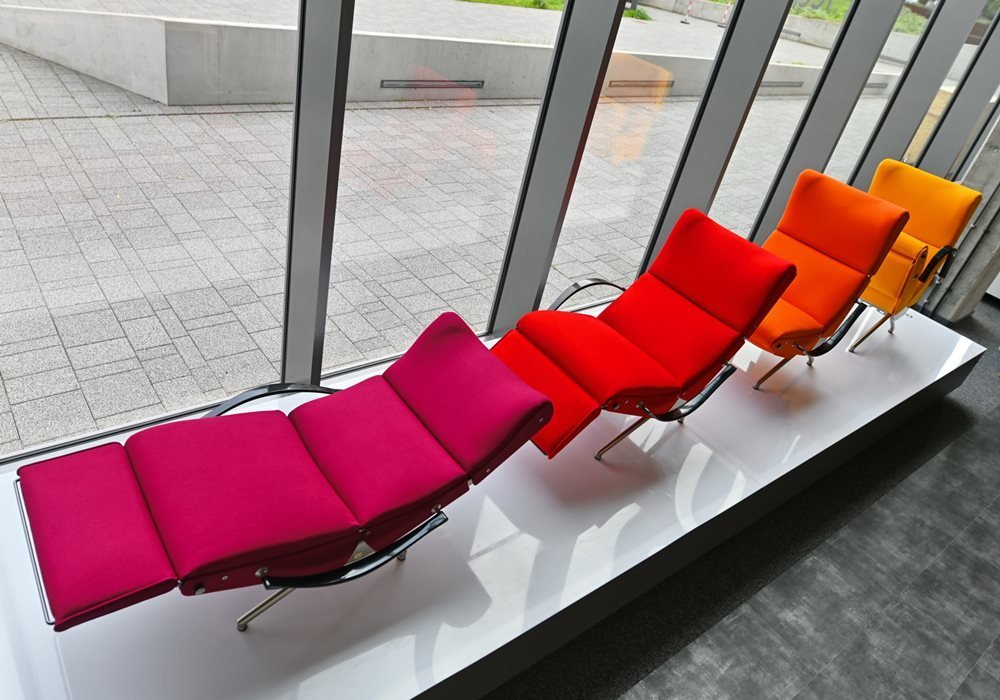 Image 12 of 23
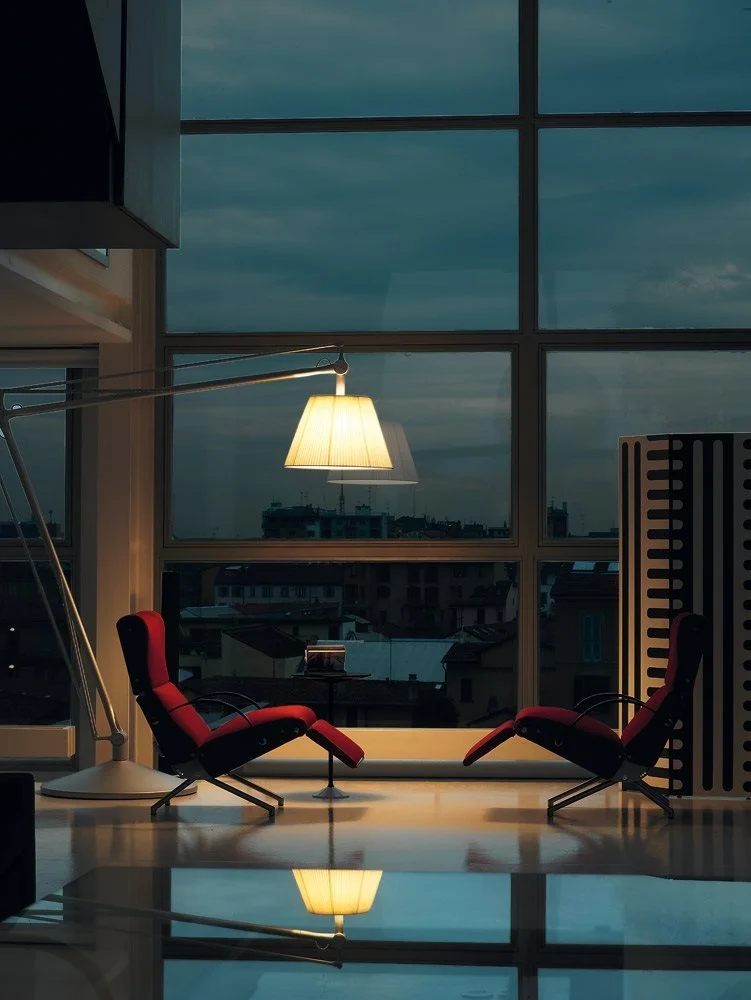 Image 13 of 23
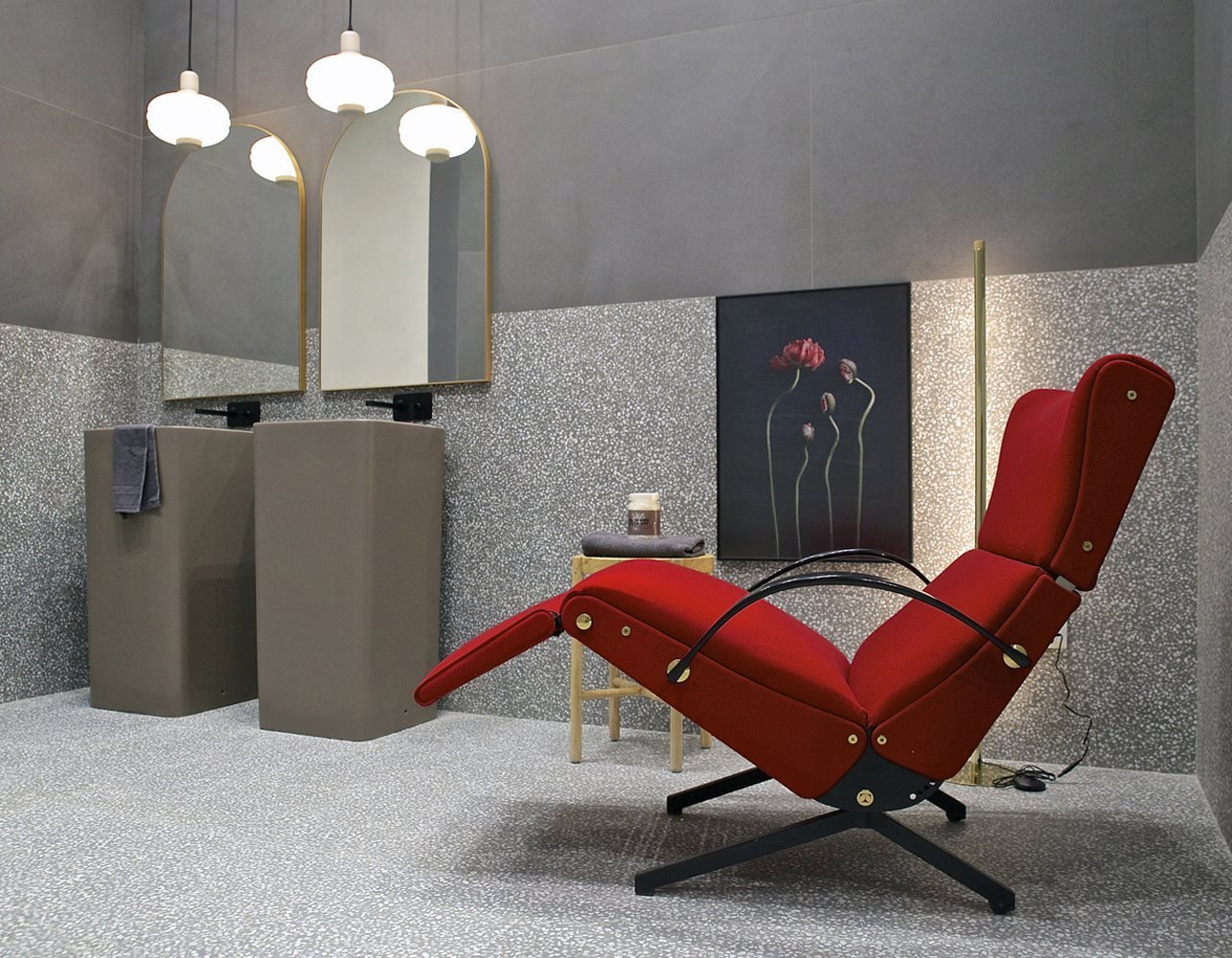 Image 14 of 23
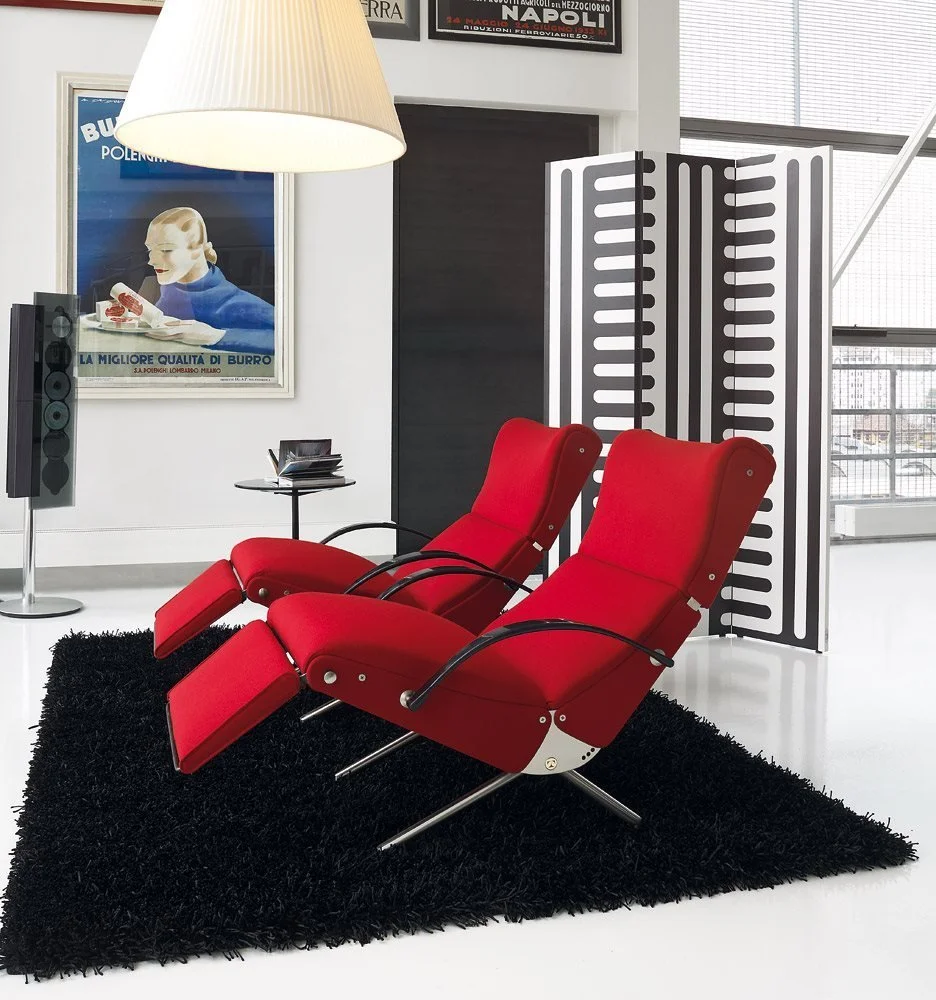 Image 15 of 23
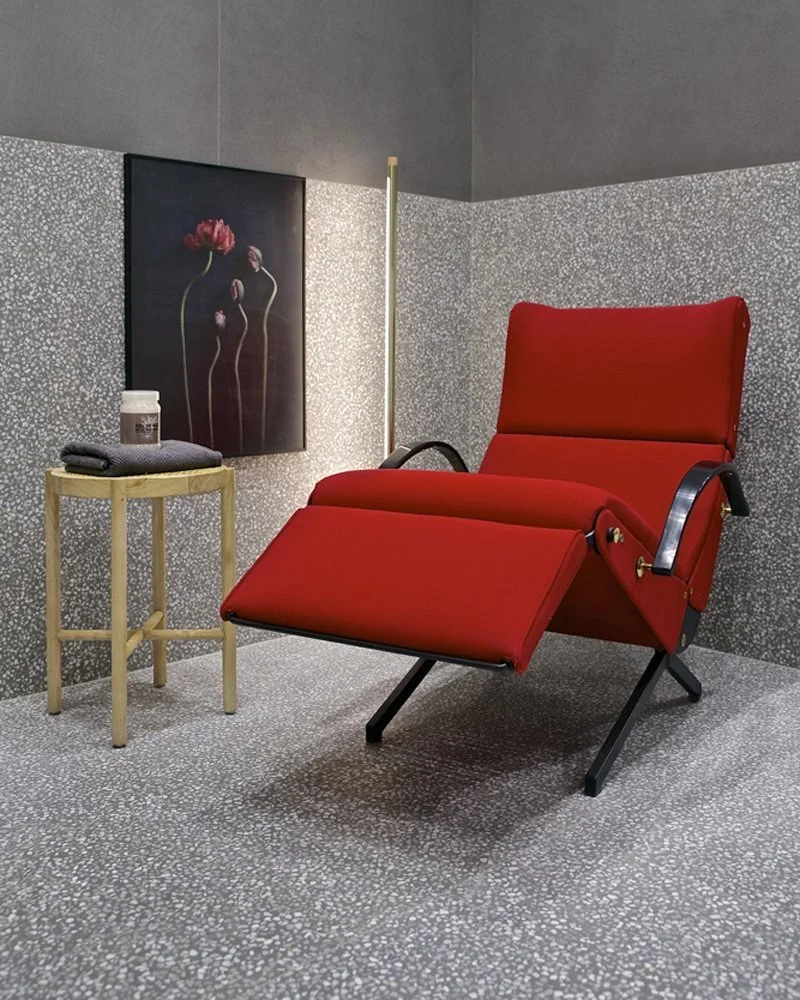 Image 16 of 23
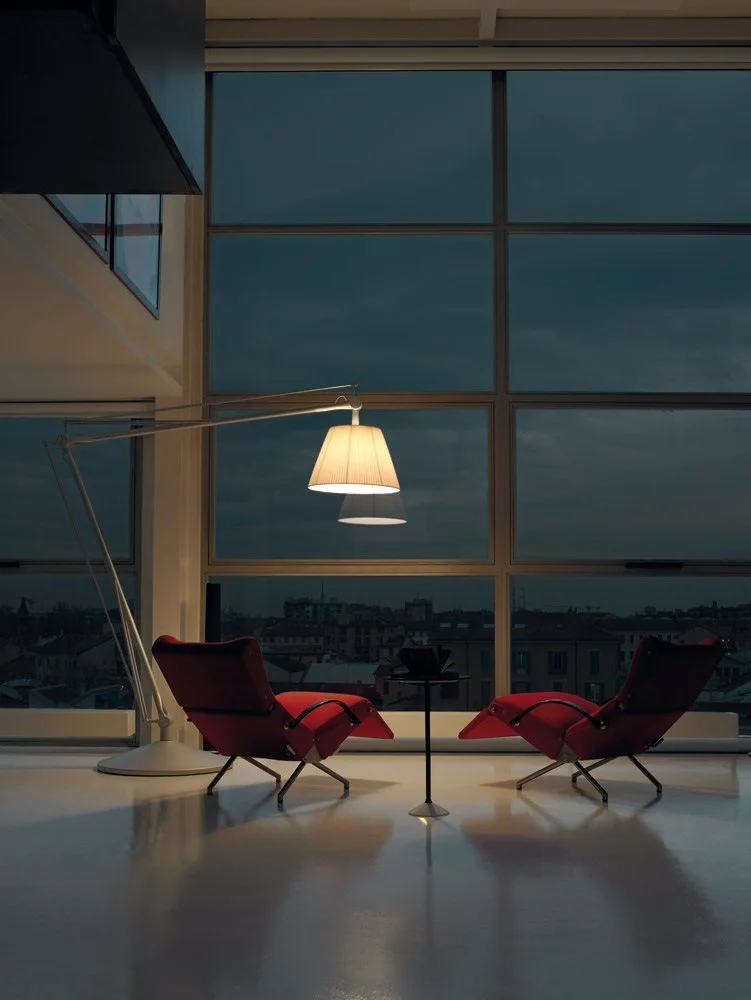 Image 17 of 23
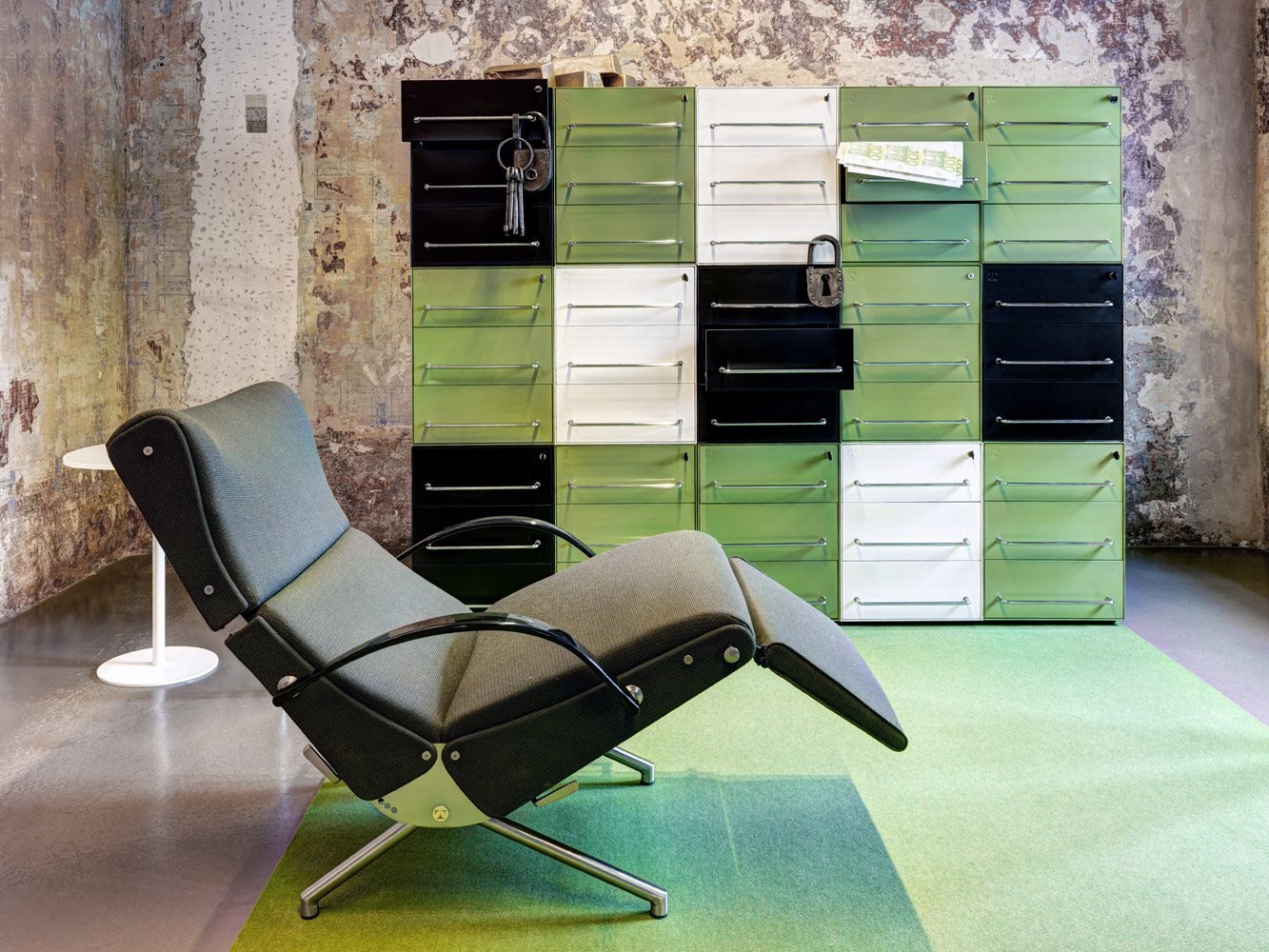 Image 18 of 23
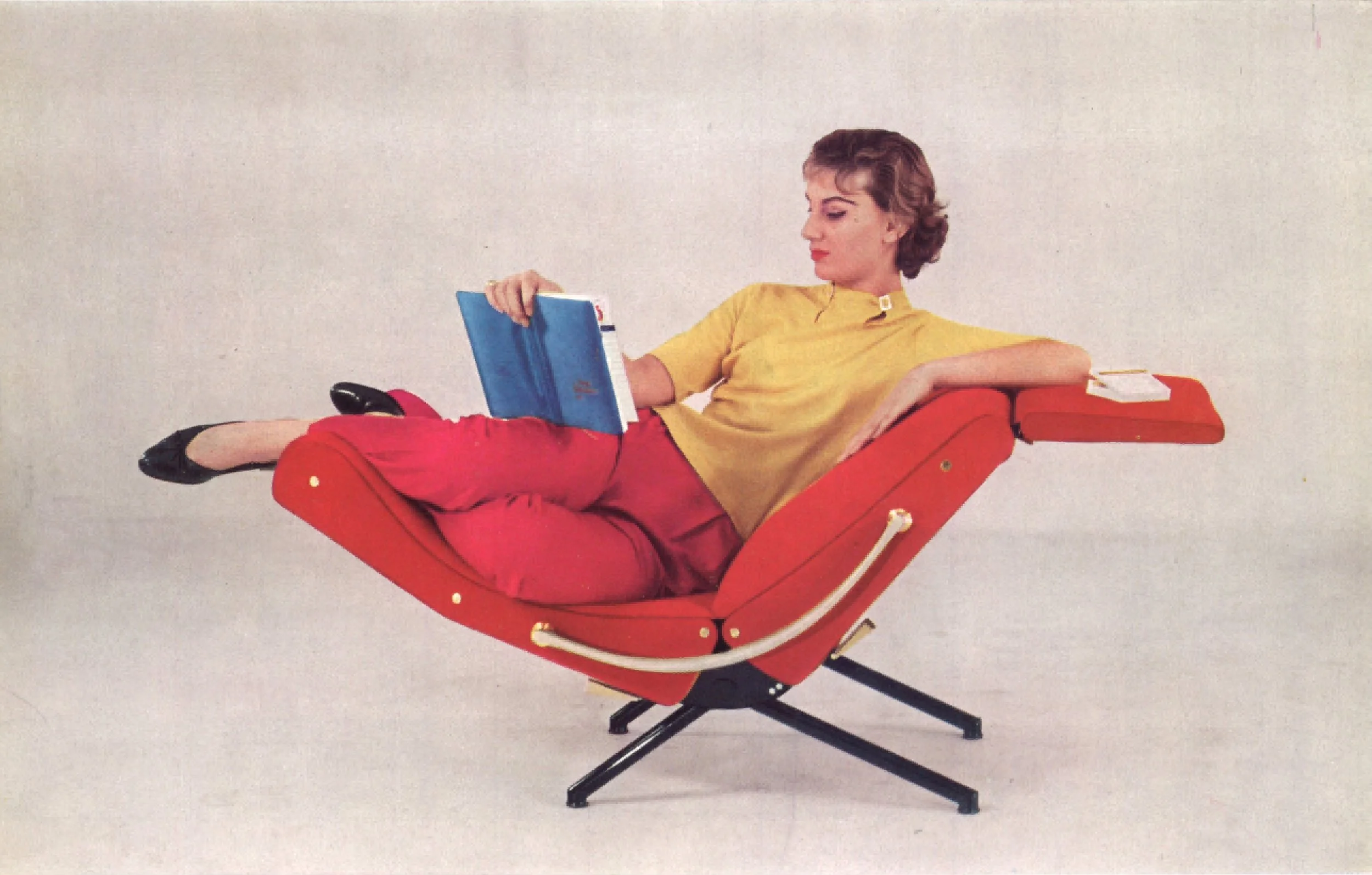 Image 19 of 23
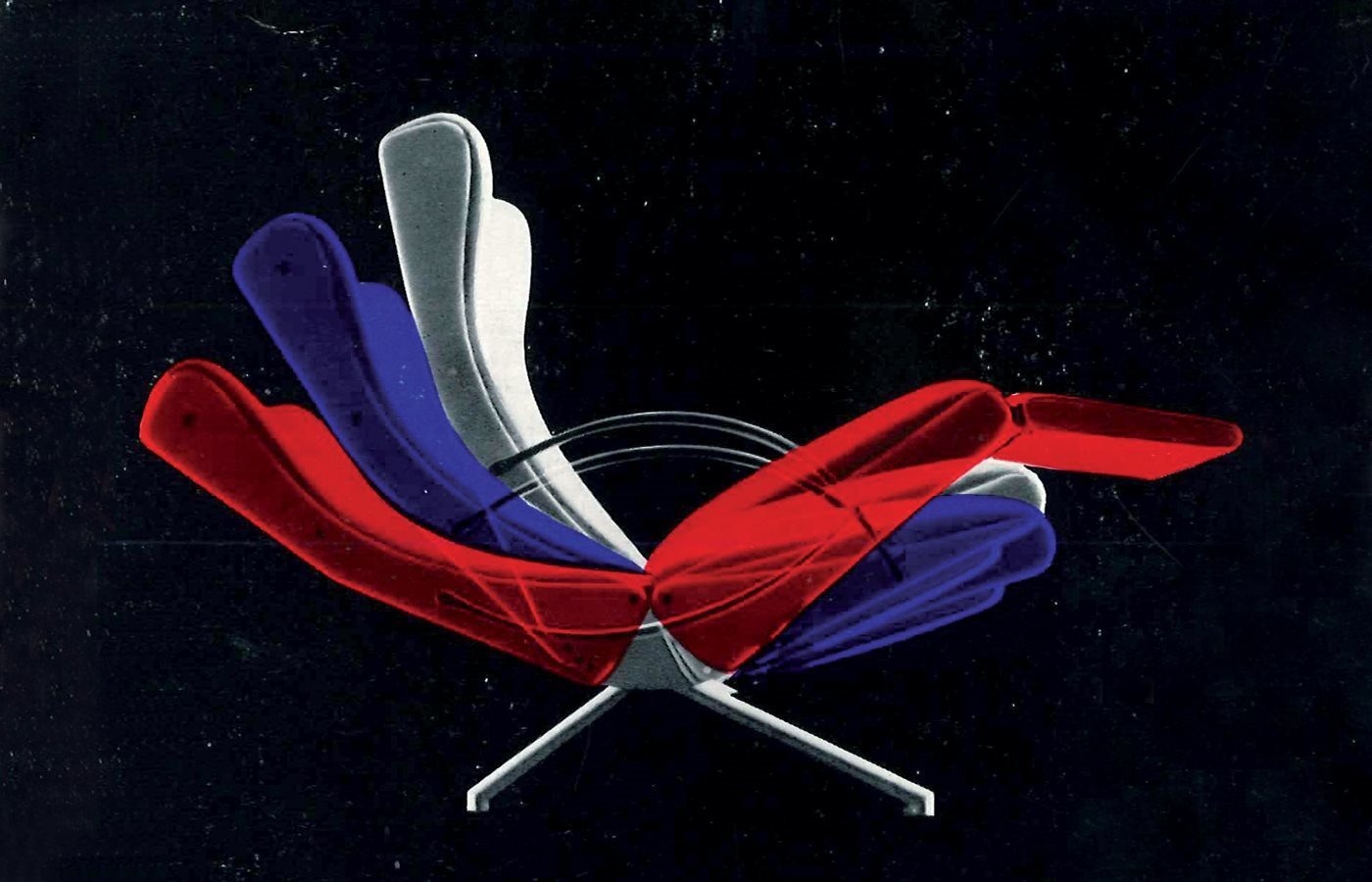 Image 20 of 23
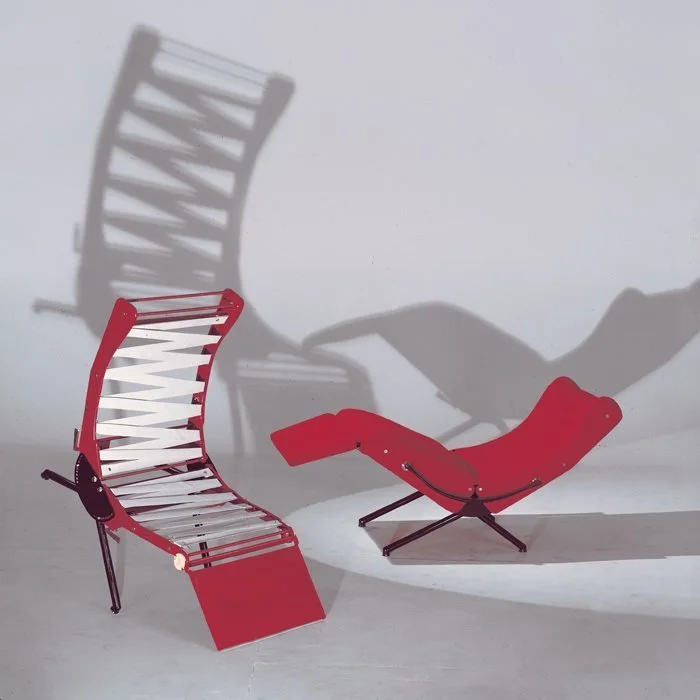 Image 21 of 23
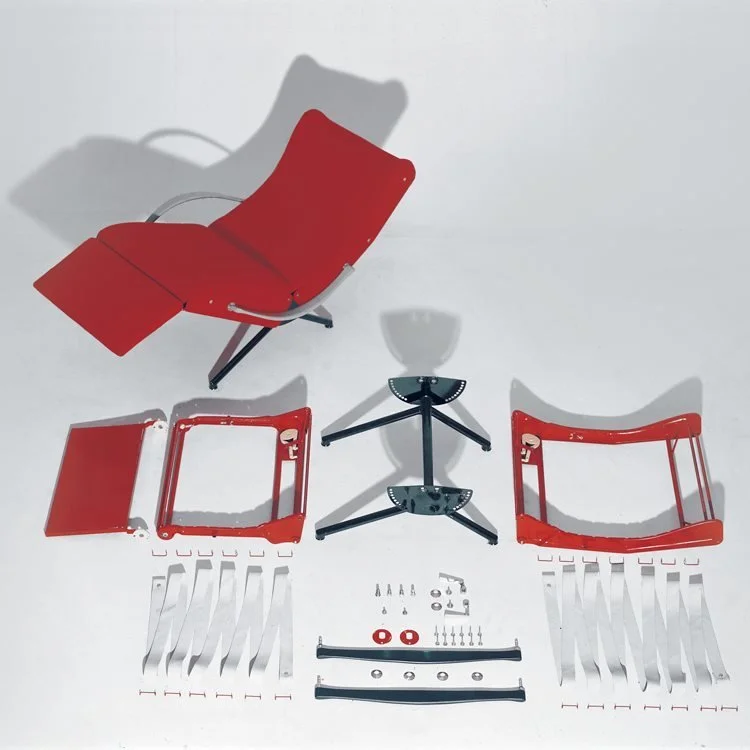 Image 22 of 23
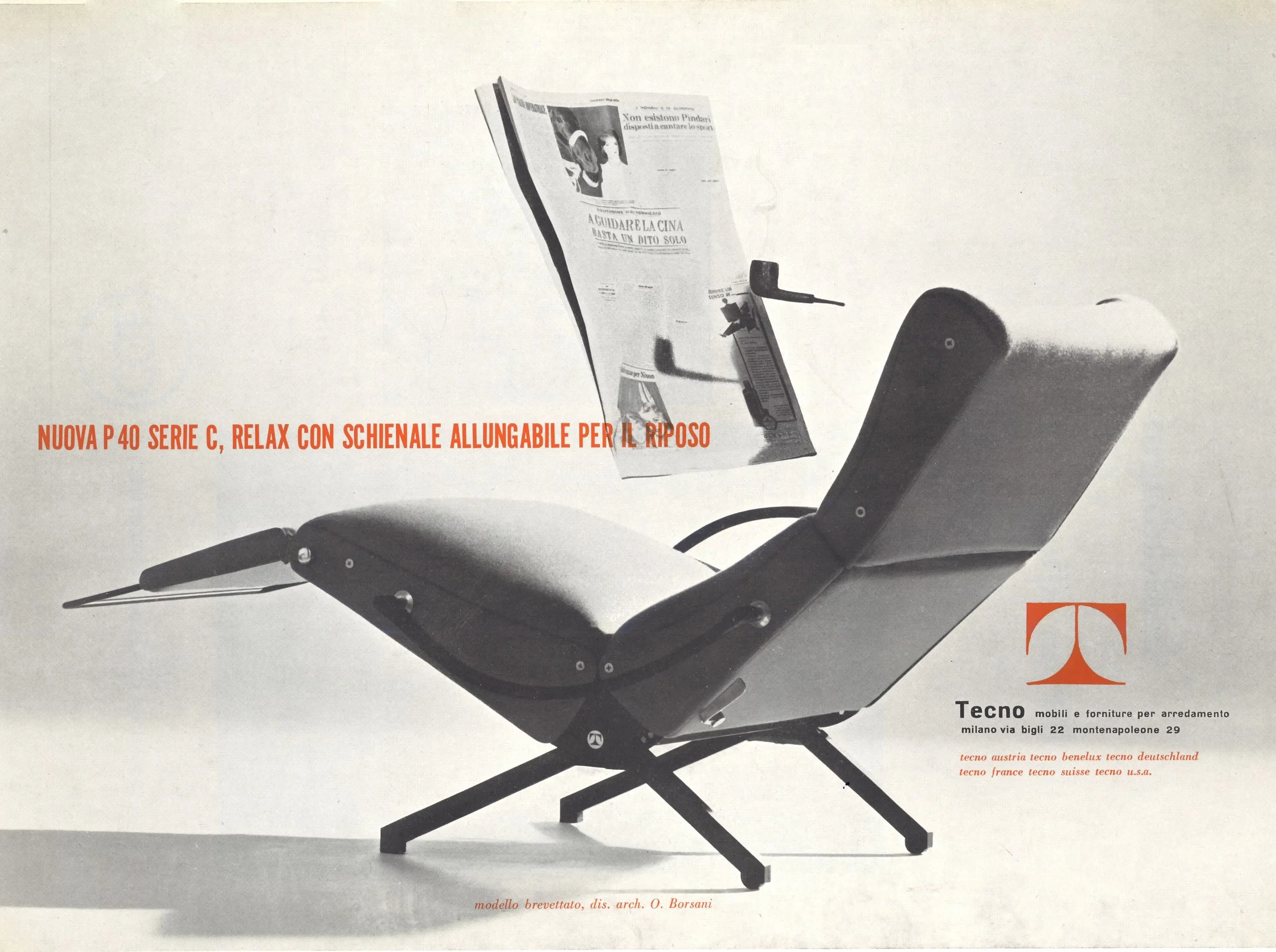 Image 23 of 23
moving elements
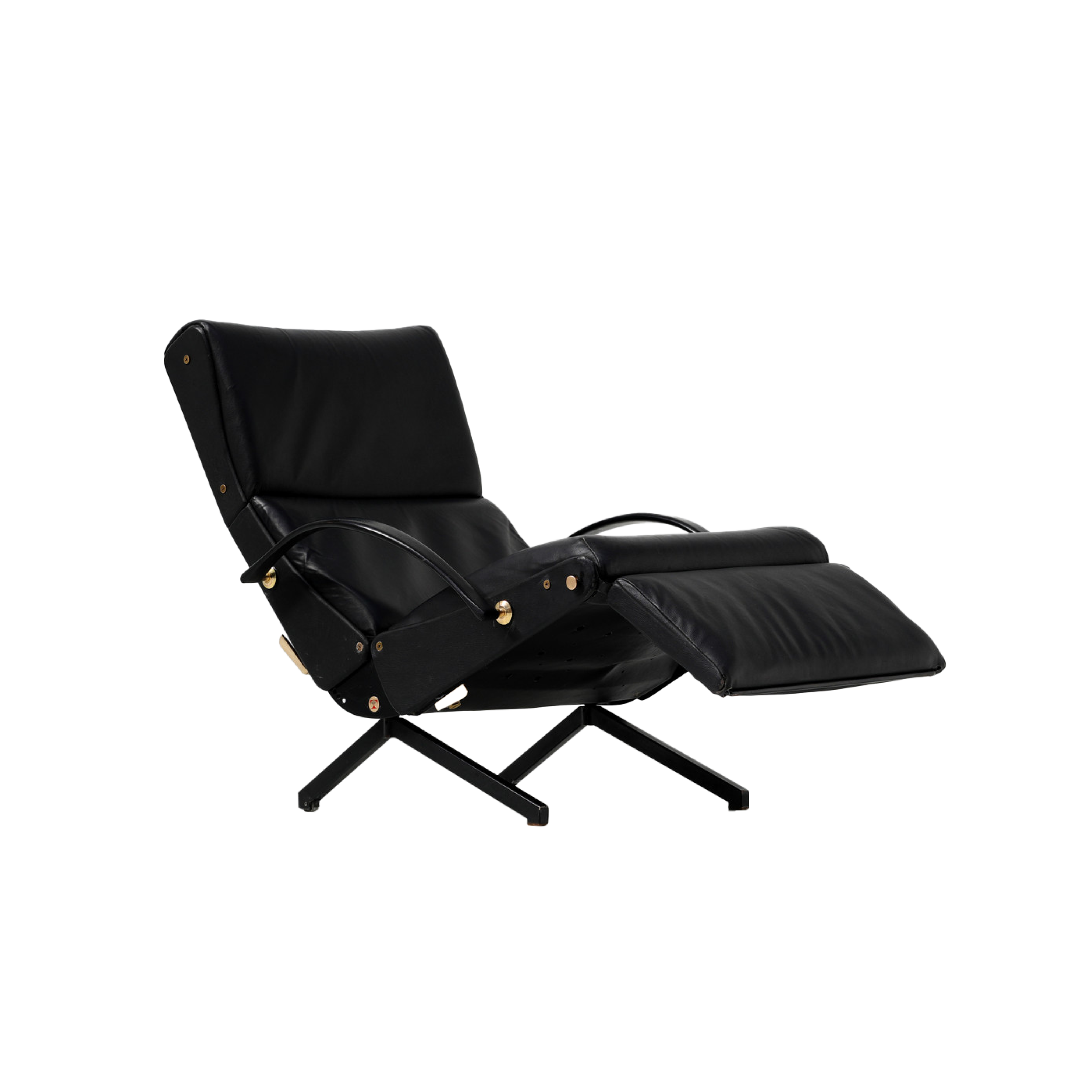
Seventy years on, the P40 still feels less like a period piece and more like a decision someone can make today. Osvaldo Borsani did not approach it as a styling problem. He treated it as a question of how people actually inhabit a room: shifting between reading, talking, resting, standing up again, leaving no trace of the pause. That clarity sits at the center of Tecno’s identity, where engineering is not a hidden backstage act but a form of care. The result is a chaise lounge reduced to essentials, built with the discipline of industry and the attention of a maker,
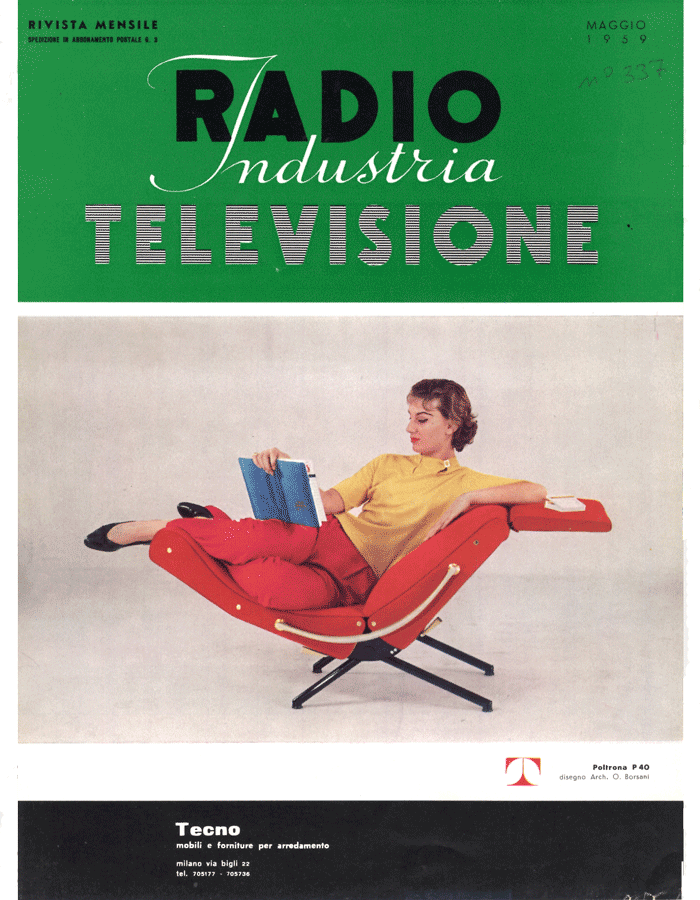
What makes the P40 persuasive is the way it hides complexity without hiding intention. A single metal pedestal carries seat and backrest, hinged to explore the full range of recline. A leg support lives inside the seat, a footrest slides out when the body asks for it, and the steel and rubber armrests flip and reverse to meet different postures or to help you sit down and rise. Even the cover behaves like clothing: zipped on, removable, ready to change with a room or a season. Orio Vergani called it “the writer’s cradle of good ideas,” and you understand why when you watch the P40 adjust to different bodies without asking for attention in return.
The P40’s public life began in the culture of the Milan Triennial, presented at the XI edition in 1957 as part of the International home exhibition, after the success of the D70 sofa had already signaled Borsani’s interest in mechanical joints as a new domestic language. In the patent filed in 1956, the P40 is defined with unusual precision as an armchair-sofa whose elements recline independently, with armrests that are both form-stable and elastically deformable. Those are technical words for a simple promise: the chair will meet you where you are, then get out of your way. That it has never been discontinued is not nostalgia. It is proof that a radical response to everyday life can outlast fashion, and still feel personal each time someone sits down.
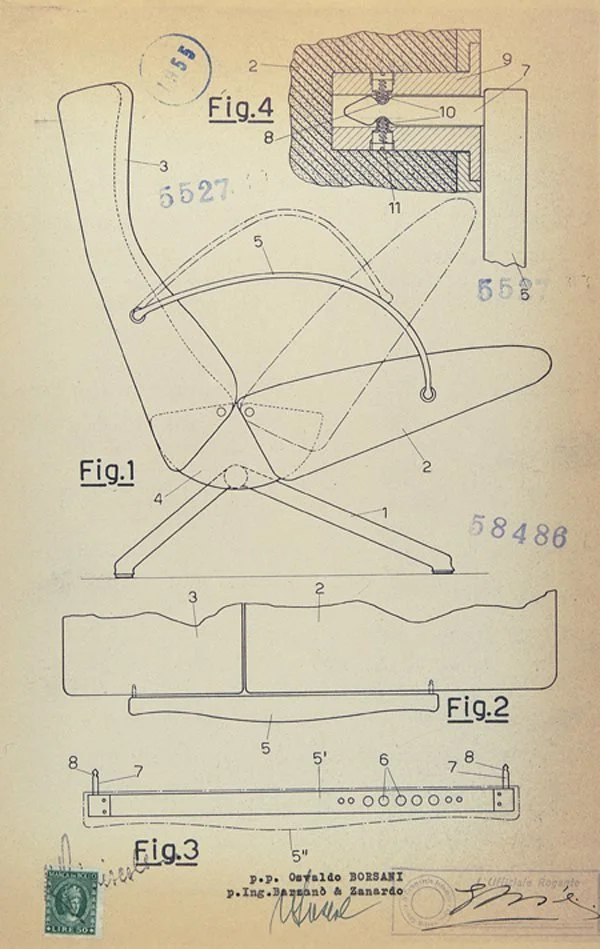
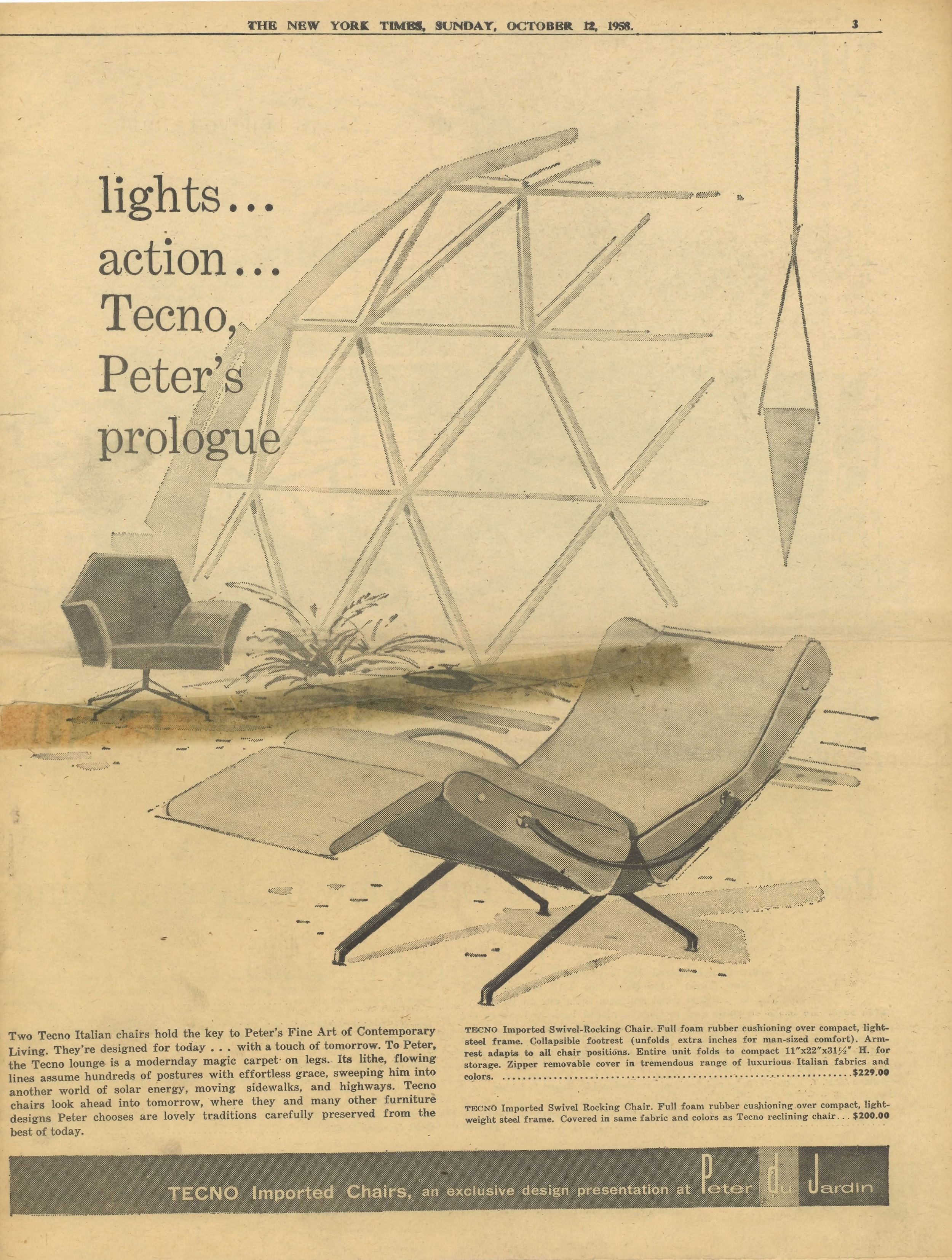
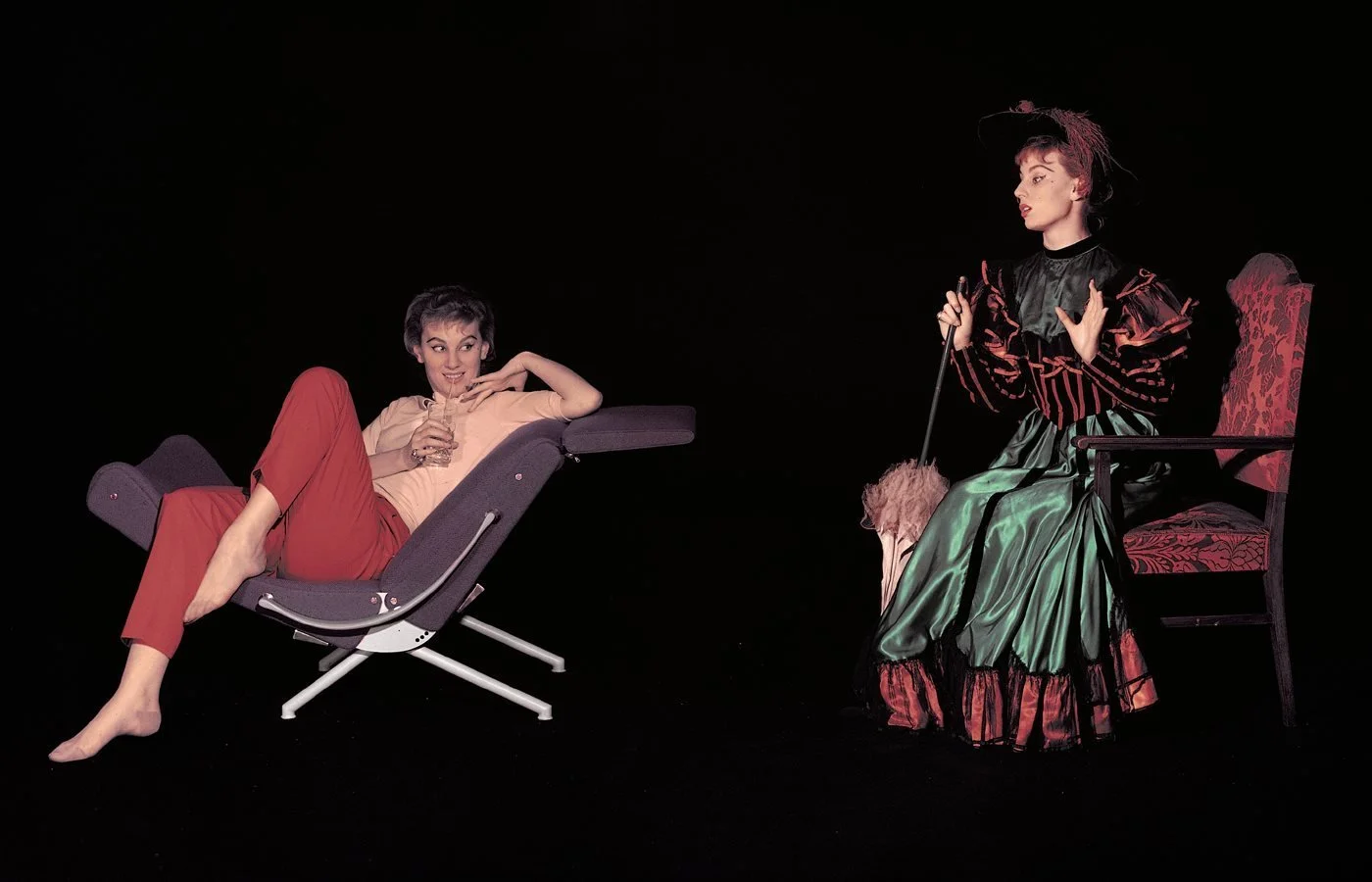
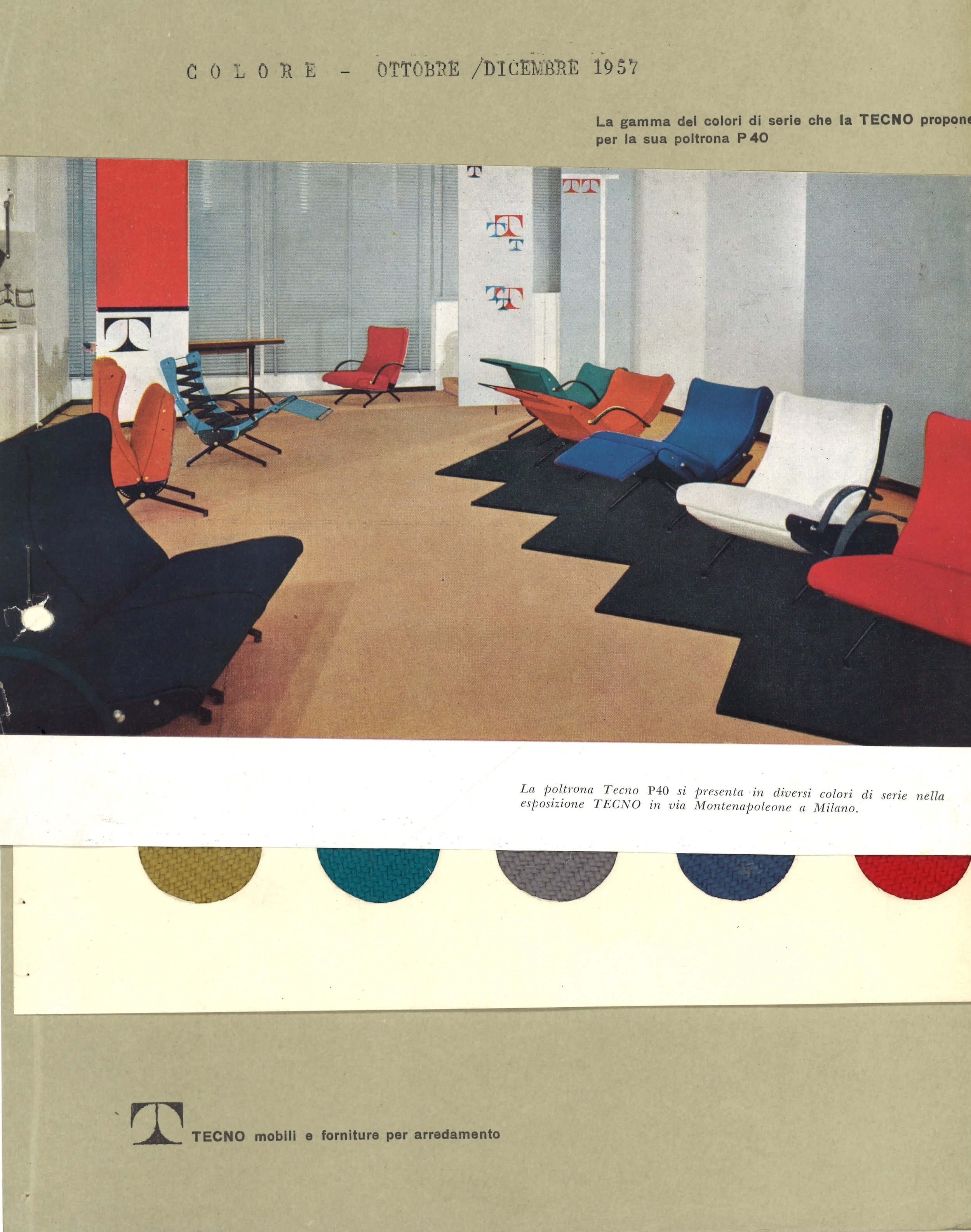

Reclining Chaise. Consisting of a metal pedestal that supports both the seat and backrest, which are hinged together to allow all possible reclining positions. The seat conceals an additional reclining element to support the legs, from which the metal footrest can be drawn out. The steel and rubber armrests are designed to be reversible and facilitate the support of the arms or aid the sitting down or getting up movements. The internal structure is made of sheet metal stamped with special ribbing to make the whole more solid and form-stable. Comfort, in addition to shape, is guaranteed by the foam rubber padding, with elastic cord-tape supports and coil springs. The cover is fitted with zip fasteners to make it fully removable.
Covering: Pelle Leather. Corrected composed grain leather. Mineral tanning and semi aniline through dyeing.
LEATHER








BASE FINISH


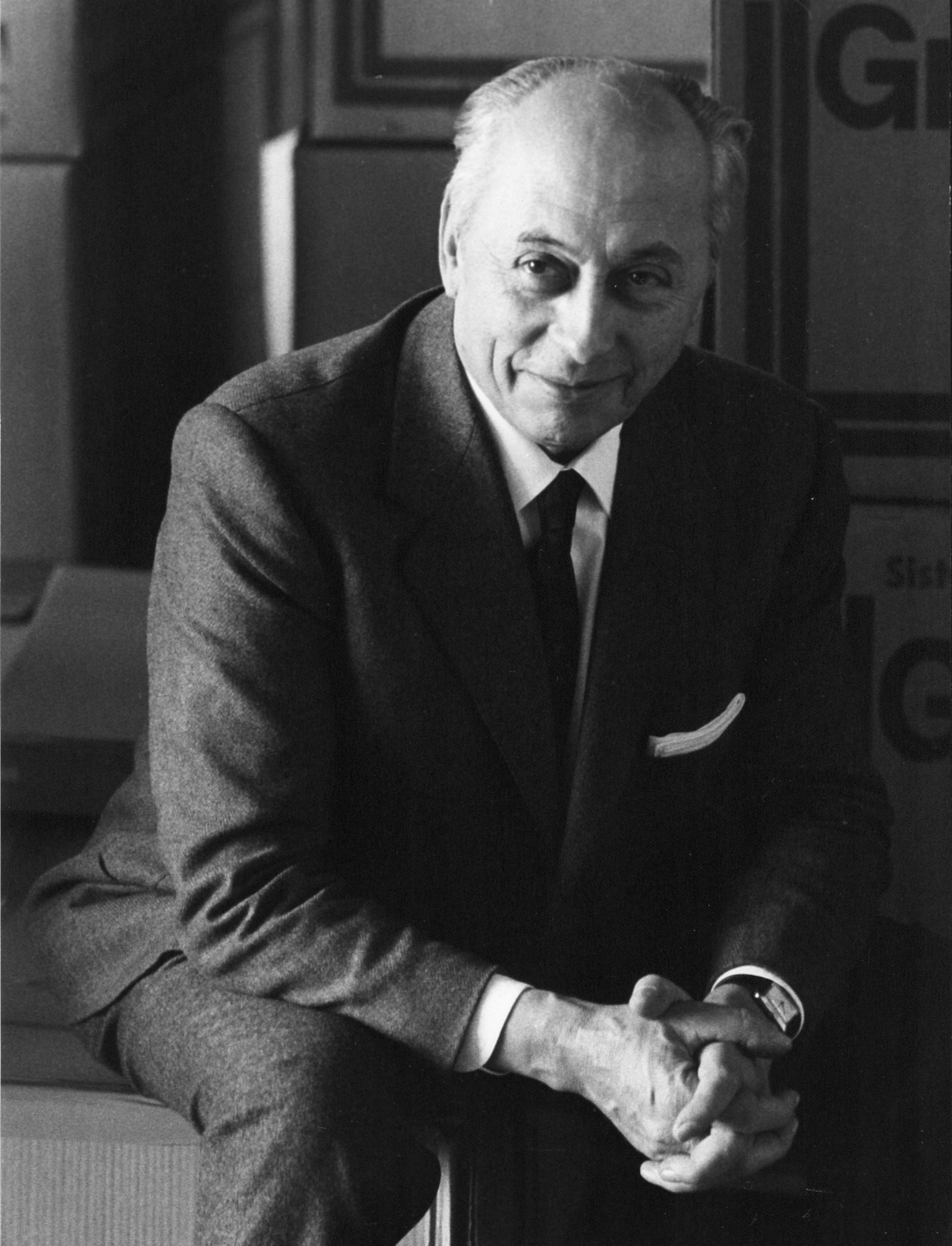
Founder with his brother Fulgenzio of Tecno, the architect Osvaldo Borsani designed most of Tecno's and Italian design's icons, like the working system Graphis, the D70, the P40 and the T1 and T2. Osvaldo Borsani (Varedo 1911- Milano 1985) began work at an early age in the family business of making furniture.
In 1933 he participated in the fifth Triennale of Milan with the design for the “ Minimal House”, which was awarded the silver medal. In the post-war period, after graduation from Polytechnic, he formed friendships with numerous artists like Lucio Fontana, Agenore Fabbri, Aligi Sassu, Roberto Crippa, Fausto Melotti, and Arnaldo Pomodoro, together with whom he realized important works of art in furnishing and interior architecture.
In 1953, along with his brother Fulgenzio, he founded Tecno, the great project for which he worked his whole life in order to develop standard production with reference to that of design. His first industrial designs were the P40 adjustable armchair (1953) and the D70 reversible seat sofa. In 1968 it was the office system Graphis (together with Eugenio Gerli and coming into vogue around the world in a million copies) thanks to which Tecno became a world-leading manufacturer in design for the office.
At the end of the Sixties, Osvaldo Borsani, together with Marco Fantoni and Valeria Borsani, created the Tecno Designs Centre, which creates new products and secures for the company the supervision of large interior architectural works, the experimentation in new technologies, and the strategies and the tools of business communication. At the same time Borsani opened up the design to collective uses and to the contribution of external designers.