
 Image 1 of 18
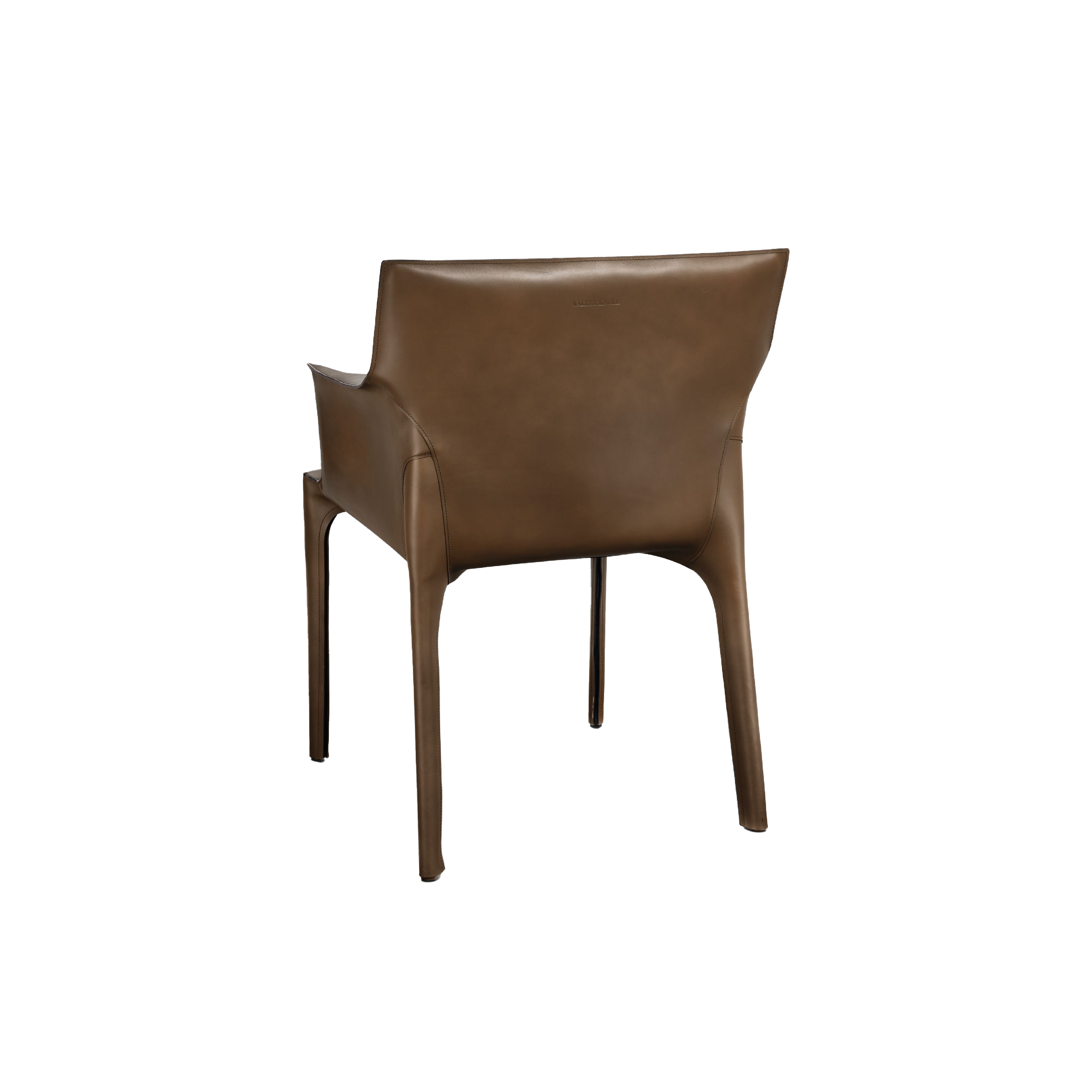 Image 2 of 18
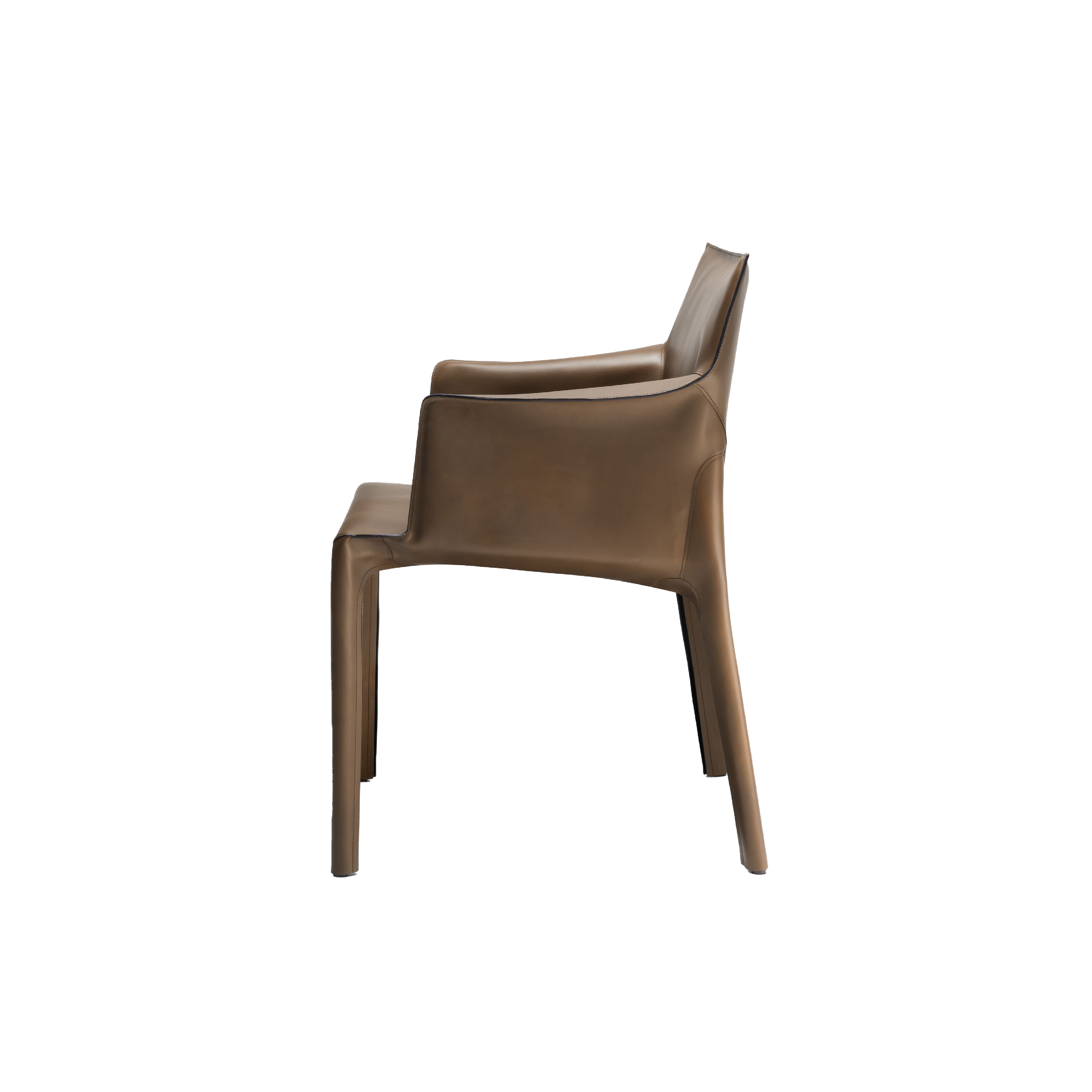 Image 3 of 18
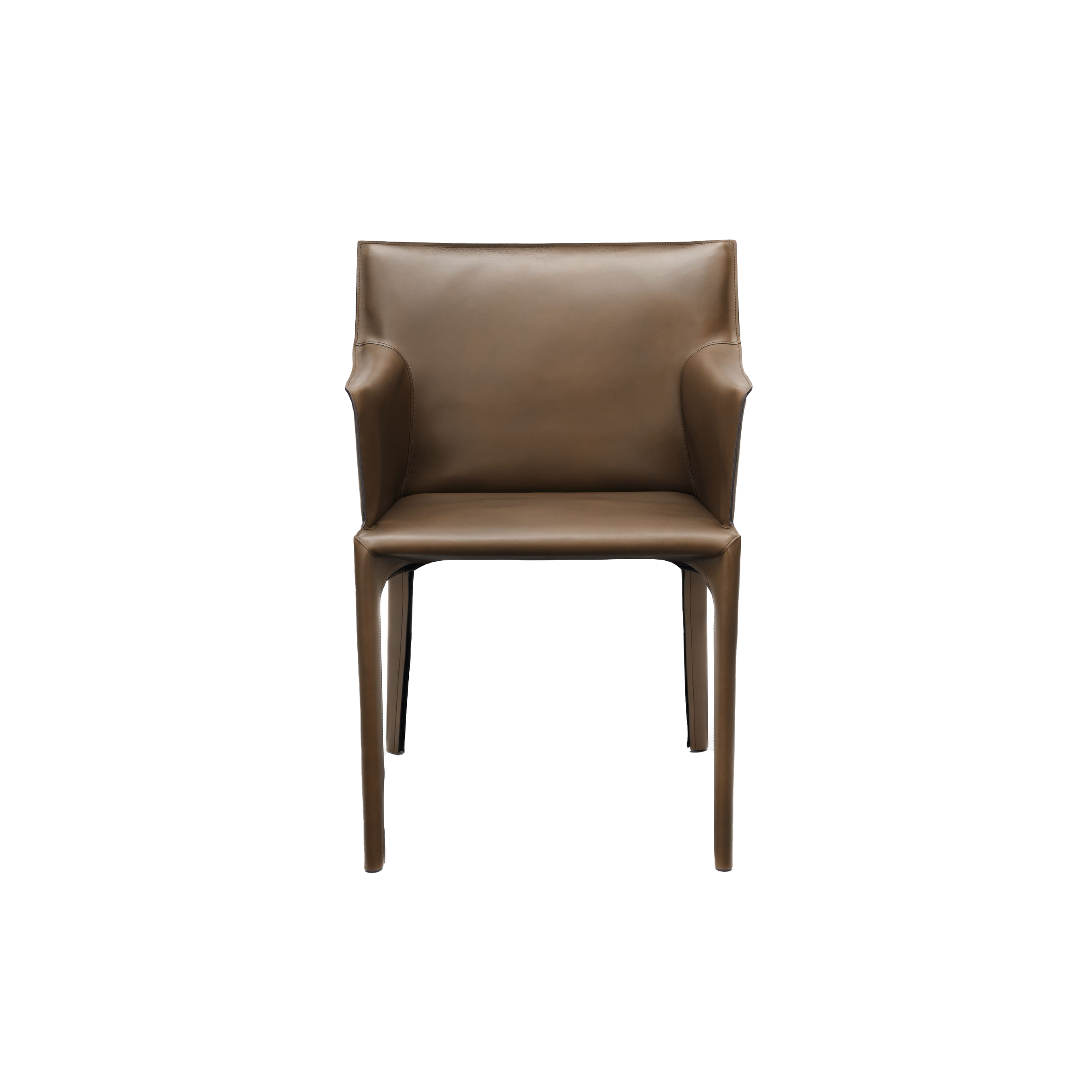 Image 4 of 18
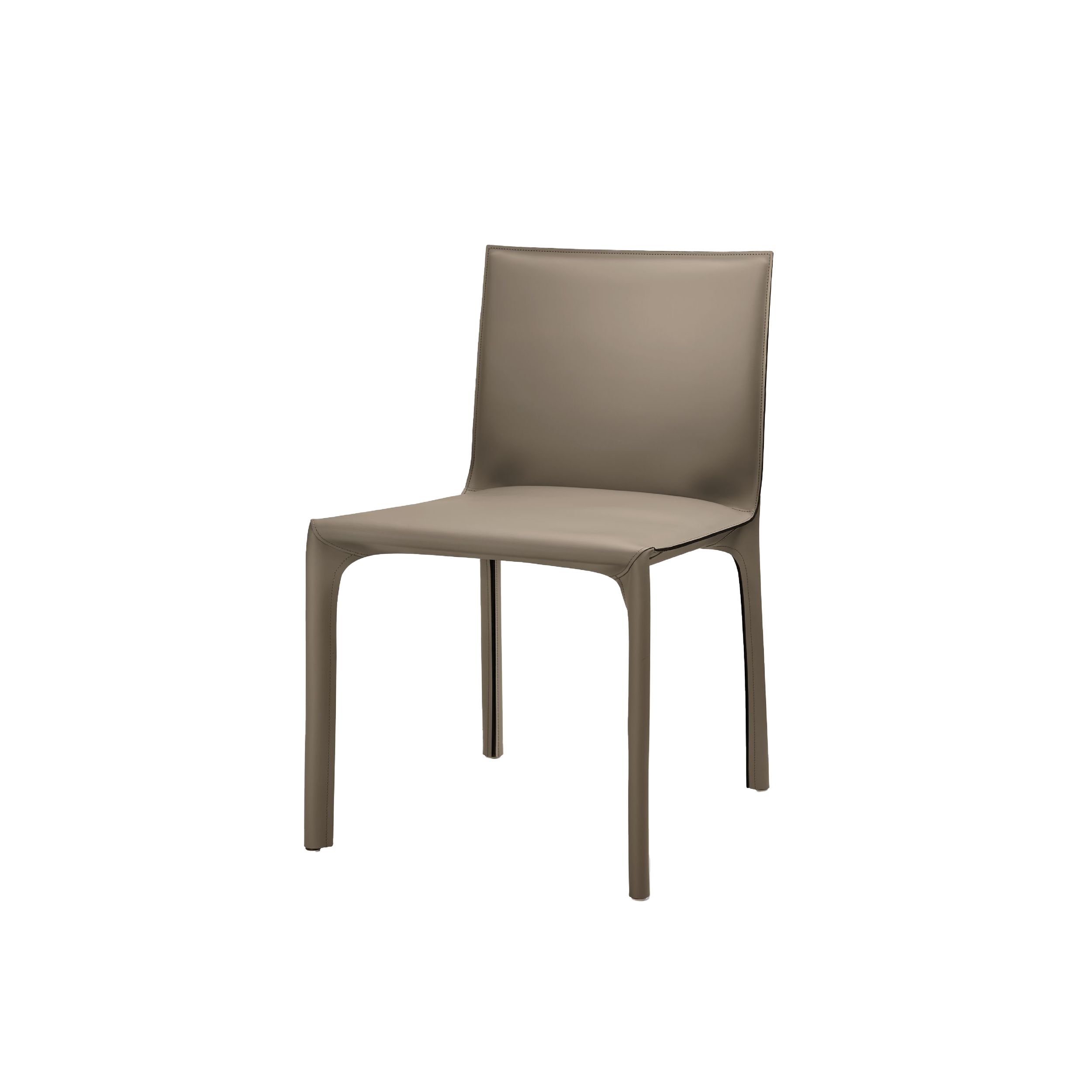 Image 5 of 18
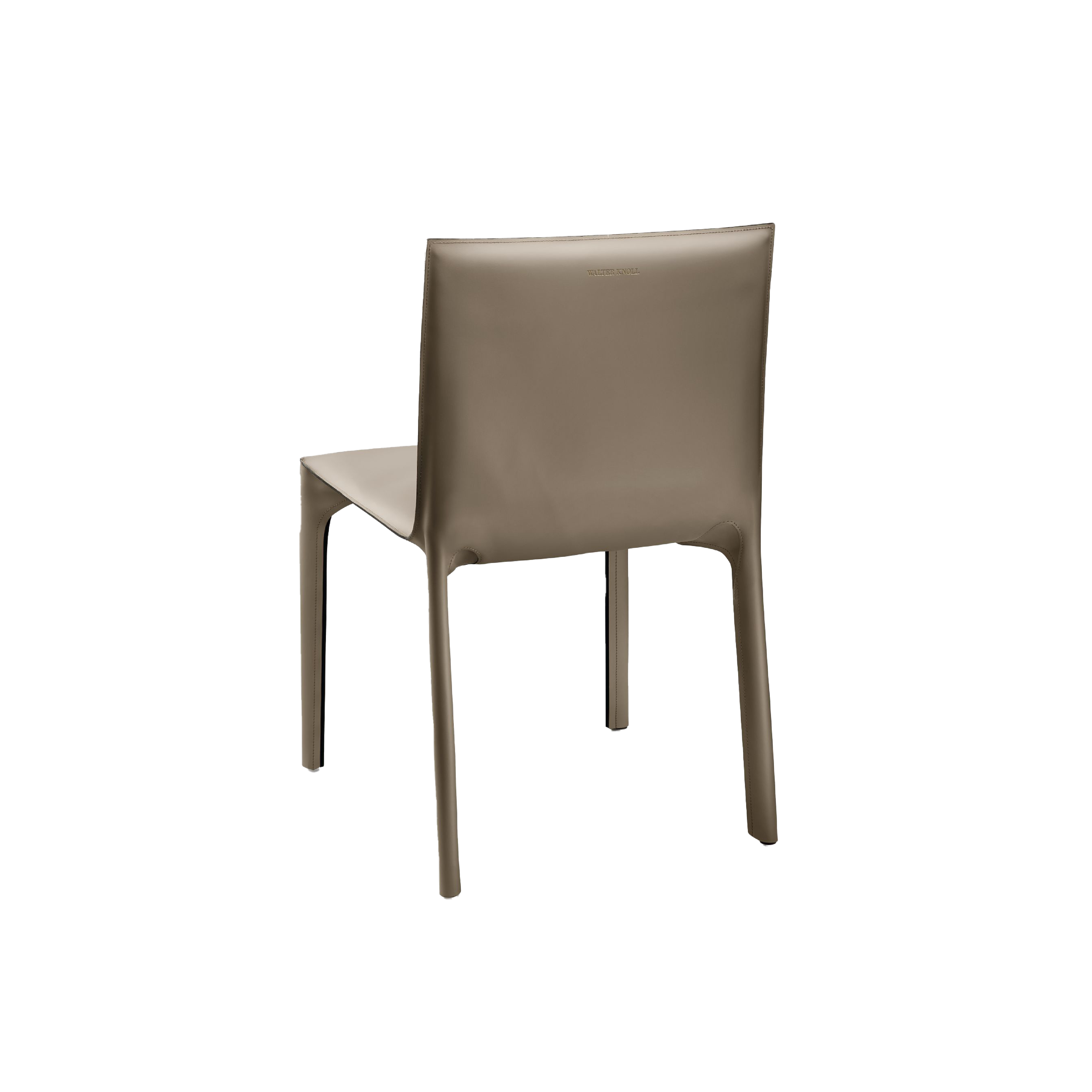 Image 6 of 18
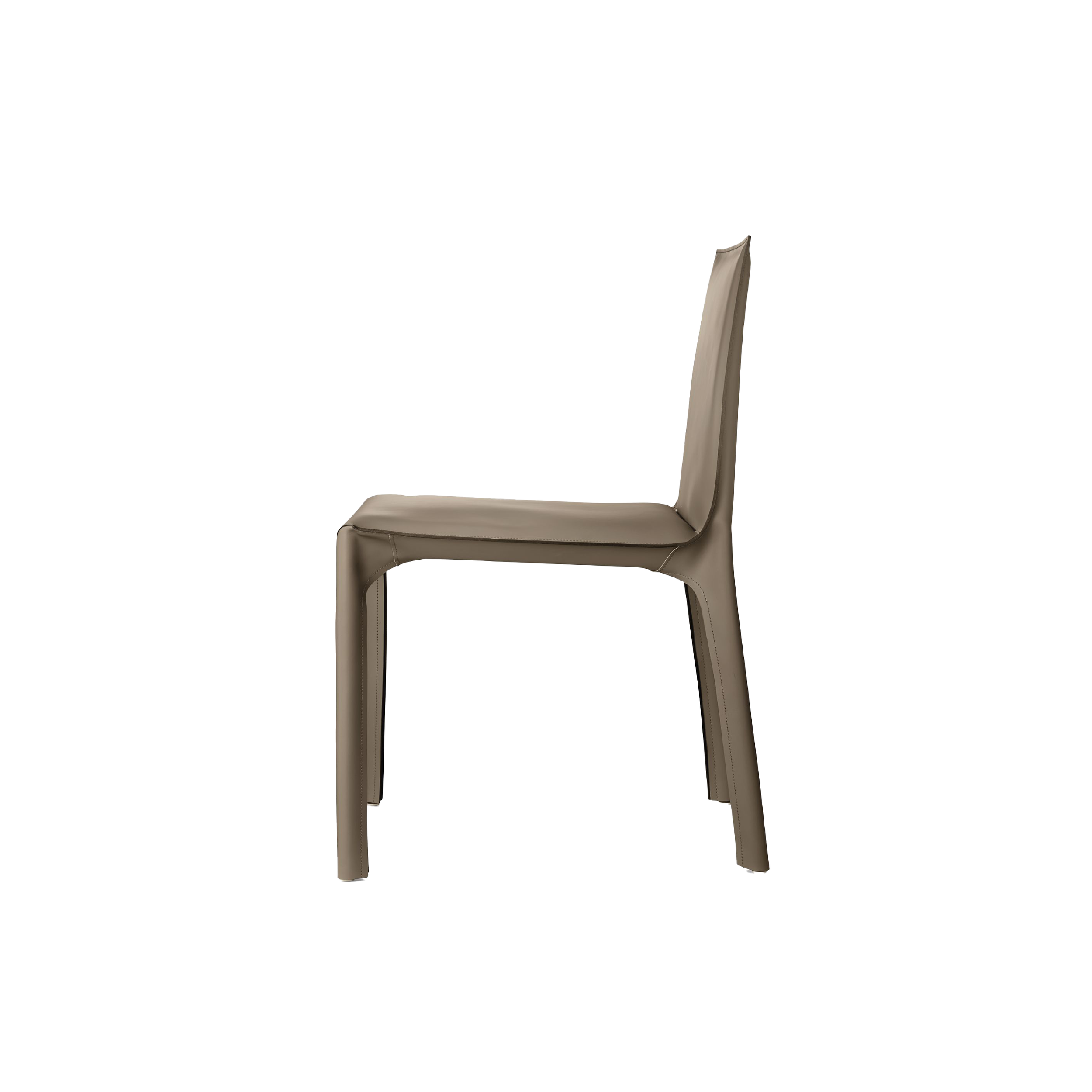 Image 7 of 18
 Image 8 of 18
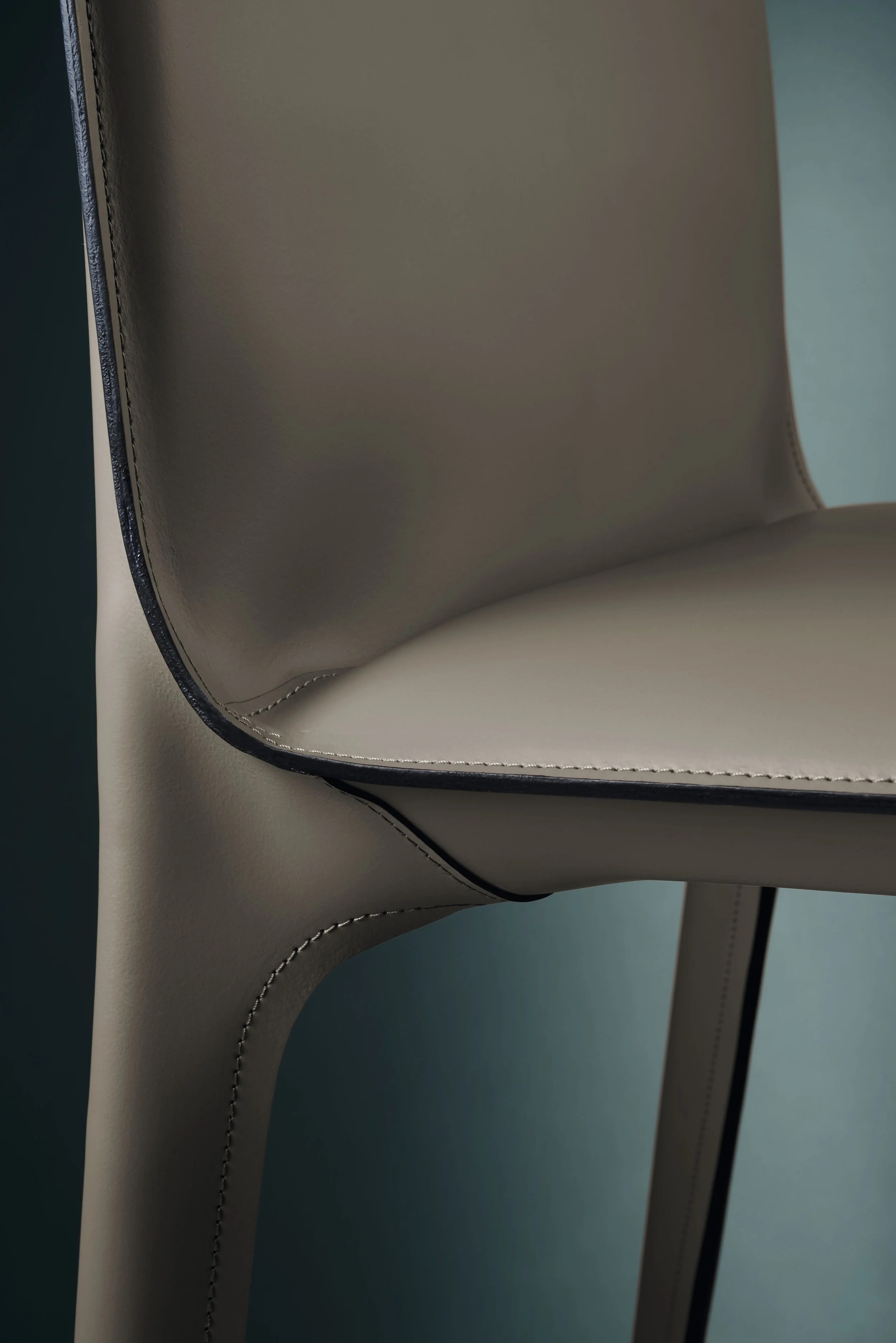 Image 9 of 18
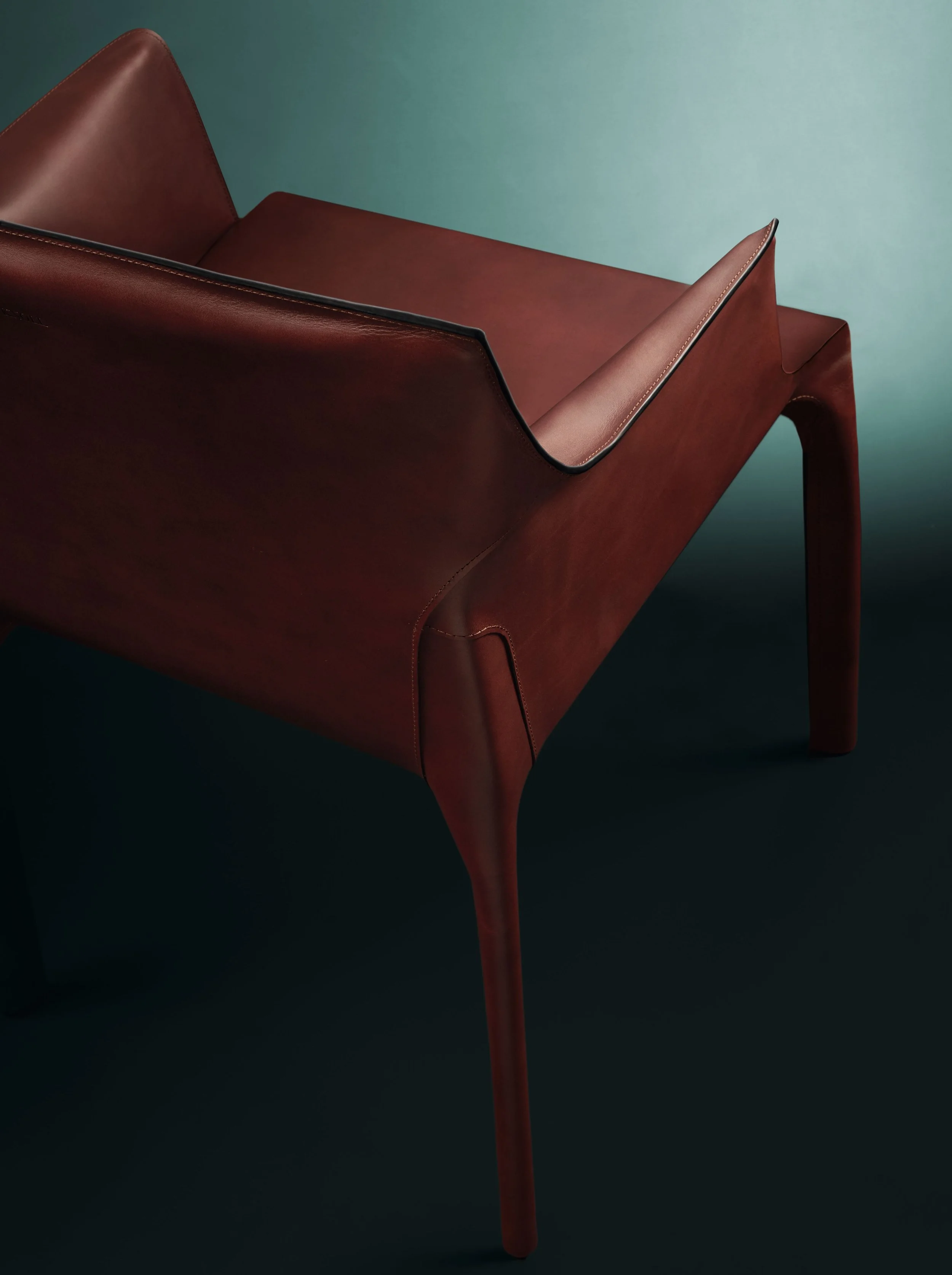 Image 10 of 18
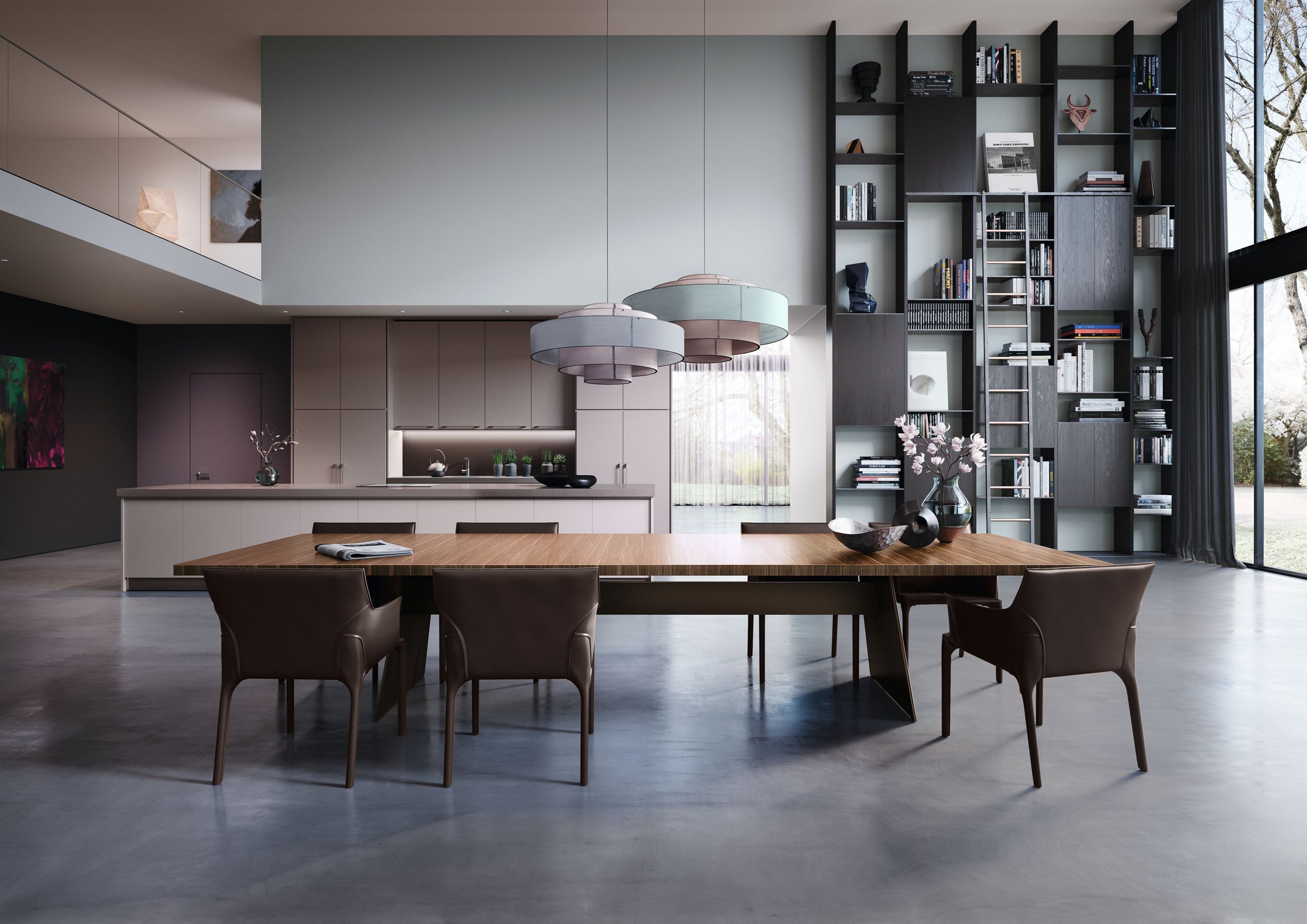 Image 11 of 18
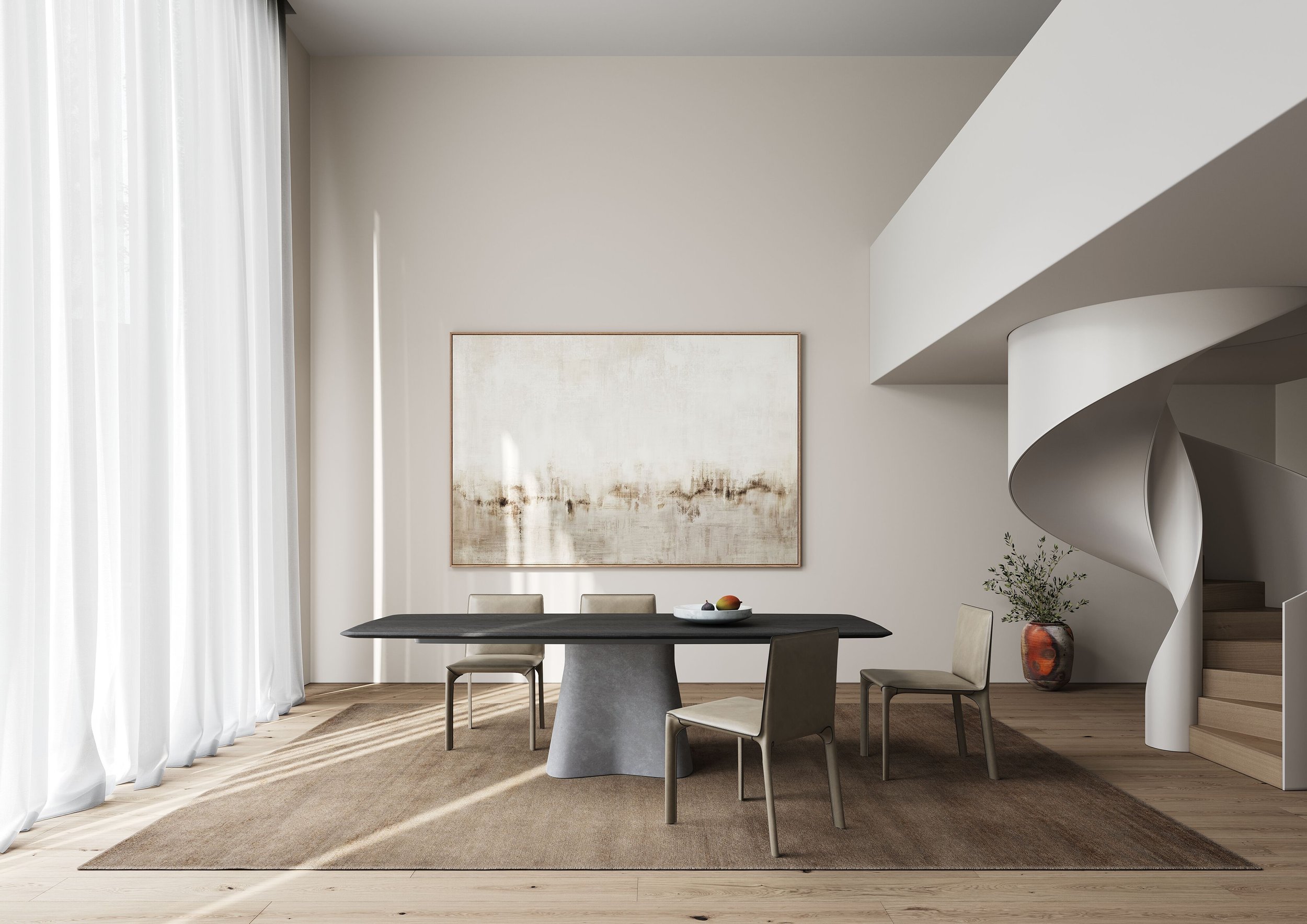 Image 12 of 18
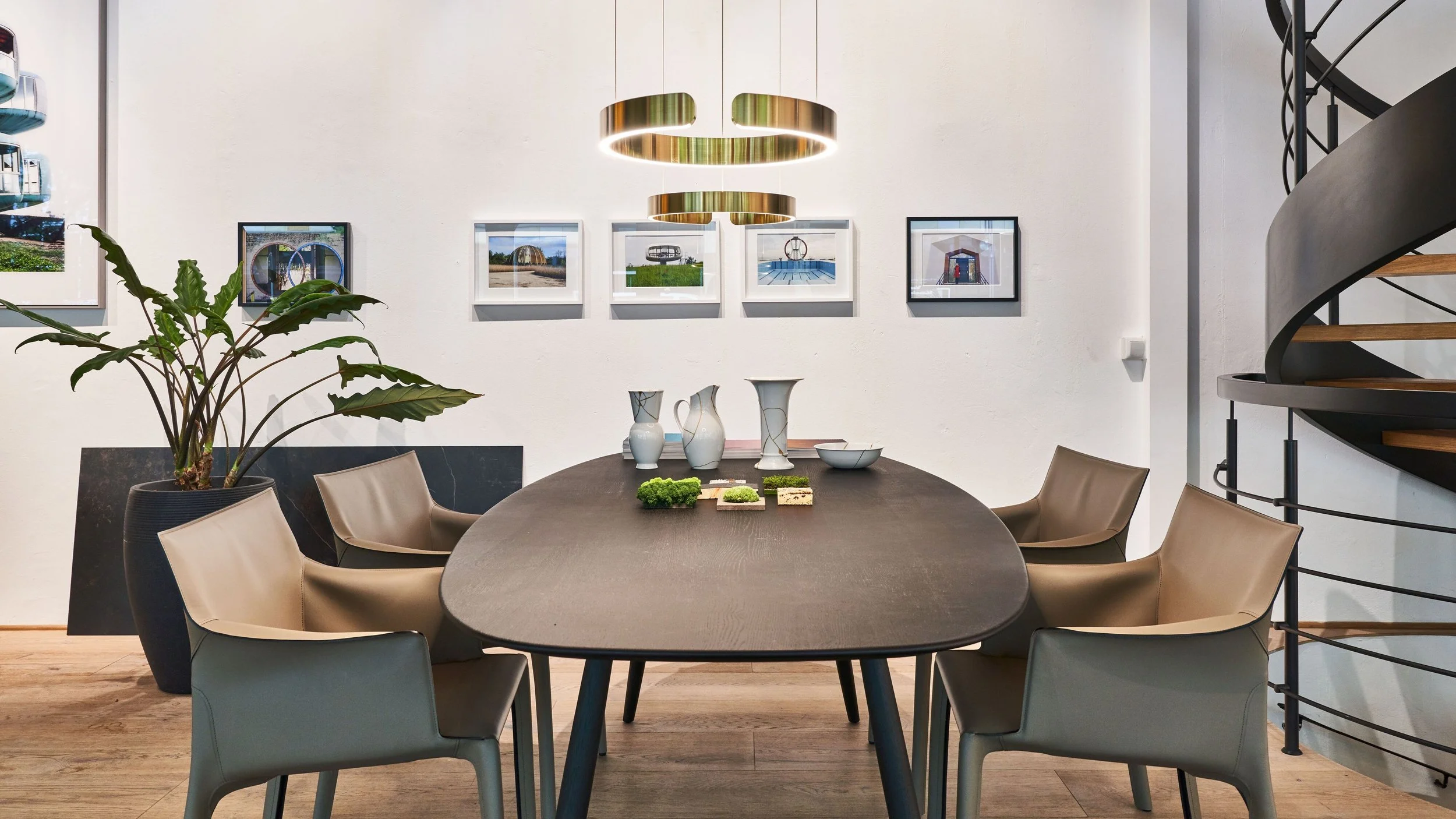 Image 13 of 18
 Image 14 of 18
 Image 15 of 18
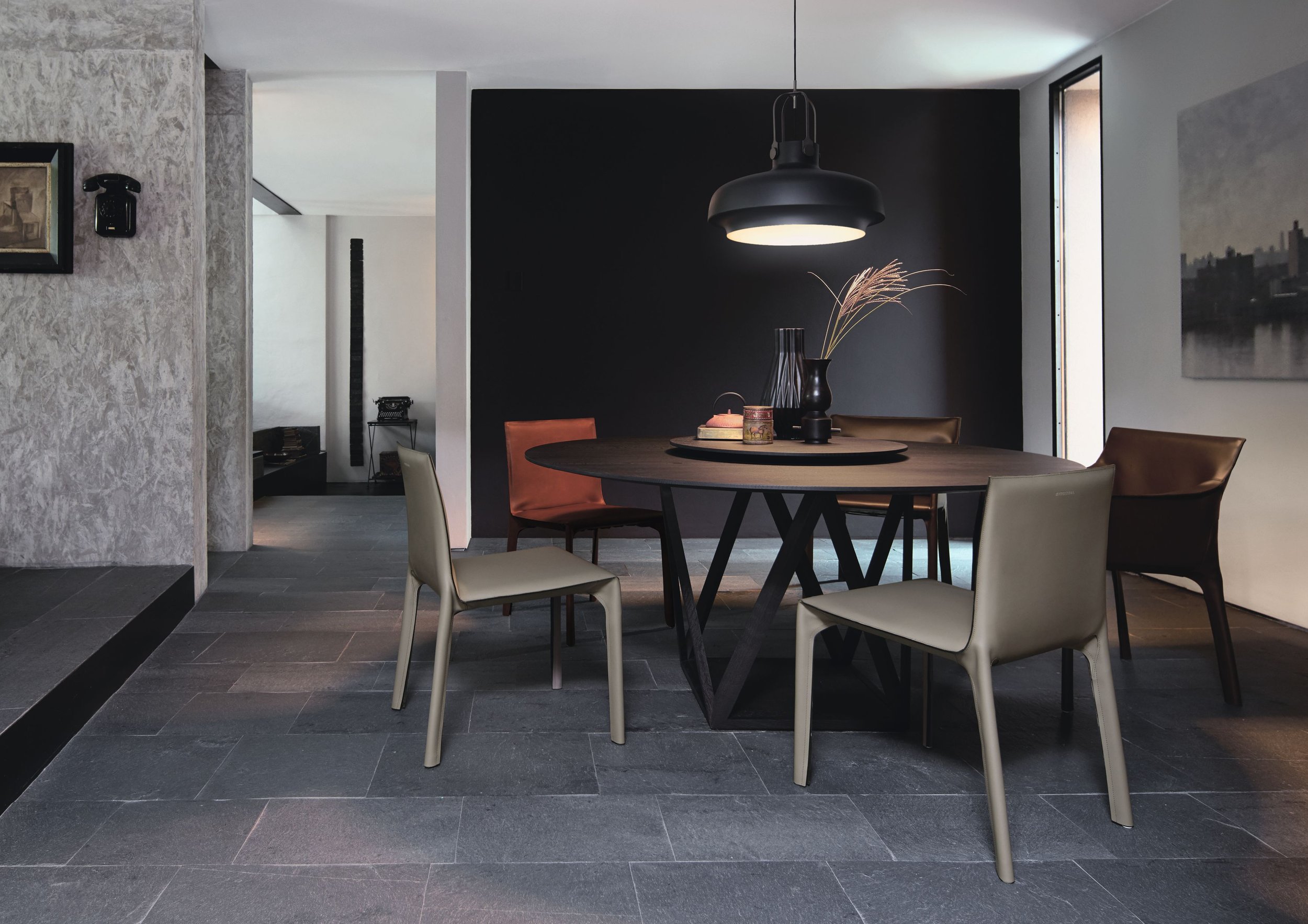 Image 16 of 18
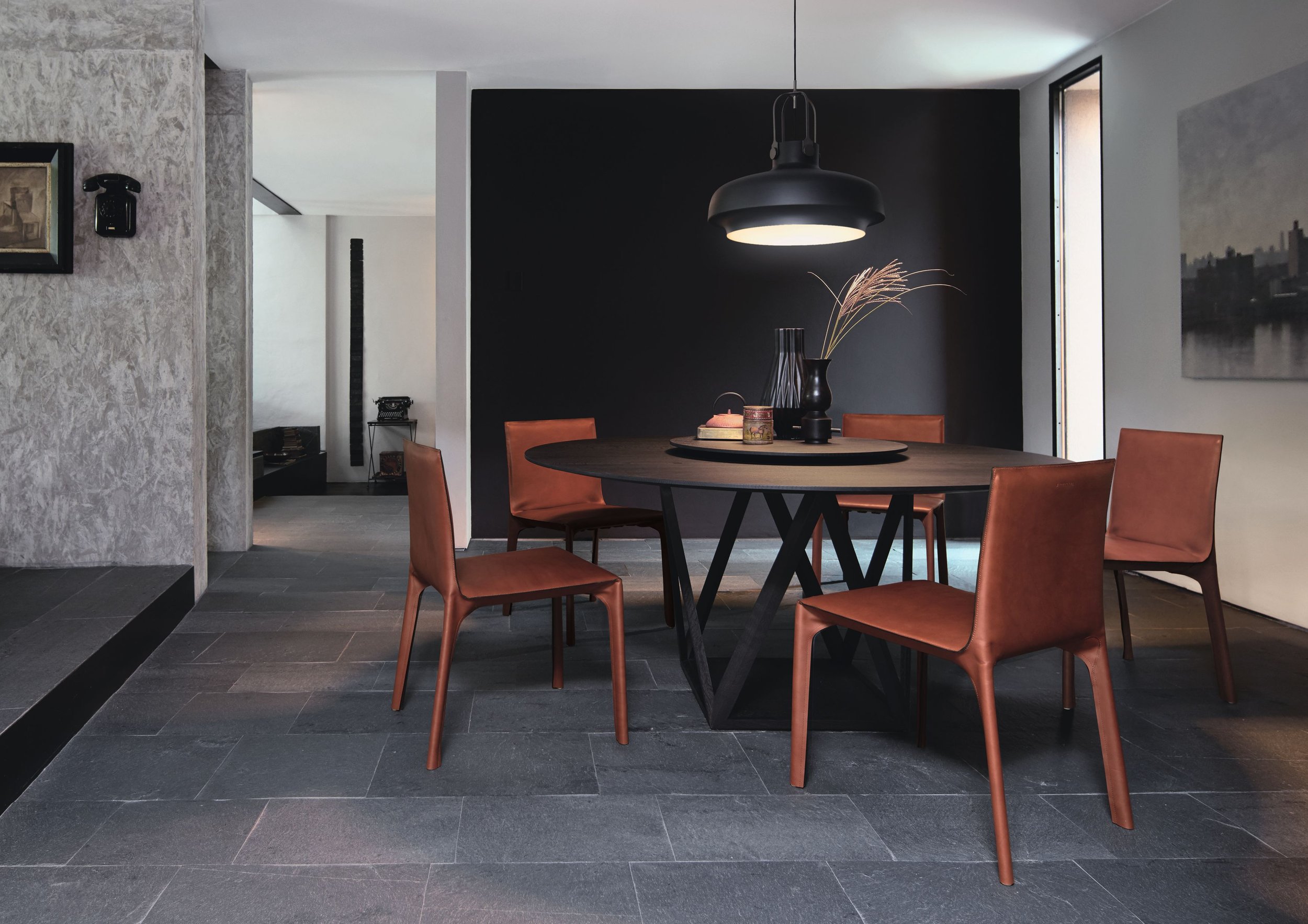 Image 17 of 18
 Image 18 of 18

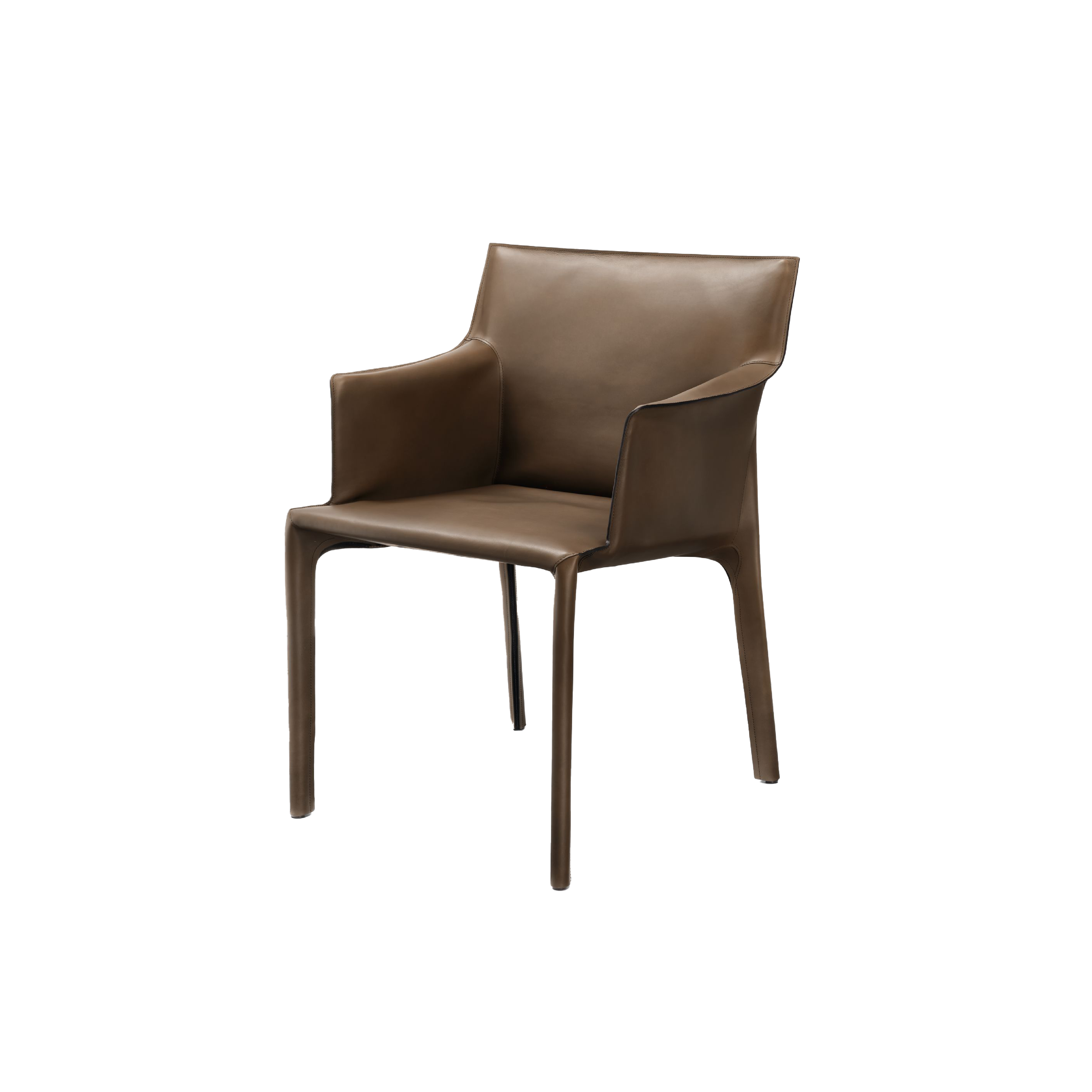
Saddle Chair
MATERIAL CONCEPT
Precise craftsmanship, classically austere in form, and at the same time extraordinarily comfortable. Continuous leather envelops the frame. Flowing lines, painstakingly polished edges and meticulous seams give the shape its contours. Taut belts in the seat account for the outstanding seating comfort. The Saddle Chair is elegant and at the same time consistent in its design language: great precision goes into tailoring the leather, polishing and coloring the edges, and sewing the seams. The firm padding contributes to a feeling of complete sophistication.
Chair without arms (1243). Chair with arms (1244). Metal frame. Cold foam with polyester fiber wrap, cushioned with webbing. Zipper is black.
DIMENSIONS
Model No. 1243 - W. 50cm (19 3/4") D. 55cm (21 3/4") H. 80cm (31 1/2")
Model No. 1244 - W. 57.5cm (22 3/4") D. 59cm (23 1/4") H. 80cm (31 1/2")
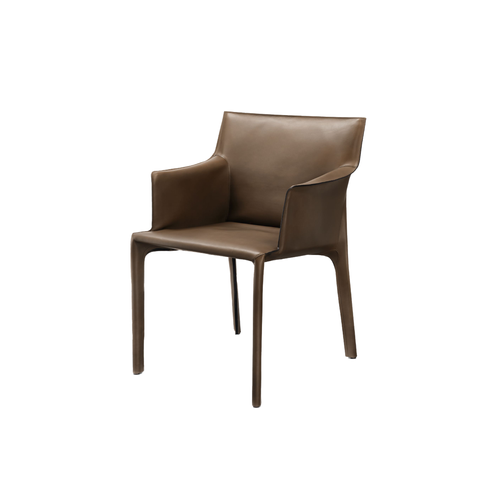
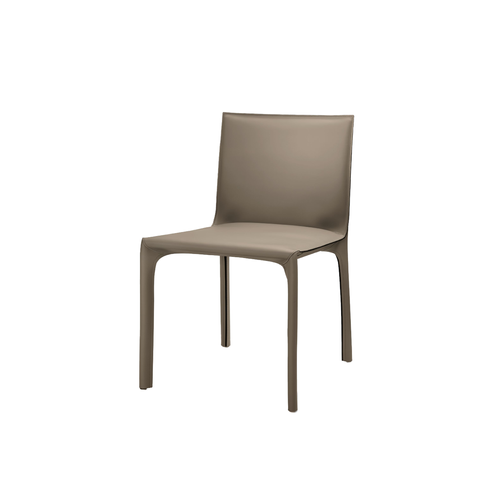
1244
1243
MATERIALS
LEATHER




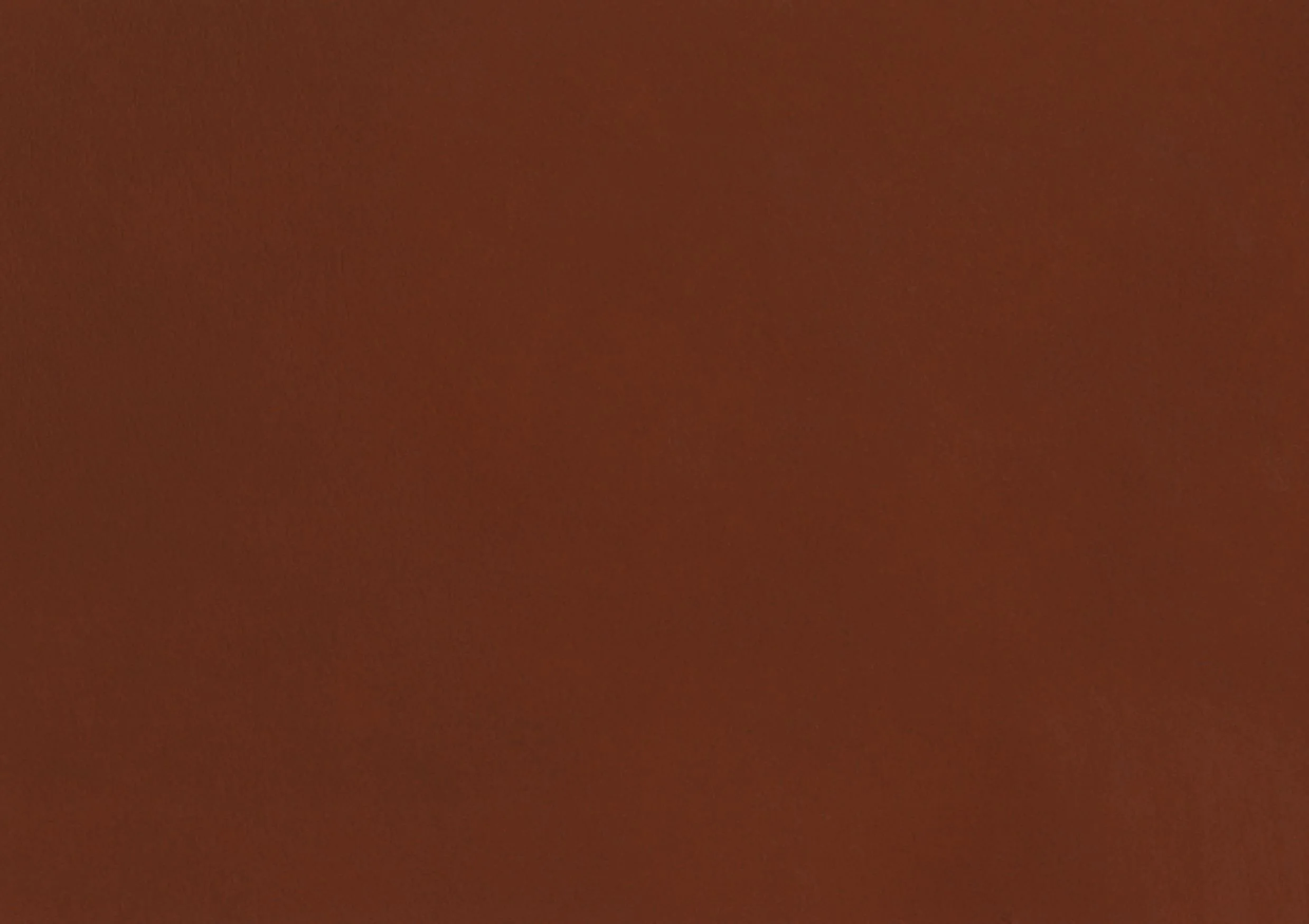

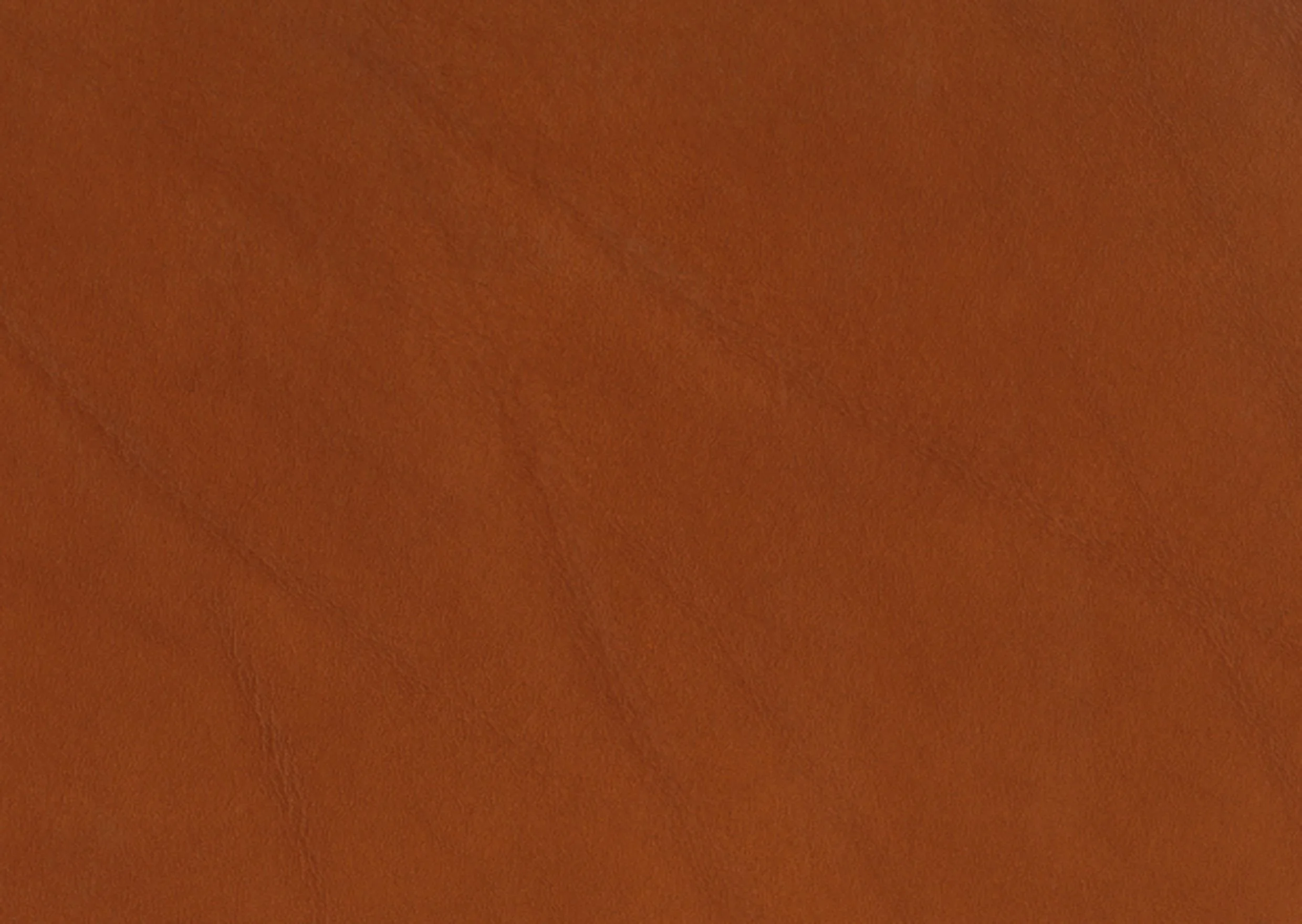
-
Saddle Leather by Walter Knoll
(Black, Clay, Coffee, Khaki, Maron, Ocra, Sherry)
Distinctive, supple and becoming more beautiful with time: with its robust structure, great strength and unique naturalness, Saddle leather is one of the best leather qualities.
Natural features such as scarring, mast wrinkles or color variations are special characteristics of this natural leather and underline its unique character. Aniline barrel dyed with light pigmentation, with dirt-repellent water-based impregnation. Average thickness 2.8-3.2mm. Fire protection BS 5852 part 1 ignition source 0, BS 5852 part 1 ignition source 1, DIN EN 1021 part 1, DIN EN 1021 part 2, TB 117-2013
DESIGNEr
EOOS

EOOS
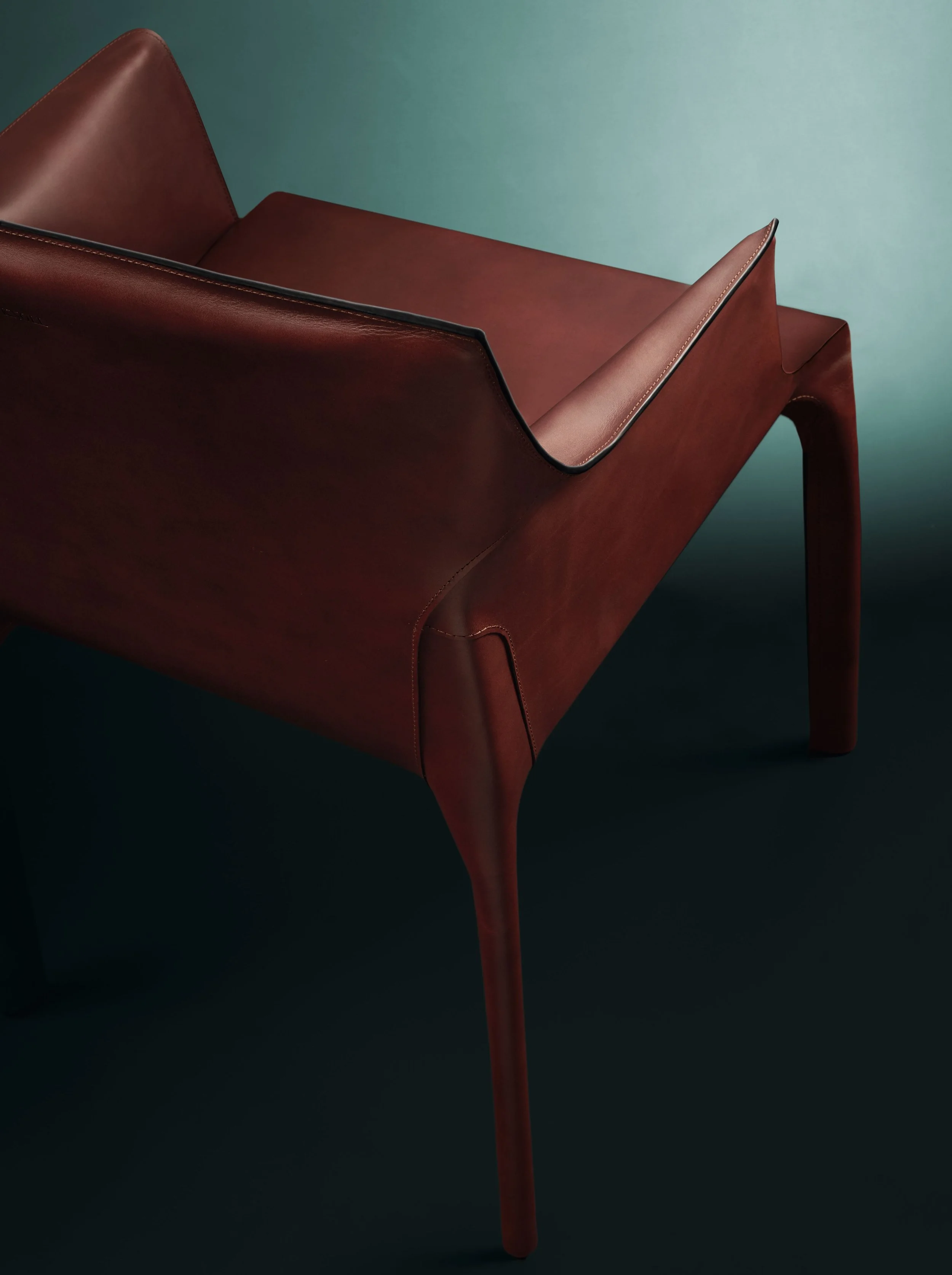
Saddle Chair
EOOS, namely Martin Bergmann, Gernot Bohmann and Harald Gründl, take their name from one of the four horses pulling the chariot of the sun god Helios in Ovid’s Metamorphoses. They describe their approach as “poetic analysis”. A tool they use to explore the deeper meaning of images, rituals and myths as a basis for new designs. Through examining the culture of human rituals, EOOS question the meaning and function of design and provide their own answers. The work of the team has so far been recognized by more than 130 design prizes, including the Compasso d'Oro. The three Austrian designers met while studying together at the University of Applied Arts in Vienna. Today they are still based in the city, where they create designs destined for projects from Milan to Toronto, New York to Herrenberg. Walter Knoll and EOOS have now been working together for more than 20 years. It all began in 1997 with a draft design for the Jason sofa, which is still part of the current Walter Knoll Collection, and a shared vision: to create living spaces. The ongoing and close partnership has resulted in around 100 further products and numerous awards to date.
MANUFACTURER
walter knoll
Wilhelm Knoll, the founder of the Knoll dynasty, opens the doors of his “leather shop” in Stuttgart, Germany. Widely travelled expert in leather: in 1864, annual stay in Paris – the world centre of leather, fashion and luxury goods. “Knoll leather” becomes the hallmark of quality, and the House of Württemberg names Wilhelm Knoll, supplier to the royal court“. In 1907, Wilhelm’s sons Willy and Walter take over their father’s business and start producing seating. The company introduces the first club armchair to Germany.
From 1925 to 1929, advocating modernity: at the age of 50, the urbane gentleman Walter Knoll founds his own company, Walter Knoll & Co. GmbH. The “Prodomo“ models developed by Walter Knoll are seen as the first modern upholstered furniture in history. The lightweight Prodomo armchairs perfectly reflect the spirit of the times of the twenties. The world‘s first wide-bodied aircraft Do X is completely furnished with lightweight aluminum chairs from the Prodomo range. At the same time, Wilhelm Knoll revolutionizes the traditional upholstery technique with his “Antimott“ range. The lightweight aluminum armchairs from the Antimott range are used to furnish the zeppelins. The exhibition„Die Wohnung“ (The Apartment) under the direction of Mies van der Rohe 1927 at the Weissenhof Estate in Stuttgart sets standards for modern building and living all over the world.
Being equipped with the knowledge of the Bauhaus movement and the abilities of his family, Walter Knoll´s son Hans goes to the US in 1938 – in the beginning to sell the products of his father. In America, he meets the architects of modernity and opens his own business in 1939. While Germany is still accustomed to classic furnishings after 1945, Walter Knoll is presenting a modern way of life. Hans Knoll supports his father in this time of reconstruction with the “Vostra“ model. In 1949, the upholstered version of the armchair: the clean lines of Vostra perfectly reflect people’s attitudes in this time of awakening, and help Walter Knoll to regain international recognition.
The Contract division is established in the 1970s. Elegant executive offices, comfortable swivel chairs, fine conference facilities as well as elegant sofas for foyers and lobbies account for the success in furnishing business premises. The furnishing of Berlin‘s Tegel Airport in 1975 is without doubt one of the highlights of the company‘s history. Together with architect Meinhard von Gerkan, the Berlin Chair is created for the airport‘s VIP lounge. In 1985, Walter Knoll takes over the company Wilhelm Knoll and continues to sell the products as the “Wilhelm Knoll Collection”. The famous furnishing family Benz buys the Walter Knoll company in 1993. Markus Benz, the oldest son, has been running the business ever since with the experience of excellent upholstery craftsmanship and modern corporate culture.
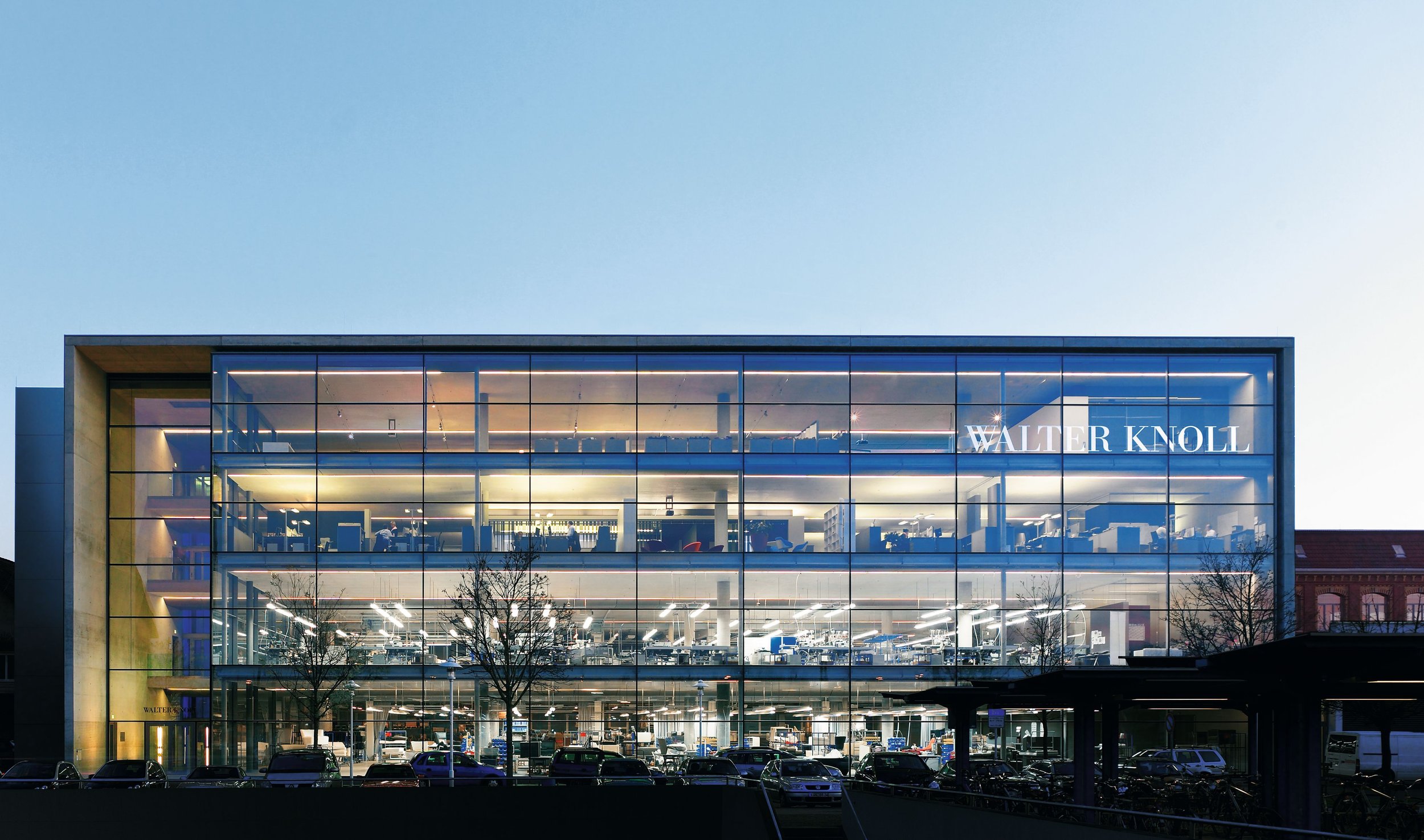
Walter Knoll Headquarters