
 Image 1 of 15
 Image 2 of 15
 Image 3 of 15
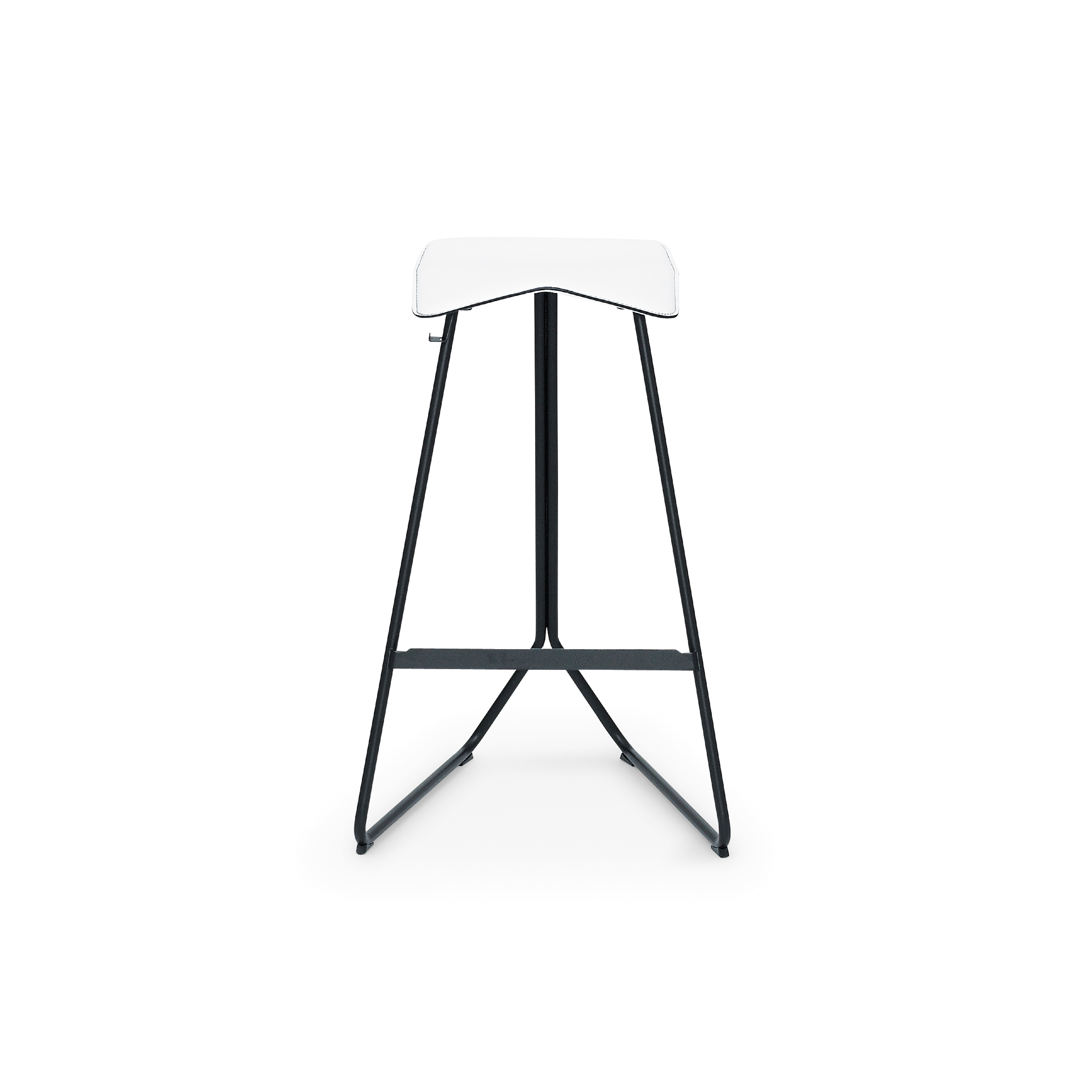 Image 4 of 15
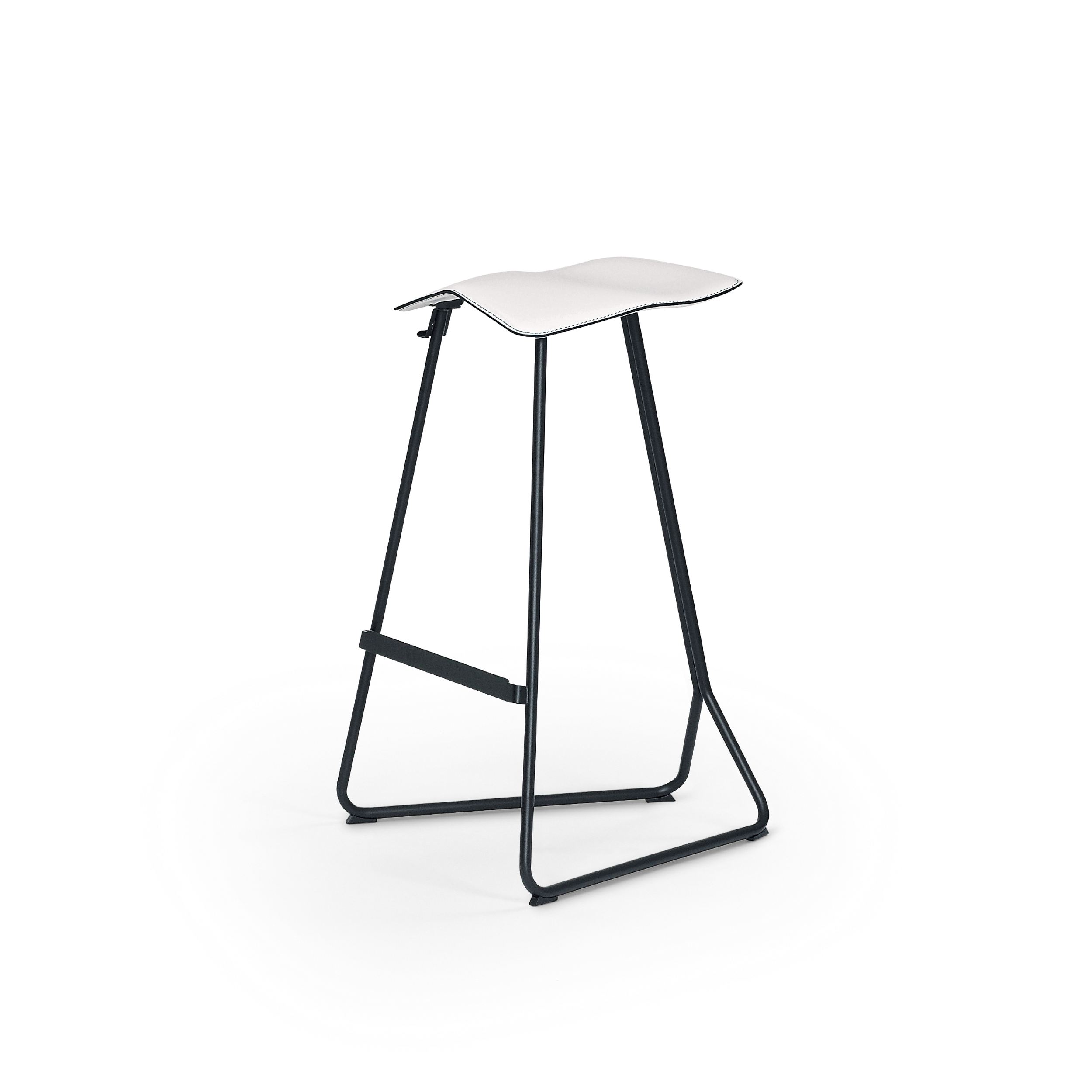 Image 5 of 15
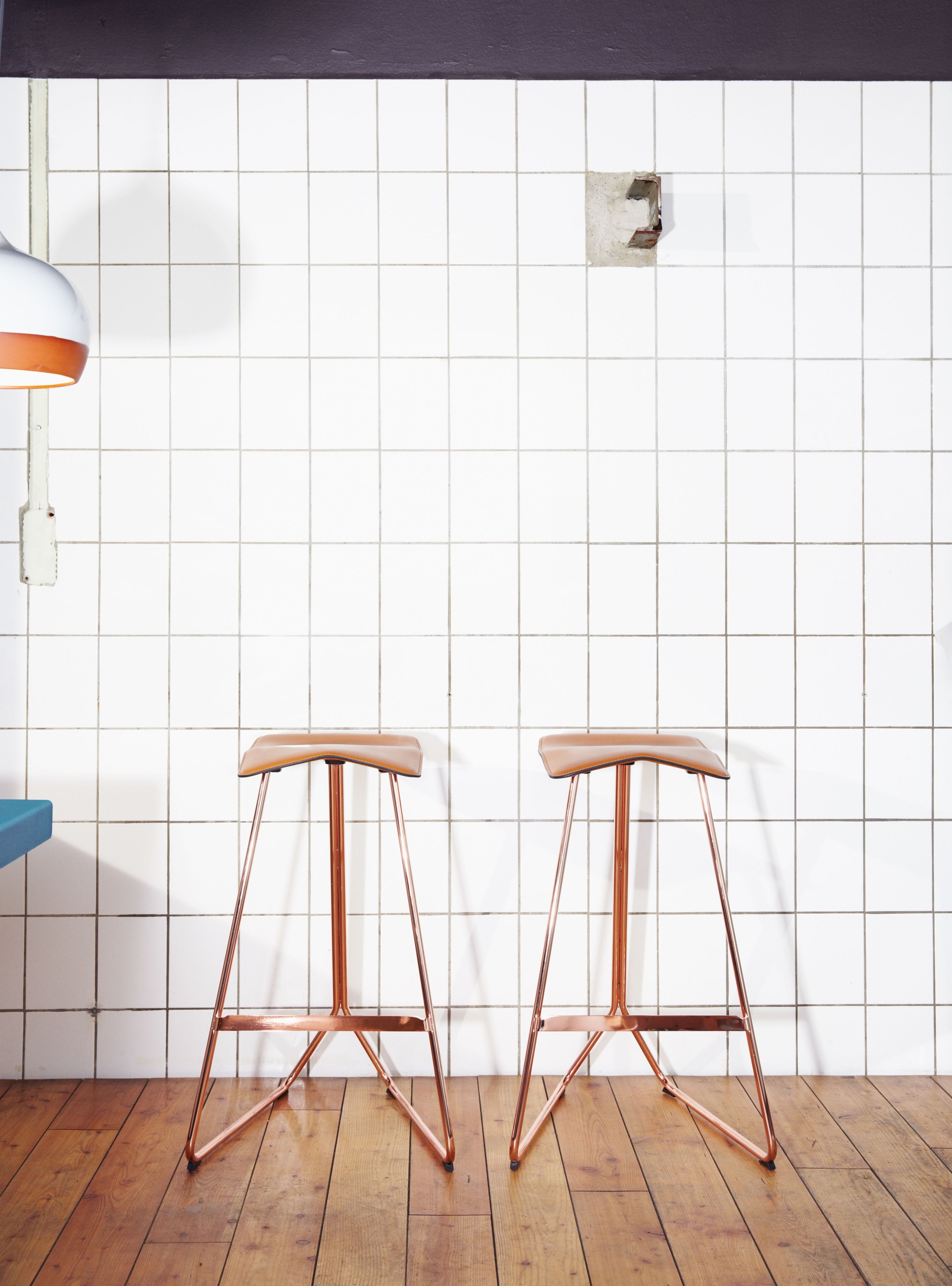 Image 6 of 15
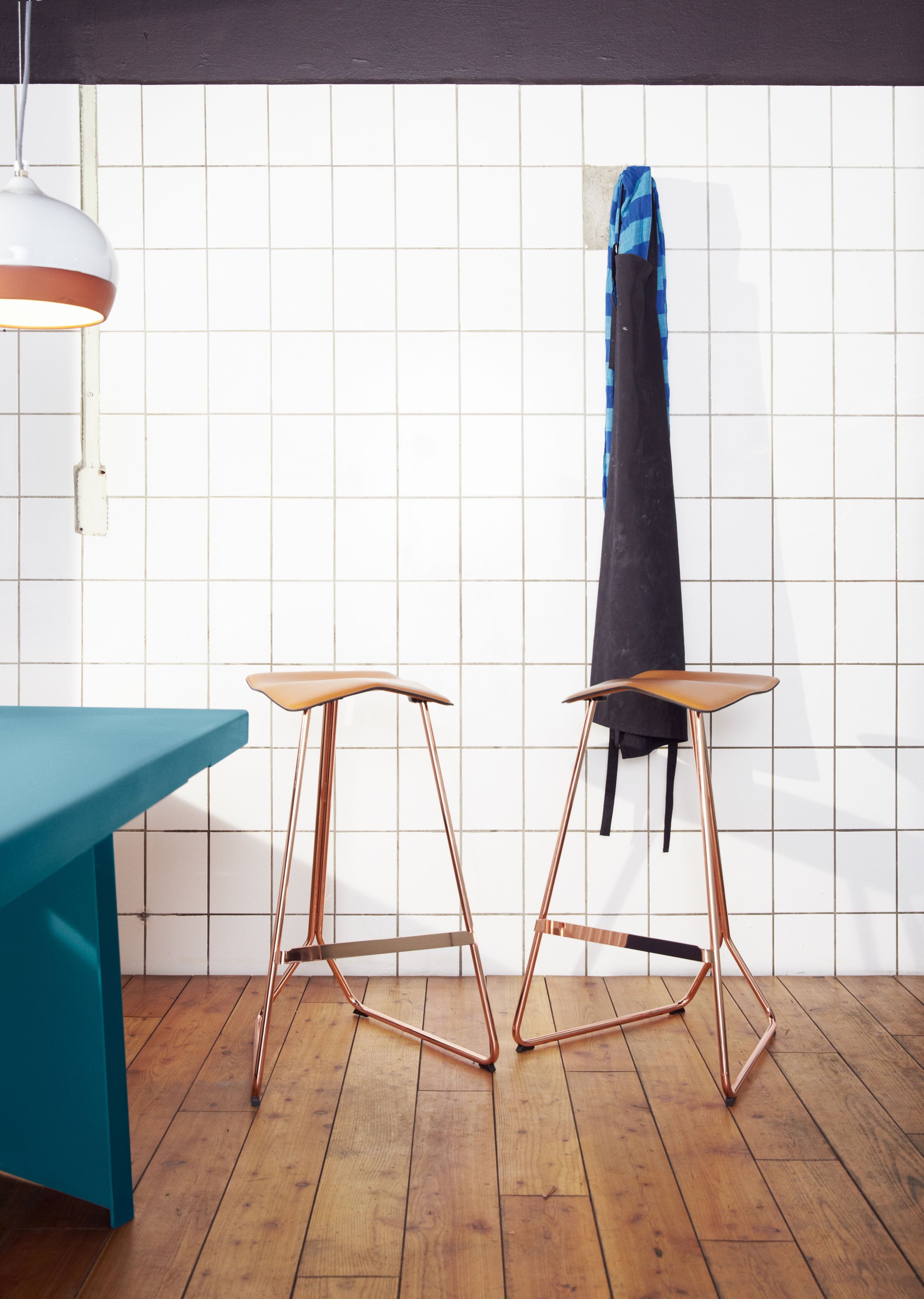 Image 7 of 15
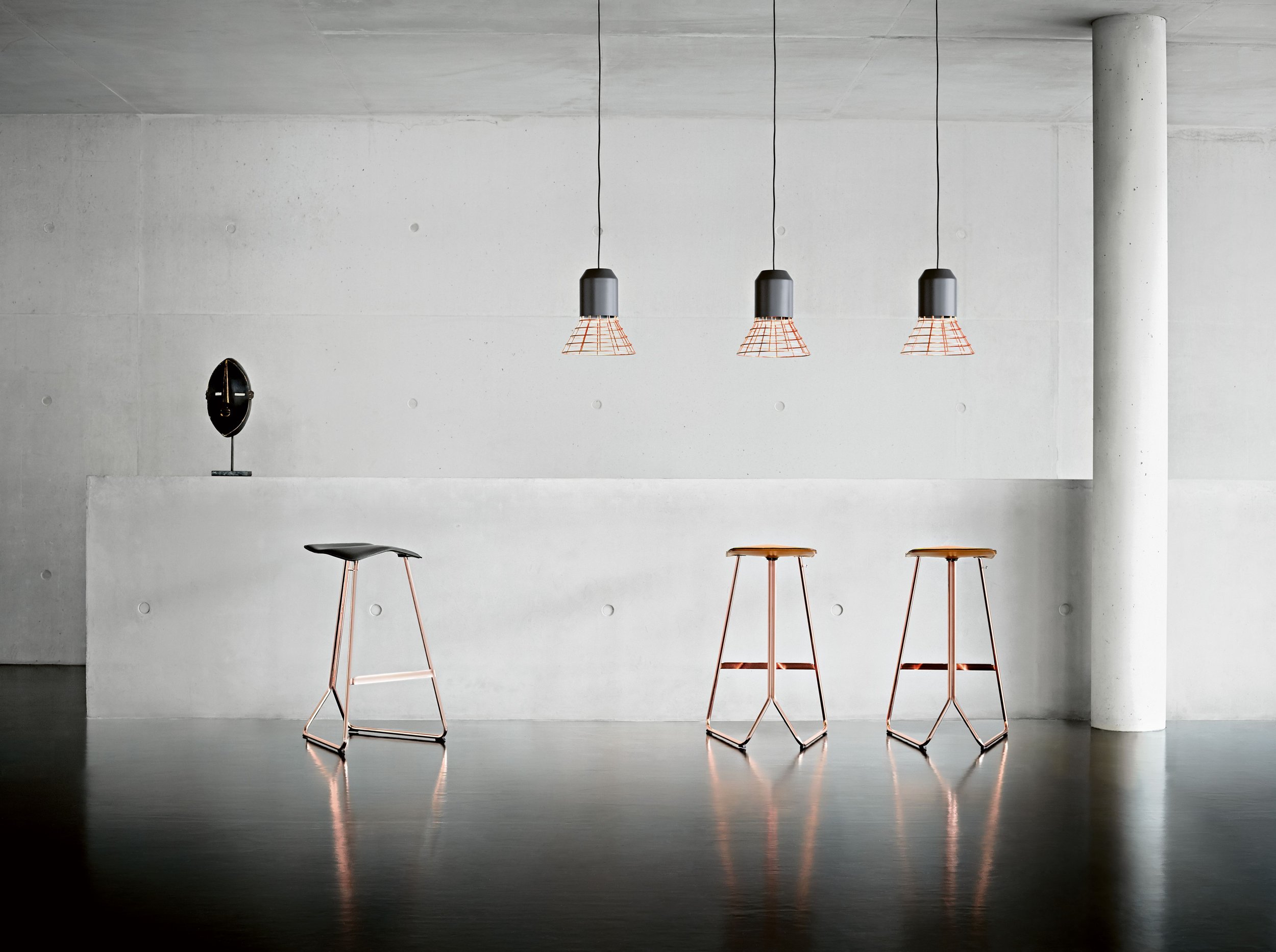 Image 8 of 15
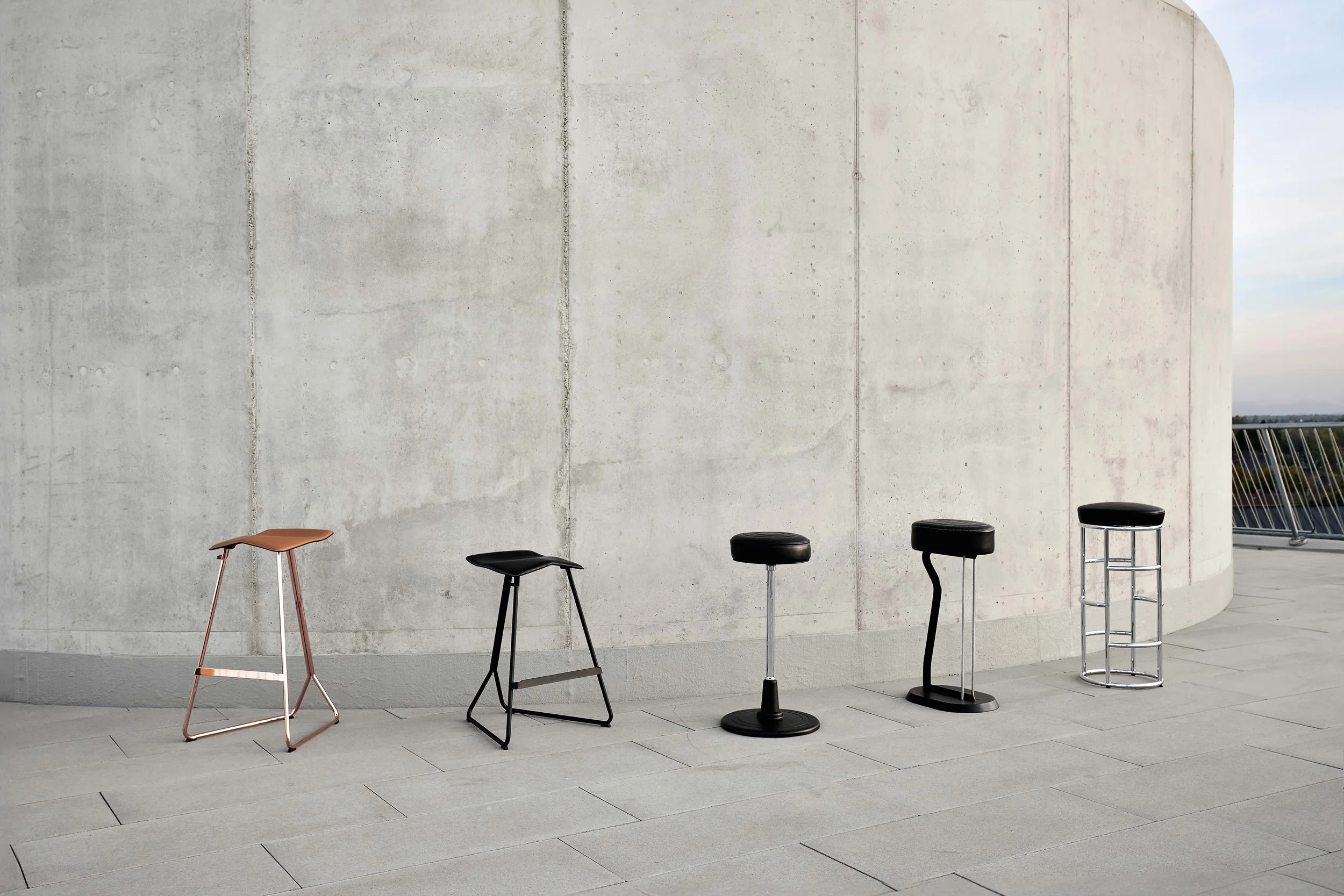 Image 9 of 15
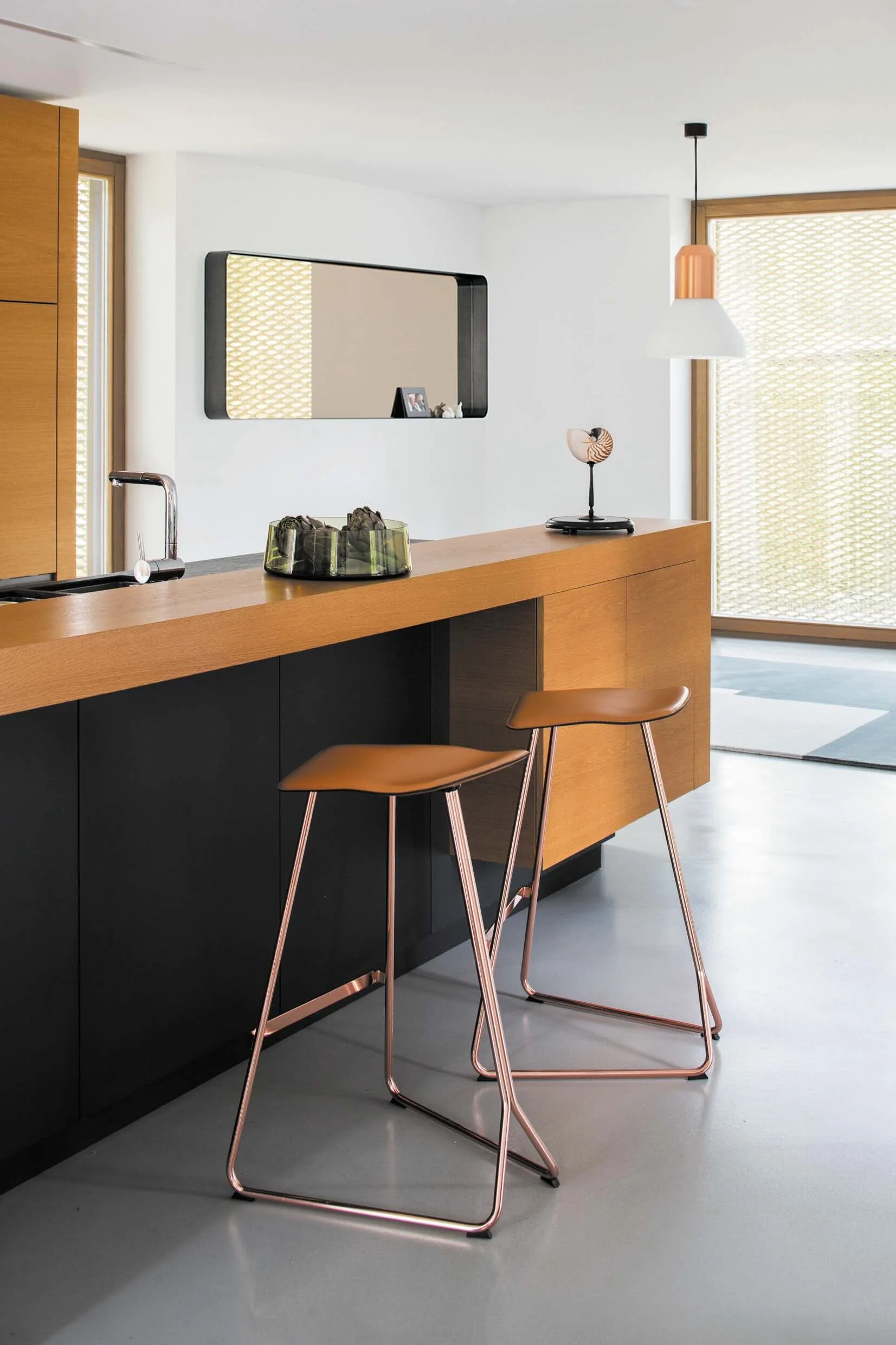 Image 10 of 15
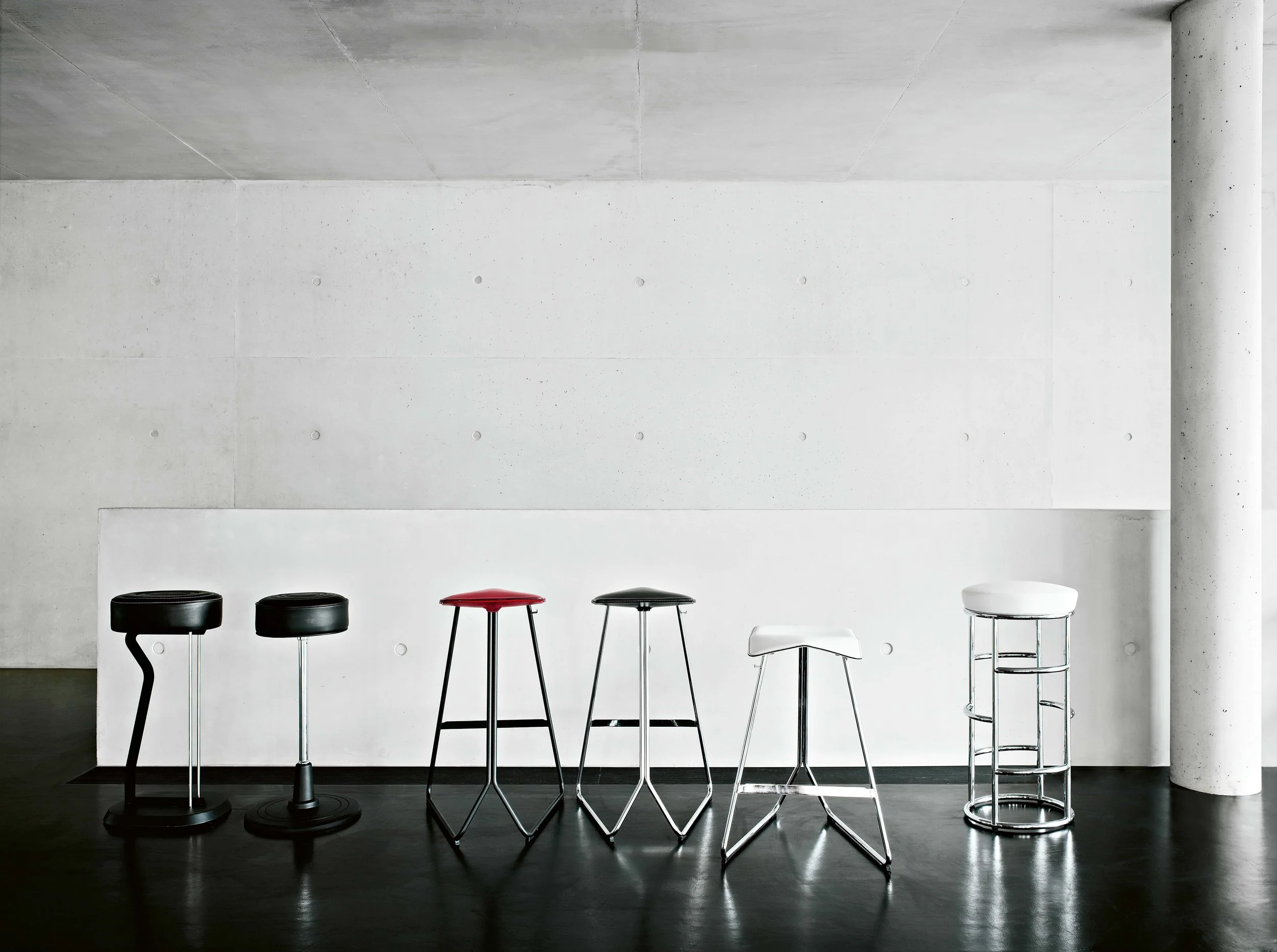 Image 11 of 15
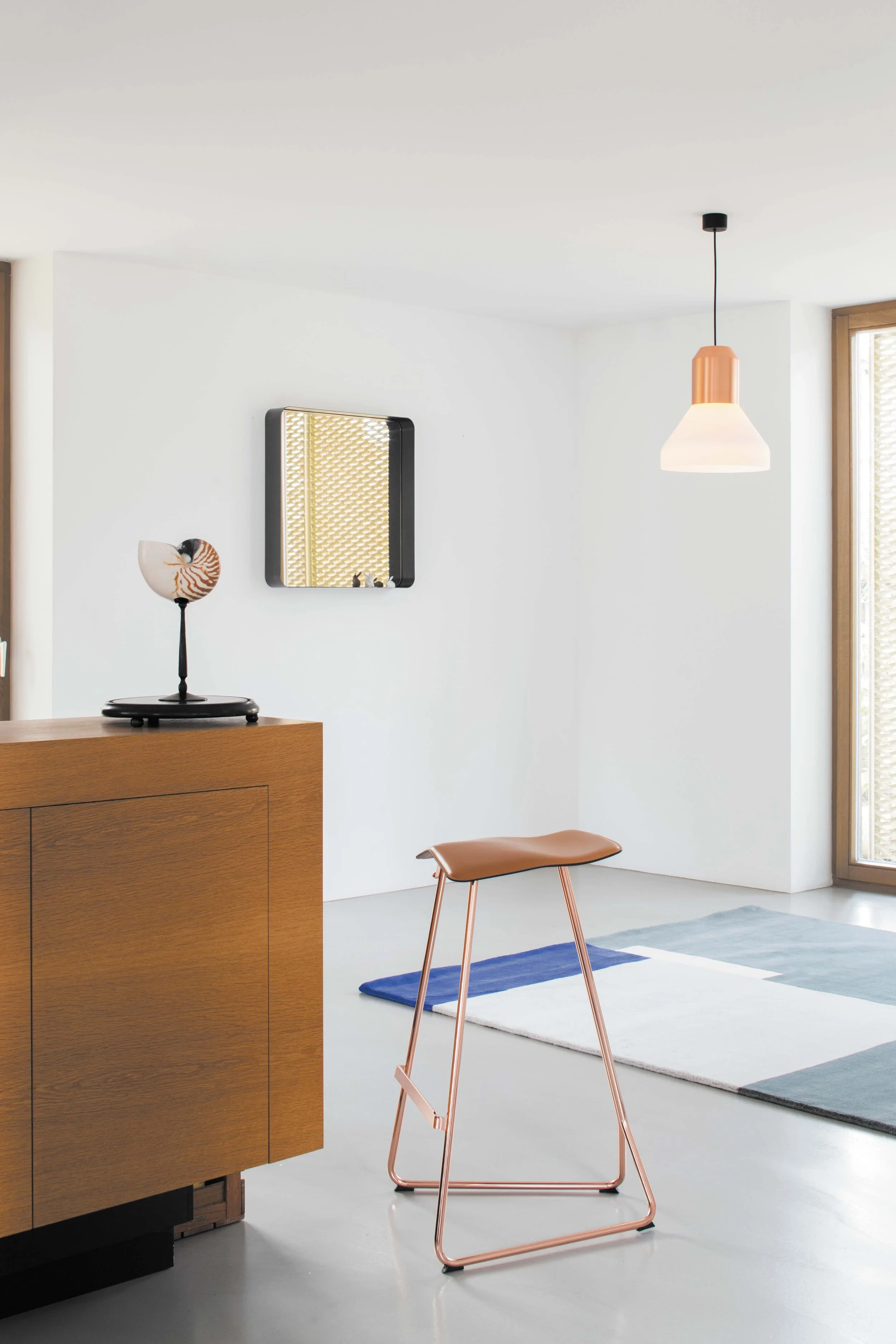 Image 12 of 15
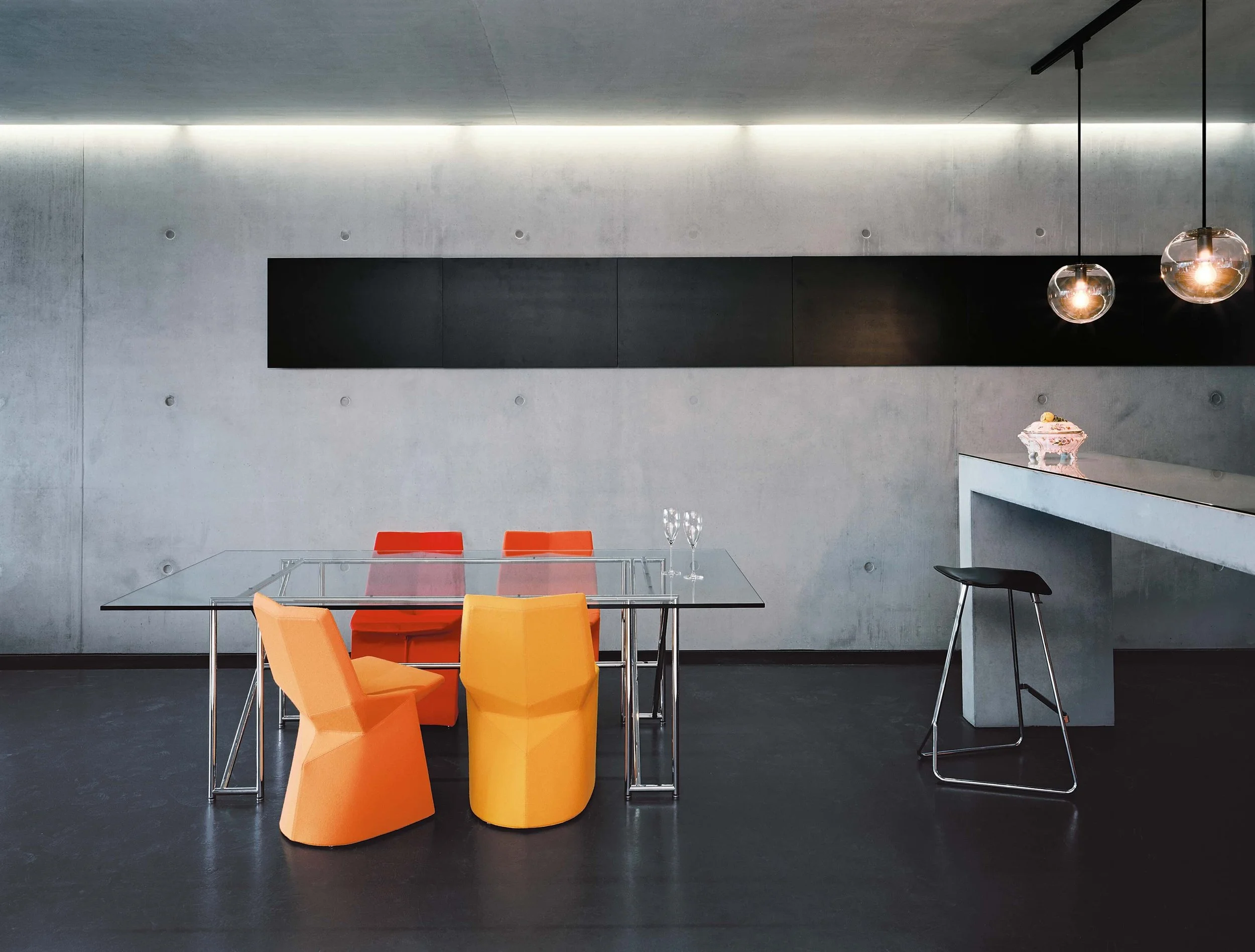 Image 13 of 15
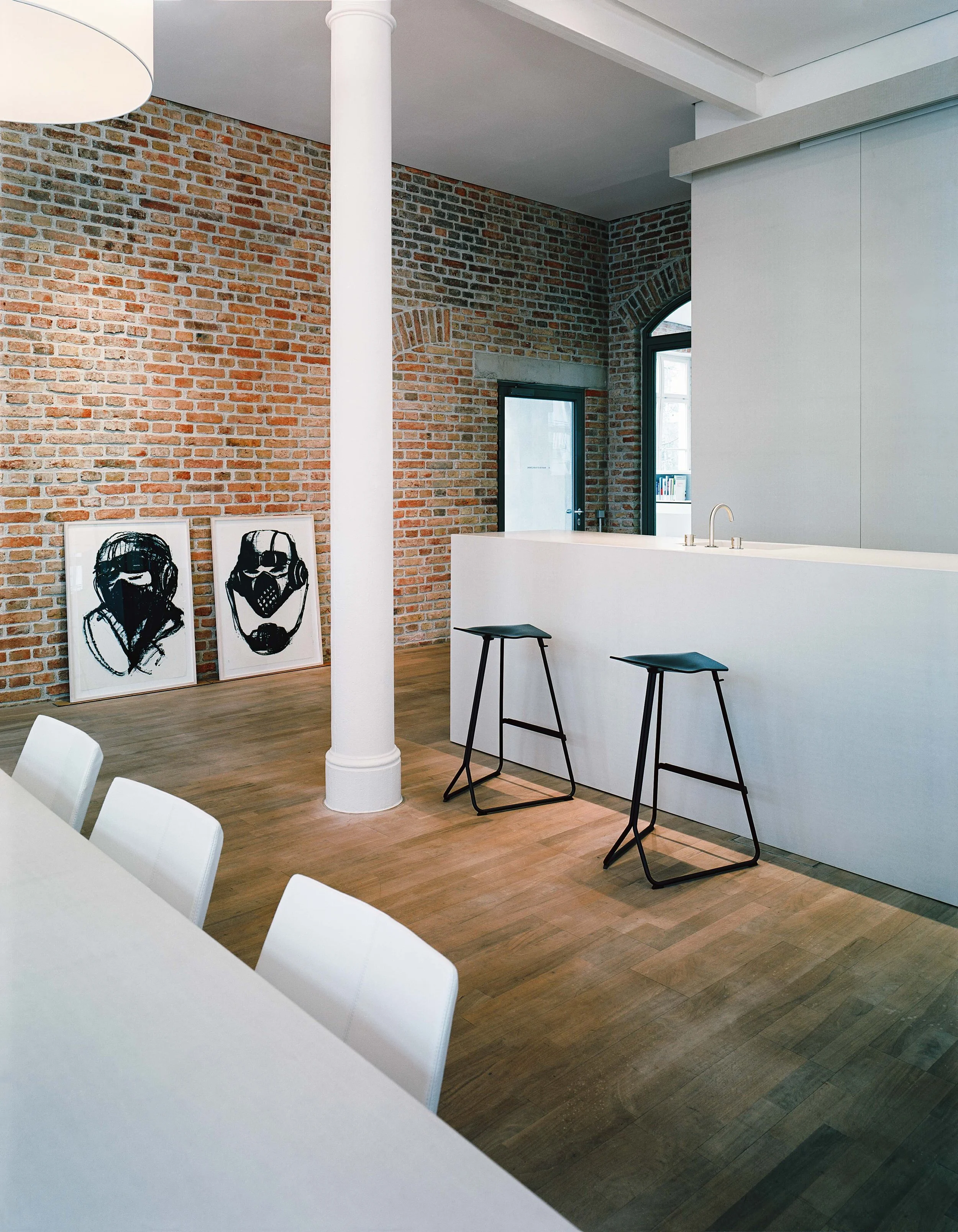 Image 14 of 15
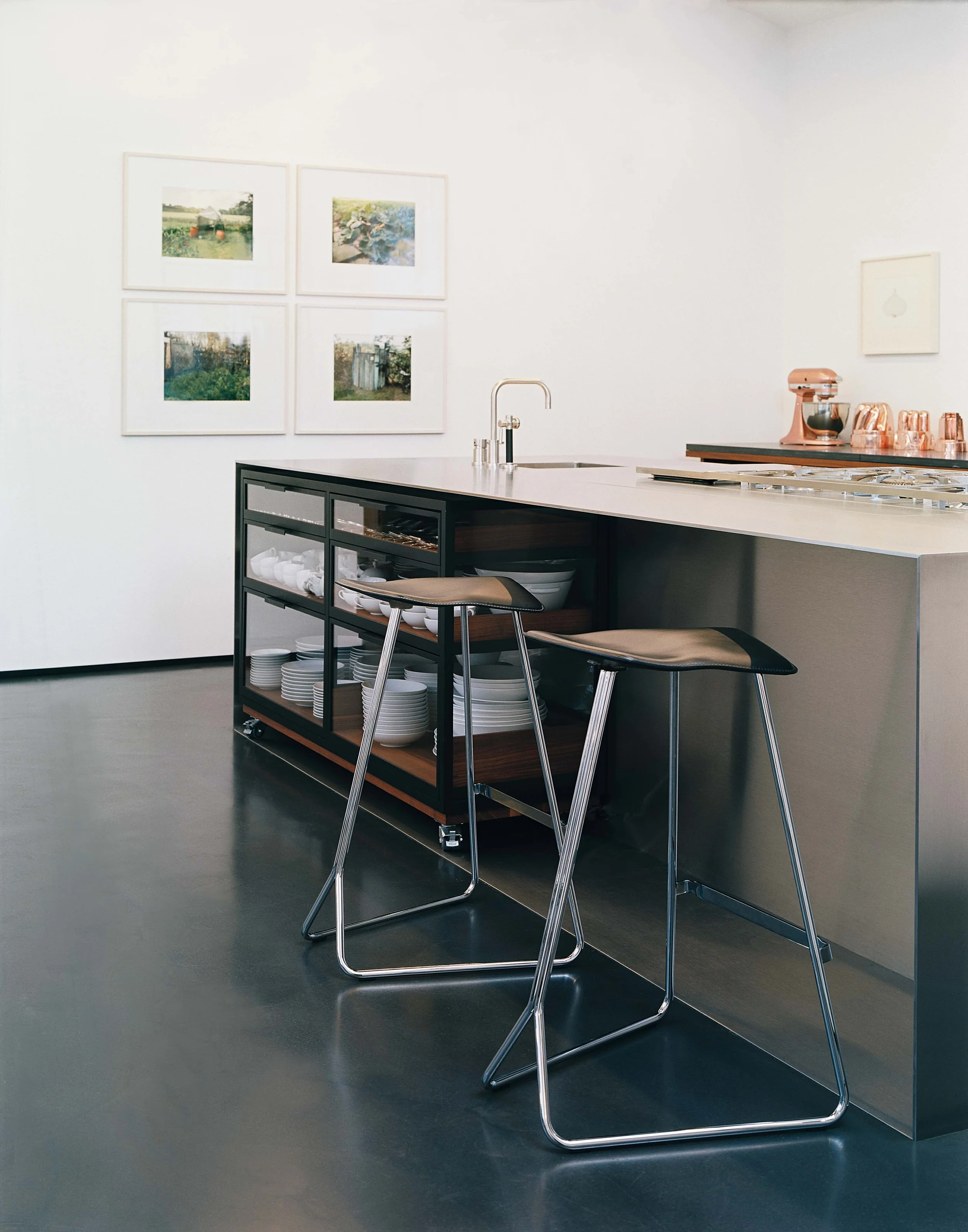 Image 15 of 15
Triton Bar Stool
A BAR COMPANION WITH A HOOK
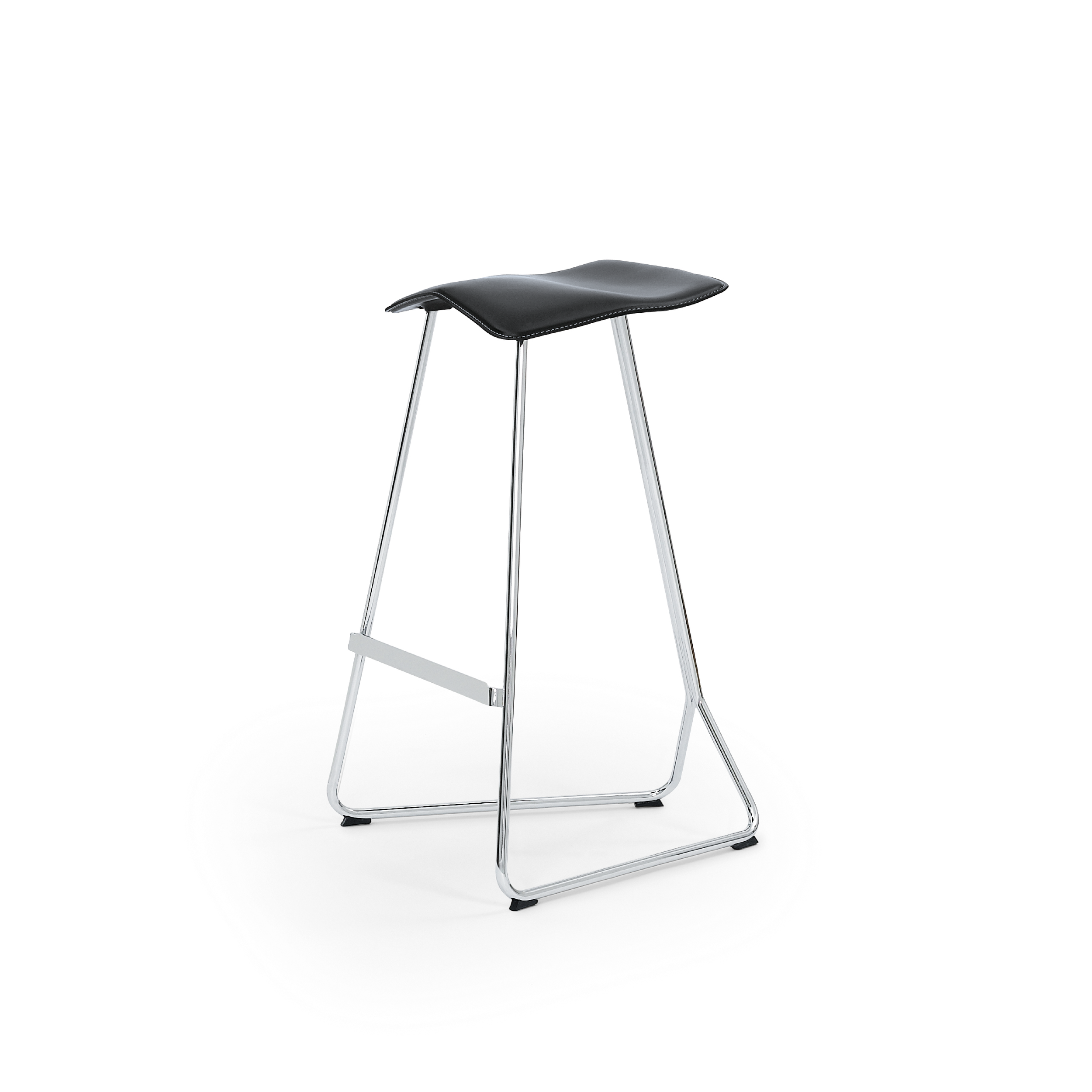
The Triton Bar Stool, designed by Clemens Weisshaar for ClassiCon in 2007, emerged from a clear challenge: to create a bar stool that is equally comfortable and visually compelling. Avoiding the common trade-off between function and form, Weisshaar shaped Triton with an anatomically contoured seat that supports long hours of conversation while maintaining a clean, confident presence. Its form is direct yet adaptable, offered in multiple finishes and colors to integrate seamlessly into a range of settings, from private residences to refined hospitality spaces. A subtle handle built into the backrest makes it easy to reposition, underscoring its practicality in lively, changing environments.
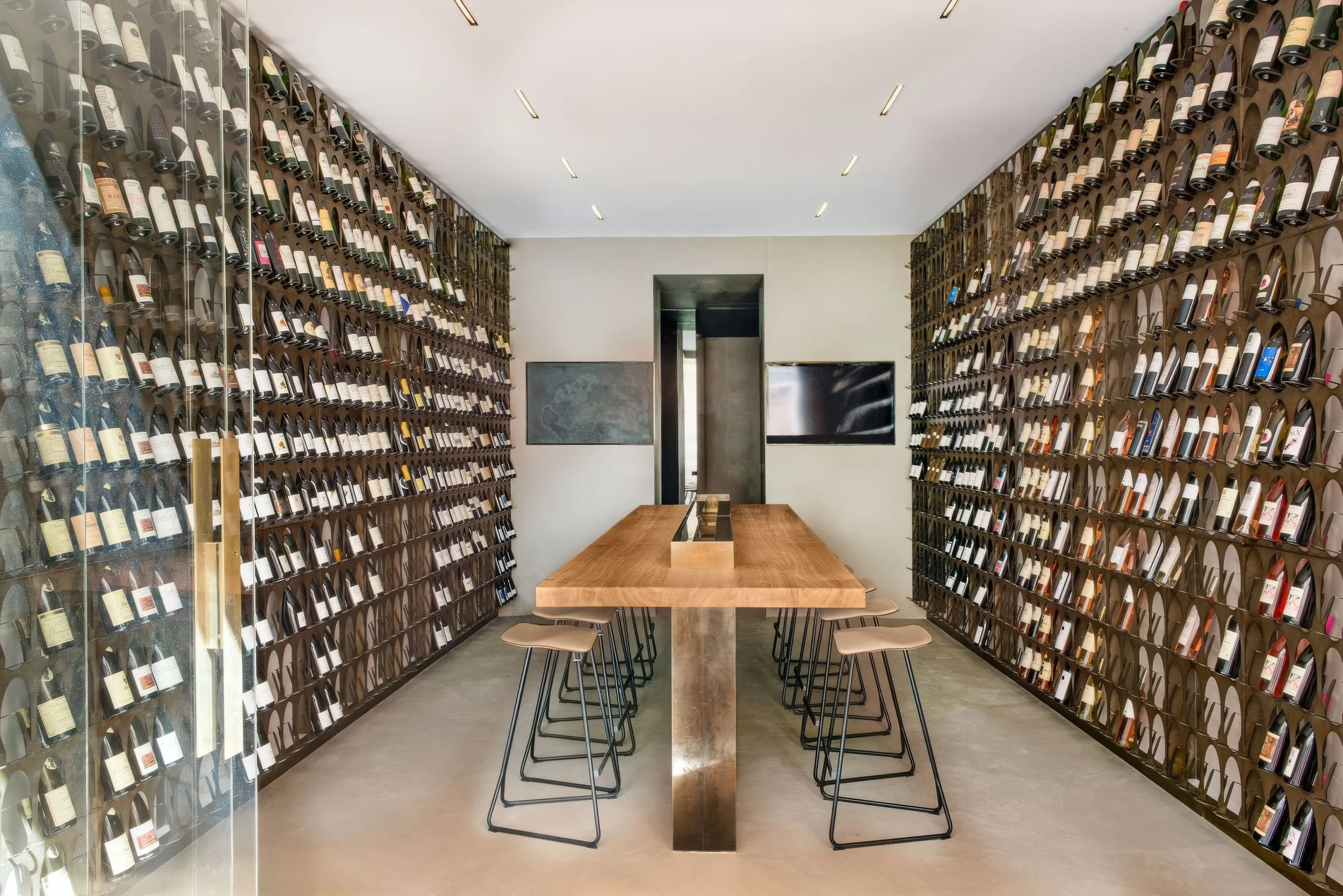
Weisshaar’s approach is rooted in a background that spans metalwork, product design, and collaborations with figures such as Konstantin Grcic and Rem Koolhaas’ AMO. His work often bridges disciplines, integrating technology, material experimentation, and spatial design, qualities evident in Triton’s clarity and efficiency. Since its debut, the stool has been specified in notable spaces worldwide, including the Hotel de Tourrel in Saint-Rémy-de-Provence, Schneeweyess Optik in Leipzig, and the headquarters of Creutz & Partners in Luxembourg, each context affirming its versatility.
Balancing sculptural restraint with everyday usability, the Triton Bar Stool demonstrates how precise design thinking can resolve longstanding tensions between aesthetics and comfort. In Weisshaar’s hands, a familiar object becomes a refined tool for social interaction.
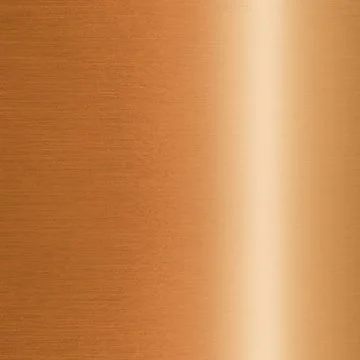
Bar Stool. Frame tubular steel, powder-coated with fine texture in black or chrome-plated or copper-plated, with clear varnish. Seat covered in bend leather. Hook for bag in frame colour. Plastic gliders in black.
Bend leather by Classicon.
Dimensions
W. 50cm (19 5/8”) D. 49cm (19 5/16”) H. 75cm (29 1/2”)
MATERIALS
BEND LEATHER


FRAME



DESIGNEr
Clemens Weisshaar
Clemens Weisshaar
Triton Bar Stool
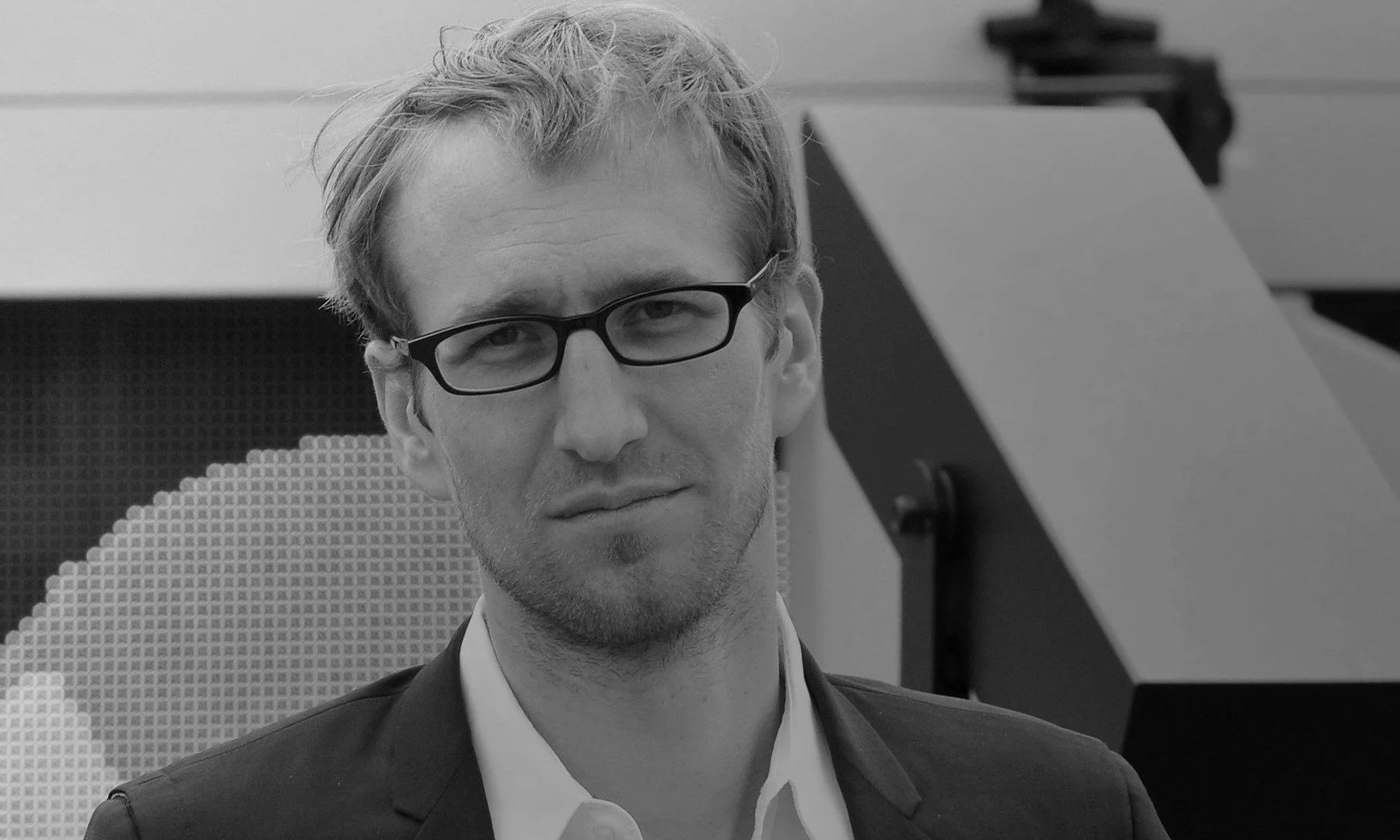
Clemens Weisshaar was born in 1977 in Munich. After an apprenticeship as a metal worker he studied Product Design at Central Saint Martins College of Art and Design and the Royal College of Art in London. After three years as the assistant to Konstantin Grcic he founded his own office in 2000. He consults Rem Koolhaas’ research firm AMO in industrial design related issues and works on projects spanning from strategic consulting over exhibition architecture to product design. Weisshaar works and lives in Munich and Stockholm. In 2002 Clemens Weisshaar and Reed Kram (born 1971 in Ohio) founded the office Kram/Weisshaar as a platform to integrate the multidisciplinary efforts. Based in Munich and Stockholm the office engages in the design of spaces, products and media. Recent commissions of Kram/Weishaar include the concept, design, and execution of media installations and devices for PRADA’s new epicenter store in Beverly Hills, an interactive installation for Centre Georges Pompidou in Paris, data visualization tools for the BMW group and PriceWaterhouseCoopers, master plan and exhibition architecture for ‘The Design Annual’ in Frankfurt, switch interfaces for Merten and furniture for Moroso and ClassiCon.
MANUFACTURER
CLASSICON
Good furniture is like a good friend: somebody we like to have around and who accompanies us through life, wherever it may take us. We have been producing this kind of furniture since 1990. At the time, ClassiCon emerged from the traditional Vereinigte Werkstätten in Munich.
The licenses for the designs by famous designers of classic modernism, including Eileen Gray, Eckart Muthesius and Otto Blümel, formed the cornerstone for today’s collection. Soon, furniture by contemporary designers such as Sebastian Herkner, Neri & Hu, Konstantin Grcic and Jader Almeida followed. From the beginning, ClassiCon intentionally created a suspenseful relationship between classics and contemporary design. Owner Oliver Holy has had a lasting impact on the family-run company with his passion for design, architecture and art for almost 20 years now. Since mid-2024, he and CEO Timotheus Günak have been jointly managing ClassiCon.
Design, function and quality at the highest level plus a good amount of emotion – this is our vision: furniture design that convinces and accompanies people through their lives, something reliable and beautiful that is used and appreciated and, in the best case, passed down.
How much spirit of departure does a piece of furniture contain? At ClassiCon, you will only find innovative furniture that expresses the courage to depart from familiar ground. Some of the pieces carry big names, and each can look back on a proud design history, sometimes over several decades or even an entire century. Others, however, are only at the beginning of writing their own big stories.
We consider it our task to accompany and enable a multitude of such stories – now and in the future. For this purpose, we are continuously expanding our partner network and engage in intensive dialogs with international designers, often young and unknown.
Local craft businesses that bring design ideas to life through their skills and expertise play an equally important role for us. Through our production methods, we aim to bring this craftsmanship and wealth of experience to light and secure it for the future.
Designs from the ClassiCon collection can be found in museum collections around the world. Rare and precious originals by Eileen Gray, for example, are owned by the Victoria and Albert Museum in London, the National Museum of Ireland and the Museum of Modern Art in New York. In the meantime, designs by our contemporary designers have found a place in collections: classics of the future are exhibited or archived in various contexts. They represent formal innovation, originality and quality. With each selection, we are delighted about the success of the designers and the confirmation of our work.
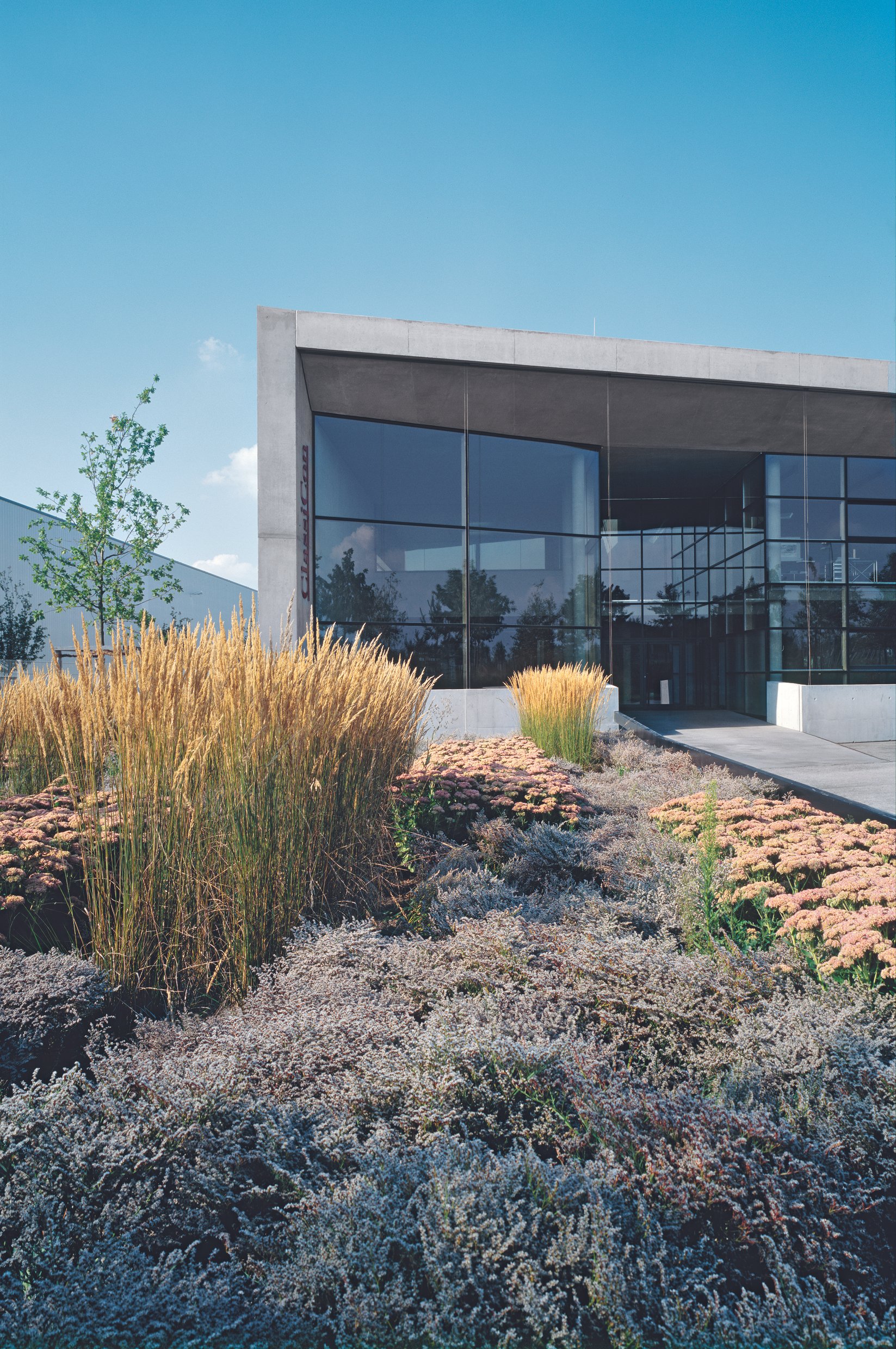
Classicon Headquarters