
 Image 1 of 23
 Image 2 of 23
 Image 3 of 23
 Image 4 of 23
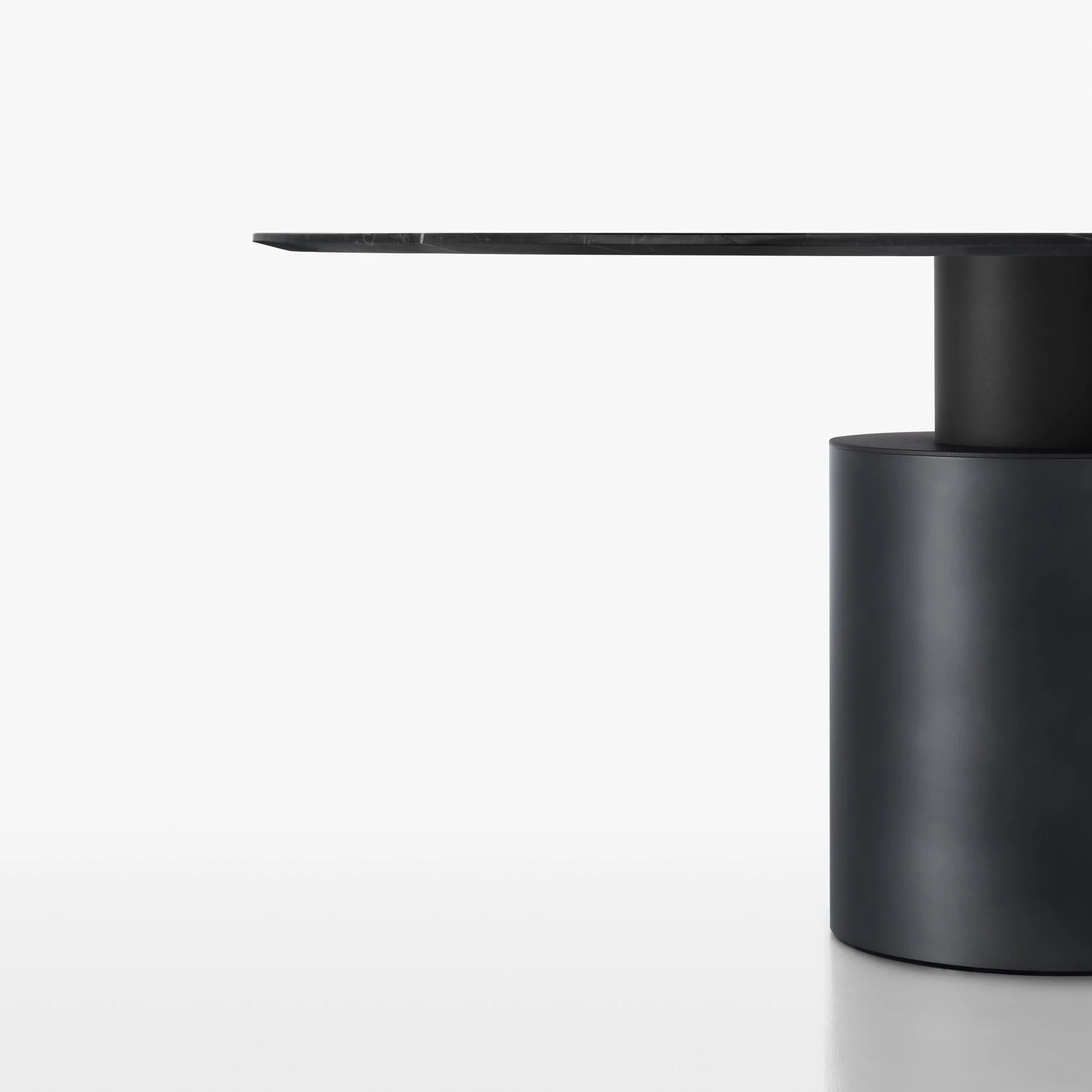 Image 5 of 23
 Image 6 of 23
 Image 7 of 23
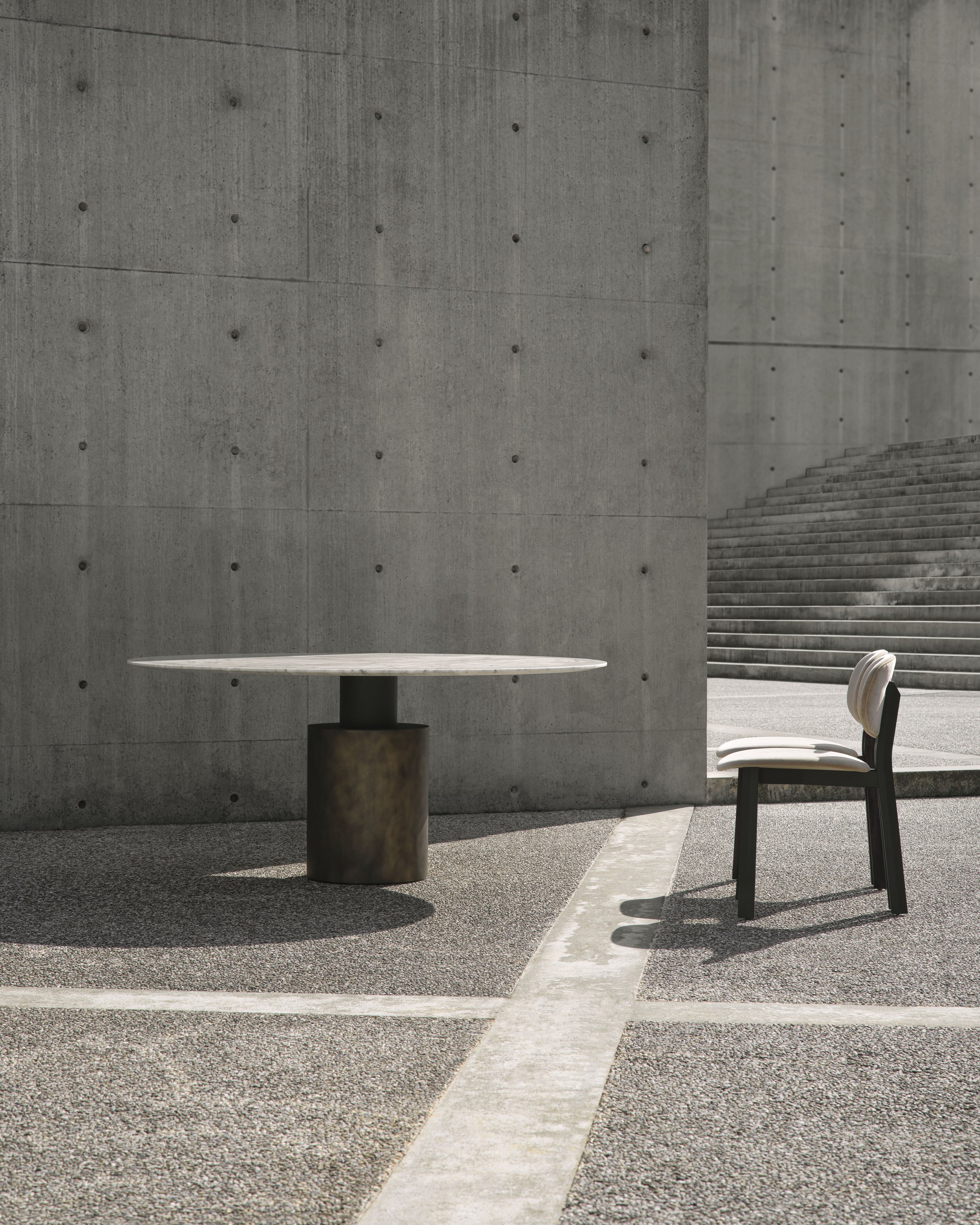 Image 8 of 23
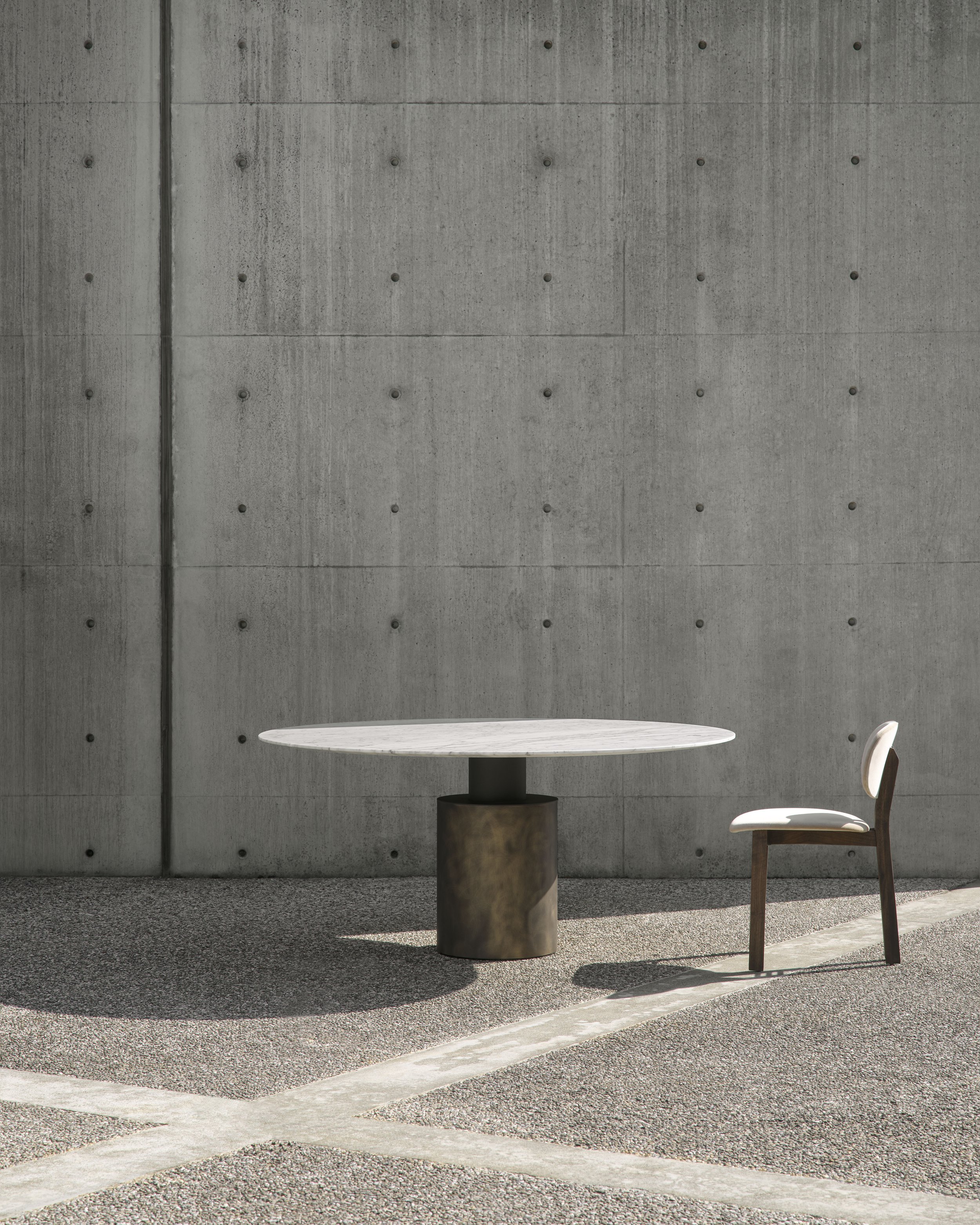 Image 9 of 23
 Image 10 of 23
 Image 11 of 23
 Image 12 of 23
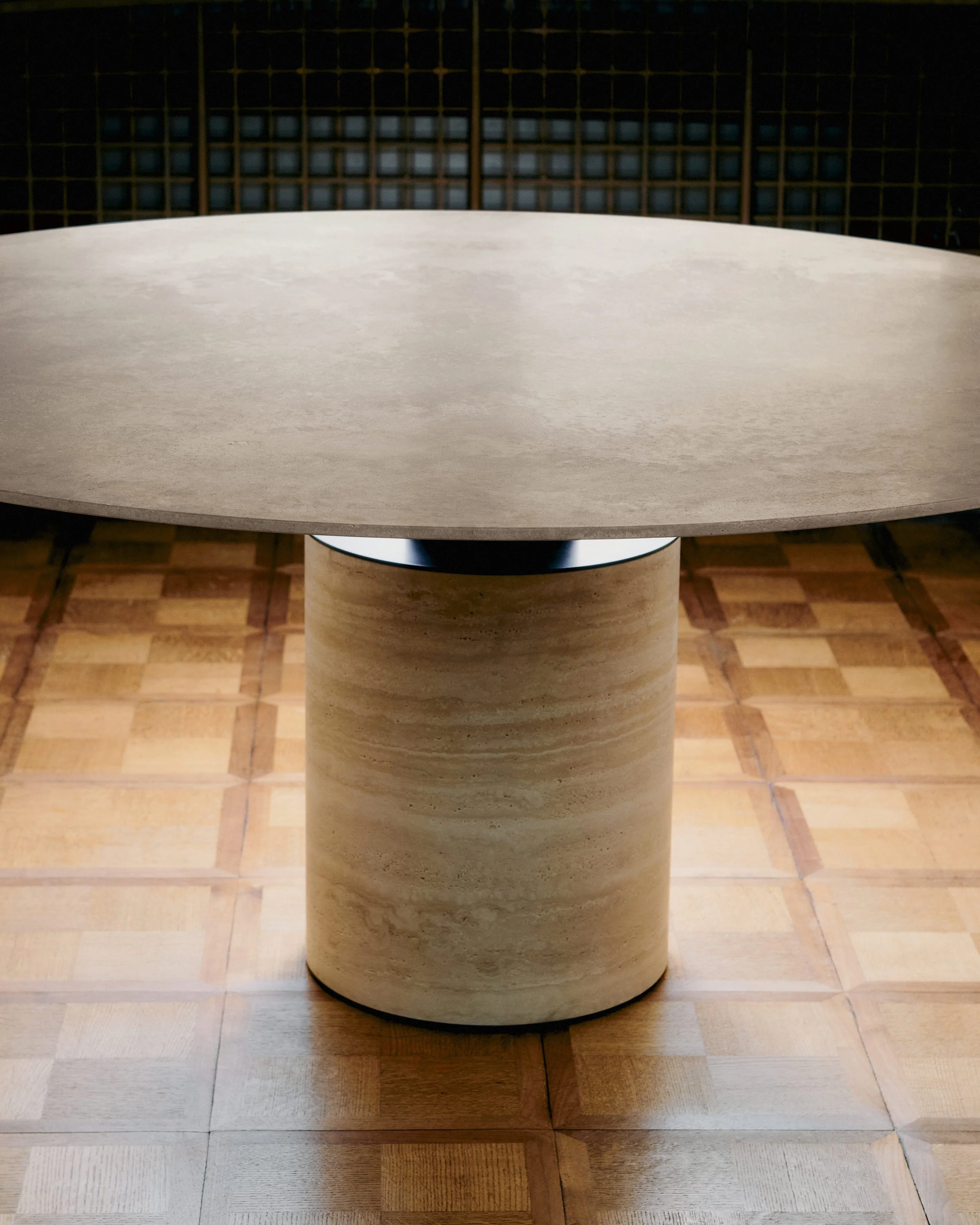 Image 13 of 23
 Image 14 of 23
 Image 15 of 23
 Image 16 of 23
 Image 17 of 23
 Image 18 of 23
 Image 19 of 23
 Image 20 of 23
 Image 21 of 23
 Image 22 of 23
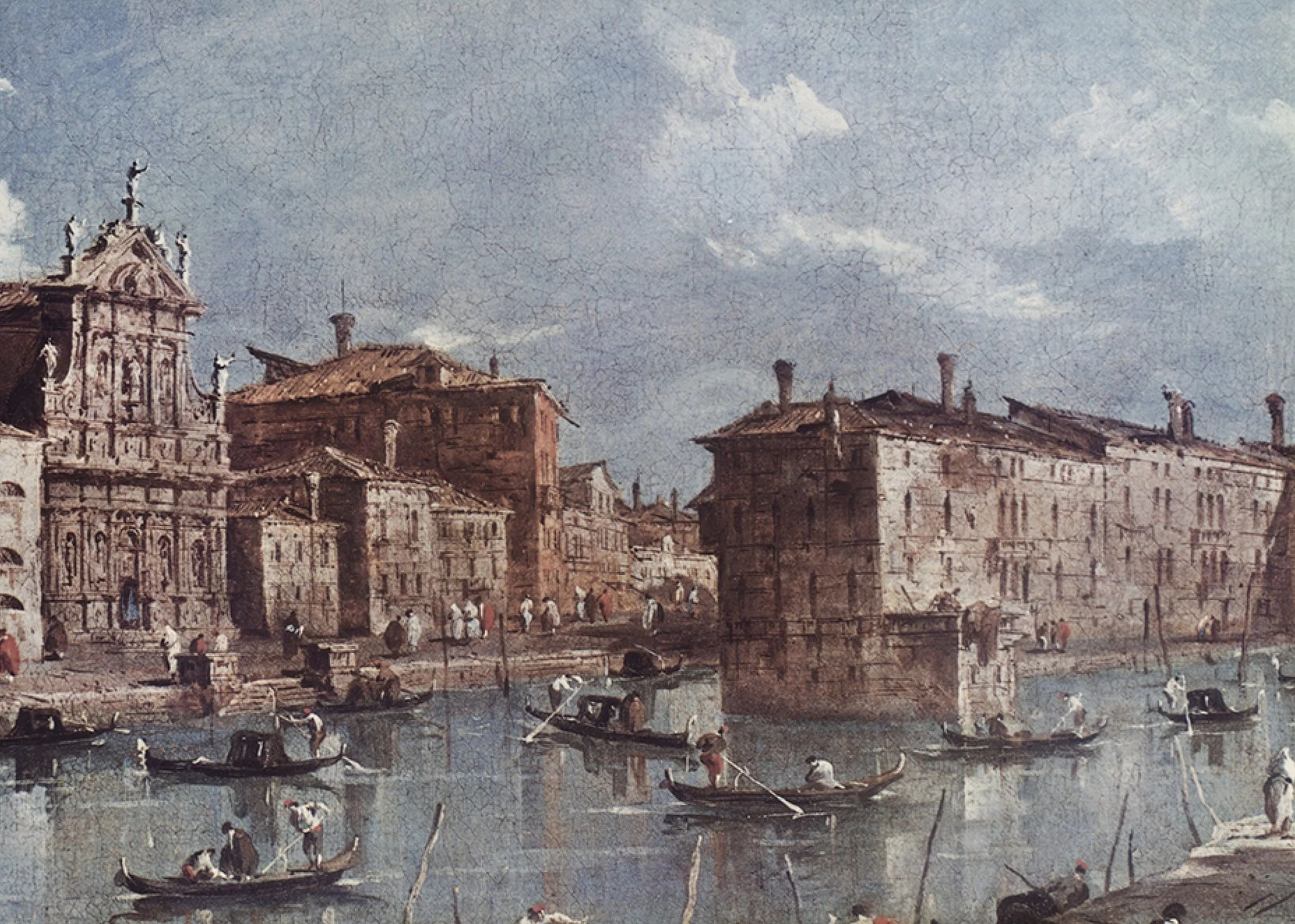 Image 23 of 23
Creso Dining Table
SINGULAR FORM WITH A MONOLITH’S SILHOUETTE
The Creso dining table, designed by Lella and Massimo Vignelli in 1988, embodies the rigorous geometric simplicity that distinguished the Vignellis’ vision. Its monolithic silhouette, defined by a single, powerful pedestal, merges classical proportion with contemporary clarity. Originally conceived during a prolific period in the designers’ careers, the Creso explores materials and proportions thoughtfully, often juxtaposing a solid travertine base with tops of marble or glass, and enhanced by metal finishes in its later reinterpretations. The subtle hues of the table draw inspiration from the encaustic colors of Venetian artist Francesco Guardi, linking the piece to a refined historical craft tradition. Throughout their collaborative life, from their marriage in 1957 to their international acclaim, Lella and Massimo Vignelli pursued an interdisciplinary approach, encapsulated in Massimo’s principle that “design is one.” They seamlessly moved between graphic design, product development, furniture, and interior spaces, consistently guided by functional minimalism and precise aesthetics. Creso reflects these ideals: the table is not merely furniture but a sculptural statement, bridging past craftsmanship with modern design philosophy.
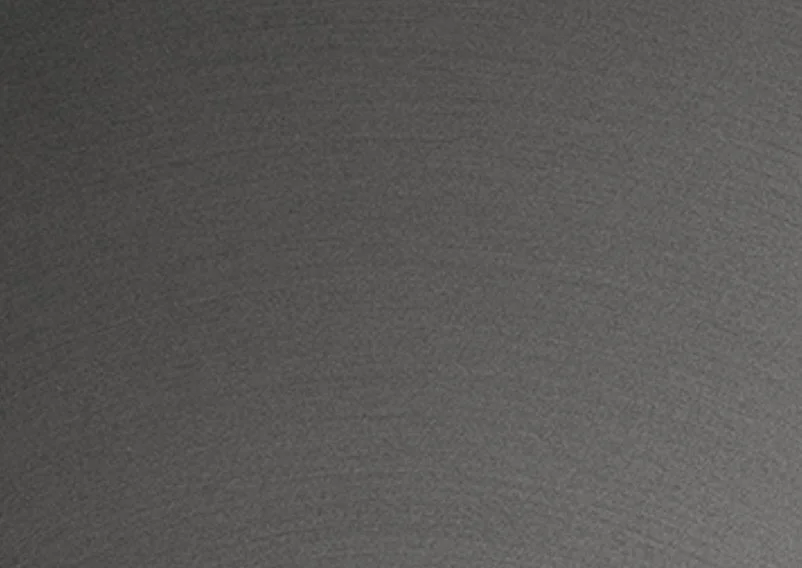
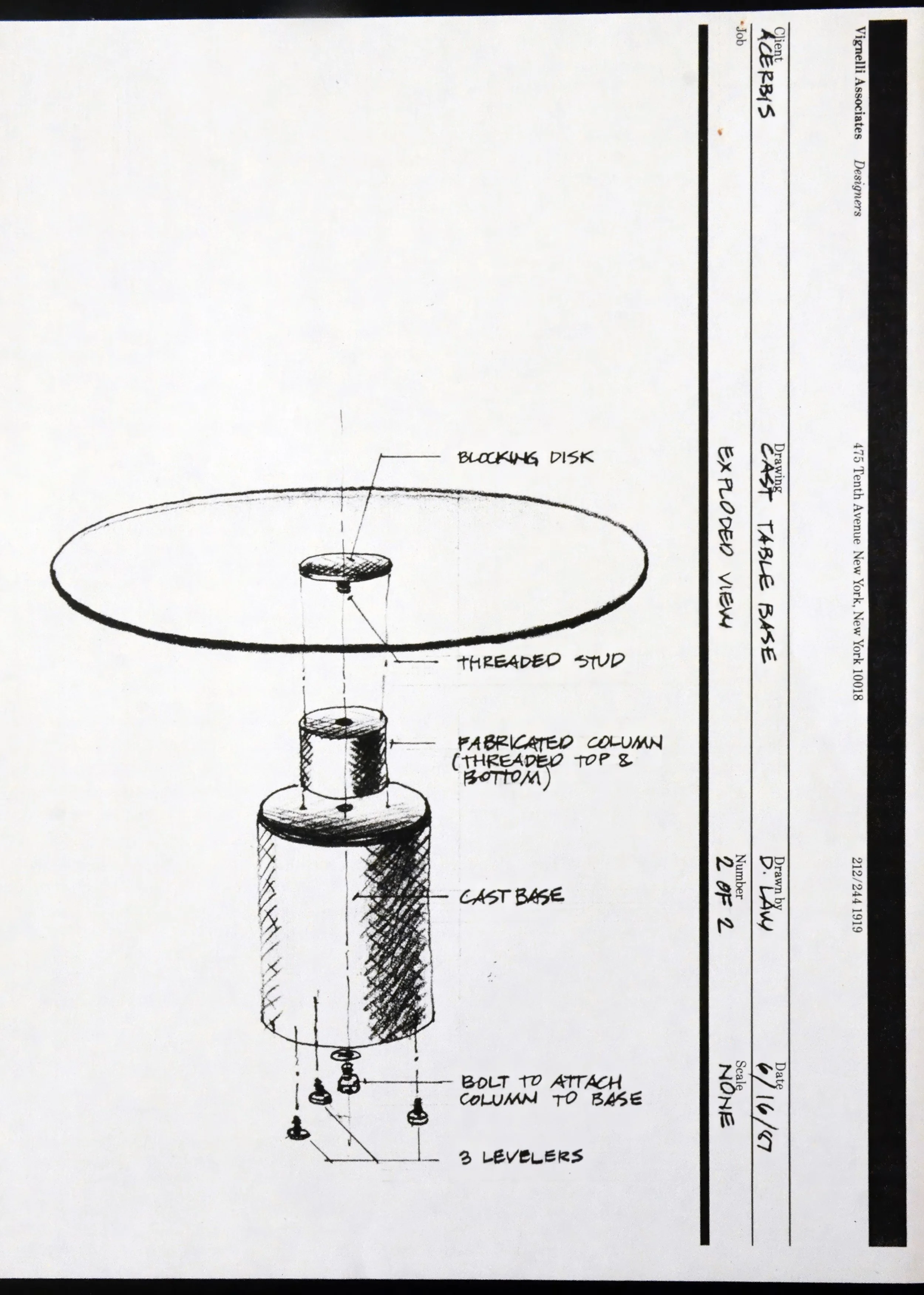
The cylindrical base (Ø40 and Ø50 cm) is made with a steel tube, painted in a gun-metal grey or orbital bronze finish, or clad with a brass-plated steel foil. Another variation is the single-material version in matte Travertine, made from a single block. An internal iron column supports the weight of the entire structure without negatively impacting the marble cladding.
The surfaces are available in the following finishes:
Transparent glass, 15 mm thick.
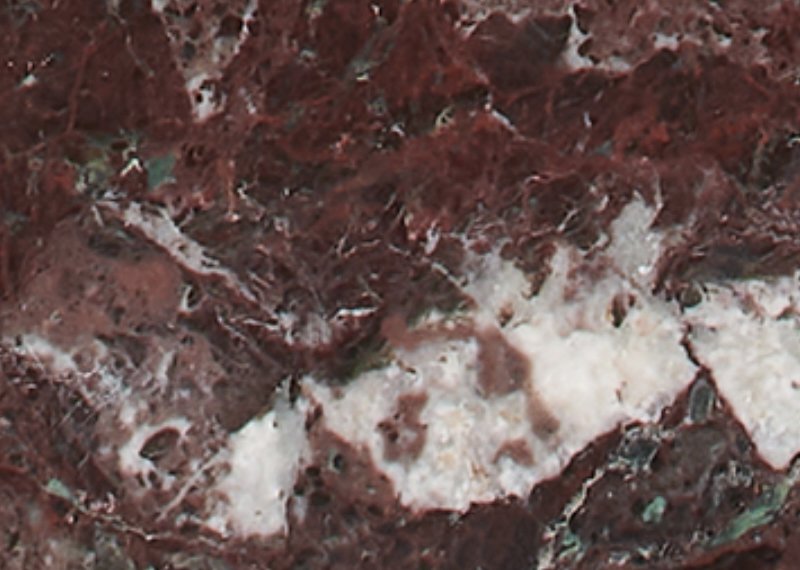
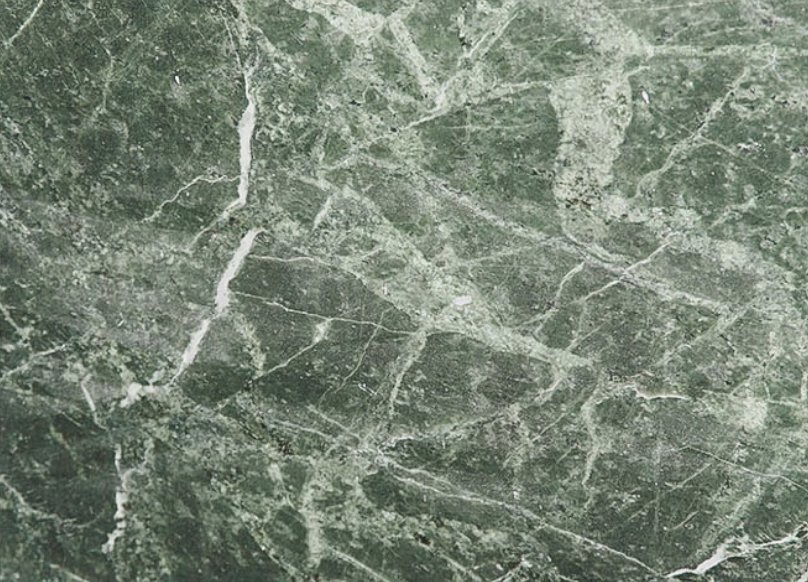
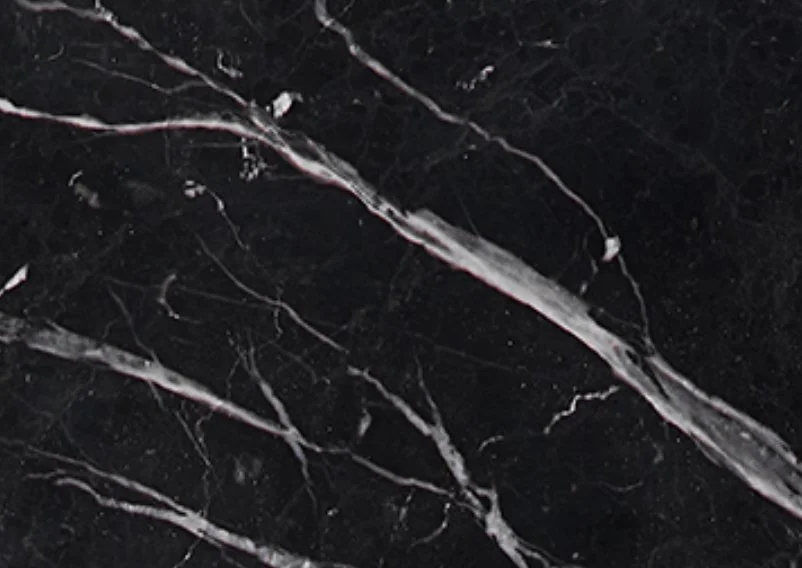
Matt Carrara Statuario white marble, black Marquinia, red Levanto, green Alpi, 20 mm thick; marbles with polyester glossy finishes are available upon request.
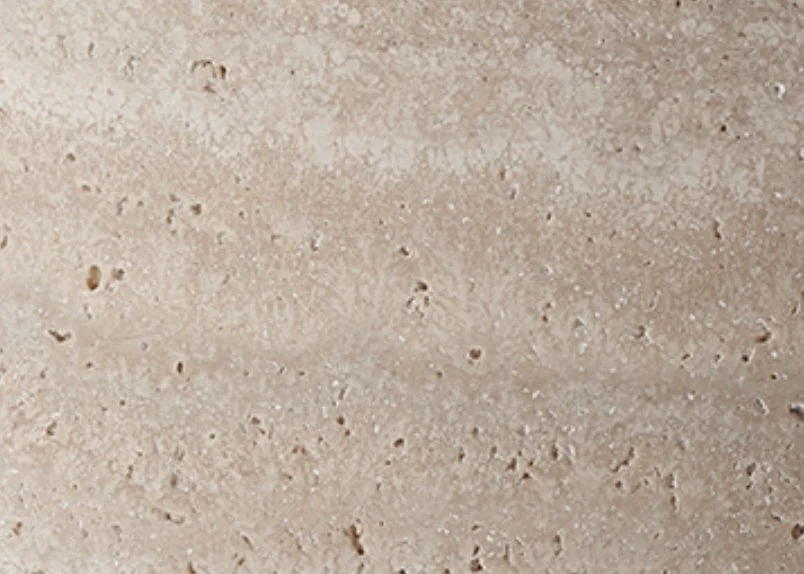
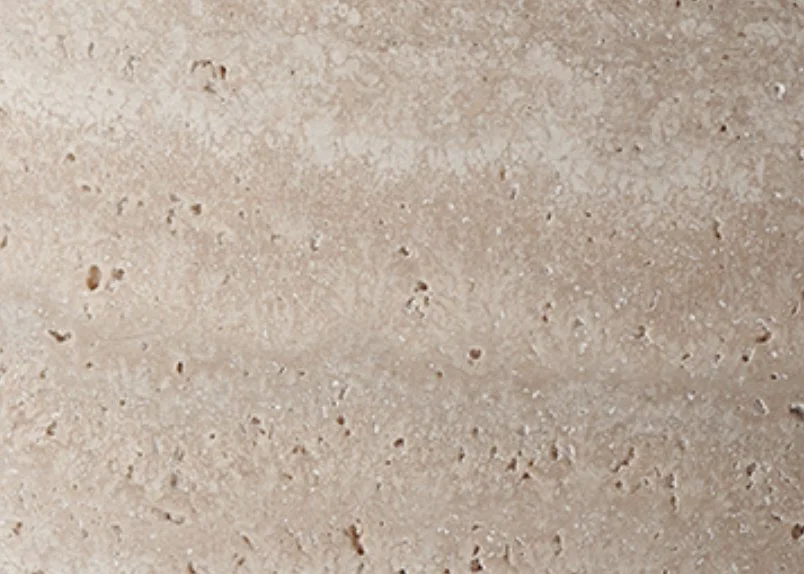
Matt Travertine, 20 mm thick (max Ø160cm), stone with a natural polished finish. The Travertine top is only paired with the base in the same finish.
Dimensions
Model No. 13 - Diameter 130cm (51 1/8”) H. 72cm (3/8”)
Model No. 16 - Diameter 160cm (63”) H. 72cm (3/8”)
Model No. 18 - Diameter 180cm (70 7/8”) H. 72cm (3/8”)
MATERIALS
TABLETOP


BASE


DESIGNEr
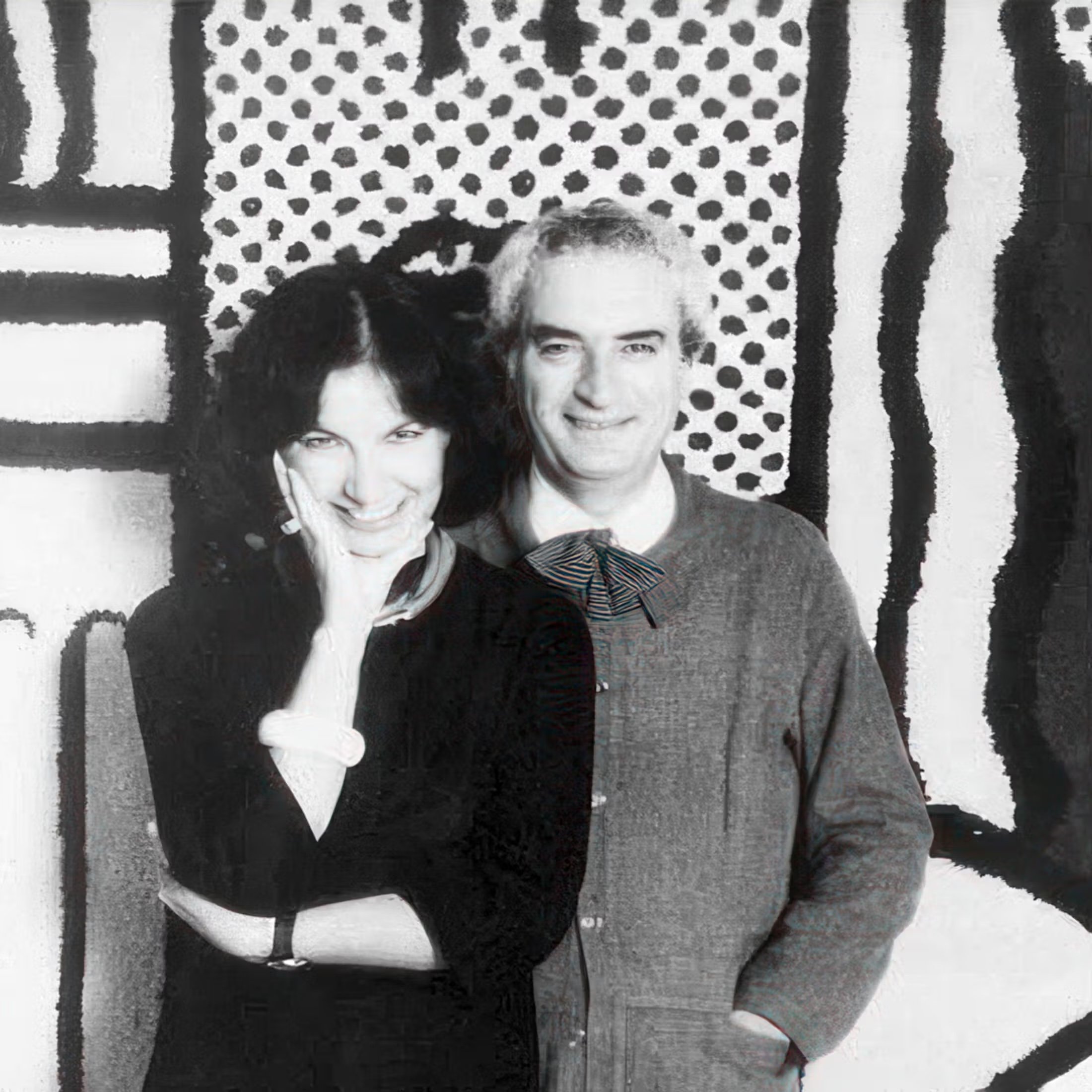
Lella & Massimo Vignelli
Lella & Massimo Vignelli
Creso Dining Table
Lella and Massimo Vignelli are a husband-and wife team. They studied in Venice, Italy, and in 1960 established the Massimo and Lella Vignelli Office of Design and Architecture in Milan, working with graphics, products, furniture and interiors. In 1965 they founded Unimark International Corporation, and, in 1971, Vignelli Associates, with an office in New York and liaison offices in Paris and Milan. The Vignellis’ work has been awarded numerous prizes and exhibited several times in sector publications, in the United States and abroad. Several of his works are included in the permanent collections of several museums.
MANUFACTURER
ACERBIS
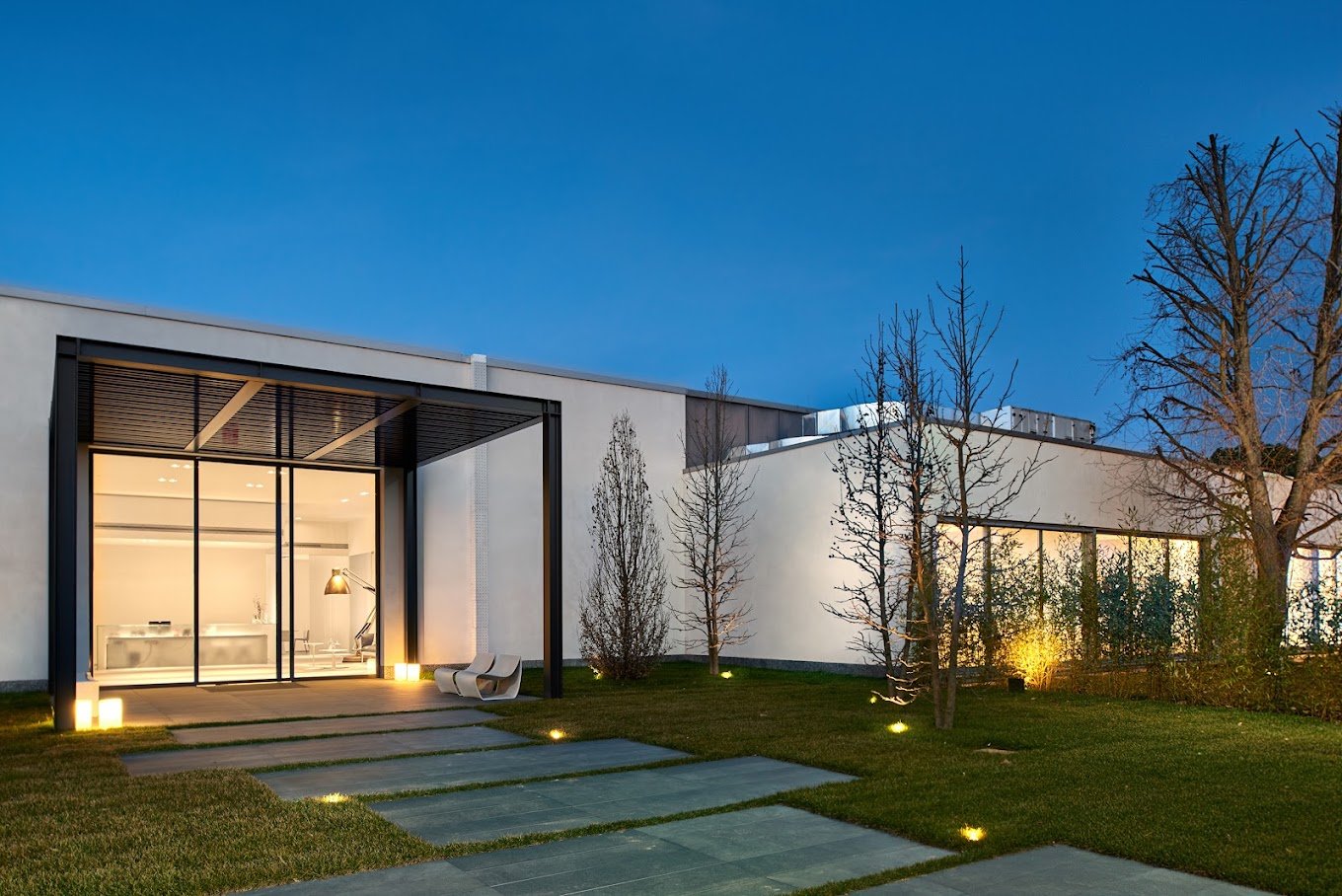
One of the most enduring furniture companies in Italy, Acerbis stands as a connoisseur’s benchmark of Italian design — a pioneer with 150 years of expertise, whose continual search for modernity has produced creations of stunning innovation. First founded in 1870 by Benvenuto Acerbis in Bergamo’s Valle Seriana, Acerbis introduced cutting-edge industrial production and collaborations with some of Italy’s most trailblazing designers by the 1960s under Lodovico Acerbis, including Giotto Stoppino, Massimo and Lella Vignelli, Vico Magistretti, Nanda Vigo and Gianfranco Frattini.
Acerbis impart a fundamental luxury experience of design for users to match the conceptual aesthetic solutions of the furnishings. Over these years of experimentation and industrialization, Acerbis forged its DNA of Italian ingenuity for a future-gazing clientele ever since. Today this mission continues with fresh vigor. With industry leader MDF Italia investing in Acerbis for a newly cemented partnership, and recently appointed creative directors Francesco Meda and David Lopez Quincoces helming a dynamic path forward, Acerbis affirms its family-led lineage of pace-setting vision, and its universe of designs that unite function and the avant-garde.
Looking to the past to face the challenges of the future, Acerbis takes on the great changes of our era, and the need to create a more sustainable society — a future that returns to a time when objects were made to last, when we needed only a few things but things that were beautiful and high-quality, when design meant a radical break from tradition and creating innovative products with the latest technology and material developments.
Acerbis will continue to offer beauty and functionality, like that found in all the iconic products of the company, which in its 150 years of experience has created products whose modernity survives the decades and remains avant-garde even today, and for the future. Continuing this mission means maintaining Acerbis as a place of research and experimentation, of new collaborations with both emerging and celebrated designers, and of breakthrough new products that will become future icons of design.
Acerbis Headquarters